Loop Engineering in 9 Minutes: Stop Prompting, Start Building Loops
TL;DR
A companion guide to the Loop Engineering video: the shift from repeatedly prompting an LLM to building long-running loops, goals, and automations.
Official Sources#
| Resource | Description |
|---|---|
| Watch: Loop Engineering in 9 Minutes | The full walkthrough on the DevDigest channel |
What This Video Covers#
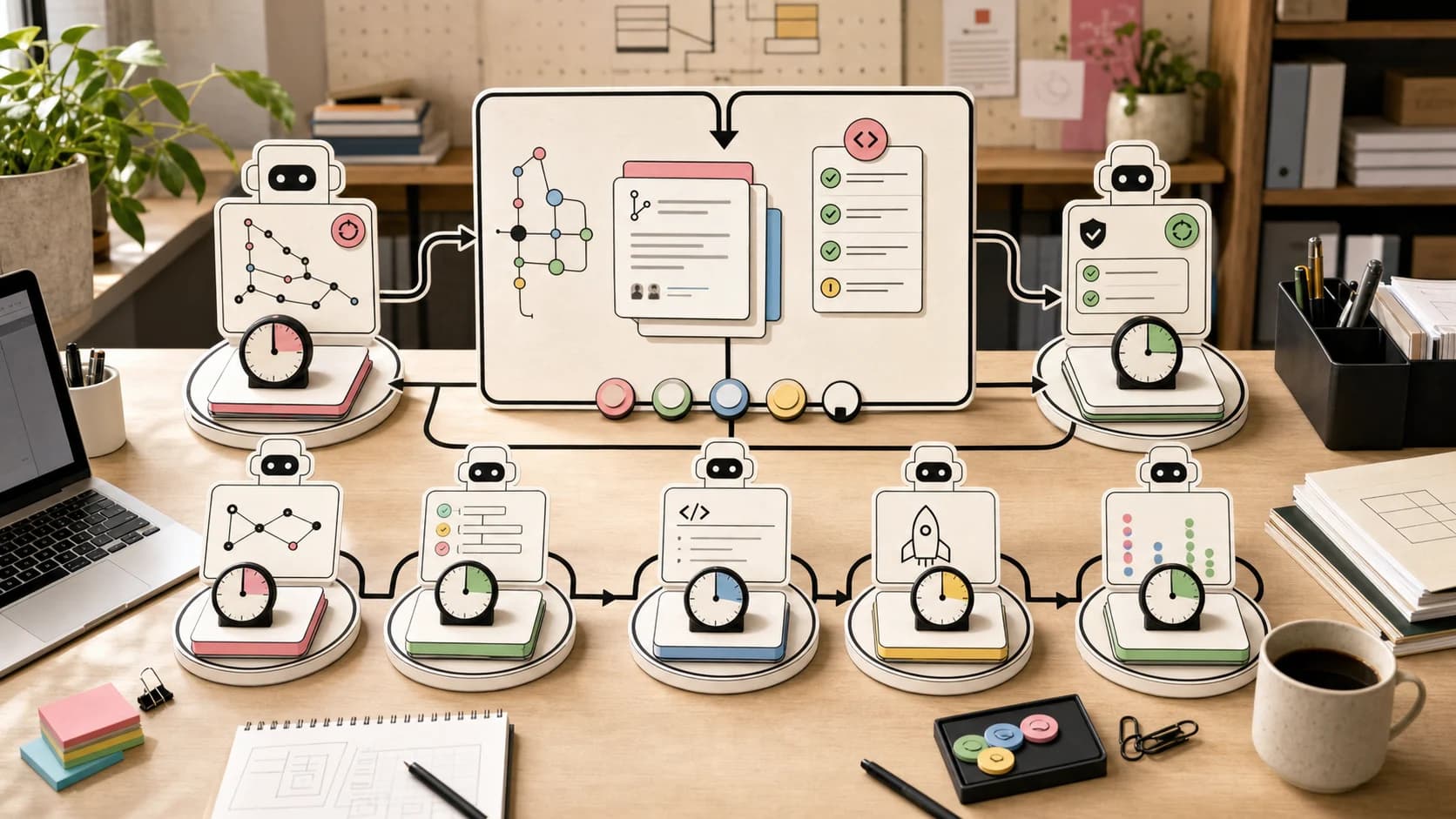
Loop Engineering in 9 Minutes discusses moving away from repeatedly prompting an LLM and toward long-running loops and automations. Instead of driving a model one message at a time, you set goals and let long-running workflows carry the work forward.
This post is a companion to the video above. Watch the nine-minute walkthrough for the full argument, then use the links here to see how the loop idea shows up across tools.
The Idea in One Line#
Stop prompting, start building loops. The tasks that matter are rarely a single question. They are ongoing goals, and a loop that keeps working toward a goal beats retyping the same prompt every time you want the next step.
Why It Matters#
The shift changes how you spend your time:
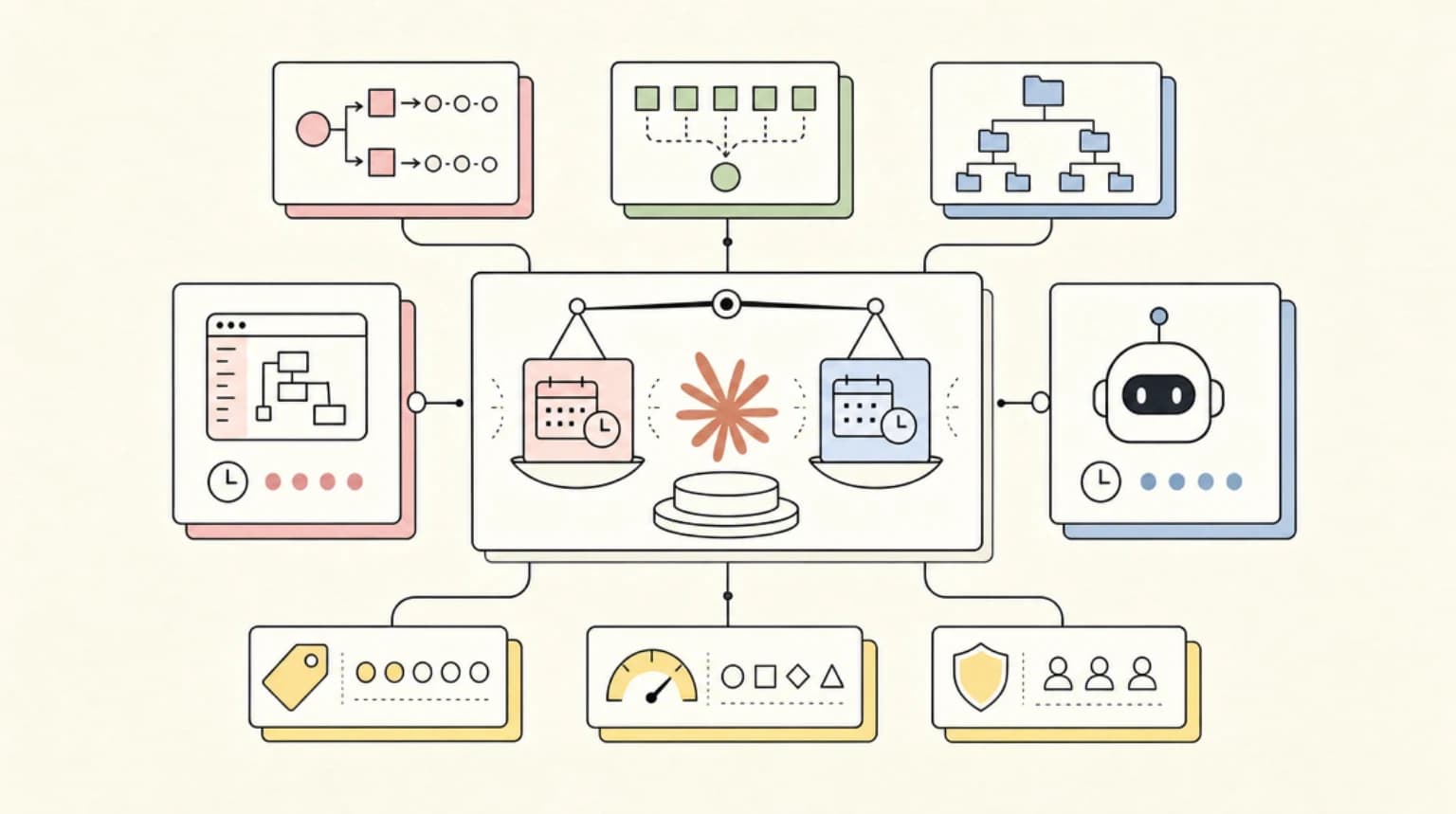
- Goals replace instructions. Describing an outcome once and letting a loop pursue it is more durable than issuing a fresh prompt for every step. This is the same theme in Claude Code routines versus managed agent schedules.
- Long-running beats one-shot. A workflow that keeps running can react to new state instead of stopping after a single answer. Claude Code loops shows how this looks inside one tool.
- Automations compound. Once a loop exists, it becomes something you reuse, which lines up with Codex automations for recurring engineering work.
Where It Fits#
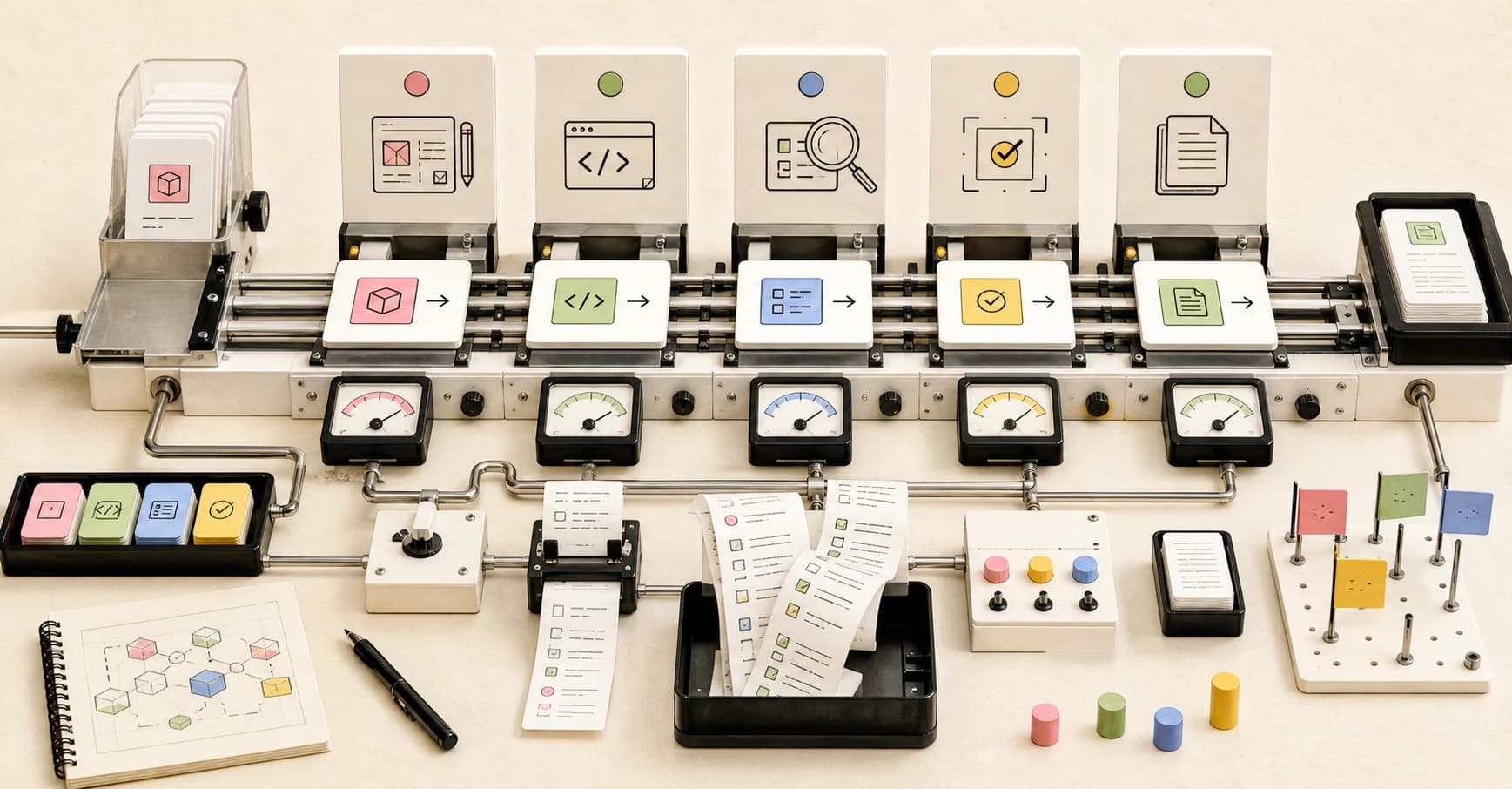
Loop thinking is showing up across the ecosystem. Codex loops and agent routines covers one implementation, and the coming loop and agent comprehension looks at where the pattern is headed. The common thread is the same one this video argues: less manual prompting, more standing workflows.
Getting Started#
The move the video suggests is to take a task you keep re-prompting, define it as a goal, and set up a loop or automation to carry it. Start with something low-risk and observable so you can watch what the loop does before trusting it with more.
Watch the full Loop Engineering in 9 Minutes walkthrough above, then turn one repetitive prompt of yours into a standing loop and stop typing it again.
FAQ#
What is loop engineering?#
Loop engineering is the practice of defining a goal once and letting a long-running workflow keep pursuing it, instead of re-typing the same prompt to an LLM every time you want the next step.
How is a loop different from a one-shot prompt?#
A one-shot prompt stops after a single answer. A loop keeps running, reacting to new state and carrying a task forward, which is the same distinction covered in Claude Code loops.
How do I turn a repeated prompt into a loop?#
Take a task you keep re-prompting, describe it as a goal instead of a one-off instruction, and set up a loop or automation to carry it forward. Start with something low-risk and observable so you can watch the loop's behavior before trusting it with more.
Is this idea specific to one tool?#
No. The pattern shows up across the ecosystem, including Codex loops and agent routines and Claude Code routines versus managed agent schedules.
Get the next deep dive like this in your inbox
One email a week on loops and the rest of the AI dev stack. Free.
Read next on AI coding tools
Claude Code Loops: Recurring Prompts That Actually Run
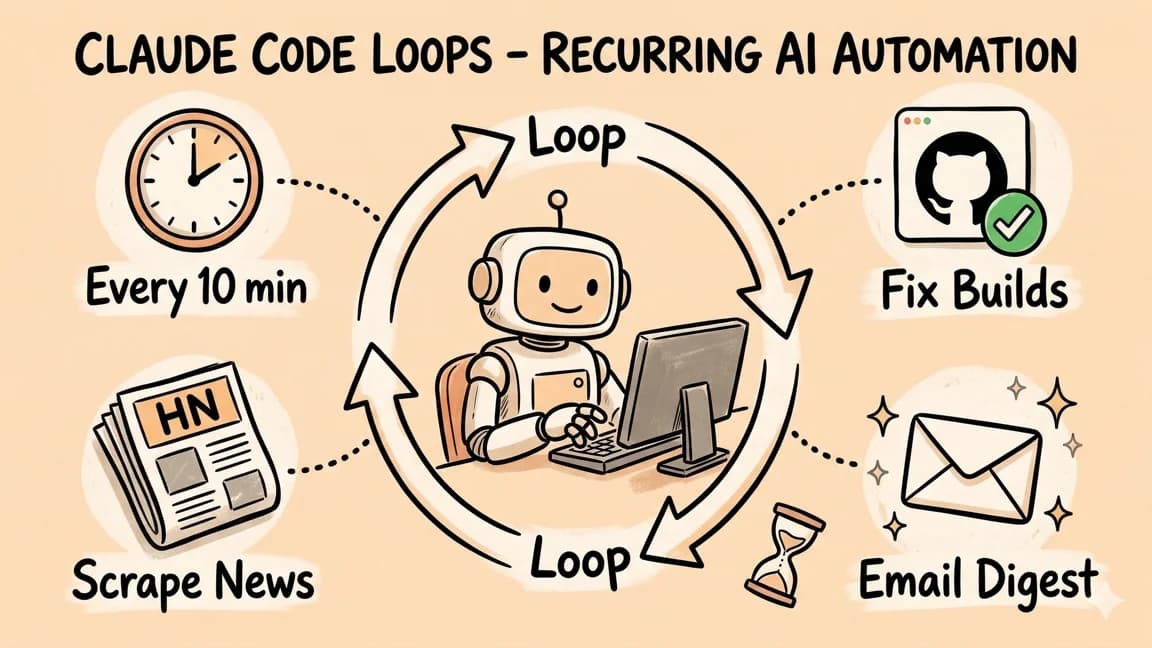
Claude Code now has a native Loop feature for scheduling recurring prompts - from one-minute intervals to three-day windows. Fix builds on repeat, summarize Slack channels, email yourself pull request digests. All from the CLI.
6 min readCodex Loops: What Boris Cherny Gets Right About Managing Agent Work
Boris Cherny's loop-heavy Claude Code workflow points at the next Codex content lane: recurring agents that babysit PRs, CI, deploys, and feedback streams.
8 min readClaude Code Routines vs Managed Agents Schedules: Where Recurring Agent Work Should Live
Claude Code Routines and Managed Agents scheduled deployments both run Claude on a schedule - here is how the triggers, pricing, and limits differ, and which one fits your recurring agent work.
9 min readNew here? Start with
Technical content at the intersection of AI and development. Building with AI agents, Claude Code, and modern dev tools - then showing you exactly how it works.