
11 min read
Run Your Coding Agent as an API: OpenCode Server on Railway
OpenCode server on Railway: run opencode serve in a container as a password-protected HTTP API with a persistent volume, reachable from any machine or webhook.
32 articles
How to start ChatGPT Work tasks from Gmail, Slack, GitHub and your own MCP server events: setup steps, the 30-runs-per-hour cap and signed webhook code.
OpenCode server on Railway: run opencode serve in a container as a password-protected HTTP API with a persistent volume, reachable from any machine or webhook.
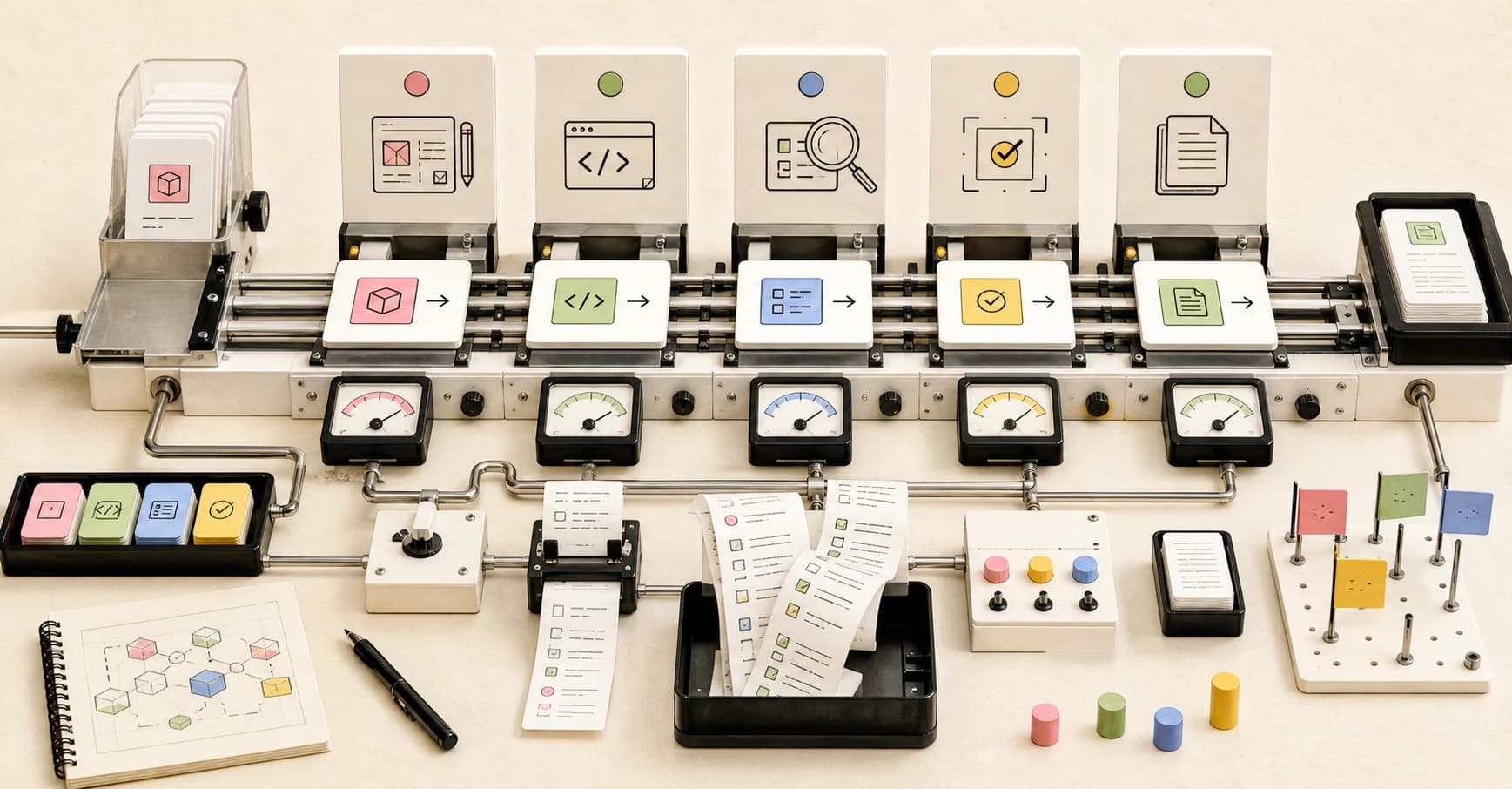
Build an AI pull request reviewer on Railway: a webhook service runs OpenCode headless on every PR diff and posts findings as a review, never touching the code.

Put a coding agent in Discord: a /ask slash command runs headless OpenCode on a fresh repo clone and posts answers to the channel, deployed on Railway.
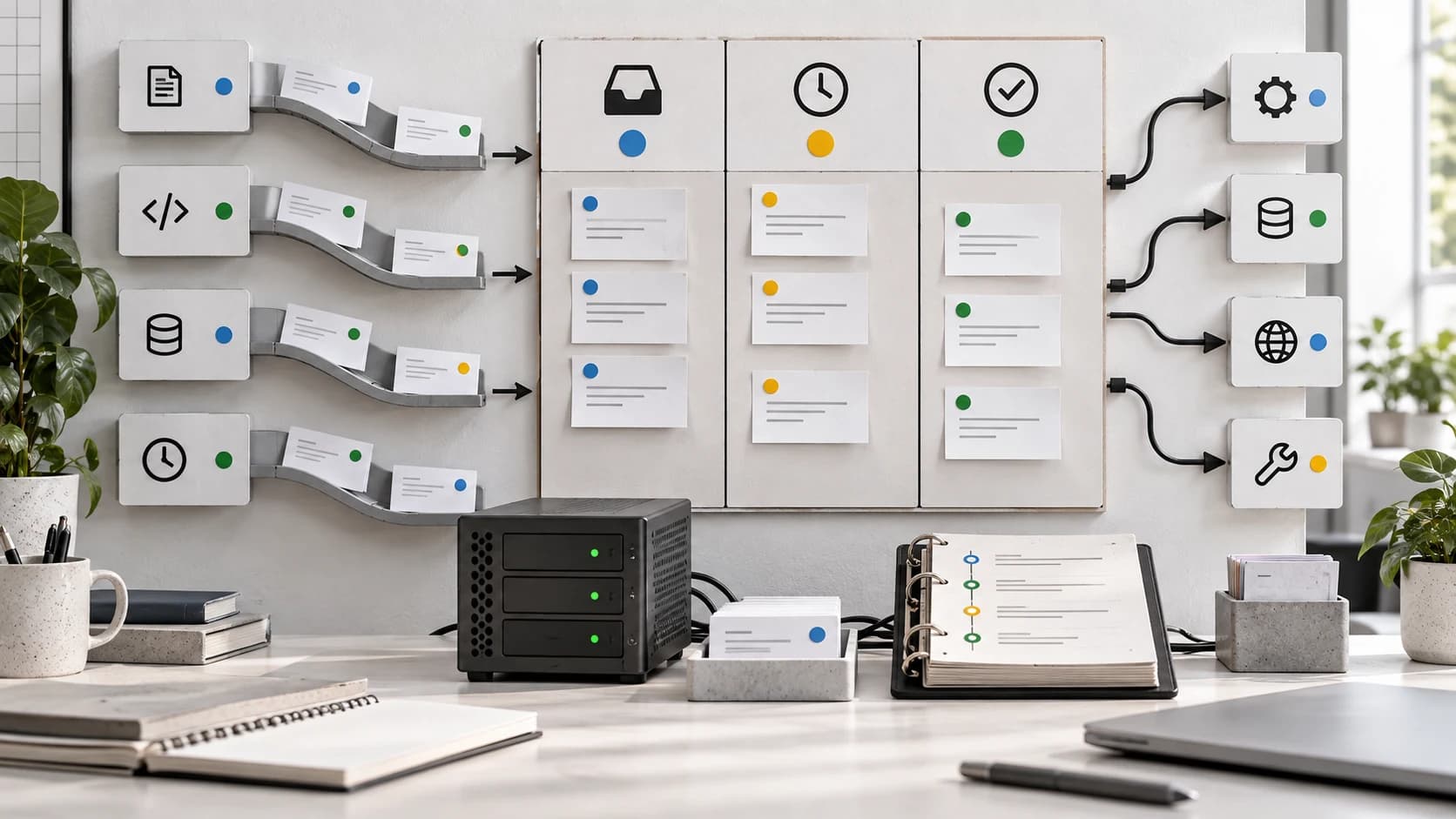
AWS open-sourced Pizza Bot, a local-first inbox for background AI agents. The lesson for builders is the queue, approval, checkpoint, and return-path pattern.
Turn git history into a two-voice release notes podcast with the ElevenLabs Text to Dialogue API, a coding agent for the script, and ffmpeg in under an hour.
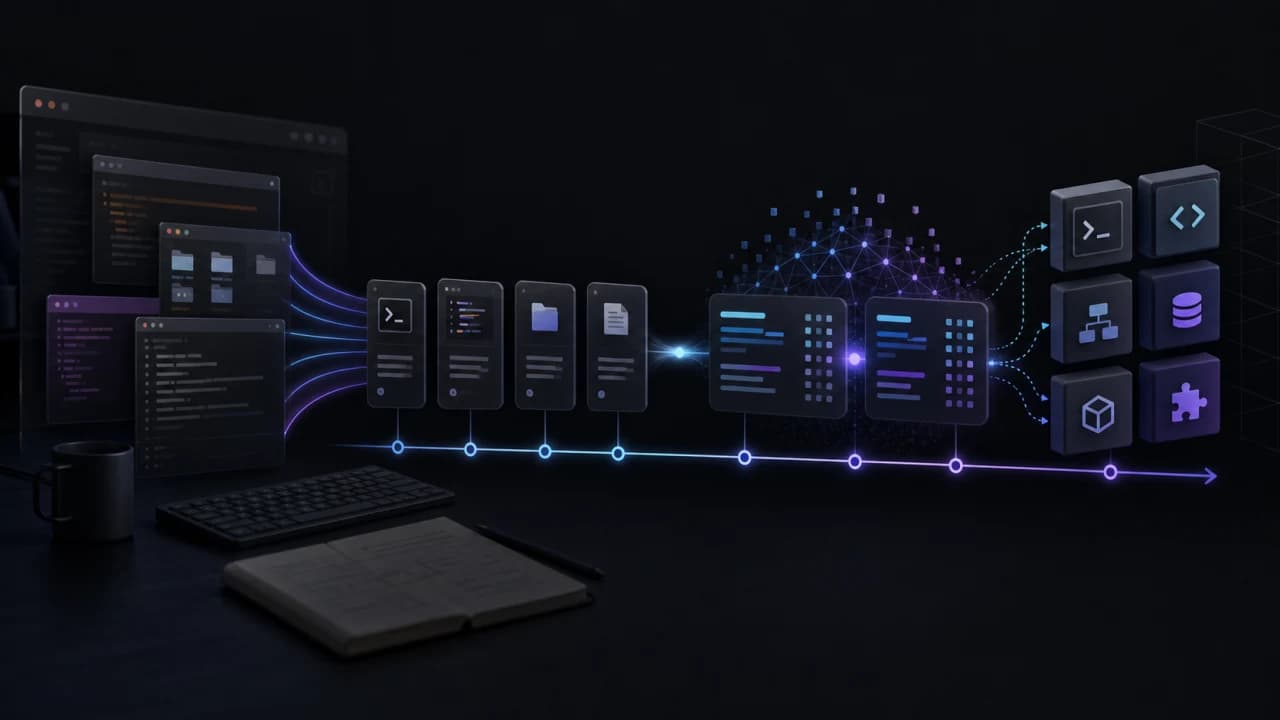
Codex Computer History gives agents a rolling local view of your work across apps. How it works, how to turn observed workflows into skills, and privacy limits.
Grok Bot gives every Bot a persistent cloud computer with a browser and terminal. Why that one primitive explains routines, Bot teams, and always-on work.
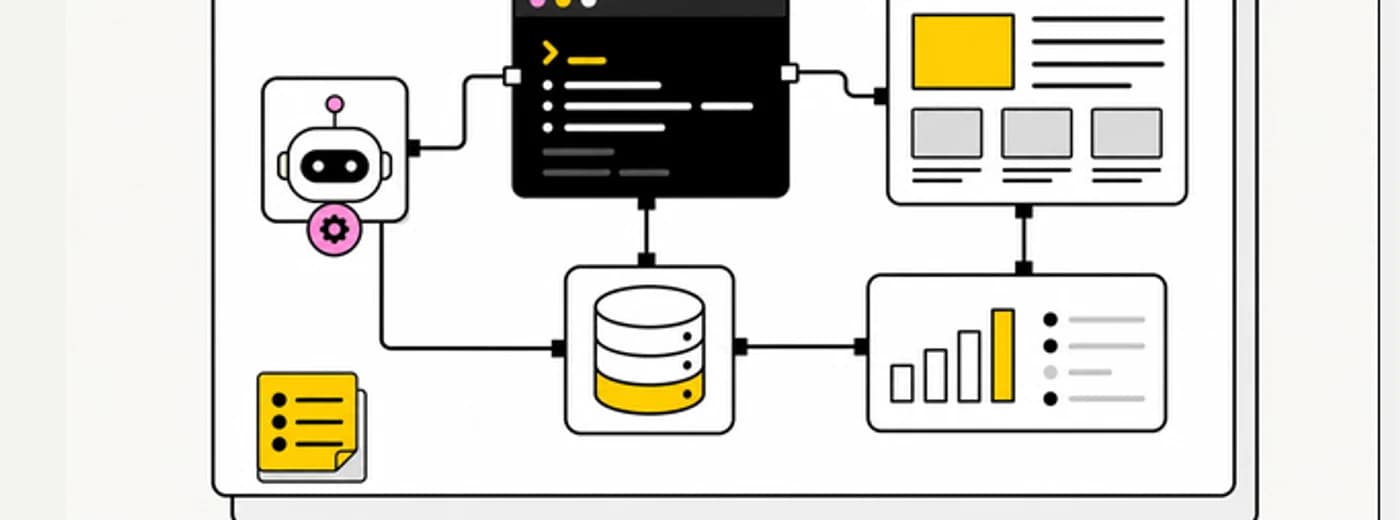
Grok Bot's meta controls make agent oversight a product primitive: approval gates, a chief-of-staff structure and escalation learning, not a settings page.
Grok Bot routines let you demonstrate a job once, correct it in plain language and hand the Bot the schedule. How it works and how approval gates keep it safe.

Automate video editing with the Descript API: one script takes a raw recording to a cleaned, captioned, published cut without opening the editor.
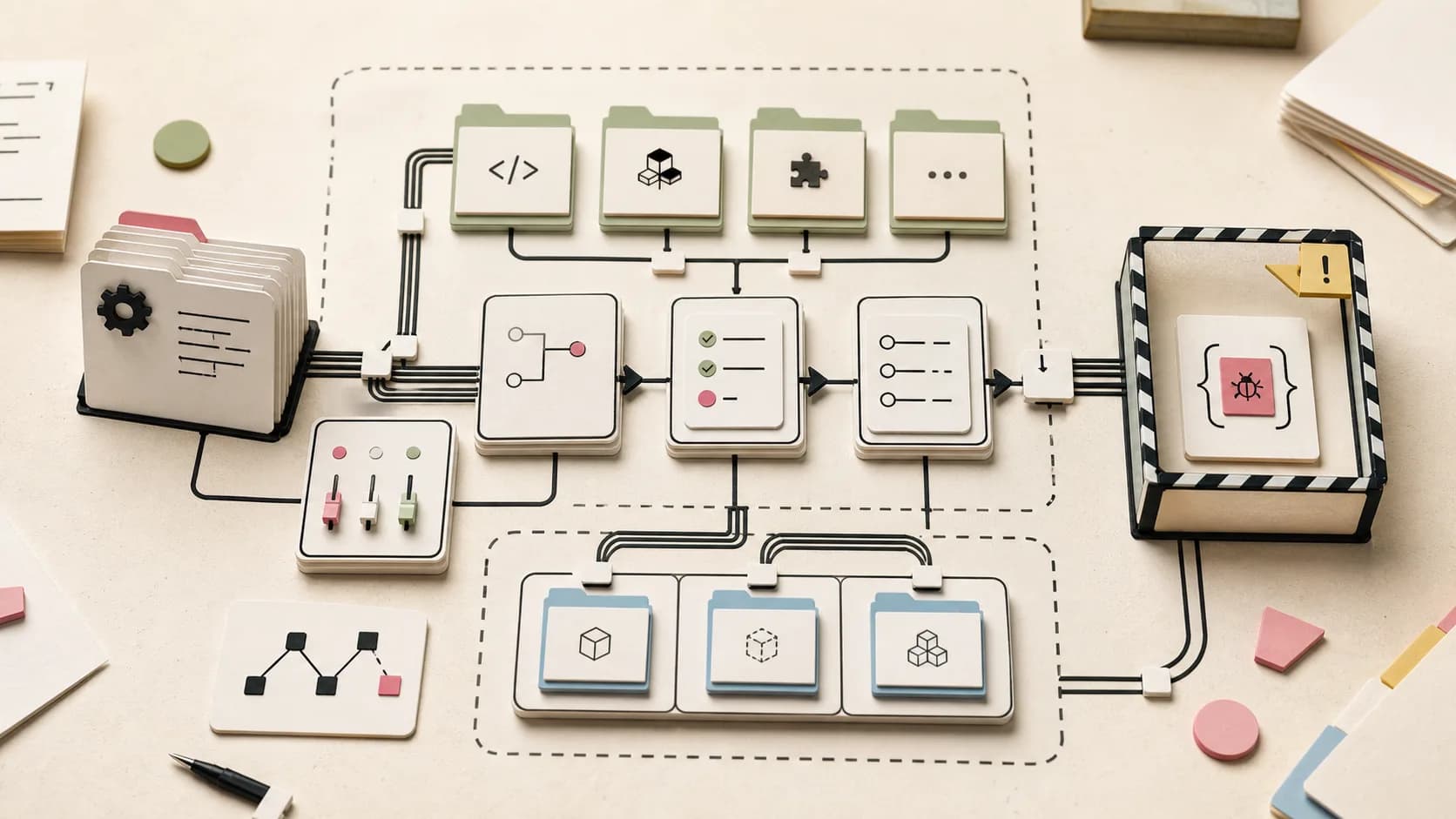
Audio briefs from coding agent runs: end every run with a plain-language summary, pipe it into ElevenLabs text-to-speech, and listen to the MP3 on the go.
Deploy an AI agent behind a GitHub webhook on Railway with OpenCode headless, so a labeled issue becomes a tested pull request. The full build, step by step.
Showing 12 of 31 articles

New tutorials, open-source projects, and deep dives on coding agents - delivered weekly.
Explore 840 topics
Browse All Topics