Claude Code vs Codex App in 2026: Local Agent Pairing vs Cloud Agent Orchestration
TL;DR
A deep comparison of Claude Code and OpenAI Codex app based on official docs and product updates: execution model, security controls, pricing, workflows, and when each wins.
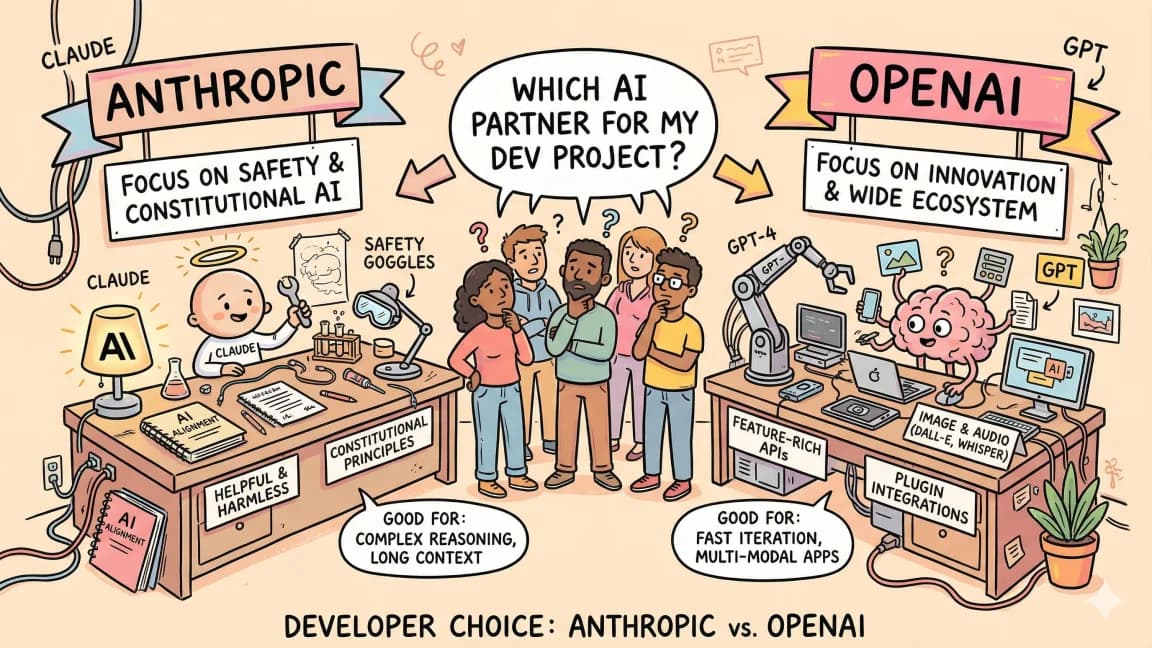
If you are evaluating coding agents in 2026, the most important decision is not model quality alone. It is execution model.
Last updated: June 3, 2026. OpenAI now includes Codex across eligible ChatGPT plans including Free, while Anthropic still splits heavier Claude Code usage across Pro and Max tiers. Verify current limits before you standardize.
Official Sources#
| Tool | Documentation | Pricing |
|---|---|---|
| Claude Code | docs.anthropic.com/claude-code | claude.ai/pricing |
| OpenAI Codex | platform.openai.com/docs/codex | openai.com/chatgpt/pricing |
- Claude Code is strongest when you want tight local loop execution with project-native constraints and explicit tool control.
- Codex app is strongest when you want to orchestrate multiple long-running agents in parallel, often in cloud environments, with desktop supervision.
If you only need the buying path:
- Budget first: start at /pricing and AI coding tools pricing 2026
- Three-way workflow decision: start at Claude Code vs Cursor vs Codex
- Claude Code depth: start at the Claude Code field guide
This guide focuses on what changed recently and what matters in production.
What Changed Recently#
OpenAI shipped a major Codex desktop push in Q1 2026:
For the larger agent workflow map, read What Is Claude Code? The Complete Guide for 2026 and 60 Claude Code Tips and Tricks for Power Users; they give the architecture and implementation context this piece assumes.
- Codex app launched on macOS (February 2, 2026) and then Windows support was added (March 4, 2026).
- OpenAI positioned the app as a "command center" for multi-agent workflows with built-in worktree support and isolated copies per agent.
- GPT-5.3-Codex launched on February 5, 2026 as OpenAI's most capable agentic coding model, with OpenAI stating it is 25% faster for Codex users.
Anthropic doubled down on operational controls for Claude Code in docs and support guidance:
- Subagents with explicit tool allowlists and denylists.
- Hook events for workflow gating, including TaskCompleted checks.
- Clear plan behavior around Pro and Max usage limits and API-key vs subscription routing.
These are not minor feature deltas. They change team workflow design.
Architecture Difference That Actually Matters#
Claude Code: Conversation-centric local runtime#
Claude Code is optimized for direct local collaboration in your terminal and project context. The major leverage points in 2026 are:
- Subagents with explicit capability control.
- Hooks for policy and automation at key lifecycle events.
- Memory/instruction shaping via project rules and settings.
This makes Claude Code feel like a programmable local teammate with high controllability.
Codex App: Agent operations console#
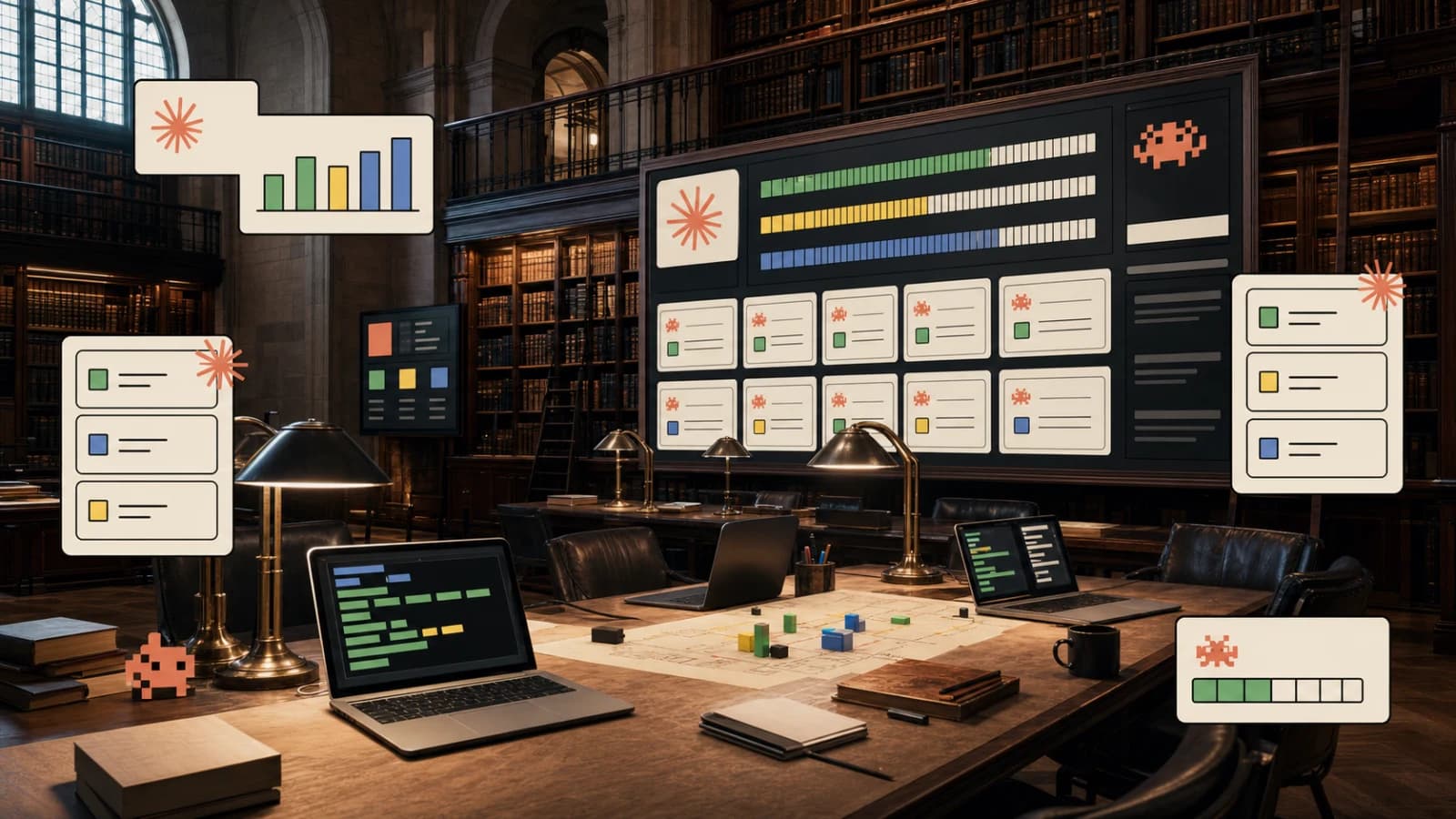
Codex app is designed around supervising concurrent agents over long tasks. OpenAI's framing is explicit: the bottleneck is no longer what agents can do, it is how humans direct and supervise many agents.
The app model favors:
- Multiple concurrent agent threads.
- Worktree isolation for parallel branch-safe work.
- Unified state across app, CLI, IDE extension, and web.
This is better if your bottleneck is coordination throughput, not single-session depth.
Security and Internet Access Model#
Codex cloud internet controls#
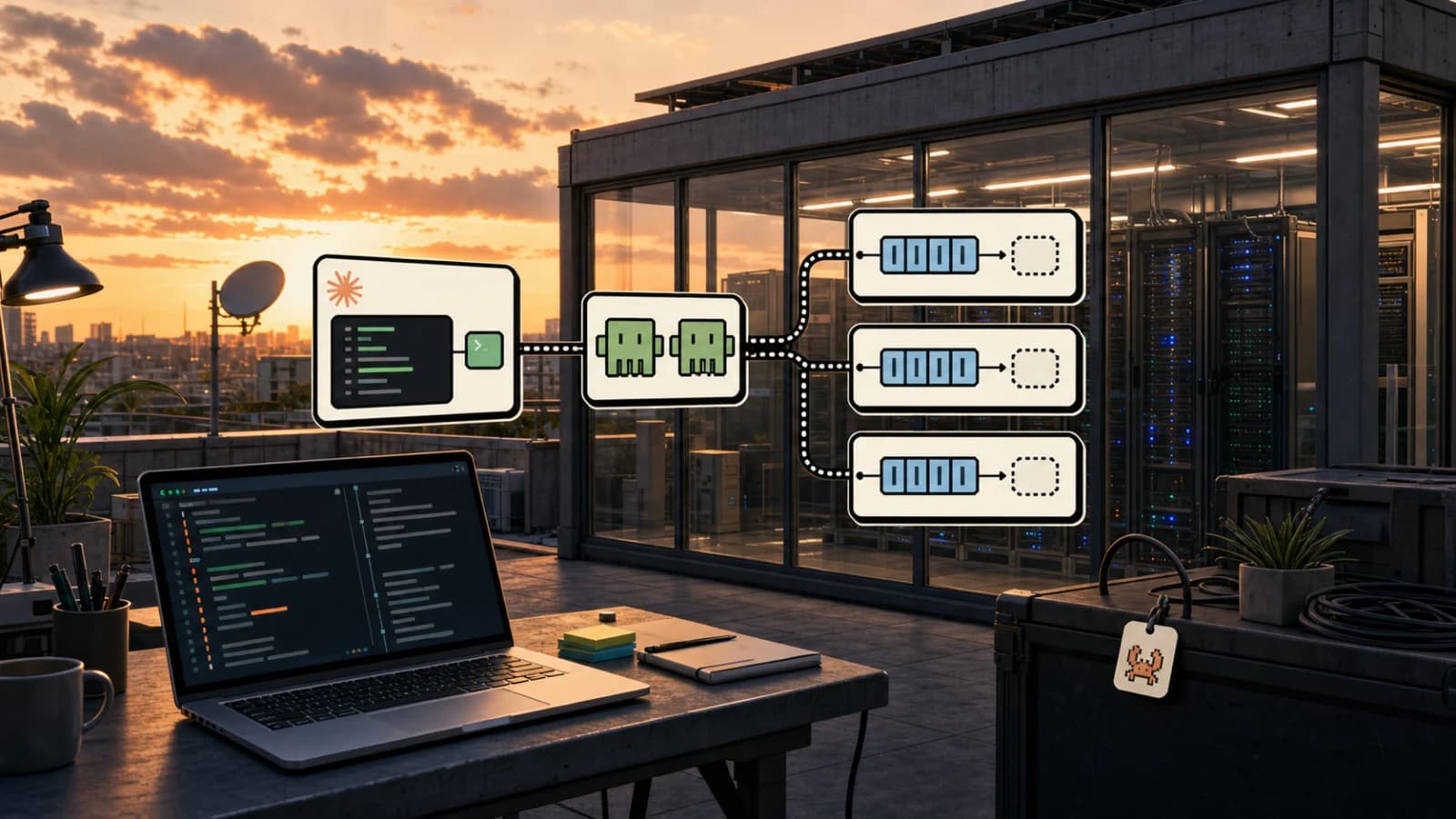
OpenAI documents that in cloud tasks:
- Agent internet is blocked by default in the agent phase.
- Setup scripts still run with internet access for dependency installation.
- Internet can be enabled per environment with domain/method controls.
OpenAI also explicitly documents prompt-injection and exfiltration risks when internet is enabled. This is a strong signal that "agent networking" is now a first-class production security concern.
Claude Code local and tool-scope controls#
Anthropic's operational controls are more tool-policy centric inside the session model:
- Subagents inherit tools by default, including MCP tools.
- Teams can explicitly constrain tool access (
tools,disallowedTools) per subagent profile. - Hook-based checks can block task completion when quality gates fail.
Net: Codex cloud docs emphasize network boundary governance. Claude Code docs emphasize tool and execution governance inside the coding session.
Pricing and Access Reality#
Claude side#
Anthropic's Max plan page currently presents:
- Max 5x: $100/month
- Max 20x: $200/month
Support docs clarify that usage limits are shared across Claude and Claude Code. They also highlight an important operational trap: if ANTHROPIC_API_KEY is set, Claude Code can route to API billing instead of subscription usage.
Codex side#
OpenAI's current help documentation says Codex is included across eligible ChatGPT plans, including Free, Go, Plus, Pro, Business, Edu, and Enterprise. Usage limits still vary by plan, and some plans can add credits or higher-usage options when they approach the agentic usage limit.
The practical implication for teams: cost predictability can diverge from list pricing based on authentication path, plan tier, credit usage, and how much work is run cloud-side vs local.
Where Each Tool Wins Right Now#
Pick Claude Code when#
- You want strict, explicit local workflow control.
- You need rich hook automation and subagent permission shaping.
- Your team already has mature terminal and repo conventions.
- You optimize for deterministic coding process over visual orchestration.
Pick Codex app when#
- You want to supervise many tasks in parallel from a single UI.
- You rely on long-running delegated workflows.
- You value app/IDE/CLI/web continuity for distributed teams.
- You want cloud-task style delegation as a default mode.
Team Pattern That Works in Practice#
Most high-performing teams do not choose one tool globally.
They split by workflow type:
- Local implementation, focused refactor loops, and policy-heavy code changes: Claude Code.
- Parallel background delegation, multi-thread work planning, and broad research/execution batches: Codex app + cloud tasks.
If you are running a serious AI coding stack in 2026, the best architecture is often dual-track.
Common Failure Modes to Avoid#
-
Treating model quality as the only decision variable. Execution model and control surface will impact throughput more than benchmark deltas for most teams.
-
Ignoring auth and billing routing. Plan entitlements and API-key behavior can change actual cost curves quickly.
-
Enabling internet access without domain/method guardrails. Both security posture and reproducibility degrade fast without policy.
-
Running parallel agents without branch/worktree discipline. Agent throughput gains disappear if merge conflicts become your new bottleneck.
Sources (Docs + Announcements)#
- OpenAI: Introducing the Codex app
- OpenAI: Introducing GPT-5.3-Codex
- OpenAI: Introducing upgrades to Codex
- OpenAI: Codex is now generally available
- OpenAI Developers: Codex cloud docs
- OpenAI Developers: Agent internet access
- OpenAI Developers: API changelog
- Anthropic Claude: Max plan pricing
- Anthropic Support: Using Claude Code with Pro/Max
- Anthropic Docs: Claude Code getting started
- Anthropic Docs: Subagents
- Anthropic Docs: Hooks
Frequently Asked Questions#
What is the main difference between Claude Code and Codex app?#
Claude Code is a local terminal agent optimized for tight feedback loops in your project directory with explicit tool control via subagents and hooks. Codex app is a desktop application designed for supervising multiple long-running agents in parallel, with cloud execution capabilities and unified state across app, CLI, IDE extension, and web interfaces.
Which is better for solo developers?#
For solo developers, Claude Code typically fits better because it emphasizes direct local collaboration in your terminal with programmable control over agent behavior. The subagent and hook systems let you shape workflows to match your conventions without managing a separate orchestration layer. Codex app's strengths in multi-agent coordination are more valuable for teams.
Can I use both Claude Code and Codex app together?#
Yes, and many high-performing teams do exactly this. The recommended pattern is using Claude Code for local implementation, focused refactor loops, and policy-heavy code changes, while using Codex app for parallel background delegation, multi-thread work planning, and broad research or execution batches. The tools address different workflow shapes rather than competing directly.
How does pricing compare between Claude Code and Codex?#
Claude Code requires an Anthropic Max plan at $100/month (5x limits) or $200/month (20x limits), with usage shared across Claude and Claude Code. Codex access is included with OpenAI Plus, Pro, Business, Edu, or Enterprise plans. Watch for the billing routing trap: if ANTHROPIC_API_KEY is set, Claude Code can route to API billing instead of your subscription.
Is internet access handled differently?#
Yes, significantly. Codex cloud tasks block agent internet by default during the agent phase (though setup scripts run with internet for dependency installation). Internet can be enabled per environment with domain and method controls. Claude Code's operational controls focus more on tool and execution governance inside the session rather than network boundary governance.
Which tool is better for parallel agent work?#
Codex app is explicitly designed for supervising concurrent agents over long tasks. It includes built-in worktree support with isolated copies per agent, making it well-suited for parallel branch-safe work. Claude Code can run subagents in parallel, but the orchestration is conversation-centric rather than having a dedicated visual operations console.
What are the main security considerations?#
For Codex, the primary concern is internet access governance - OpenAI explicitly documents prompt-injection and exfiltration risks when internet is enabled. For Claude Code, security focuses on tool-policy controls: subagents inherit tools by default (including MCP tools), so teams should explicitly constrain tool access via tools and disallowedTools configuration per subagent profile.
Which should I choose if I already use the terminal heavily?#
If you have mature terminal and repo conventions, Claude Code is the natural fit. Its local runtime model, explicit hook automation, and subagent permission shaping work well with existing CLI workflows. Codex app provides more value when you want visual orchestration and cross-platform state continuity (app, IDE, CLI, web) over pure terminal operation.
Get the next comparison like this in your inbox
One email a week on Claude Code and the rest of the AI dev stack. Free.
Read next on Claude Code
What Is Claude Code? The Complete Guide for 2026
Claude Code is Anthropic's AI coding agent for terminal, IDE, desktop, and browser workflows. Learn what it does, how it works, pricing, setup, MCP, skills, hooks, and subagents.
15 min readOpenAI Codex: Terminal and Cloud AI Coding Agent
Codex works from the terminal, cloud tasks, IDEs, GitHub, Slack, and Linear. Here is how to use it and how it compares to Claude Code.
5 min readCursor vs Codex: IDE Agent vs Terminal and Cloud Agent for TypeScript
Cursor is editor-first. Codex is terminal, cloud, and PR-first. Here is when to use each for TypeScript projects.
5 min readTechnical content at the intersection of AI and development. Building with AI agents, Claude Code, and modern dev tools - then showing you exactly how it works.