Infrastructure
B
Biome
Fast Rust-based formatter and linter for JavaScript and TypeScript. One tool replaces Prettier and ESLint with sub-second runs on large repos.
Try BiomeVisit biomejs.devbiomejs.dev
Share
Biome is a Rust-based toolchain for web frontends. It formats and lints JavaScript, TypeScript, JSX, JSON, and CSS, and it does it roughly 25x faster than Prettier plus ESLint. The configuration model is a single biome.json with sane defaults, and migration tools convert existing Prettier and ESLint configs. The trade-off versus the legacy stack is a smaller plugin ecosystem; Biome ships its rules in-tree. For teams hitting lint and format speed walls on big monorepos, Biome is an immediate quality-of-life upgrade.
Biome at a glance
Last verified
- Pricing
- Free and open source (MIT or Apache-2.0)
- Install
npm i -D -E @biomejs/biomepnpm add -D -E @biomejs/biomebrew install biome- Models
- Not an AI tool: a formatter and linter for JavaScript, TypeScript, JSX, JSON, CSS, GraphQL, and HTML, including Vue, Svelte, and Astro files, extensible with GritQL plugins. Runs from the CLI, editor LSP integrations, or the official Docker image.
- Recent changes
- v2.5.15 adds nursery rules including useStrictBooleanExpressions, useLogicalProperties, and noSvelteExportLet, fixes Astro and HTML formatting, and speeds up the HTML formatter and big-file analysis.
- v2.5.14 adds noReturnInFinally, noSvelteAtDebugTags, and useValidTestTitle nursery rules and fixes source.fixAll.biome and Astro fragment handling.
- v2.5.13 adds useLayeredStyles, useBetterDomTraversing, and noXorAsExponentiation nursery rules and improves type-aware lint and formatter performance.
Sources: Install Biome, Biome blog, Biome v2.5 announcement, biomejs/biome releases, biomejs/biome Cargo.toml (license)
Similar Tools
Infrastructure
E
ESLint
The standard JavaScript and TypeScript linter. Massive plugin ecosystem, framework-specific configs, and integration with every editor.
Infrastructure
Bun
All-in-one JavaScript runtime, bundler, test runner, and package manager. Rewritten in Rust as of Bun 1.4 (August 2026), drop-in compatible with Node, dramatically faster install and start times.
Infrastructure
N
Node.js
The original server-side JavaScript runtime. V8 under the hood, npm ecosystem, and the default backend runtime for most production deployments.
Infrastructure
Deno
Secure-by-default JavaScript and TypeScript runtime from Node's original creator, with built-in TypeScript, fmt, lint, and test. The Deno team joined Cloudflare in October 2026: the runtime gets one more year of bug-fix and security releases, and Deno Deploy shuts down six months after the announcement.
Get started with Biome
Fast Rust-based formatter and linter for JavaScript and TypeScript. One tool replaces Prettier and ESLint with sub-second runs on large repos.
Try BiomeGet weekly tool reviews
Honest takes on AI dev tools, frameworks, and infrastructure - delivered to your inbox.
Subscribe FreeMore Infrastructure Tools

Vercel
Deployment platform behind Next.js. Git push to deploy. Edge functions, image optimization, analytics. Free tier is generous.
C
Coolify
Self-hosted PaaS for deploying apps, databases, and services. Git-based deploys, Docker support, preview environments, and a clean UI.

Convex
Reactive backend - database, server functions, real-time sync, cron jobs, file storage. All TypeScript. This site's backend (courses, videos, user data) runs on Convex.
Related Guides
Guide
MCP Servers Explained
What MCP servers are, how AI clients like Claude Code call their tools, how to add one through .mcp.json, and how to build your own in TypeScript.
AI AgentsGuide
Building Your First MCP Server
Step-by-step guide to building an MCP server in TypeScript - from project setup to tool definitions, resource handling, testing, and deployment.
AI AgentsRelated Posts

6 min read
News
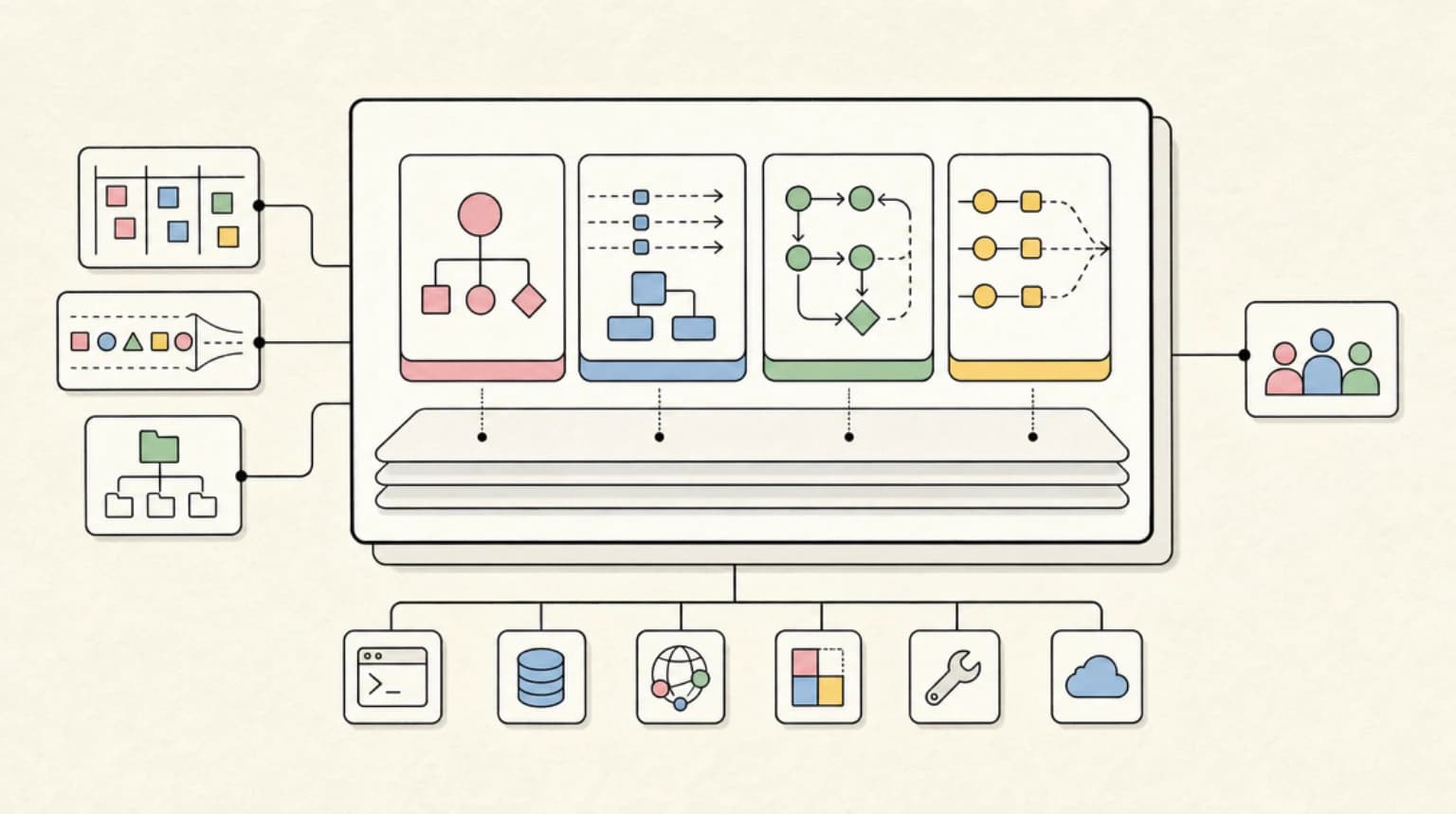
Bun Rewrites 535K Lines of Zig to Rust in 11 Days Using Claude
Bun rewrote 535K lines of Zig to Rust in 11 days with Claude. What the port fixed, what it cost, and what HN thinks it m...
8 min read
News
Deno Desktop Lets You Build Native Apps with TypeScript
Deno Desktop in Deno 2.9 compiles TypeScript projects into native apps with a system WebView or bundled Chromium. How it...

9 min read
Anthropic
Claude API 2026-10-21: Breaking Changes and SDK Migration
Claude API version 2026-10-21 removes temperature, top_p and top_k, and new major SDKs (TypeScript 1.0, Python 2.0) send...
13 min read
Embeddings
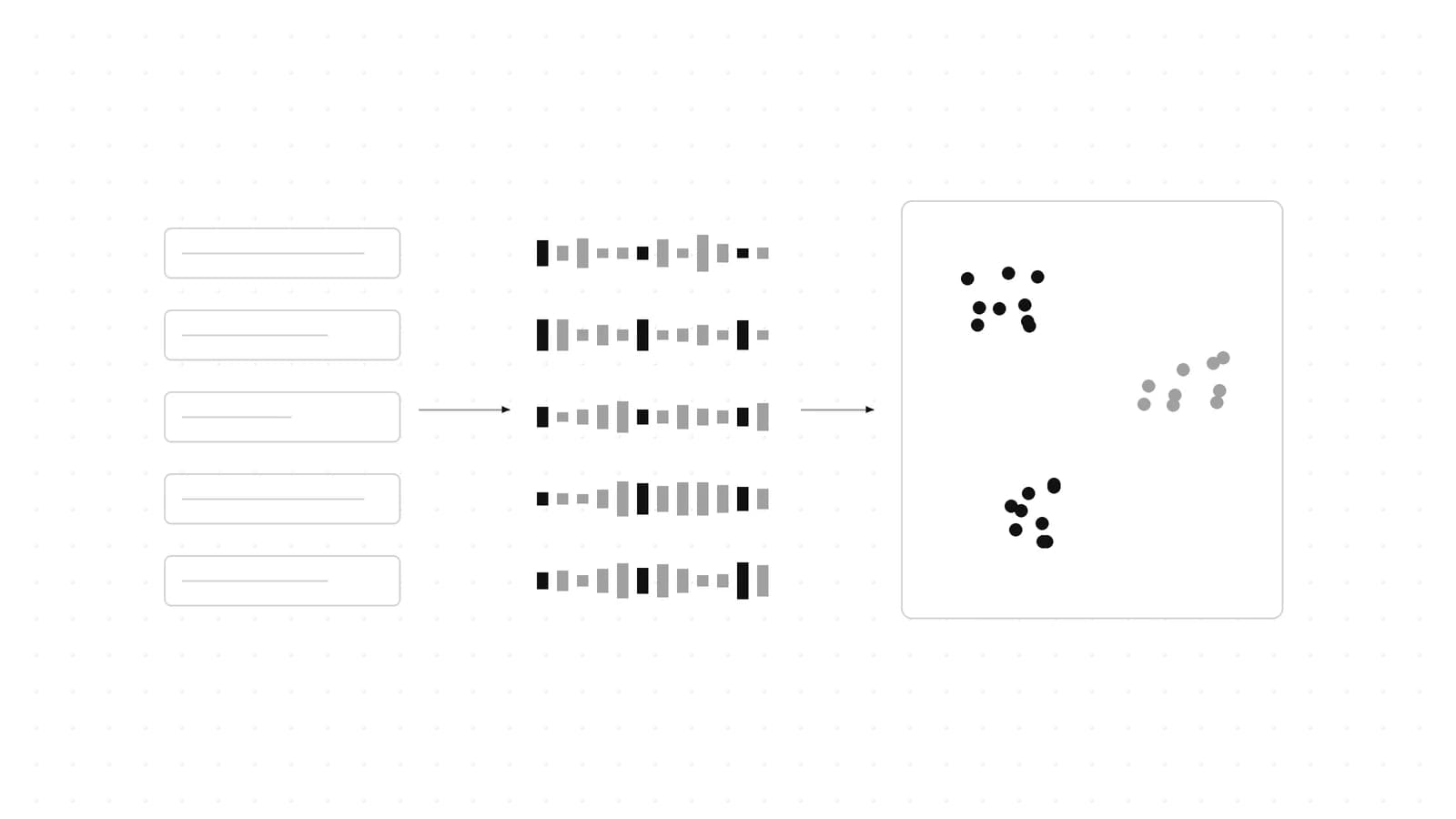
Which Embedding Model Should You Use in 2026? Specs Compared
Which embedding model to use in 2026: 20+ API and open-weight models compared on price per 1M tokens, dimensions, max in...
13 min read
MCP
MCP Client Features: Sampling, Elicitation and Roots Explained
MCP sampling, elicitation and roots explained against the 2026-07-28 spec, with JSON-RPC examples and which of 24 client...
13 min read
AI Models
Structured Outputs Across AI APIs: OpenAI, Claude, Gemini (2026)
97 of 167 models we track enforce a JSON schema on output. Request shapes, schema limits and refusal handling for OpenAI...
Try the member tools free

Get Smarter About AI Dev
New tutorials, open-source projects, and deep dives on coding agents - delivered weekly.
One email per weekReal code, not theoryFree forever