Claude Code Projects: Coordinator, Threads, and Limits
TL;DR
Claude Code Projects is open to every waitlisted Pro and Max user. How the coordinator and cloud threads work, what it costs in plan limits, and where it breaks.
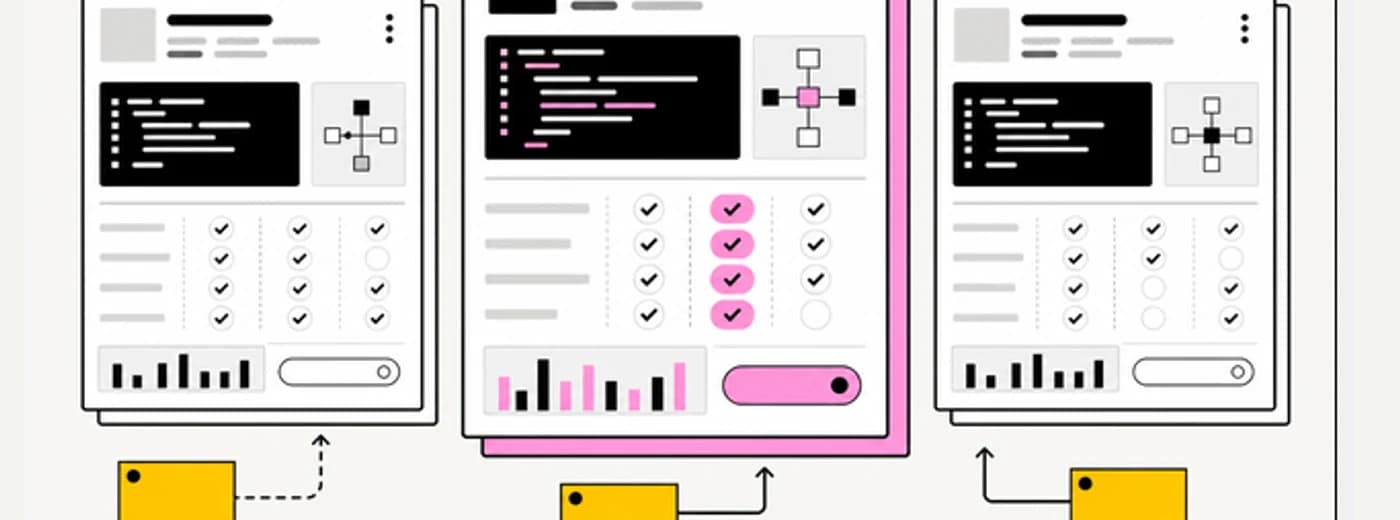
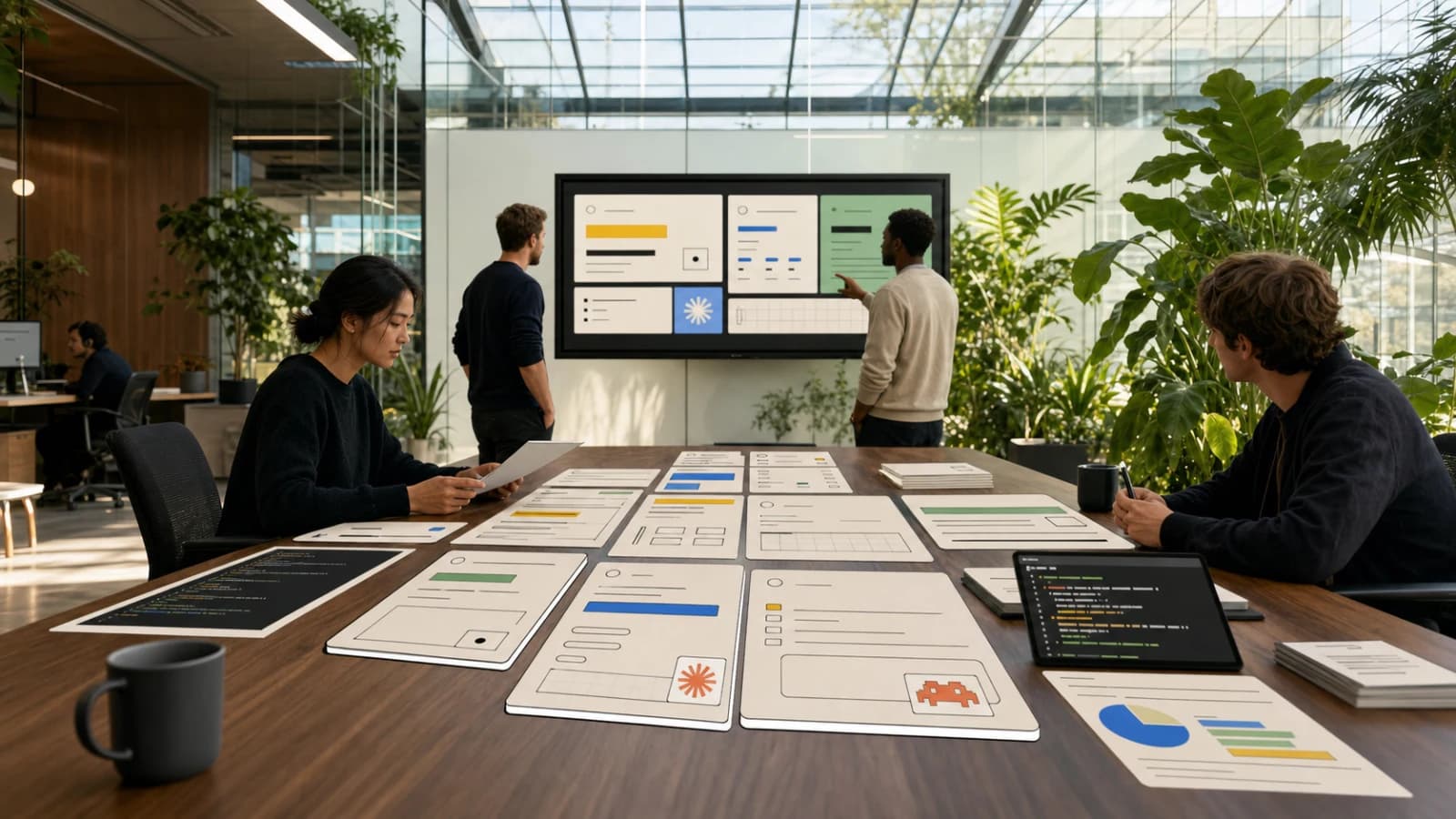
Claude Code Projects is now open to every Pro and Max subscriber who was on the waitlist. A project turns Claude Code from "one session you drive" into "a goal you hand to a coordinator that runs parallel cloud threads, one per branch". If you already run several Claude Code sessions by hand, this is the managed version of that habit - and it burns plan limits faster than a single session does.
Last updated: October 13, 2026 - checked against Anthropic's launch article and the October 9 rollout announcement as summarized by daily.dev. The beta is moving; re-read the launch page before you plan around any limit.
What Anthropic says a project is#
Anthropic's launch article, published September 17, 2026, describes the change plainly: in a Claude Code project you describe what needs doing and Claude "scopes the request, delegates the work, coordinates parallel threads, reviews the outputs, and assembles the finished result". You pick a goal plus a repo or context, and you can configure the project's cloud environment, connectors, plugins, instructions and model.
The mechanics worth knowing, all from that article:
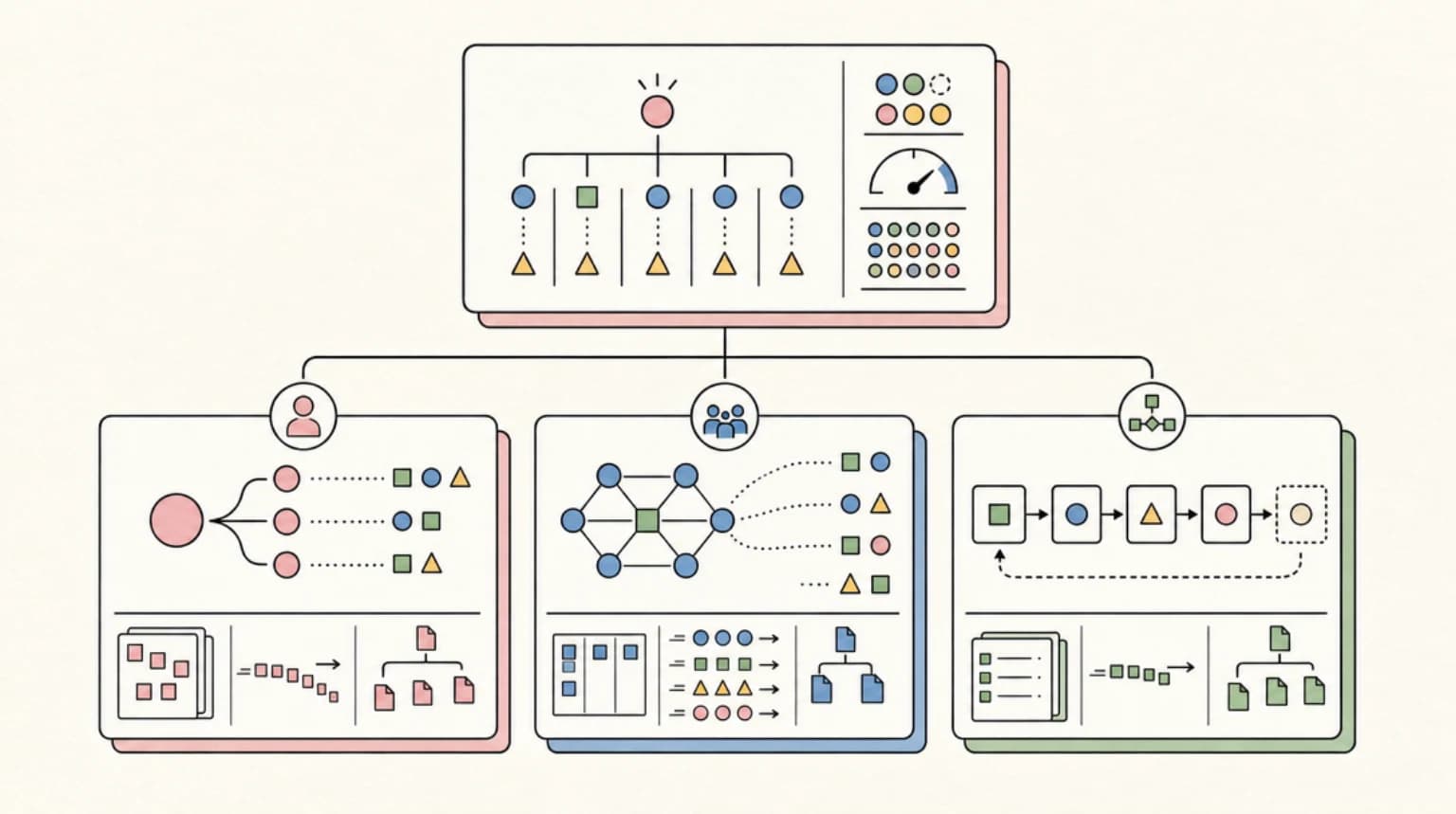
- Threads do the work, a coordinator directs them. Each thread is a Claude Code cloud session working on its own branch and copy of the repo.
- Overlap is a merge conflict. If two threads touch the same code, it resolves like any other PR conflict, not as a silent overwrite.
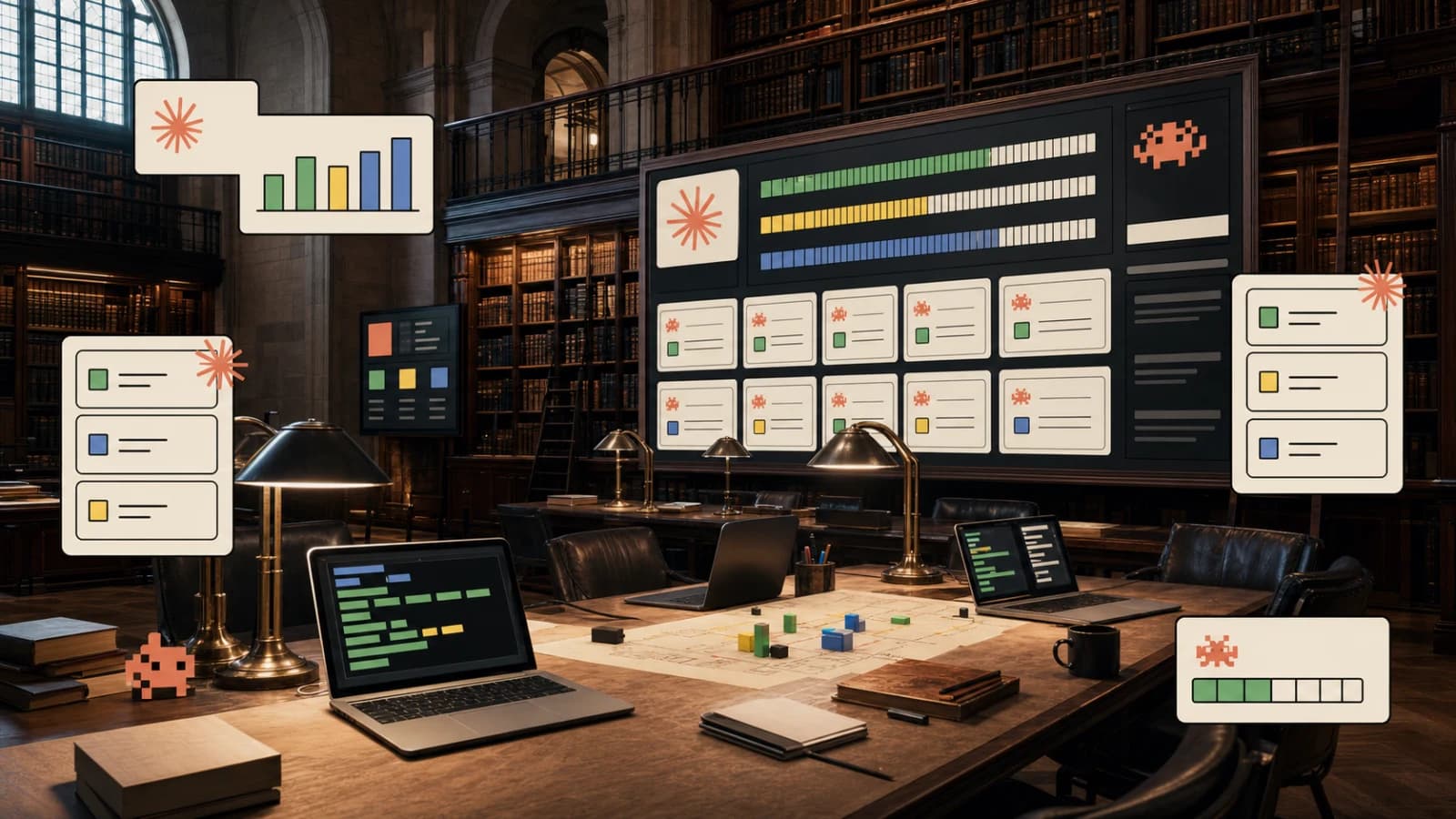
- Shared memory. Every thread adds to and draws from one project memory, so a decision made in one task (Anthropic's example: the release moved to Friday) can shape later ones without re-prompting.
- A library. Files you add and artifacts Claude produces are collected in one place for later threads to build on.
- Threads can fan out. Each thread can split its work further with subagents, loops and workflows.
- Scope today. Threads run in the cloud only. Anthropic says local execution, next to your tools and behind your network, is "coming very soon".
The rollout then went in stages. The beta opened to select Pro and Max users who use cloud sessions and had no existing projects on web or desktop. On October 9, the ClaudeDevs account said everyone on the waitlist was in, according to daily.dev's summary. Team and Enterprise plans come later, per the launch article. Treat the October 9 date as secondhand; I could not open the original post.
The angle: it is a scheduler, and the plan is the budget#
The useful way to read this is not "a new feature" but "Anthropic now sells the orchestration layer you used to build yourself". Until now, running five agents on five branches meant worktrees, a tmux layout and your own bookkeeping, and the choice between subagents, agent teams and workflows was yours. A project makes that choice for you and hosts it.
That has a strategic edge. The coordinator, the shared memory and the library all live on Anthropic's side, which is convenient and also a form of lock-in: your project context is not a folder you can move to another harness. One r/ClaudeAI poster framed exactly that worry, asking whether the new Code features are innovation or ecosystem lock-in. It is an opinion, not a measurement, but it names the real trade: you gain a hosted memory and give up portability.
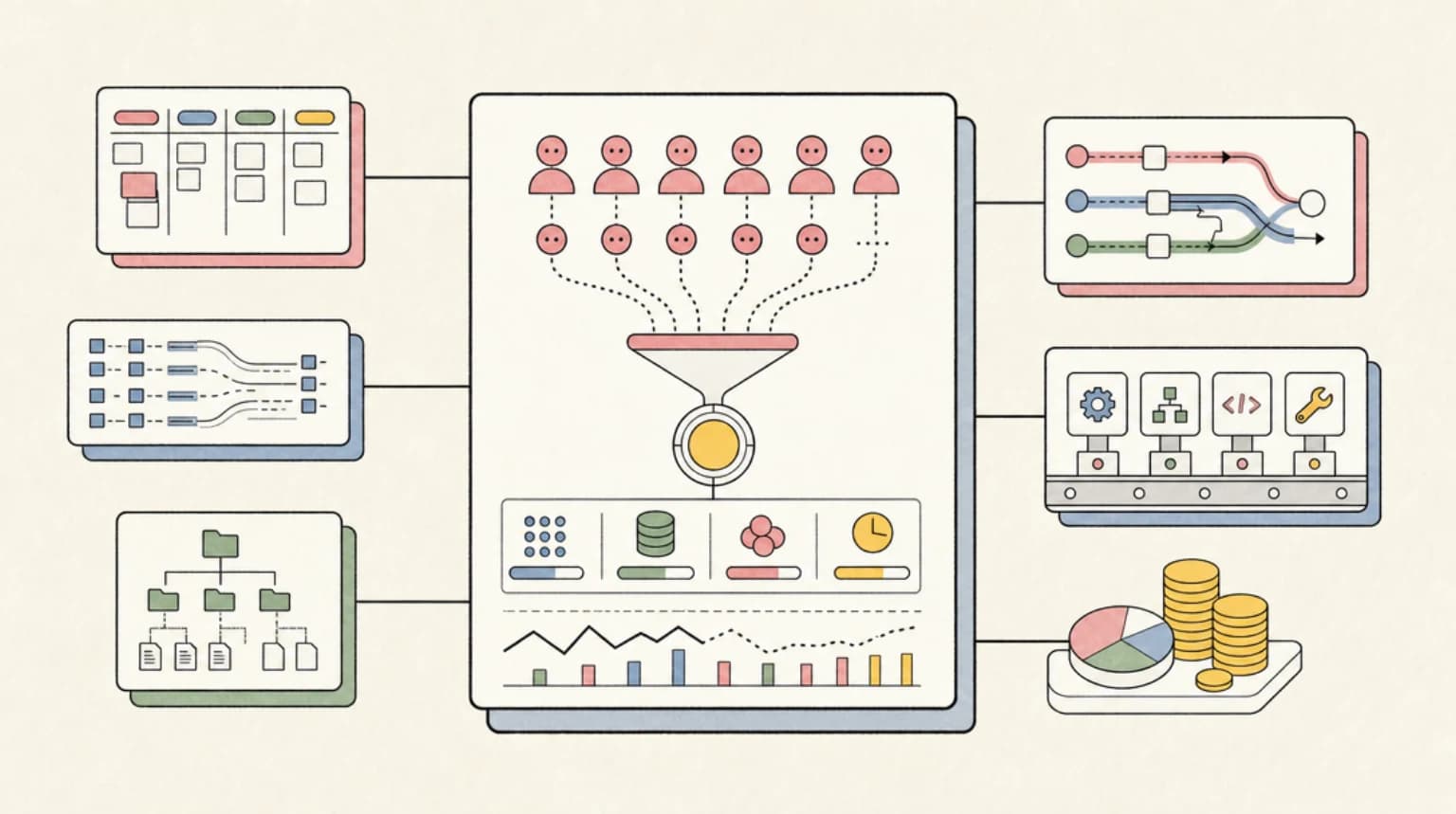
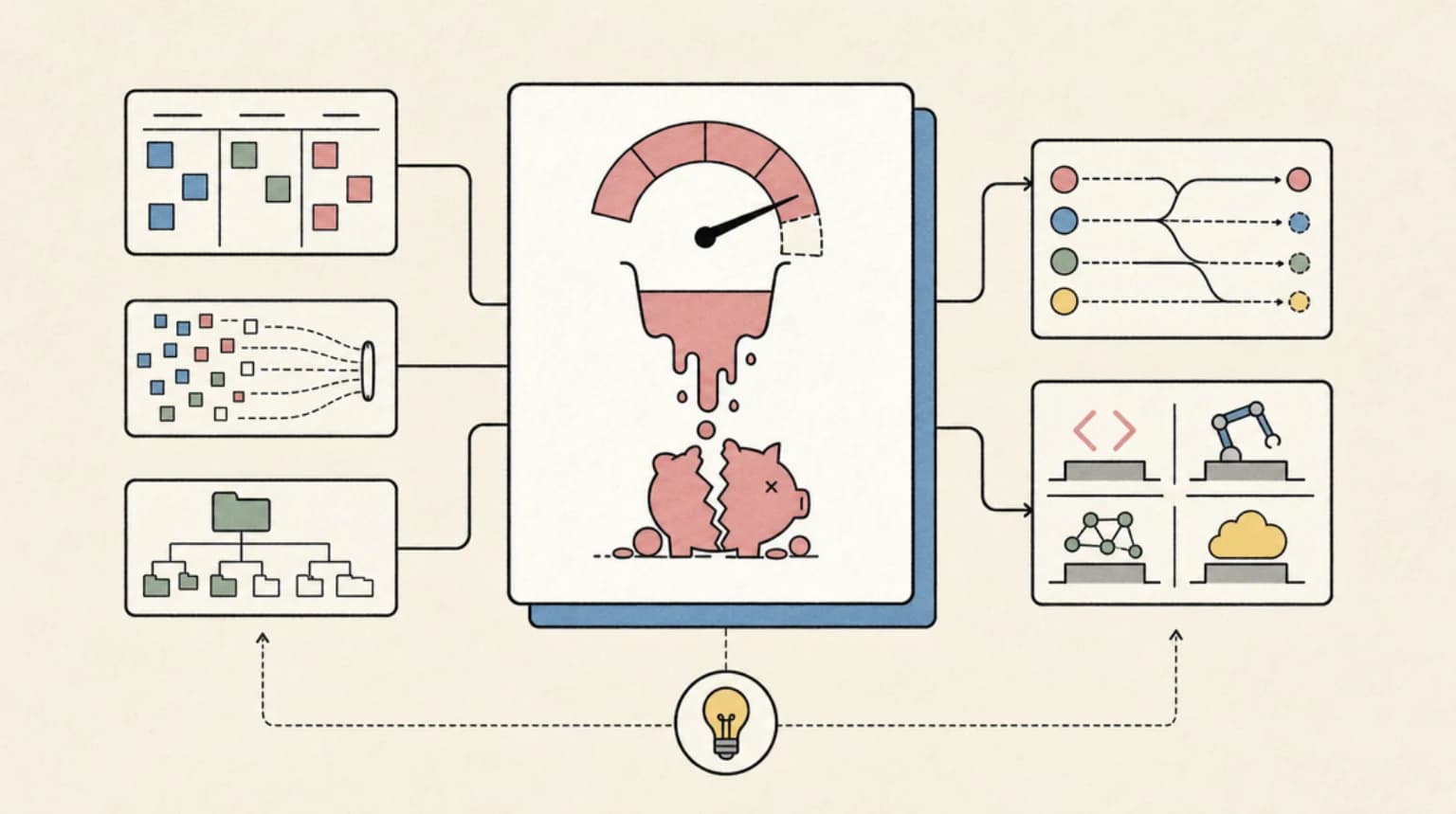
The cost side is the part to plan around. Anthropic's own wording is that because each thread is a full Claude Code session, projects "can reach usage limits faster". Our fleet cost math shows why: parallel agents multiply token burn roughly in line with thread count. Our usage limits playbook covers the plan-side ceilings. The practical lever Anthropic gives you is a model and effort setting for the coordinator and, separately, for the workers.
What a builder does Monday#
This is a workflow, not a verified command - the product is a UI, and I have not run it. The setup below follows the launch article's own examples.
- Pick a goal that splits cleanly. Anthropic's examples are cutting a checkout endpoint's p75 latency by profiling each endpoint in parallel threads, or retiring a deprecated v1 endpoint across API, web and mobile repos with one thread per repo. Work that shares files will turn into merge conflicts you resolve by hand.
- Set the cheap defaults first. Put the coordinator on a strong model and the workers on a cheaper one, if the picker offers it for your plan. Our Haiku 5.5 guide covers when the small model is enough.
- Write the project instructions once. This replaces repeating context per session, which is the habit that makes single sessions drift.
- Watch usage on day one. Check the project-specific usage view before you leave a batch running overnight.
- Keep the cloud boundary in mind. Anything that needs your local network, secrets or tools waits for the local mode Anthropic has only promised.
If you are choosing between this and the chat-first product, our Cowork vs Claude Code comparison still frames the split.
What people are actually saying#
The reaction is mixed and mostly practical.
- Enthusiasm from heavy users. daily.dev's roundup reports that shadcn said most of what they do in Claude Code now happens in Projects, and notes early adopters liking the persistent context and cross-repo coordination. Its sentiment tag (roughly half positive, a third mixed) is the aggregator's own and unaudited.
- Workflow reports. In a thread on what people use the new Projects for, one user described pinning four principal threads for a single build and letting threads talk to each other.
- Control complaints. In another r/ClaudeAI thread, a user said you can no longer create threads manually and that Claude has to suggest them, which they found restrictive.
- Wrong fit outside code. A thread about the chat and Cowork rollout argued the new model suits Claude Code but is poor for plain chat projects.
- Open questions. Per daily.dev, commenters probed merge-conflict handling, approval friction and the cloud-only and secrets limits - the same limits Anthropic lists as coming work.
The counter-case to the hype is simple: a coordinator that decides when threads exist is a feature if you trust it and a leash if you do not, and every reply above is one person's setup, not a benchmark.
The read#
Projects is the first time Anthropic has productized the "run many Claude Code sessions" pattern with shared memory and a coordinator on top. If your work is a stream of related, separable tasks across repos, it removes real bookkeeping. If you work on one tightly coupled codebase, the extra threads mostly add merge conflicts and limit burn. Either way, measure usage for a few days before you commit a team to it, and keep your project context somewhere you own.
Continue Reading#
- Subagents vs Agent Teams vs Workflows - the parallelism primitives a project sits on top of
- Claude Code Usage Limits Playbook - staying inside plan limits
- What a Fleet of Claude Agents Actually Costs - why parallel threads burn limits
- Git Worktrees + Claude Code - the do-it-yourself version of parallel branches
- Claude Cowork vs Claude Code - which Claude product fits which job
Sources#
- Projects redesigned: from folder to conversation - Anthropic, September 17, 2026, read October 13, 2026
- Claude Code Projects opens to Pro and Max users - daily.dev, summary of the October 9 ClaudeDevs announcement
- r/ClaudeAI: What is everyone using the new Projects for?
- r/ClaudeAI: Question for those using the new Projects Beta
- r/ClaudeAI: New Projects rolling out for Chat and Cowork
- r/ClaudeAI: Are the new Code features about innovation or ecosystem lock-in?
Get the next deep dive like this in your inbox
One email a week on News and the rest of the AI dev stack. Free.
Read next on Claude Code
Subagents vs Agent Teams vs Workflows: Claude Code's Parallelism Primitives, Compared
Claude Code subagents vs agent teams vs workflows: who holds the plan, the hard limits (16 concurrent, 1,000 agents per run), and which primitive fits your task.
9 min readClaude Code Usage Limits in 2026: The Practical Playbook for Pro and Max Teams
A practical operational guide to Claude Code usage limits in 2026: plan behavior, API key pitfalls, routing choices, and team controls using hooks and subagents.
9 min readWhat a Fleet of Claude Agents Actually Costs (July 2026 Math)
Claude Code parallel agents cost real money because every session draws from one quota - here is the July 2026 budgeting math, verified against live pricing.
10 min readTechnical content at the intersection of AI and development. Building with AI agents, Claude Code, and modern dev tools - then showing you exactly how it works.