11 min read
Approve Effects, Not Invocations
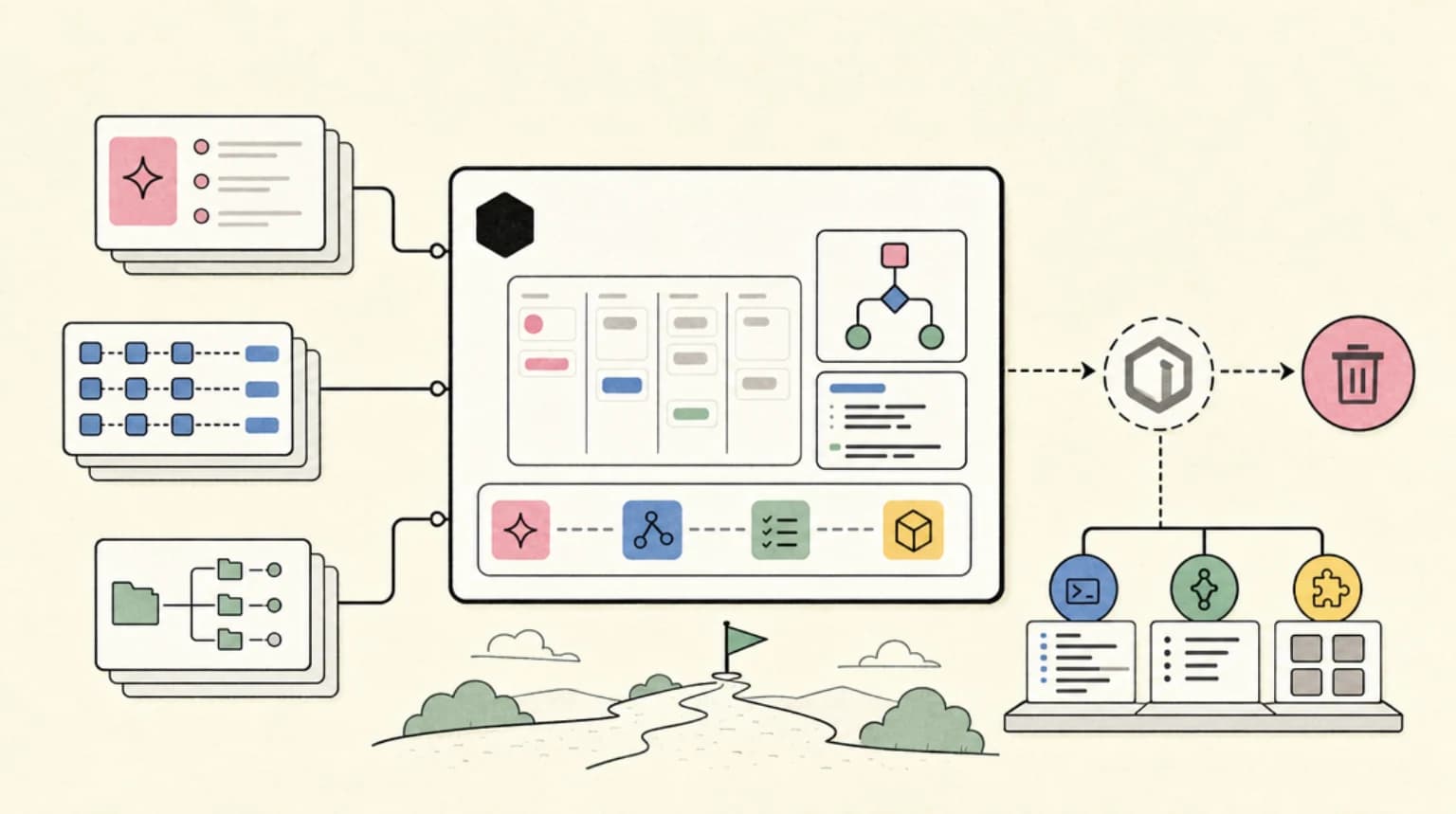
Approve effects, not invocations: why agent approval records miss harm in install hooks and skill combinations, and why pipelines need closure metrics.
57 articles
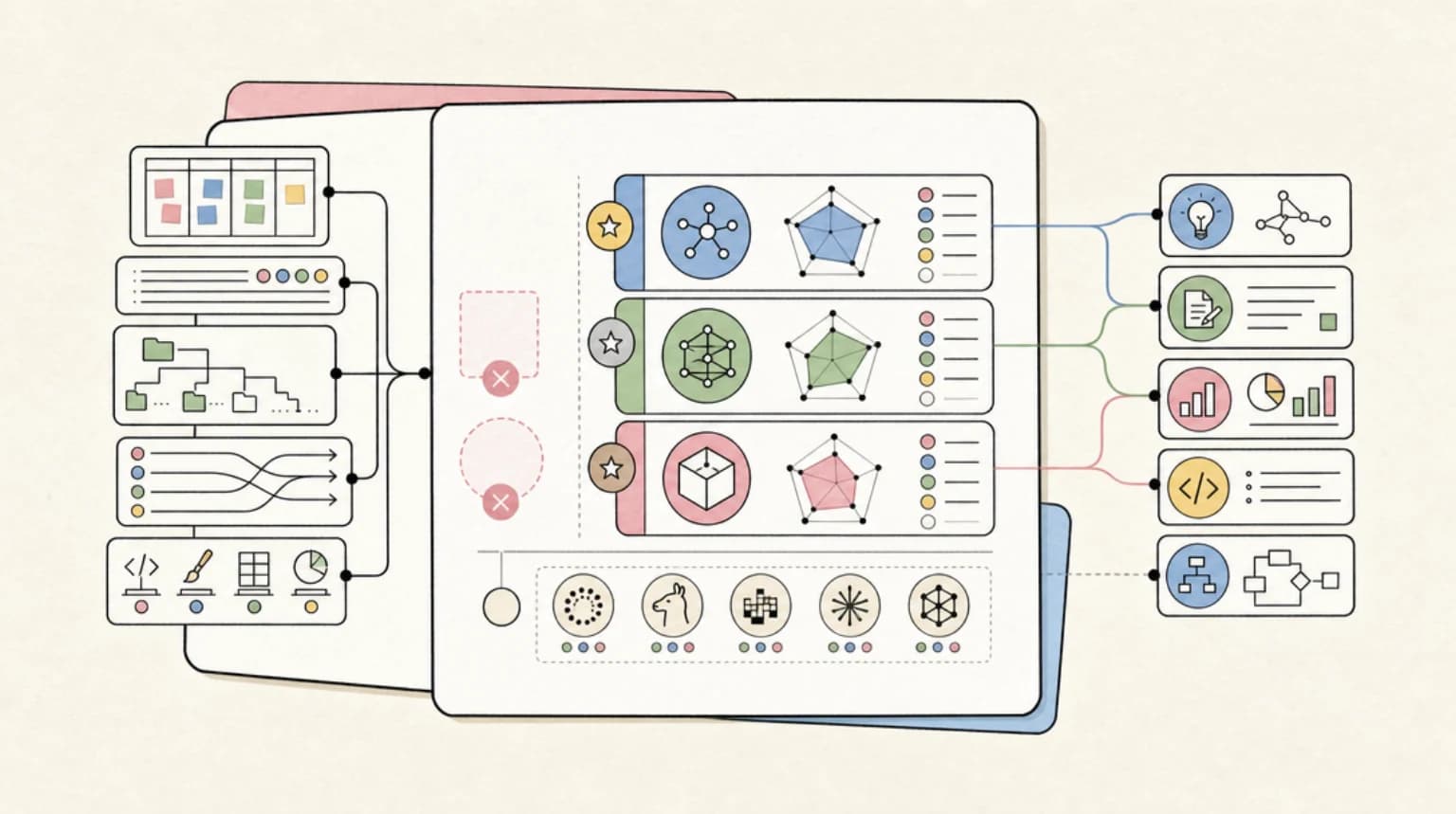
The text agents read is a control surface: bad MCP error messages cost more on stronger models, and context hygiene gains value with every model upgrade.
Approve effects, not invocations: why agent approval records miss harm in install hooks and skill combinations, and why pipelines need closure metrics.
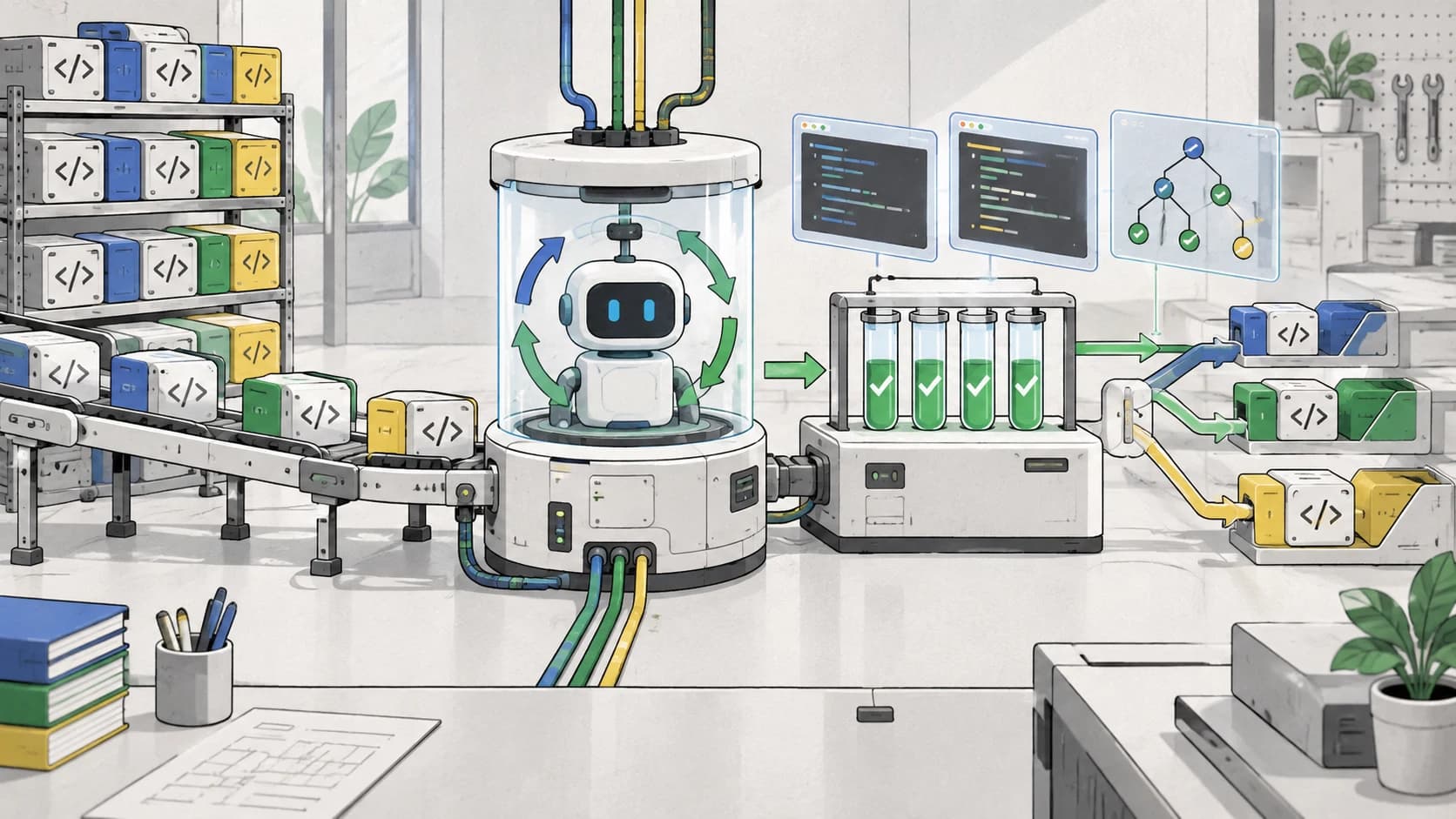
CodeMidas turns existing repository code into executable coding-agent RL tasks, tests, and verifiers, instead of relying on issues, commits, or hand labels.
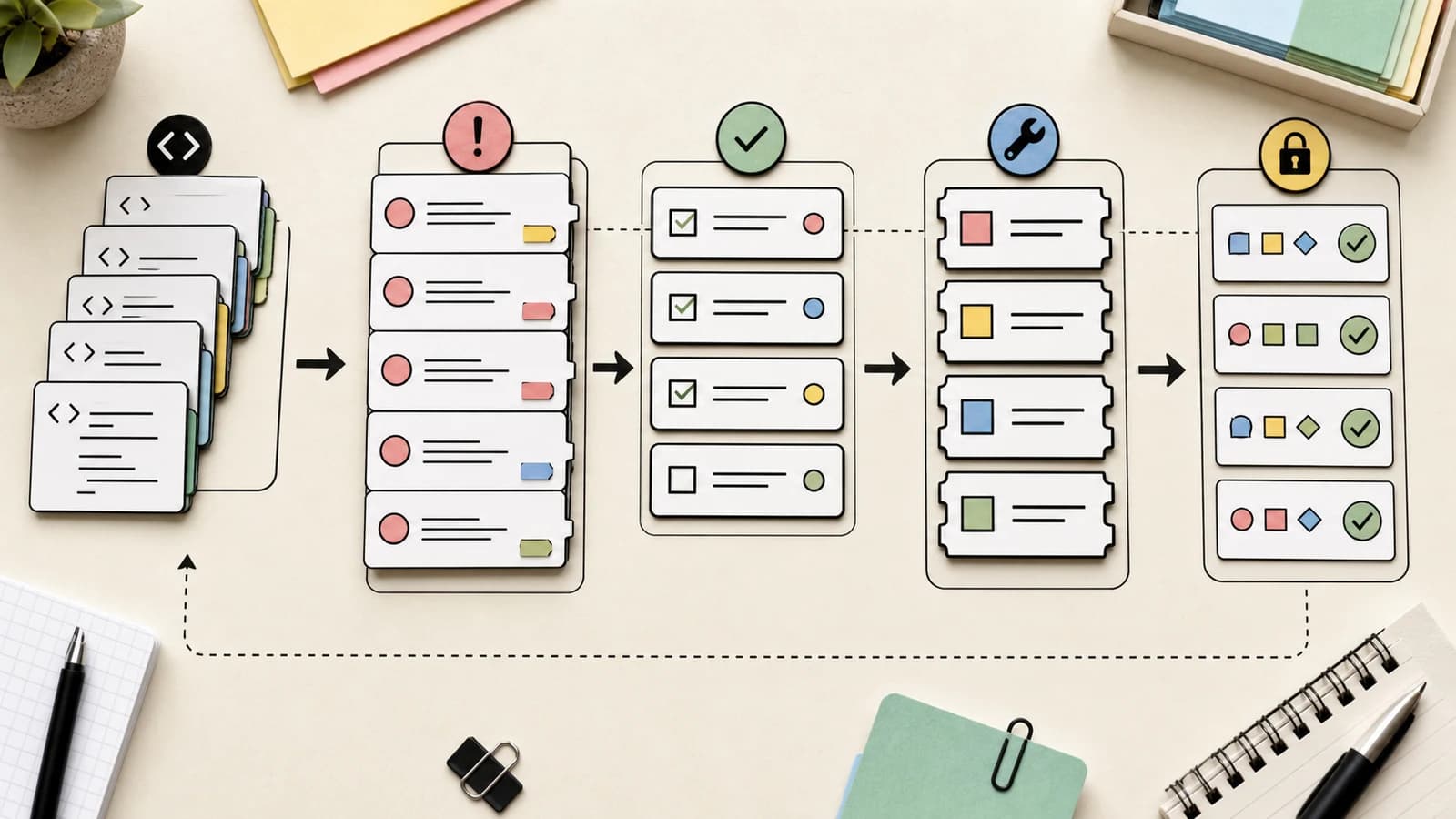
An agent's report on its own run is unreliable, and eight studies show why. The fix: append-only traces, obligation ledgers, and records the agent cannot write.

AI scribe audits show omission is the dominant error, and LLM judges are near coin-flip at catching it. The fix: enumerate the facts, then check each one.
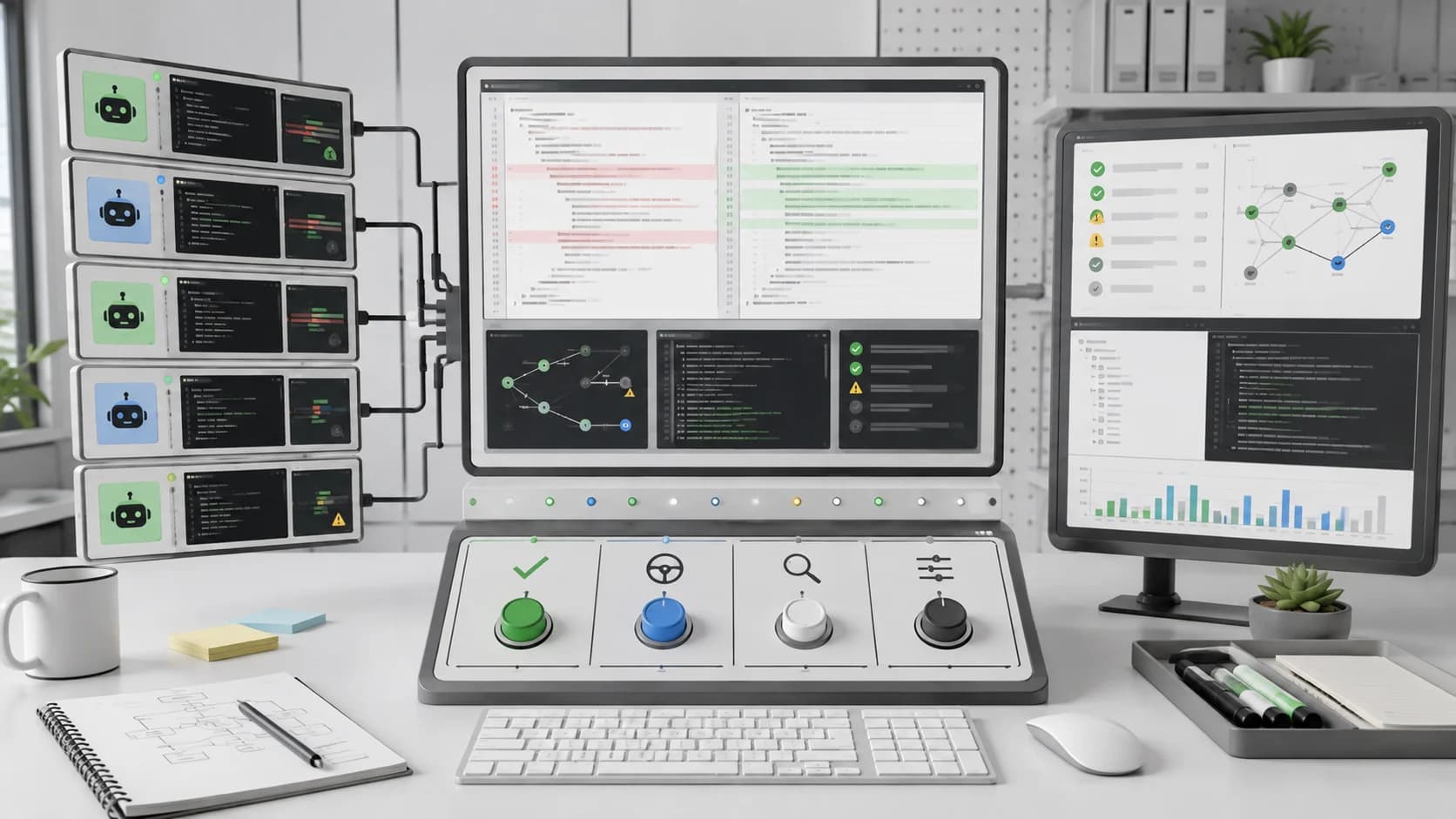
Coding agents need better human loops: a position paper argues agent research over-optimizes solo autonomy while developers need to steer and verify agents.
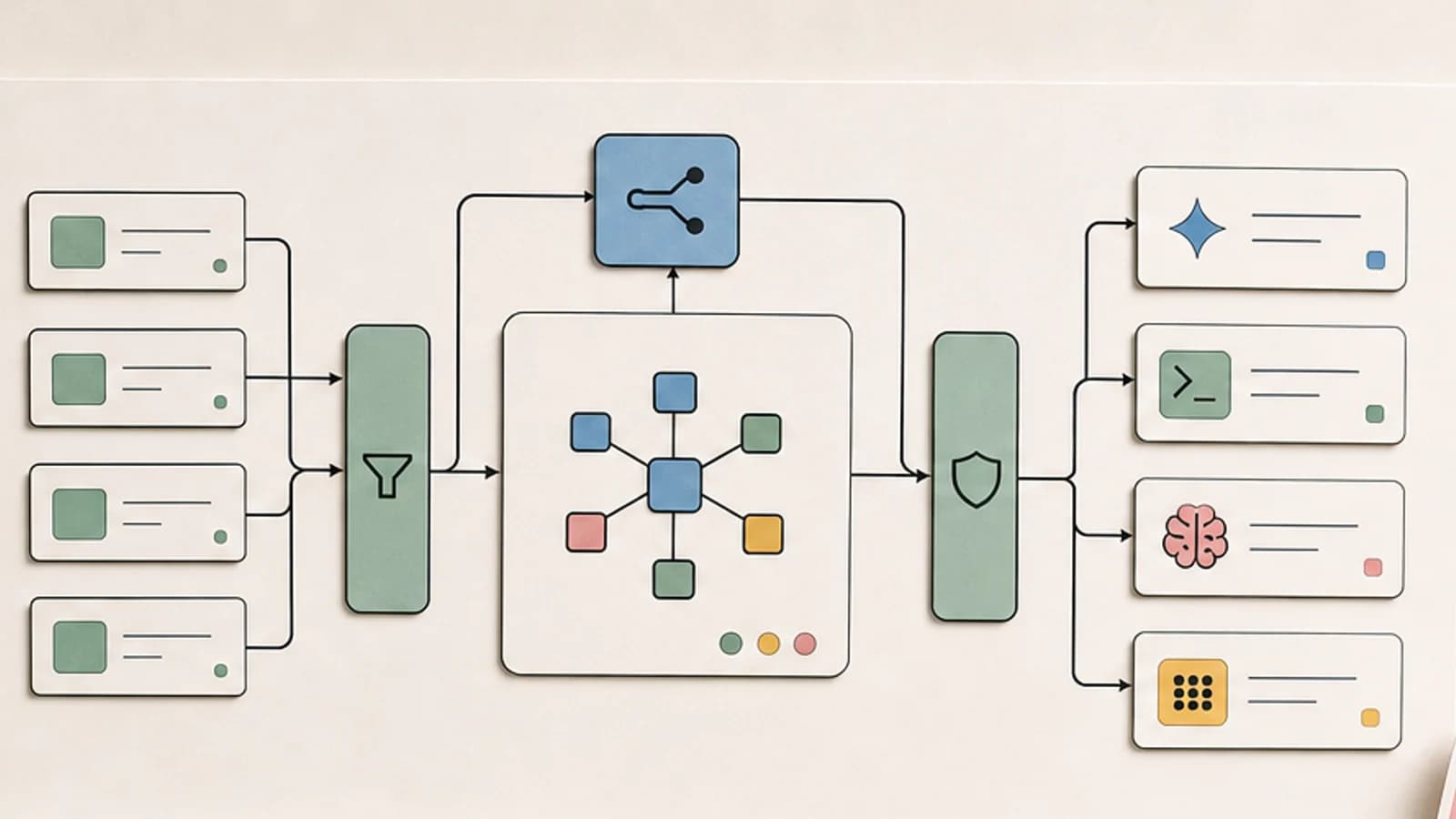
Agent instruction following collapses past five or six simultaneous constraints. Why rules also die in compaction and handoffs, and why side channels help.
AI agents often claim completion they did not earn. New benchmarks measure the gap, and evidence-carrying termination makes done a checked artifact.
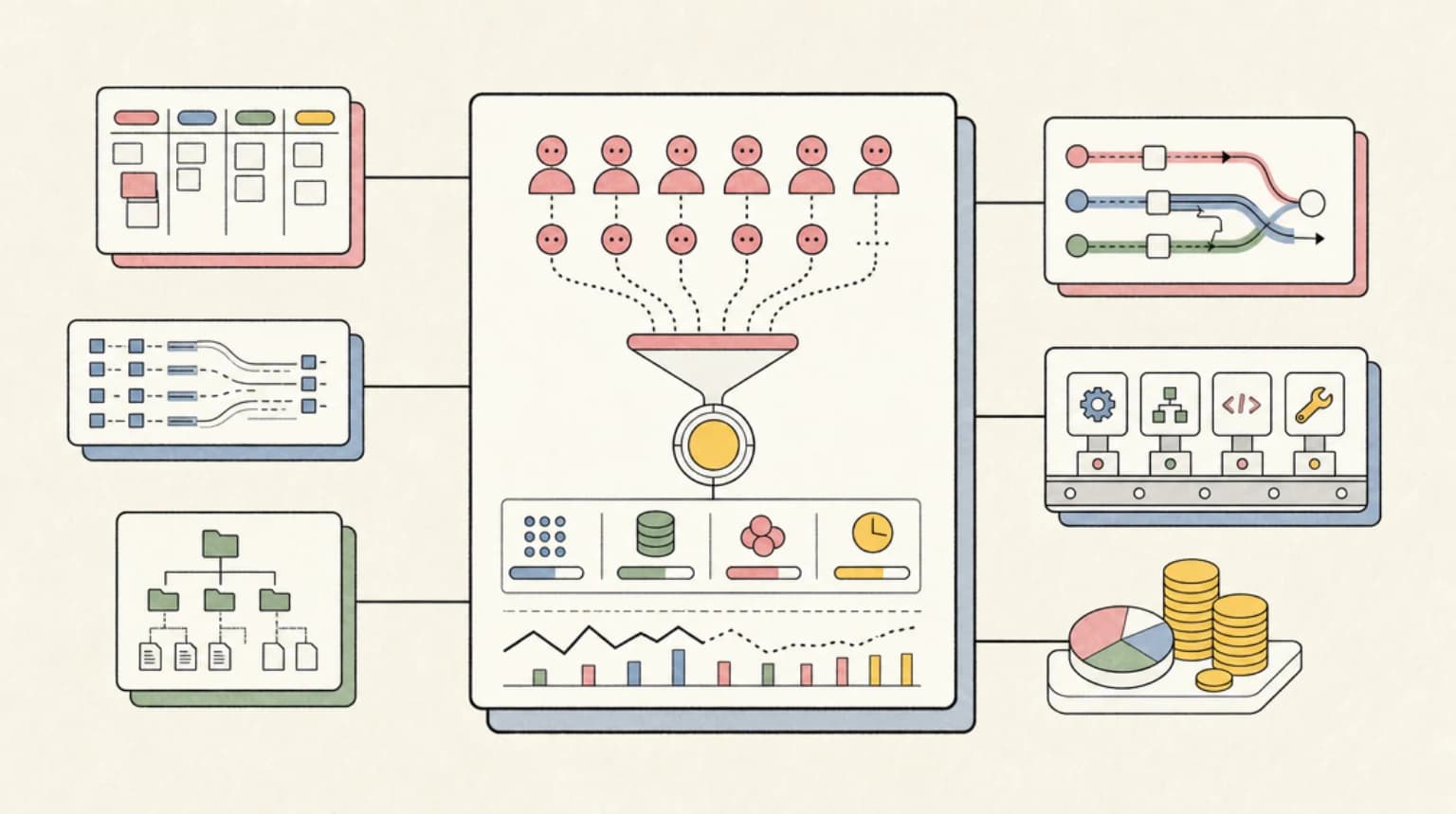
Agent model compression has a hidden tax: quantized and pruned agents lose knowledge first and stay confidently wrong. Why cheaper agents start at the cache.
Self-improving test generation loops can grade against an oracle that agrees with itself. An audit shows the inflated gain and why independent checks count.

LLM judges flip verdicts under pushback and rankings shift with token budget. The design spec for a judge system, including cheap deliberating juries.

DeepSeek Harness (dsh) code read: a 453K-line plugin runtime on a vendored Cordis fork, three patterns worth stealing, and the gaps the launch does not mention.
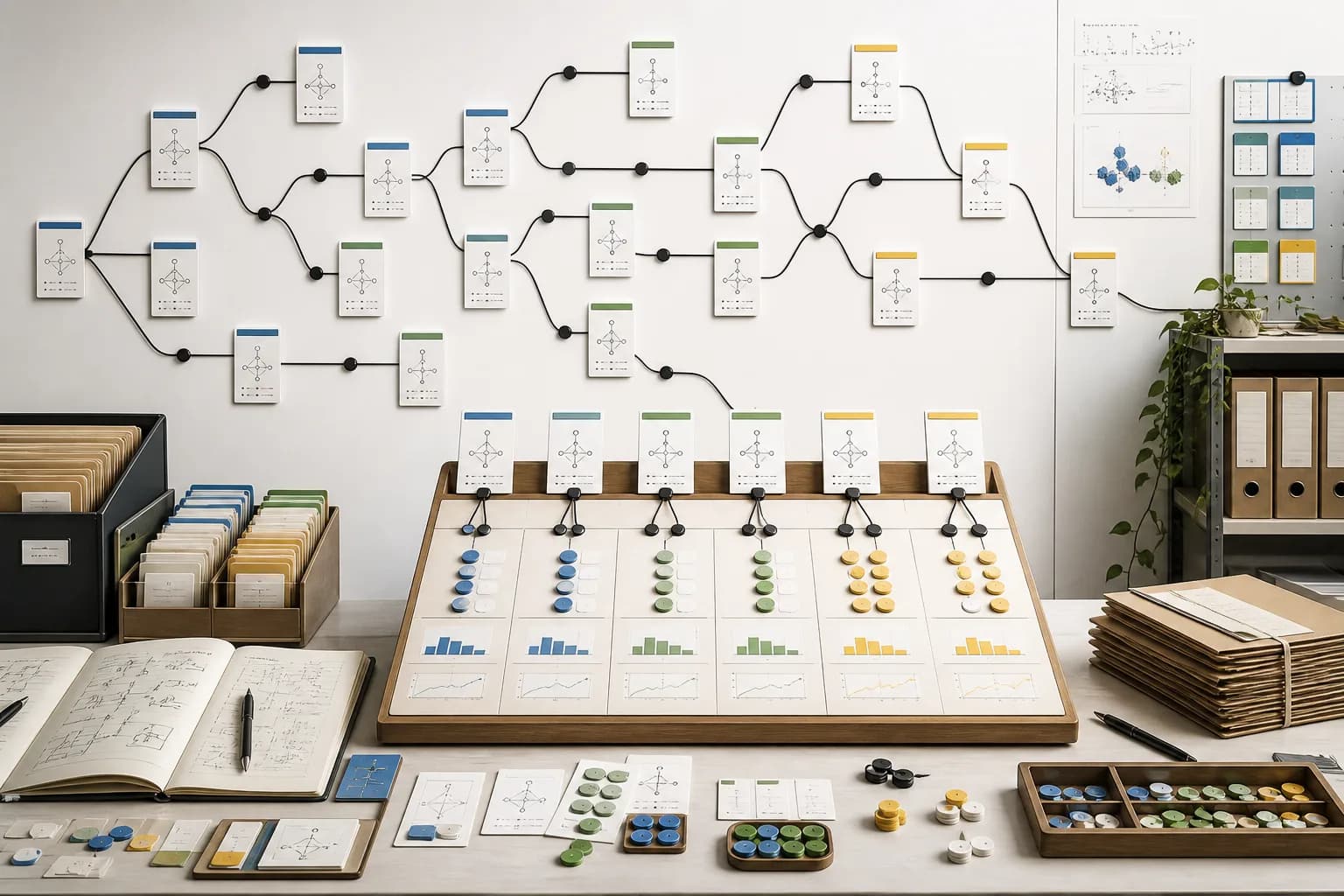
A new August 2026 paper argues that coding agents improve faster when they compare attempts across tasks and lineages, not just retry one failed trajectory.
Showing 12 of 56 articles

New tutorials, open-source projects, and deep dives on coding agents - delivered weekly.
Explore 840 topics
Browse All Topics