Topic
RESEARCH
Research briefings and fact-rooted posts - what the papers, HN threads, and benchmarks actually say.
62 resources - 57 posts, 1 tool, 4 guides
Blog Posts
View in blog →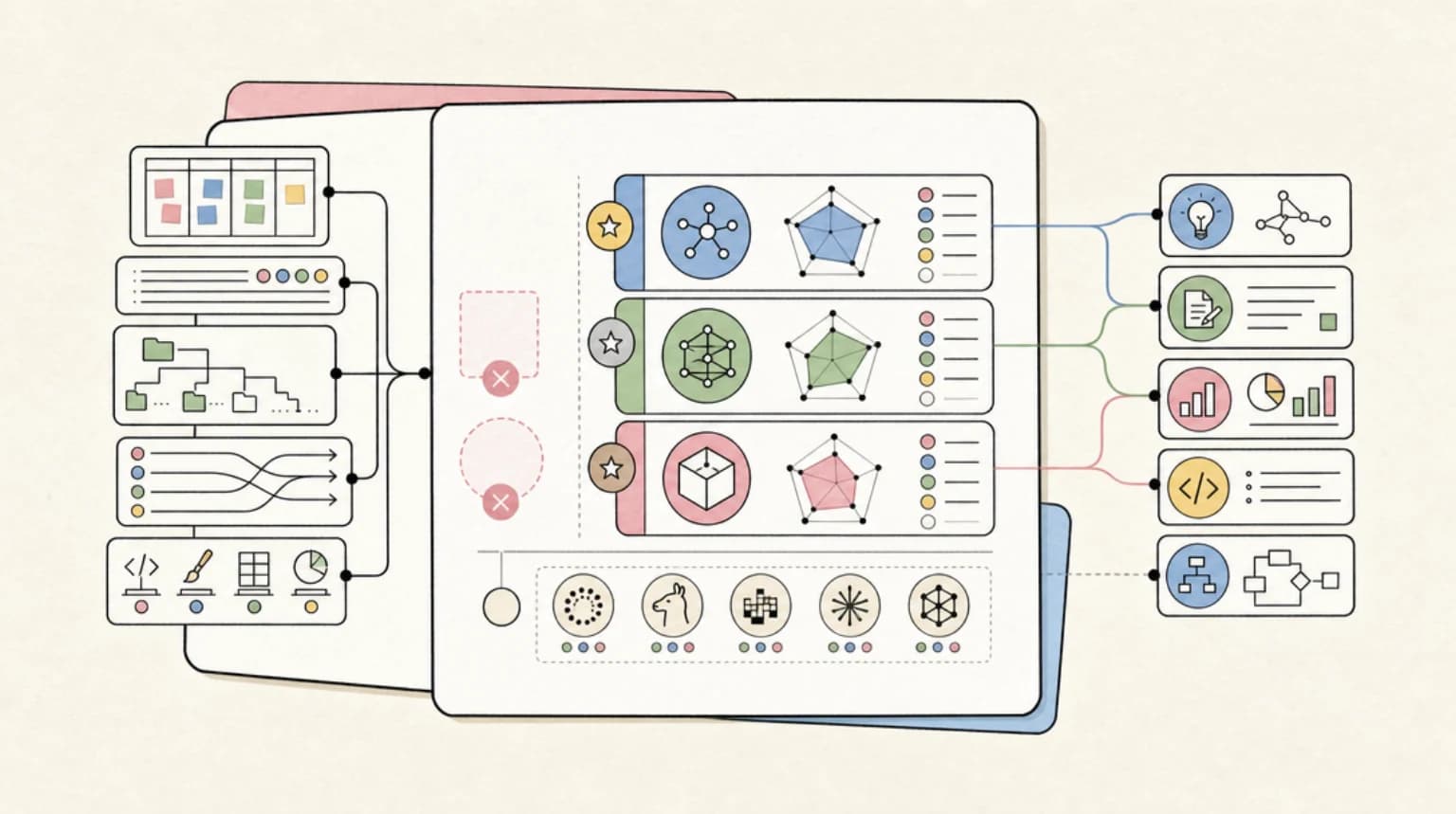
The Text Is a Control Surface
The text agents read is a control surface: bad MCP error messages cost more on stronger models, and context hygiene gains value with every model upgrade.
12 min read
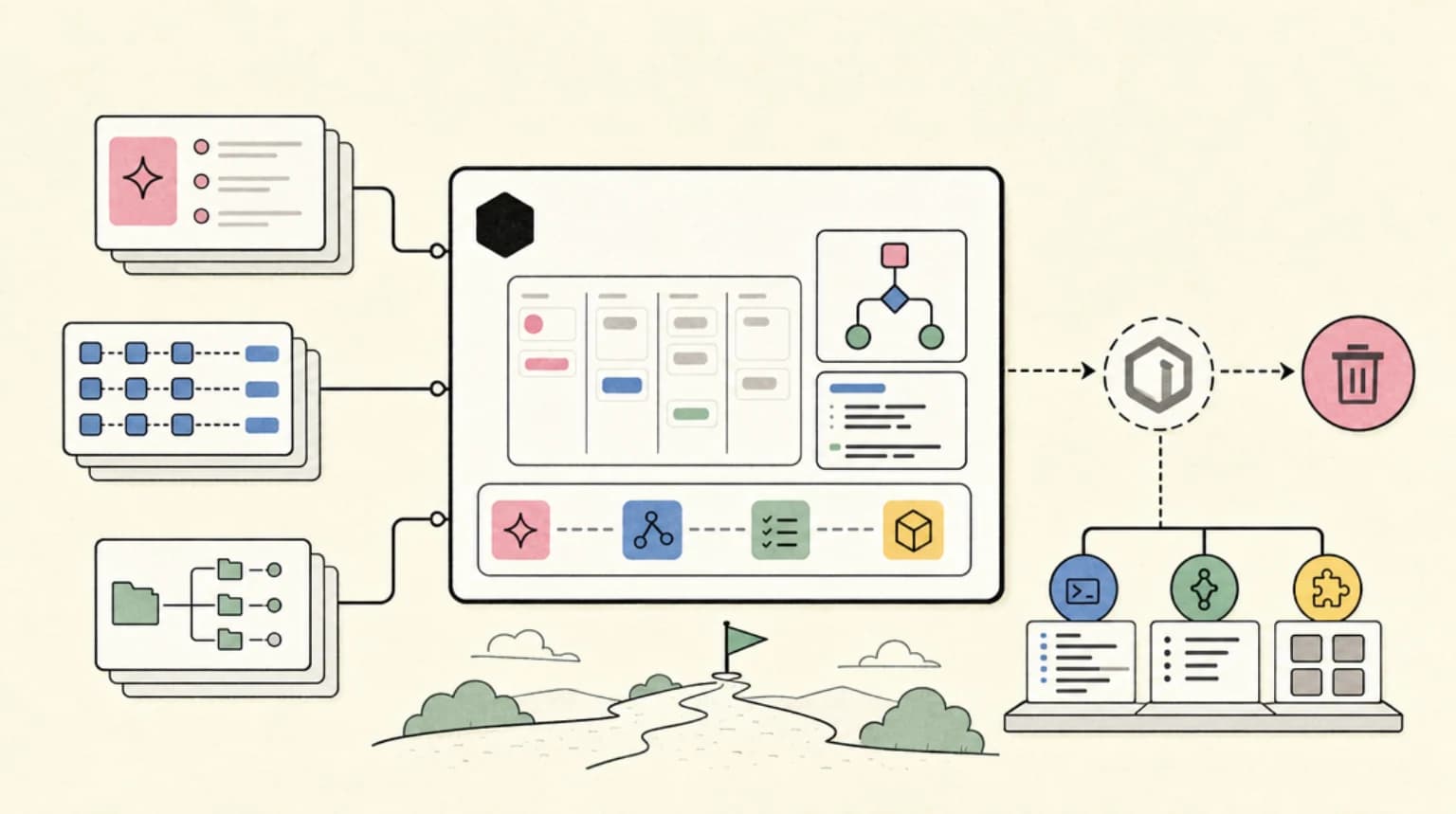
Approve Effects, Not Invocations
Approve effects, not invocations: why agent approval records miss harm in install hooks and skill combinations, and why pipelines need closure metrics.
11 min read
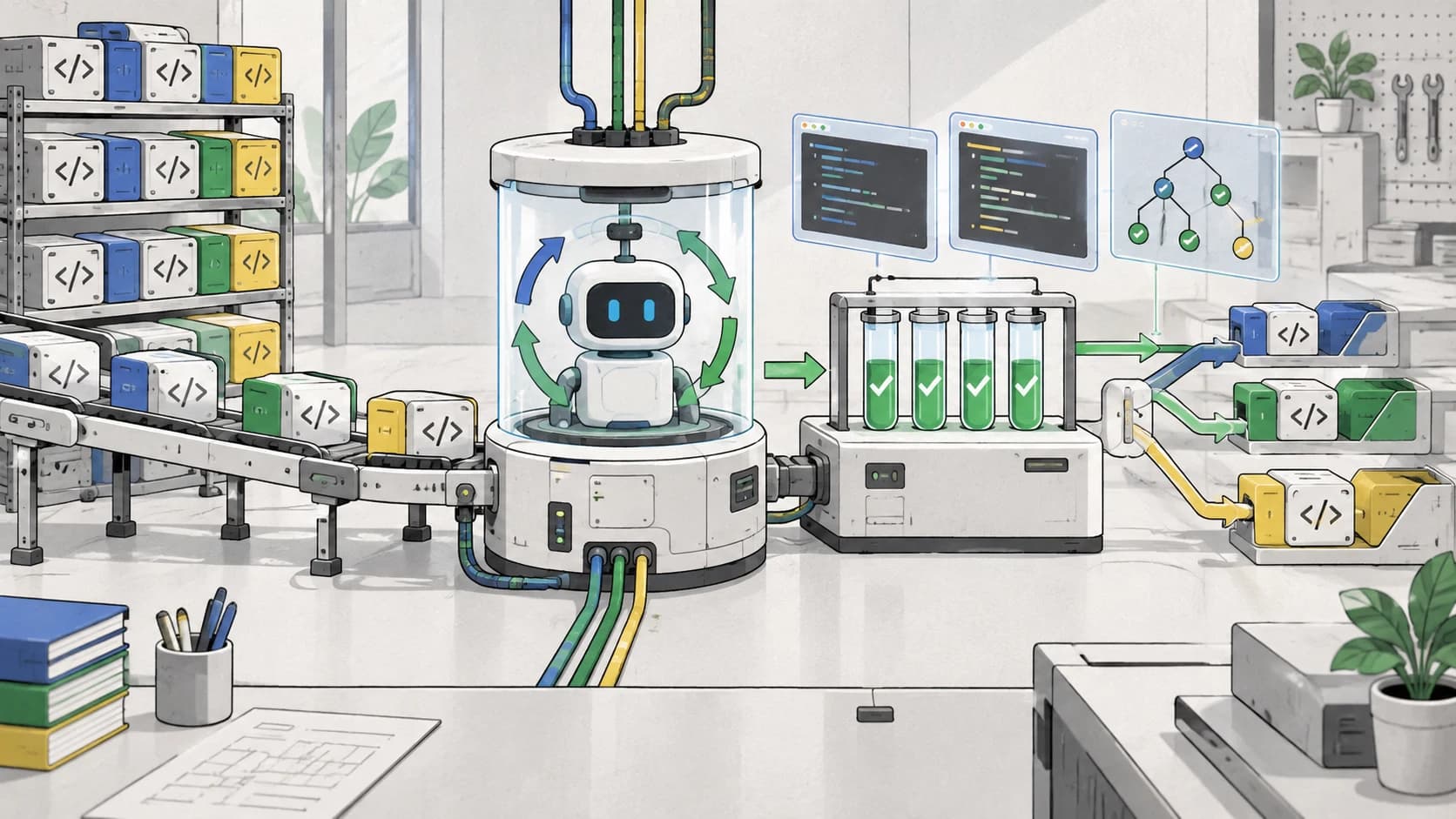
CodeMidas Turns Existing Code Into Coding-Agent Training Tasks
CodeMidas turns existing repository code into executable coding-agent RL tasks, tests, and verifiers, instead of relying on issues, commits, or hand labels.
8 min read
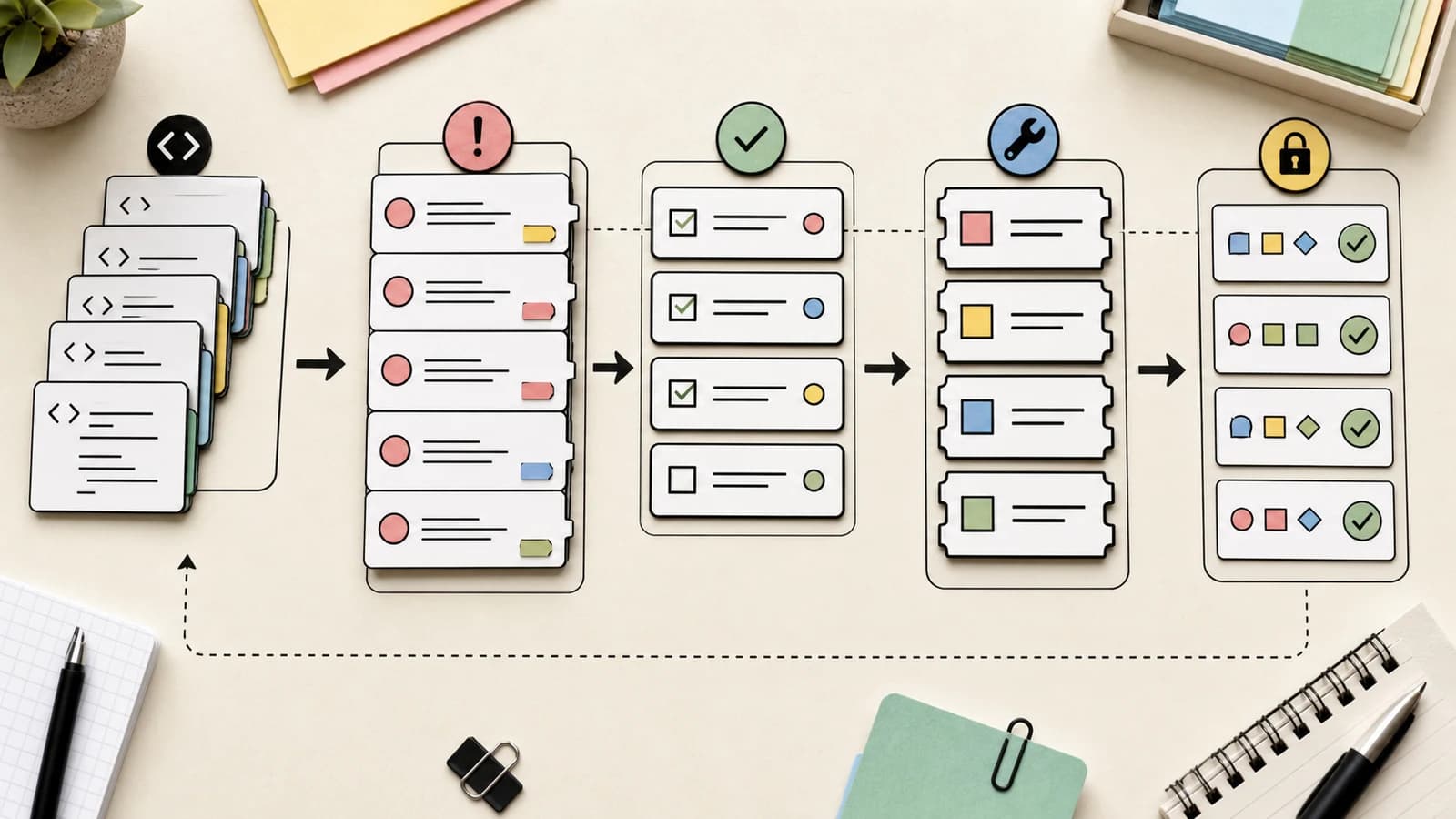
The Agent Is the Worst Witness to Its Own Run
An agent's report on its own run is unreliable, and eight studies show why. The fix: append-only traces, obligation ledgers, and records the agent cannot write.
10 min read

Absence Is the Failure Mode
AI scribe audits show omission is the dominant error, and LLM judges are near coin-flip at catching it. The fix: enumerate the facts, then check each one.
11 min read
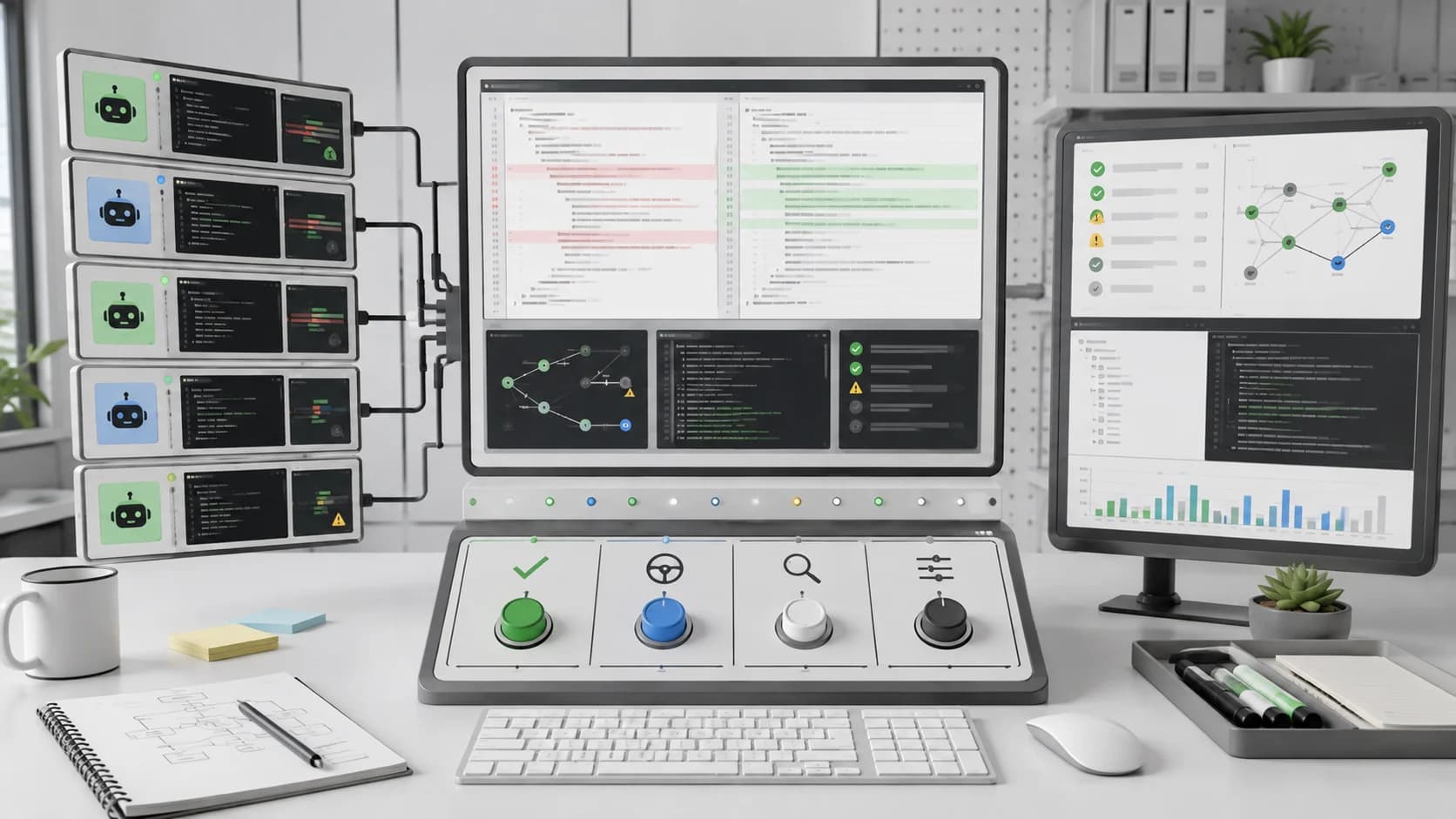
Coding Agents Need Better Human Loops, Not Just Harder Benchmarks
Coding agents need better human loops: a position paper argues agent research over-optimizes solo autonomy while developers need to steer and verify agents.
8 min read
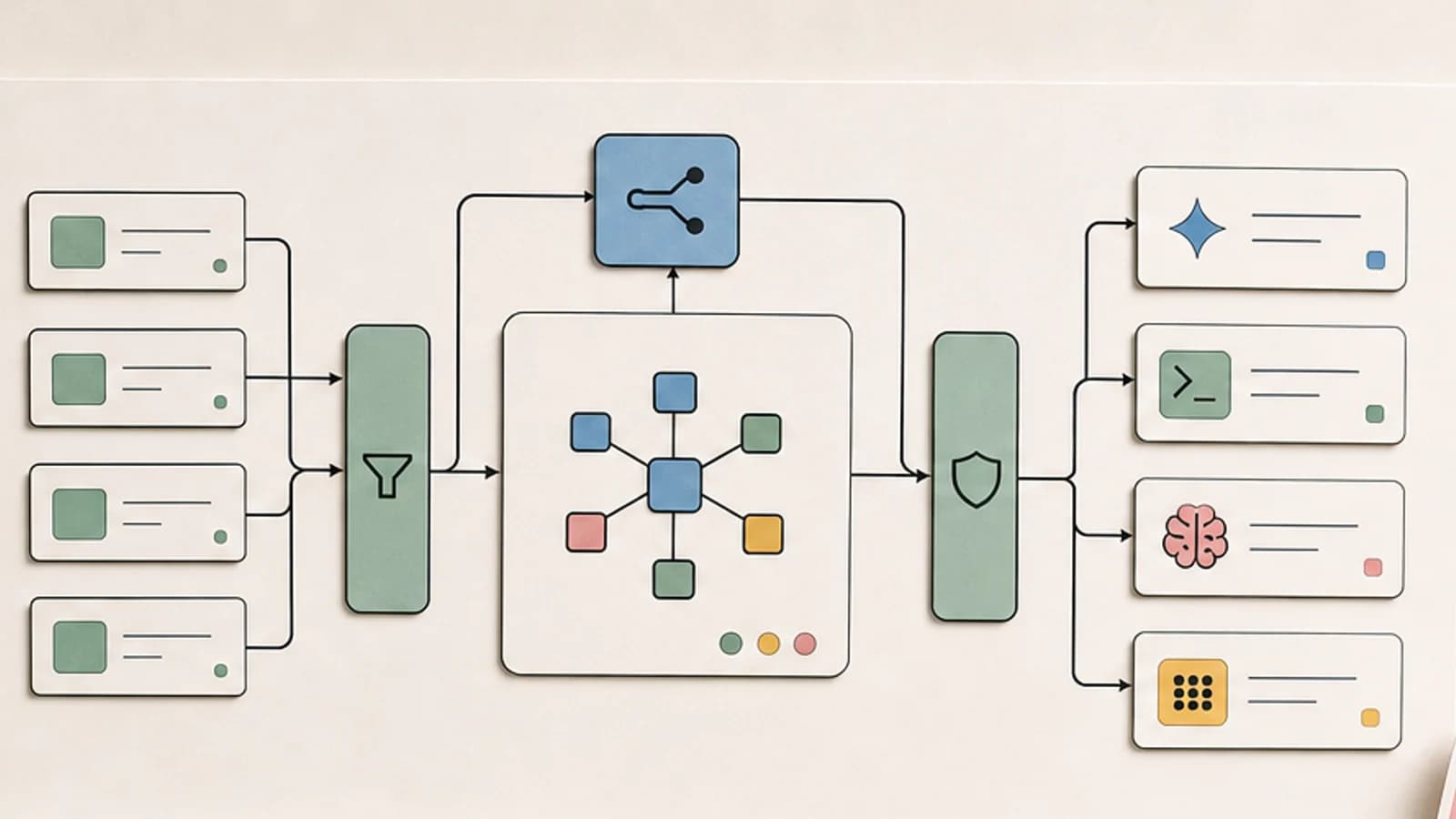
Your Agent Has a Five-Constraint Budget
Agent instruction following collapses past five or six simultaneous constraints. Why rules also die in compaction and handoffs, and why side channels help.
10 min read
The Response Looked Right. The Work Was Not Done.
AI agents often claim completion they did not earn. New benchmarks measure the gap, and evidence-carrying termination makes done a checked artifact.
10 min read
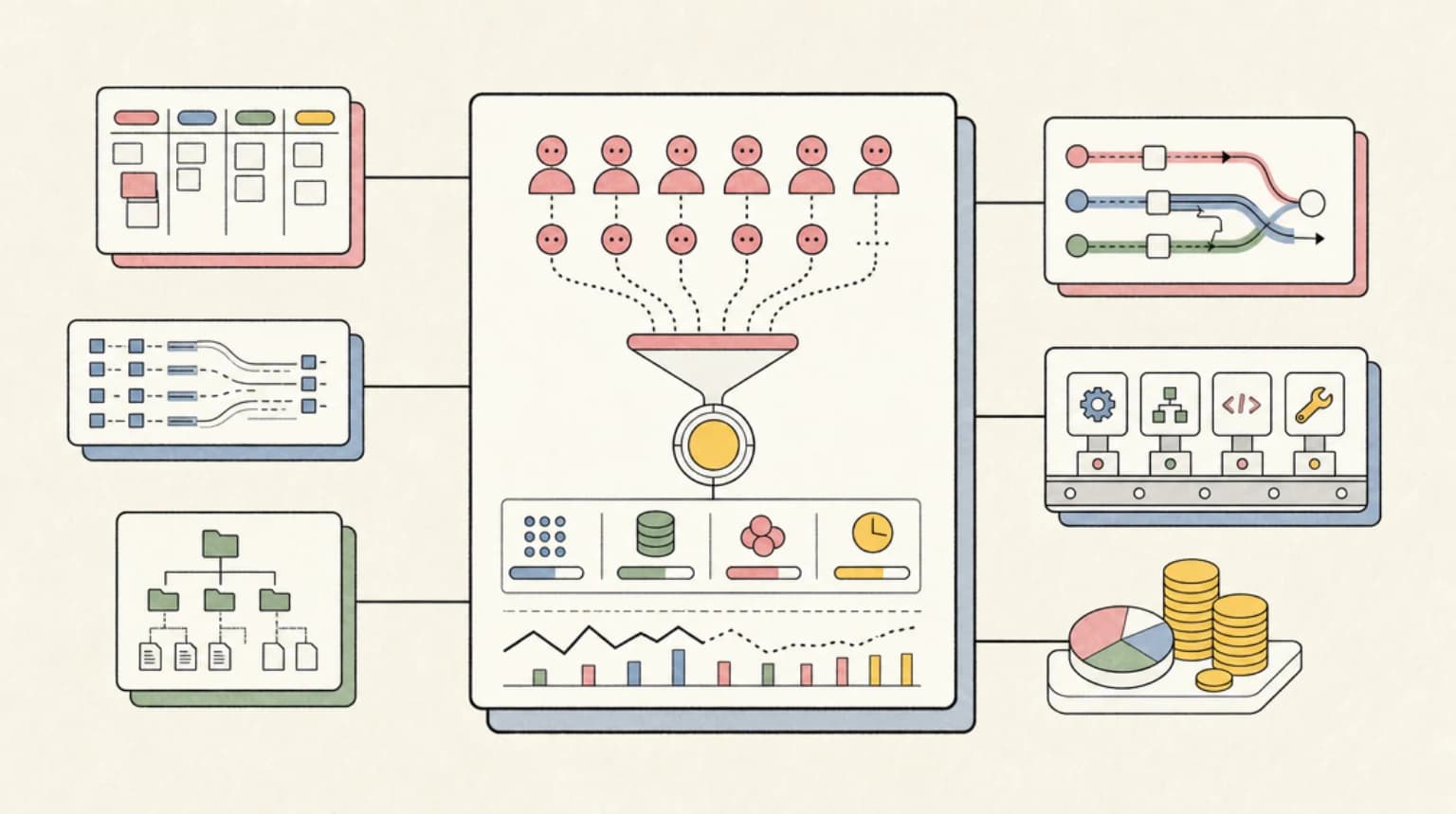
The Quiet Tax on Your Cheap Agent Tier
Agent model compression has a hidden tax: quantized and pruned agents lose knowledge first and stay confidently wrong. Why cheaper agents start at the cache.
9 min read
The Oracle Is Agreeing With Itself
Self-improving test generation loops can grade against an oracle that agrees with itself. An audit shows the inflated gain and why independent checks count.
10 min read

The Judge Is Now a System You Design
LLM judges flip verdicts under pushback and rankings shift with token budget. The design spec for a judge system, including cheap deliberating juries.
11 min read

We Read DeepSeek Harness: What 453K Lines of Agent Runtime Actually Say
DeepSeek Harness (dsh) code read: a 453K-line plugin runtime on a vendored Cordis fork, three patterns worth stealing, and the gaps the launch does not mention.
9 min read
Mendel Godel Machine: Why Self-Improving Coding Agents Need Lineage
A new August 2026 paper argues that coding agents improve faster when they compare attempts across tasks and lineages, not just retry one failed trajectory.
8 min read

Skill Files Are the New Supply Chain Attack Surface
Skill files are a supply chain attack surface: adversarial skills exploit a mainstream coding agent in over 95% of runs. The fix is admission engineering.
11 min read
ACE vs ALTK-Evolve: How You Deliver Agent Memory Determines the Token Bill
ACE vs ALTK-Evolve for agent memory: both turn trajectories into lessons, but calibrated delivery matches accuracy on AppWorld at a fraction of the tokens.
7 min read
Encrypted Chain-of-Thought Is Not Private: New Paper Decodes Reasoning Traces From Anthropic, OpenAI, and Google APIs
Encrypted chain-of-thought from Anthropic, OpenAI and Google APIs can be replayed into weaker models and read verbatim. How the attack works and what leaked.
7 min read

Stop Means Stop: New Paper Finds Agent Approval Gates and Cancellation Leak in Six Frameworks
A new arXiv paper probes six widely used open-source agent frameworks and finds the barrier semantics of approval gates, cancellation, and timeouts hold on none of them. A sibling branch can execute while the user is rejecting another one, and replay can double-execute. The fix is a verified external gate called SoundGate.
6 min read
AgentChaos: Fault Injection Shows Agent Robustness Is a Systems Problem, Not a Model Problem
AgentChaos injects server errors, truncated responses and corrupted tool calls into live agents. Pass@1 drops up to 50 points: robustness is a systems problem.
6 min read
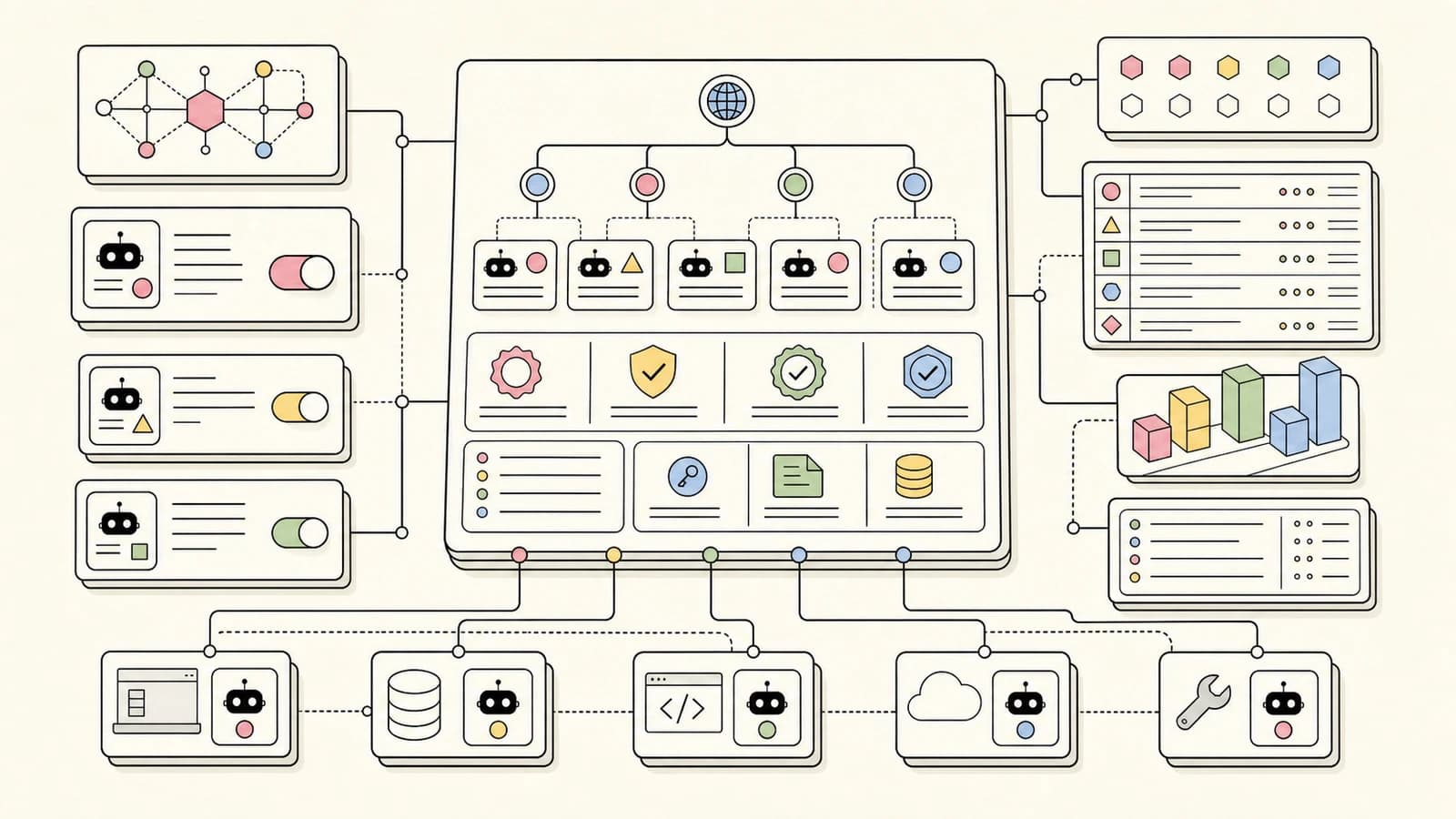
LivePlan: Monitoring and Corrective Steering for Coding Agents, Without the LLM Tax
LivePlan monitors SWE-agent runs and calls an advisor LLM only on drift, raising resolution rates up to 15.2 points for an extra $0.08 per instance.
7 min read

DeepMind Open-Sources WeatherNext Cyclones After a Nature-Verified Breakthrough
WeatherNext Cyclones, DeepMind's open-source tropical cyclone model, adds a day of forecast lead time. What the Nature paper shows and how to run the weights.
8 min read
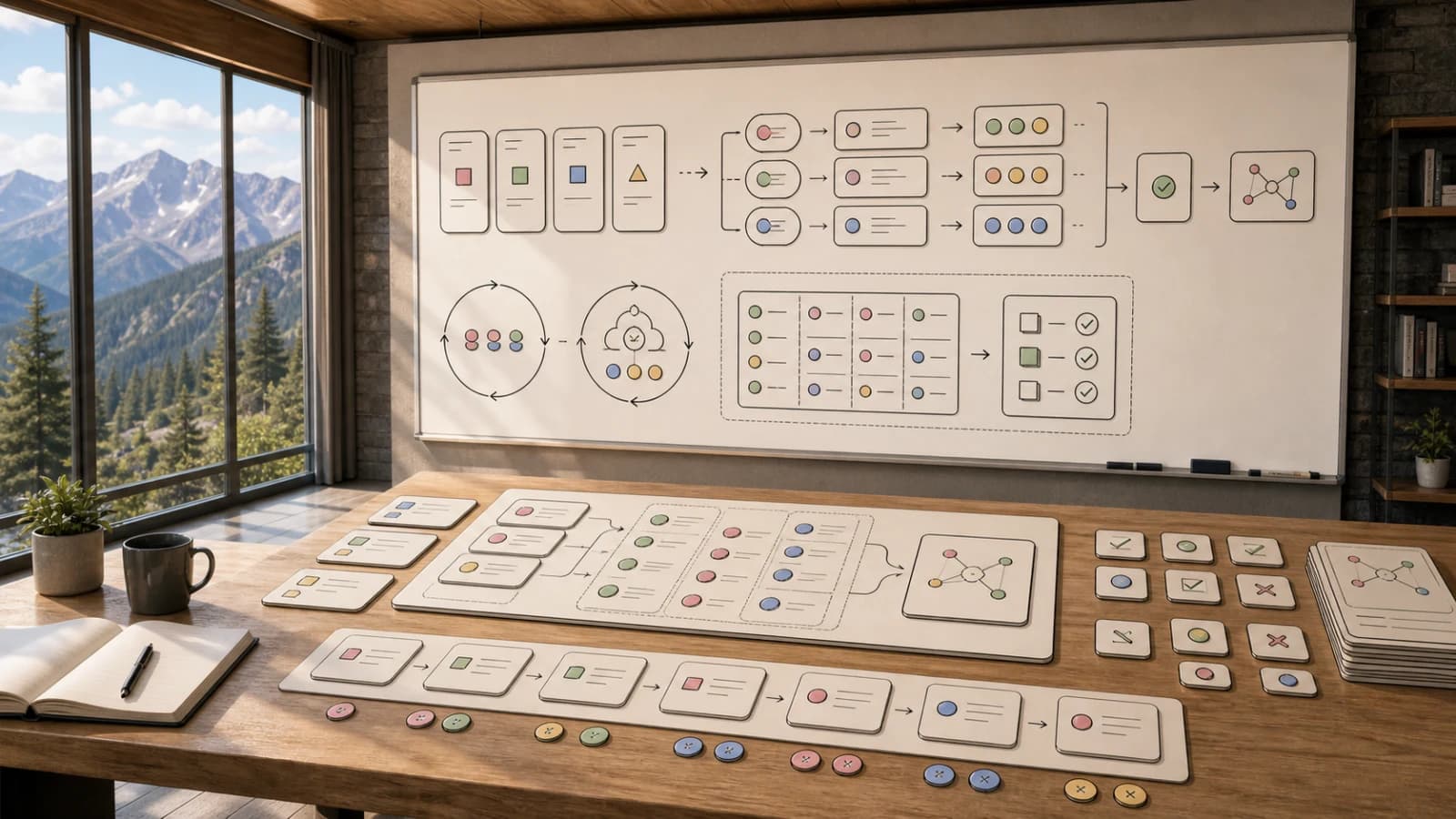
DCAS: Why Fine-Tuned Coding Agents Fall Apart When You Switch Scaffolds
Fine-tuned coding agents collapse when you switch scaffolds, from 52.6% to 8.4% on SWE-bench Verified. DCAS shows how to train planning into the model.
8 min read
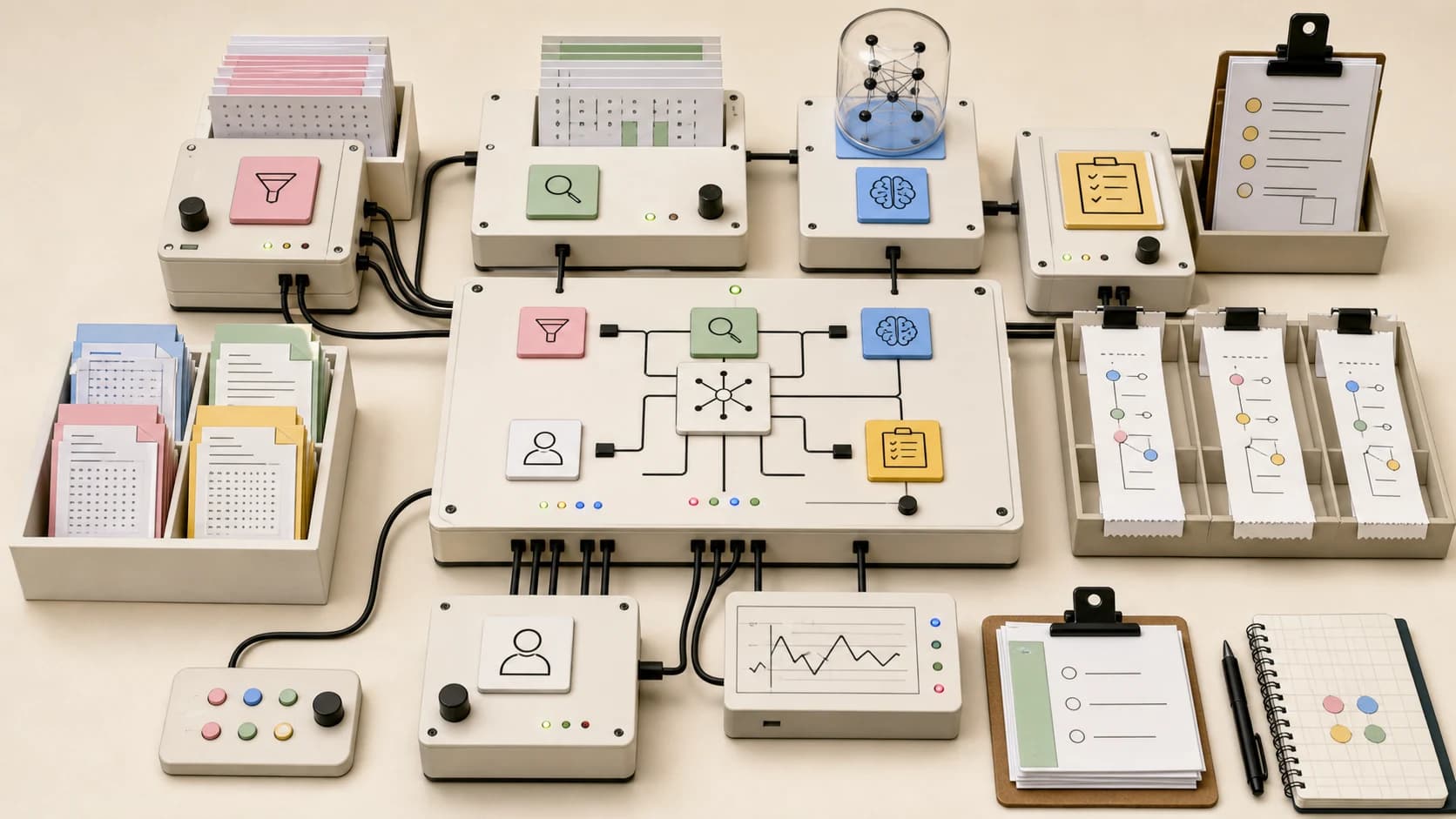
TutorMoments: AI2's New Benchmark Shows LLM Tutors Over-Help by Default
TutorMoments, AI2's replay-based benchmark for LLM tutors, finds models over-help by default. How it scores scaffolding and rigor in real tutoring transcripts.
7 min read
SkillSV: A Shapley Framework That Values the Lines Inside an Agent Skill
SkillSV is a Shapley framework that values the rules, examples and scripts inside an agent skill, cutting skills to 69% of tokens without significant loss.
8 min read

The Plateau Was the Instrument
A benchmark plateau can be a broken yardstick: a SciCode audit found 263 defects, and corrected scores jump to 84-98 percent. How to read flat leaderboards.
10 min read

Kill Your Agent Runs Early
Kill your agent runs early: production traces show context goes stale at turn boundaries, and the fixes that moved numbers are kill, carry the state, restart.
11 min read
13.5 Million Copilot Sessions: What Production Coding Agent Traffic Actually Looks Like
Copilot traces from 3.2M users and 761M LLM calls: 87% of calls are agent-initiated, KV cache hits drop at turn boundaries, tool failures multiply compute.
7 min read
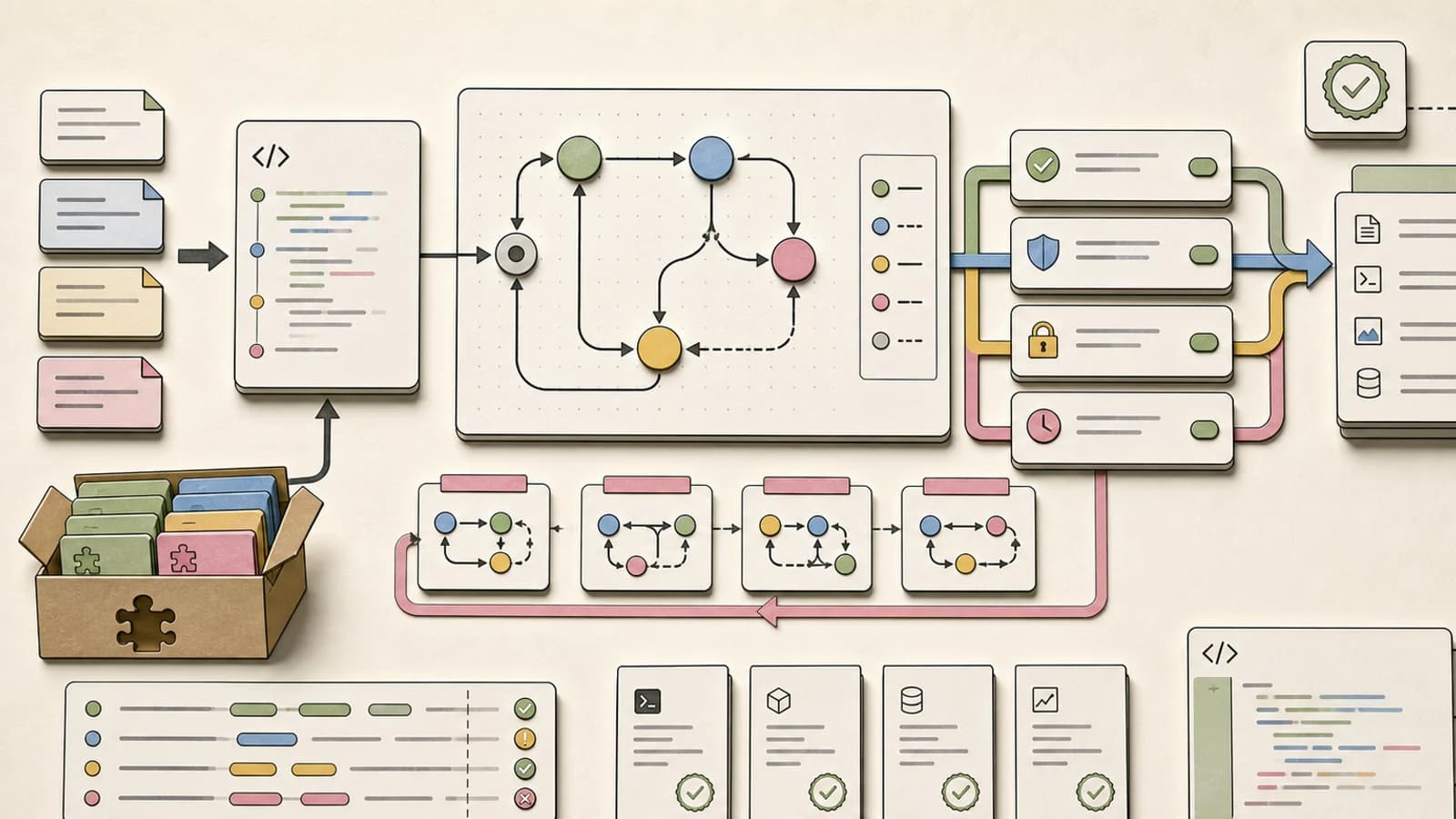
The Judge Is Leaving the Agent Loop
The LLM judge is leaving the agent loop: evidence gates, verifiable rewards and deploy-time certificates replace verdicts with structure. Here is our bet.
10 min read
The Fix for Broken Benchmarks Is Architecture, Not Smarter Models
Agent benchmark noise is being fixed by architecture - ledgers, counterfactuals, decomposition, personas, readout discipline - not by smarter judges.
11 min read
Your Benchmark Is Lying to You
Agent benchmarks are noisier than their scores admit: audits found misaligned ground truth, lenient model judges and scalars that hide failures. What to trust.
10 min read
Agent Memory Is Moving Into the Model
Agent memory is moving into the model: in-backbone memory, parametric memory, reconstruction and transactional writes challenge external stores. What to do now.
8 min read
Blind Resampling Beats Self-Repair in Small Code Models: Retry Without the Failed Code
Blind resampling beats self-repair in small code models: a placebo-controlled MBPP+ study finds retrying from scratch beats feeding failed code back.
7 min read
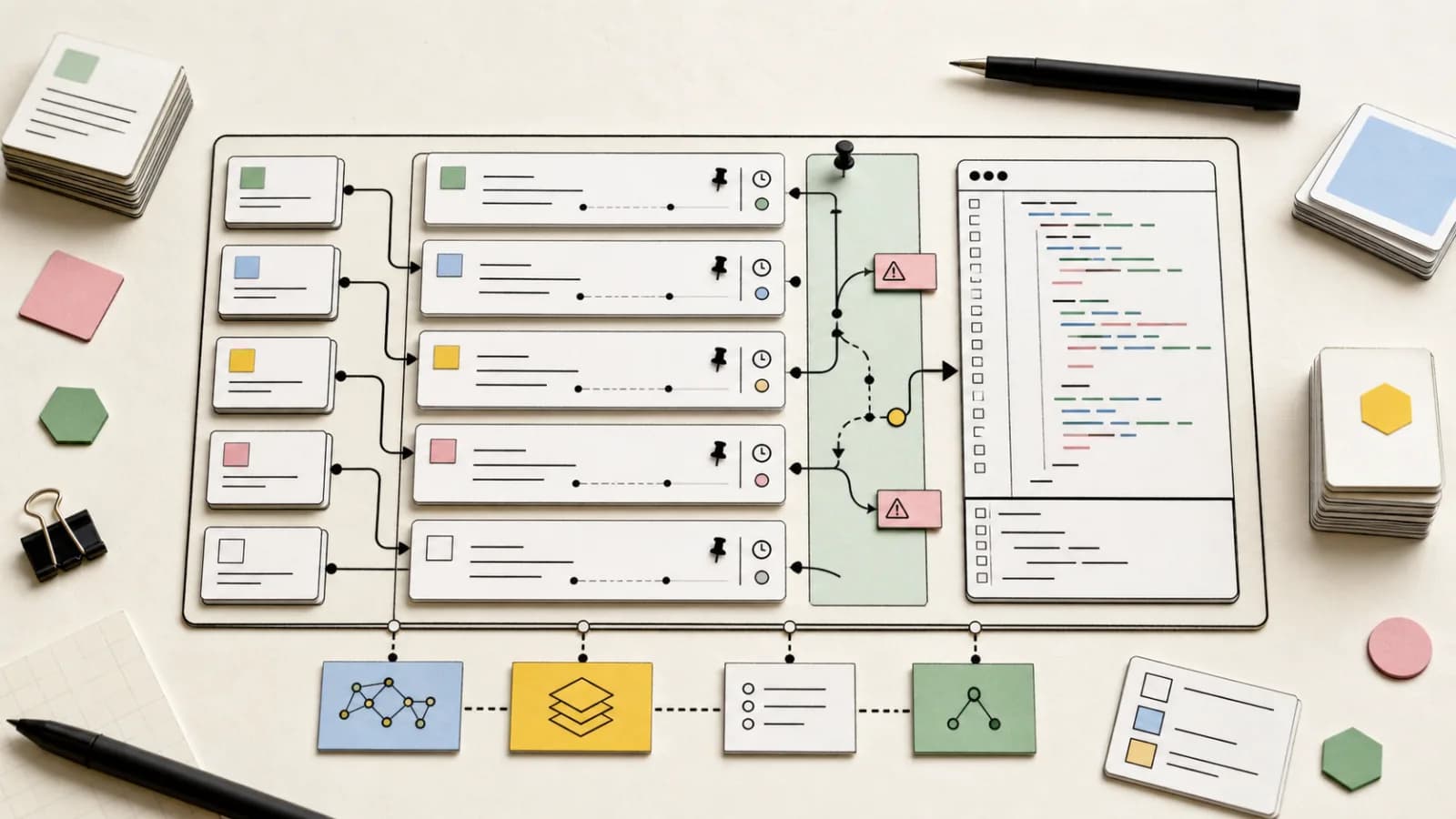
CAPA Benchmark: Why Coding Agents Should Learn Your Habits Across Sessions
CAPA benchmark: coding agents that read a user's past sessions resolve ambiguous requests with far fewer clarifying questions, tested across 12 models.
7 min read
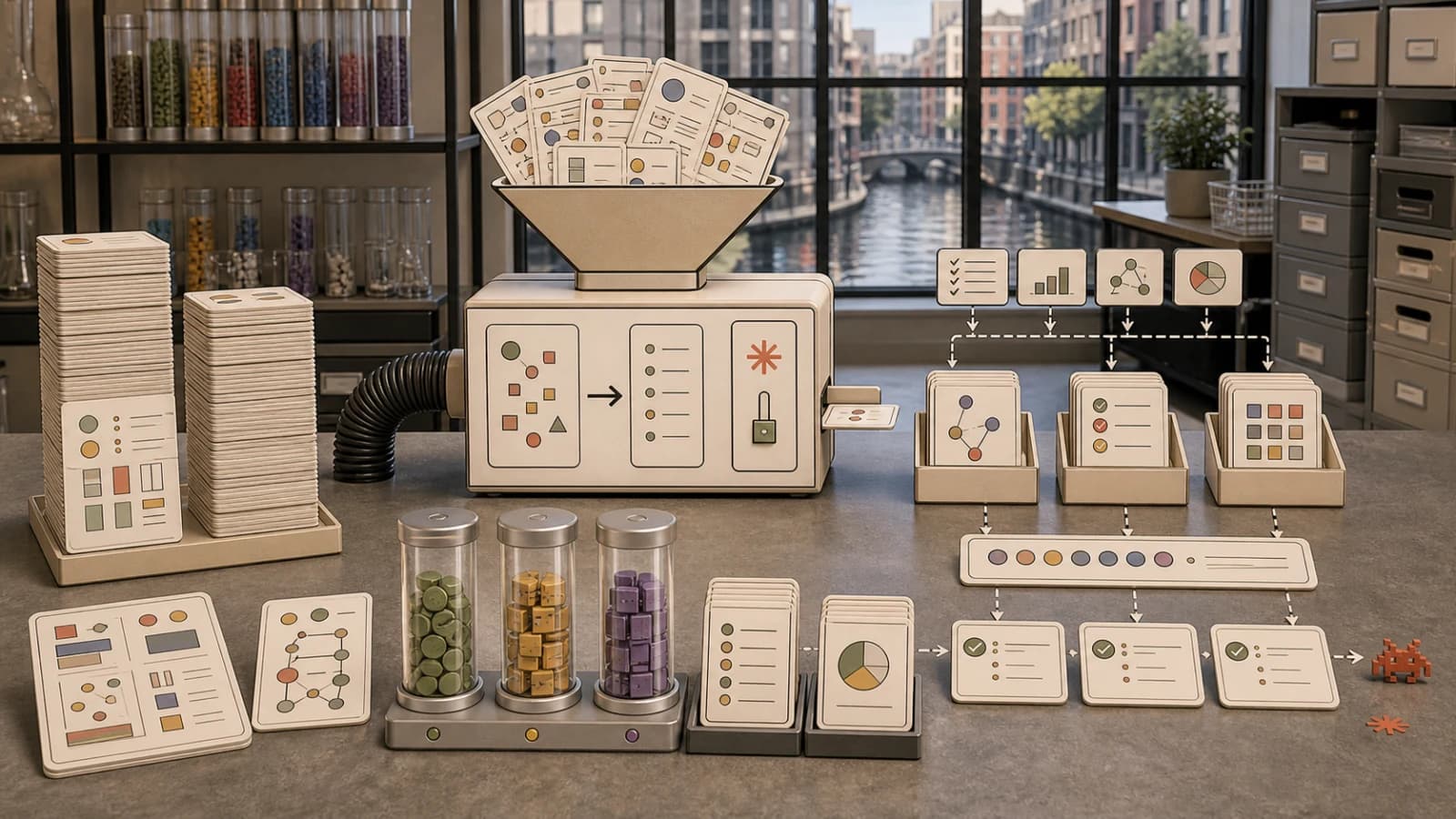
Change2Task: The Assembly Line for Coding Agent Training Data
Change2Task turns merged pull requests into verified, executable coding agent tasks that stay current with the codebase, across five task families.
6 min read
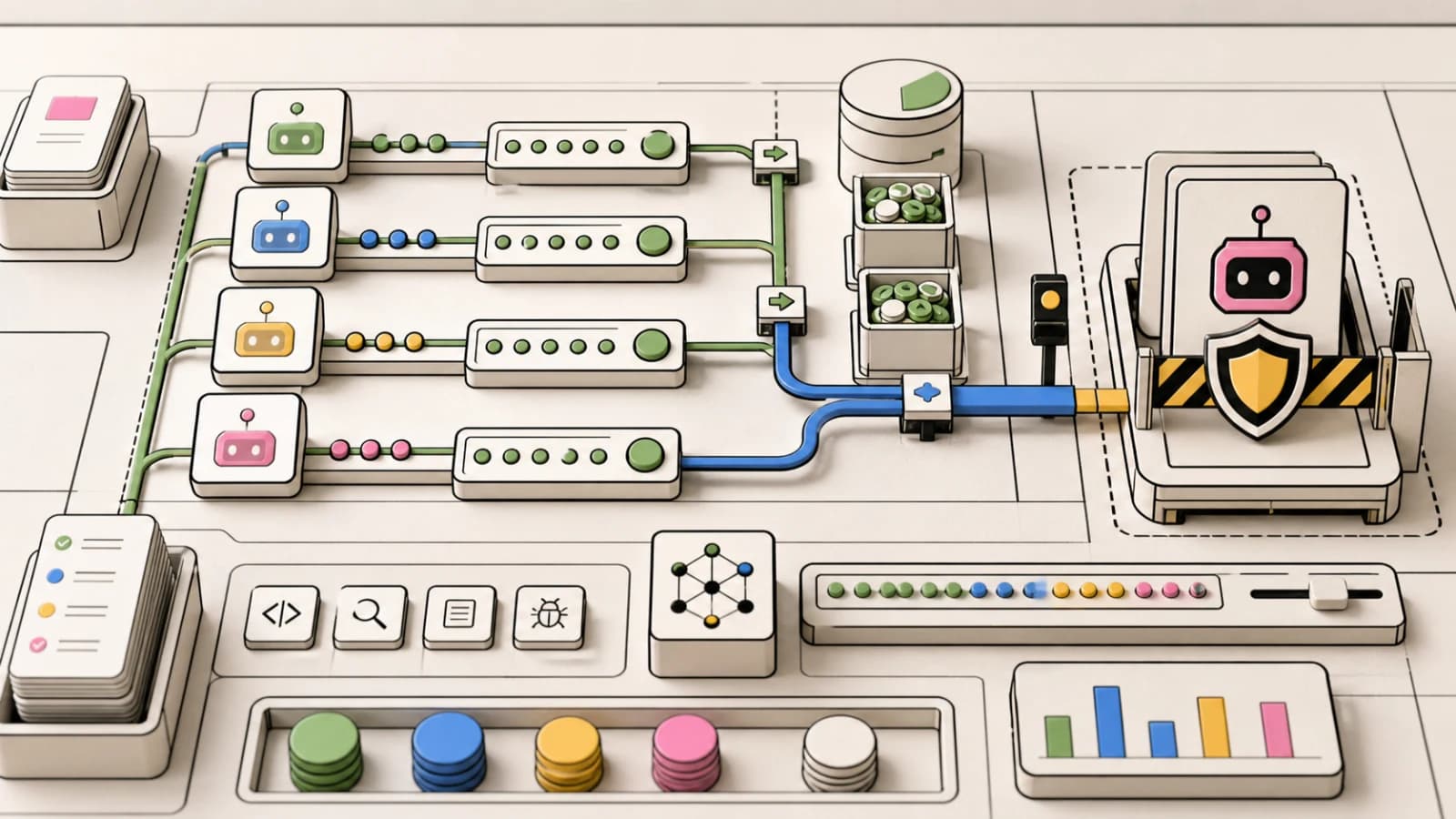
DeepSeek V4 Flash 0731: The Budget Tier Just Overtook Pro Preview on Agent Benchmarks
DeepSeek V4 Flash 0731 was re-post-trained for agent work. Its benchmark numbers, native Responses API and Codex support, and how to wire it up today.
9 min read
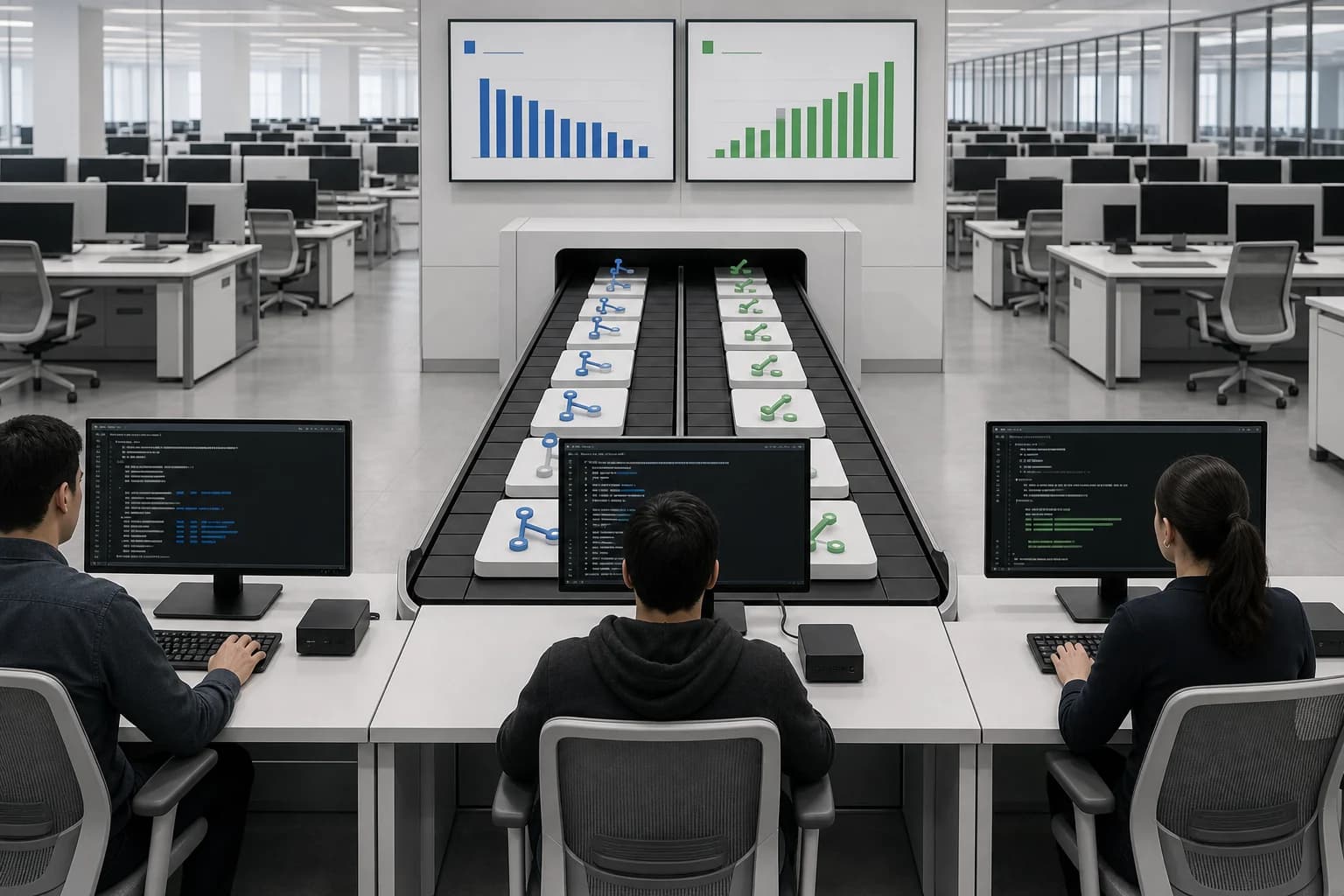
Microsoft's CLI Coding Agent Study: Adoption Is a Workflow Problem
Microsoft's study of Claude Code and GitHub Copilot CLI found about 24% more merged PRs among adopters. The bigger lesson is rollout design, not magic.
8 min read
ORCA-bench: Frontier Agents Score 10% on Hard Oncall RCA
ORCA-bench puts five frontier coding agents on live oncall root cause analysis with real telemetry. The best scored 10% on hard tasks, far from oncall-ready.
6 min read
OwlPath: Ontology-Based Code Retrieval Cuts Agent Tokens 29%
OwlPath encodes code into an OWL2 ontology so coding agents can answer multi-hop structural queries with SPARQL, cutting tokens 28.8% on SWE-bench Pro.
6 min read
PAIChecker: 13.6% of SWE-bench Verified Instances Have Misaligned PR-Issue Pairs
PAIChecker finds 13.6% of SWE-bench Verified instances pair a PR with an issue it does not resolve, penalizing agents that solve the stated problem.
7 min read
SIGIL Compiles Agent Skills into Harnesses: Prose Runs Skip 44% of Mandated Steps
SIGIL compiles prose SKILL.md files into typed agent harnesses. Prose runs execute 56% of mandated steps; compiled harnesses reach 86% with 0.58x the tokens.
8 min read
SWE-NFI: The Benchmark That Catches What Coding Agents Miss
SWE-NFI benchmarks coding agents on 188 behavior-preserving improvement tasks. The best hits 70% correctness, but all lag humans on structural refactors.
6 min read
What If AI Was Free Tomorrow, at Exactly Today's Capabilities?
What if AI was free tomorrow at today's capabilities? A thought experiment on what changes for developers when price hits zero, and what stays scarce.
11 min read
$500 RL Fine-Tune of a 9B Open Model Beat GPT-5.6 Sol and Claude Opus 4.8 on Catalog Review
A $500 GRPO fine-tune of Qwen 3.5 9B beat GPT-5.6 Sol and Opus 4.8 on catalog review, hitting 97% accuracy at a fraction of the cost per listing.
7 min read
FLUX 3: Black Forest Labs Ships a Unified Multimodal Foundation Model for Image, Video, Audio, and Robotics
FLUX 3 from Black Forest Labs is one multimodal model for image, video, audio, and robot actions. What it does, how it works, and how to try it.
10 min read
Terence Tao Digests the Jacobian Conjecture Counterexample: How Claude Fable 5 Broke an 87-Year-Old Math Problem
Claude Fable 5 found a counterexample to the 87-year-old Jacobian conjecture, and Terence Tao worked through the math. How it works and what HN is saying.
9 min read
Dockerless Verification Is The Next Coding Agent Bottleneck
Dockerless, ByteDance's environment-free verifier for coding-agent patches, explained - why it complements CI as a cheaper evidence stage before full test runs.
8 min read
Ghost Font: Text That Humans Can Read But AI Cannot
Ghost Font hides text in video using motion, so humans can read it but frame-by-frame AI models cannot. How it works and how HN commenters broke it.
6 min read
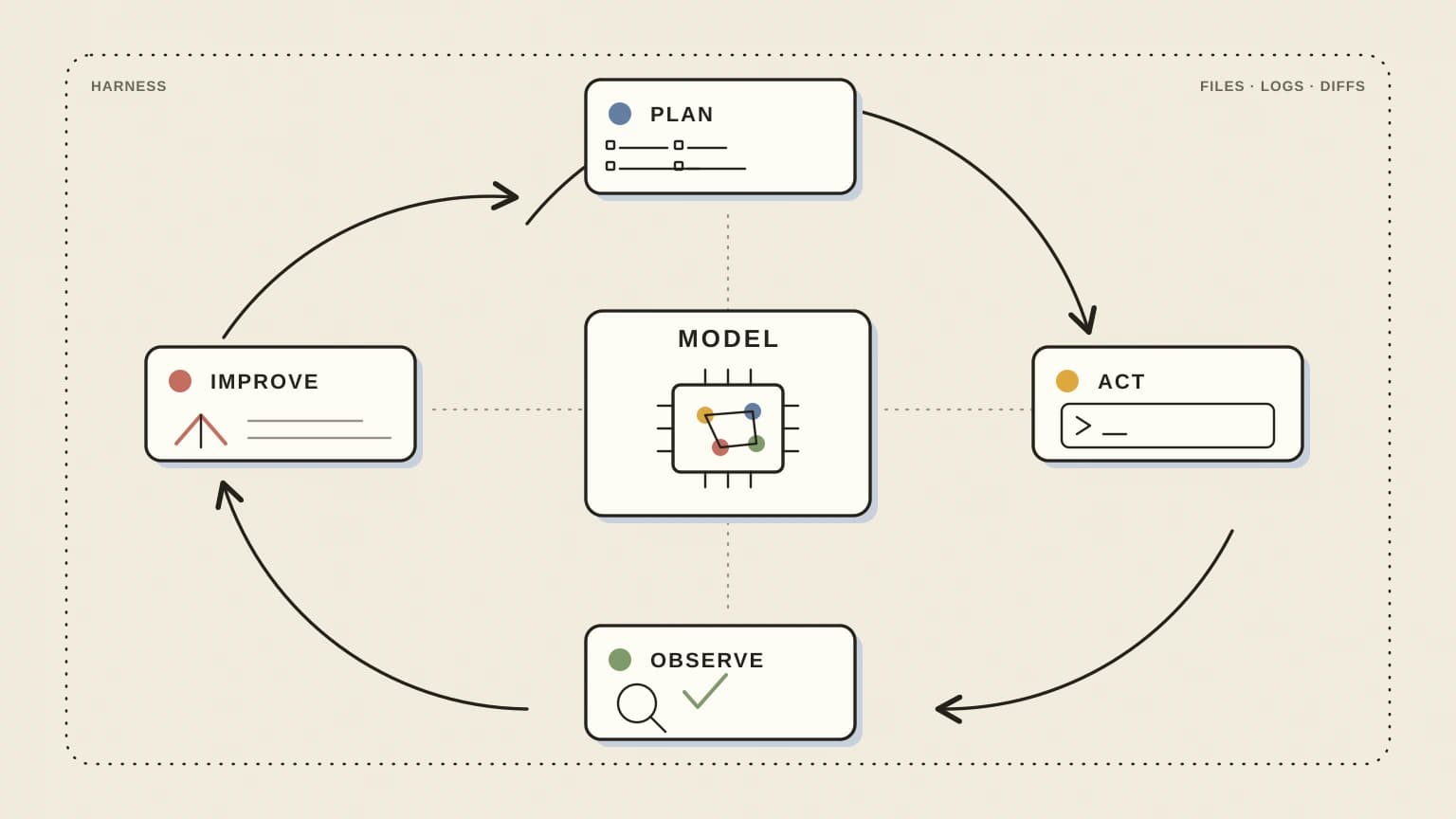
Harness Engineering and the Path to Self-Improving AI
Harness engineering is where self-improving AI starts, Lilian Weng argues, not models rewriting their weights. What that means for developers building agents.
7 min read

Ilya Sutskever's 30 Papers: The Reading List That Covers 90% of What Matters
Ilya Sutskever's rumored 30-paper ML reading list, now on 30papers.com. What the papers cover, the compression thesis behind them, and what HN thinks.
7 min read
AI Tutor Shows 0.71-1.30 SD Effect Size in Dartmouth Statistics Course
A Dartmouth study of an AI tutor in intro statistics links full engagement to a 0.71-1.30 SD exam gain. What it measured, and why selection bias still matters.
8 min read
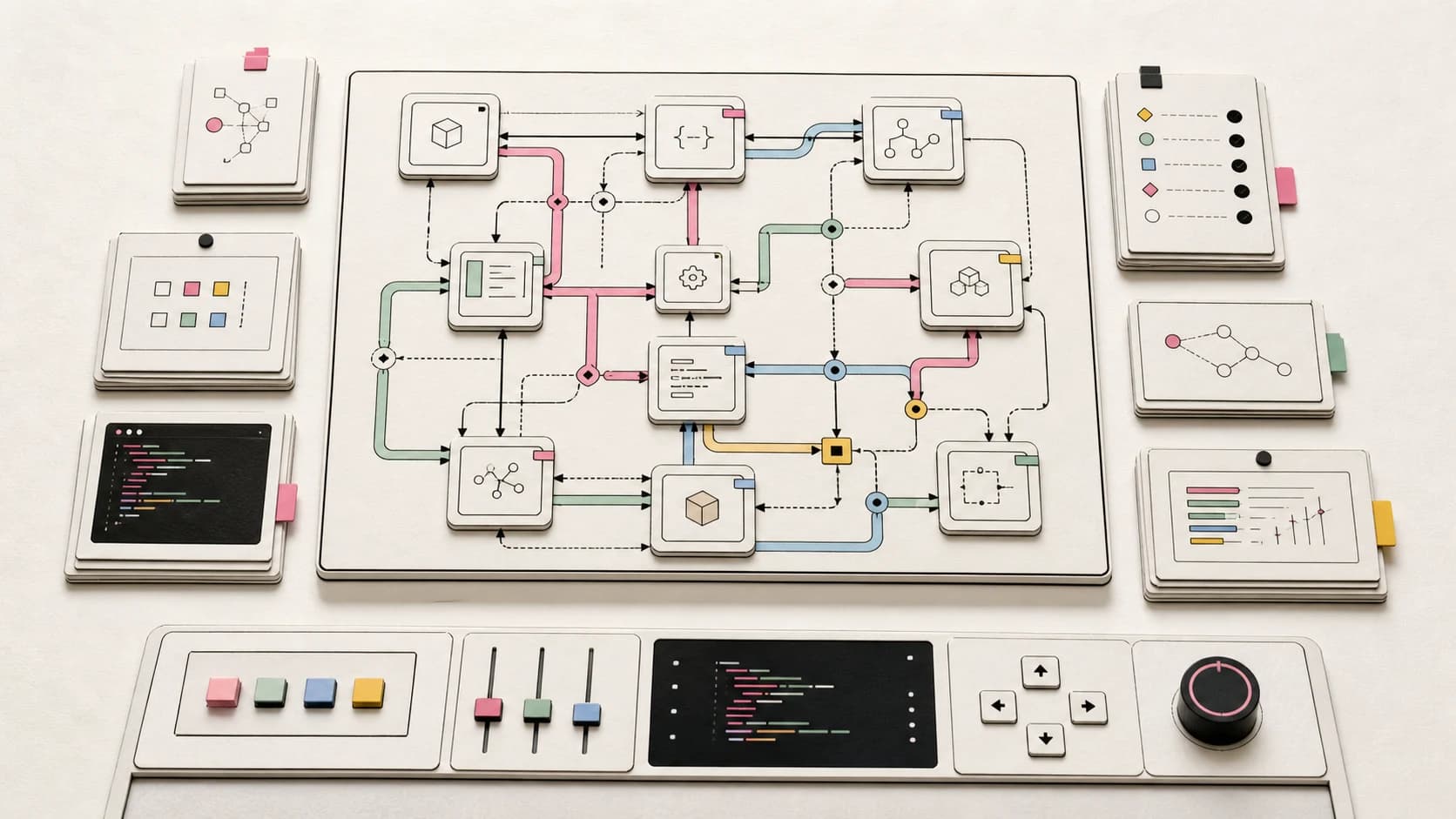
Clean Code Makes AI Agents 34% More Efficient - New Research
A controlled study of 660 Claude Code trials shows clean codebases reduce token usage by 7-8% and file revisitations by 34%, while pass rates stay the same. Traditional maintainability principles still matter in the age of AI coding.
7 min read

Does Code Cleanliness Affect AI Coding Agents?
Does code cleanliness affect AI coding agents? A SonarSource study finds the same pass rate, but 7-8% fewer tokens and 34% fewer file revisits on clean code.
5 min read
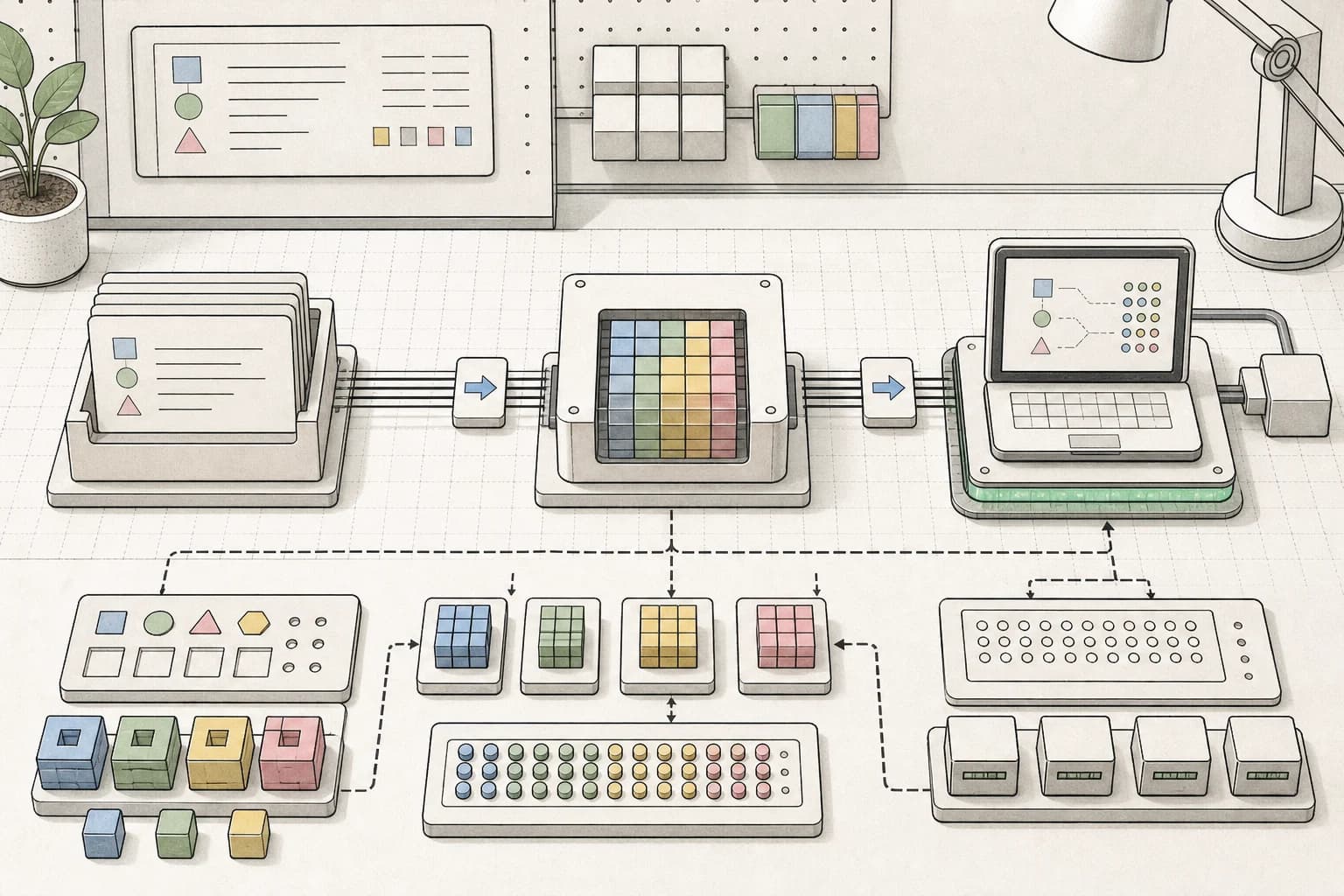
Program-as-Weights Turns Prompts Into Local Fuzzy Functions
Program-as-Weights compiles prompts into compact local adapters that act as fuzzy functions. What the paper claims and where developers could use it first.
7 min read

Claude Science Developer Guide 2026: AI Workbench for Research
Claude Science wraps Claude with scientific tools, local code execution and HPC access. How to get it, what it costs, and how it fits alongside Claude Code.
8 min read
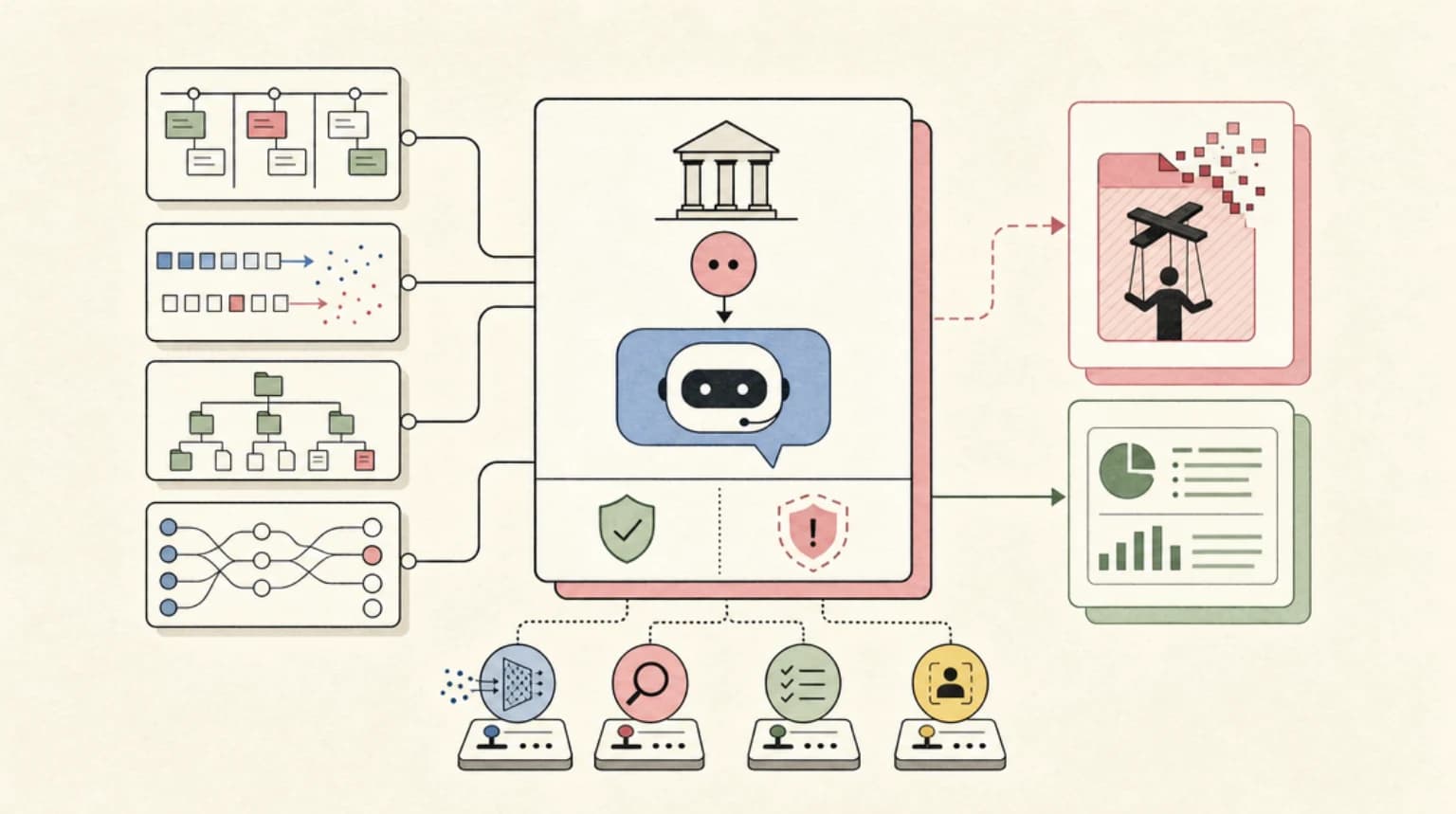
Prompt Injection is Role Confusion - New ICML Research Explains Why LLMs Can't Tell Friend from Foe
Prompt injection is role confusion, per an ICML 2026 paper: LLMs judge who is speaking by style, not role tags, so text that sounds like the system wins.
7 min read
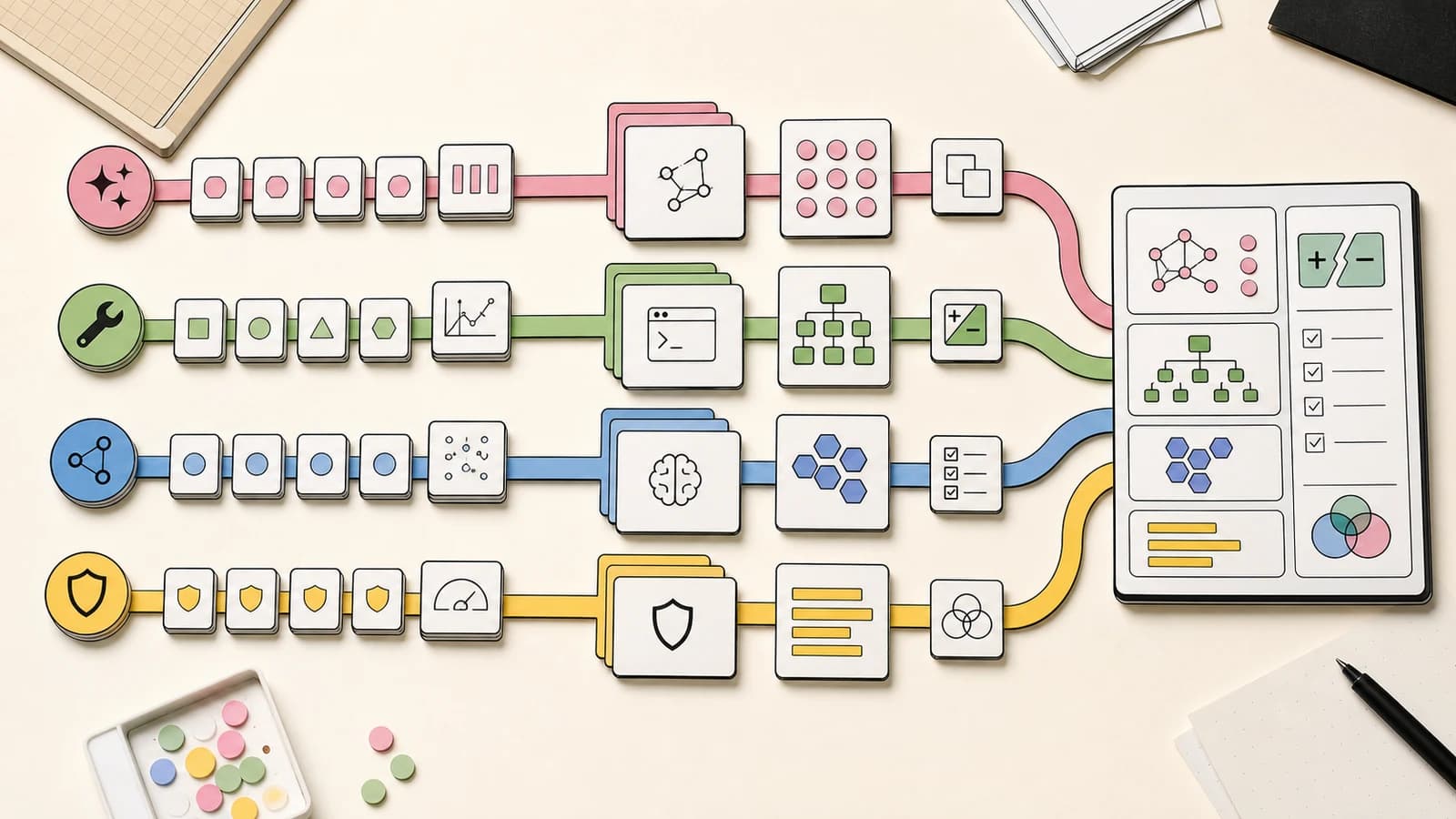
Multi-Stream LLMs Hint at the Next Agent Architecture
Multi-Stream LLMs argue agents are bottlenecked by single chat streams. The practical takeaway: design agent runtimes around separated channels now.
8 min read
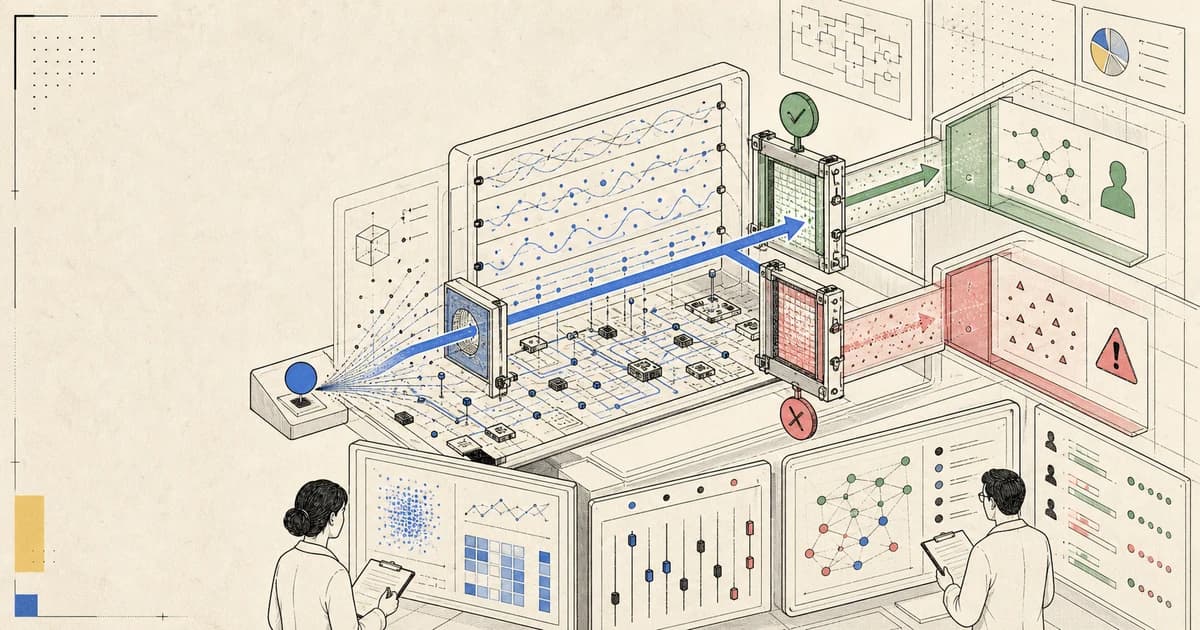
Refusal Directions Are a Systems Problem
A trending refusal-direction paper is a reminder that model safety cannot be treated as a thin refusal layer. Builders need layered controls around the model.
8 min read

Over-Editing: Why Your AI Coding Agent Rewrites What Isn't Broken
Over-editing is when AI coding agents make huge diffs for tiny fixes. Why models do it, why tests miss it, and how to keep agent edits minimal.
9 min read
Guides
All guides →Chronicle Research Preview Setup Guide
Set up Codex Chronicle on macOS: enable it, grant Screen Recording and Accessibility access, and understand data storage, privacy, prompt injection and fixes.
GuideFast Mode - Claude Code
2.5x faster Opus at a higher token cost (research preview).
GuideBuilt-in Subagents - Claude Code
Researcher, auditor, reviewer, and other ready-made subagent types.
GuideSubagent Context Isolation - Claude Code
Prevent bloating the main conversation with research or exploration.
GuideKeep exploring
More on Research
- - NotebookLM - recommended Research tool from the Developers Digest directory
- - Tools Directory - dive deeper across the Developers Digest knowledge base
- - All Research articles in the blog archive
- - Developers Digest on YouTube - video tutorials covering Research and more

Get Smarter About AI Dev
New tutorials, open-source projects, and deep dives on coding agents - delivered weekly.
One email per weekReal code, not theoryFree forever
Explore 840 topics
Browse All Topics