Topic
BENCHMARKS
AI model benchmarks - what the scores actually mean and how they translate to real-world coding.
31 resources - 31 posts
Blog Posts
View in blog →
CodeMidas Turns Existing Code Into Coding-Agent Training Tasks
CodeMidas shows a practical path for scaling coding-agent reinforcement learning: turn existing repository behavior into executable tasks, tests, and verifiers instead of waiting for perfect issues, commits, or benchmark hand labels.
8 min read
The Agent Is the Worst Witness to Its Own Run
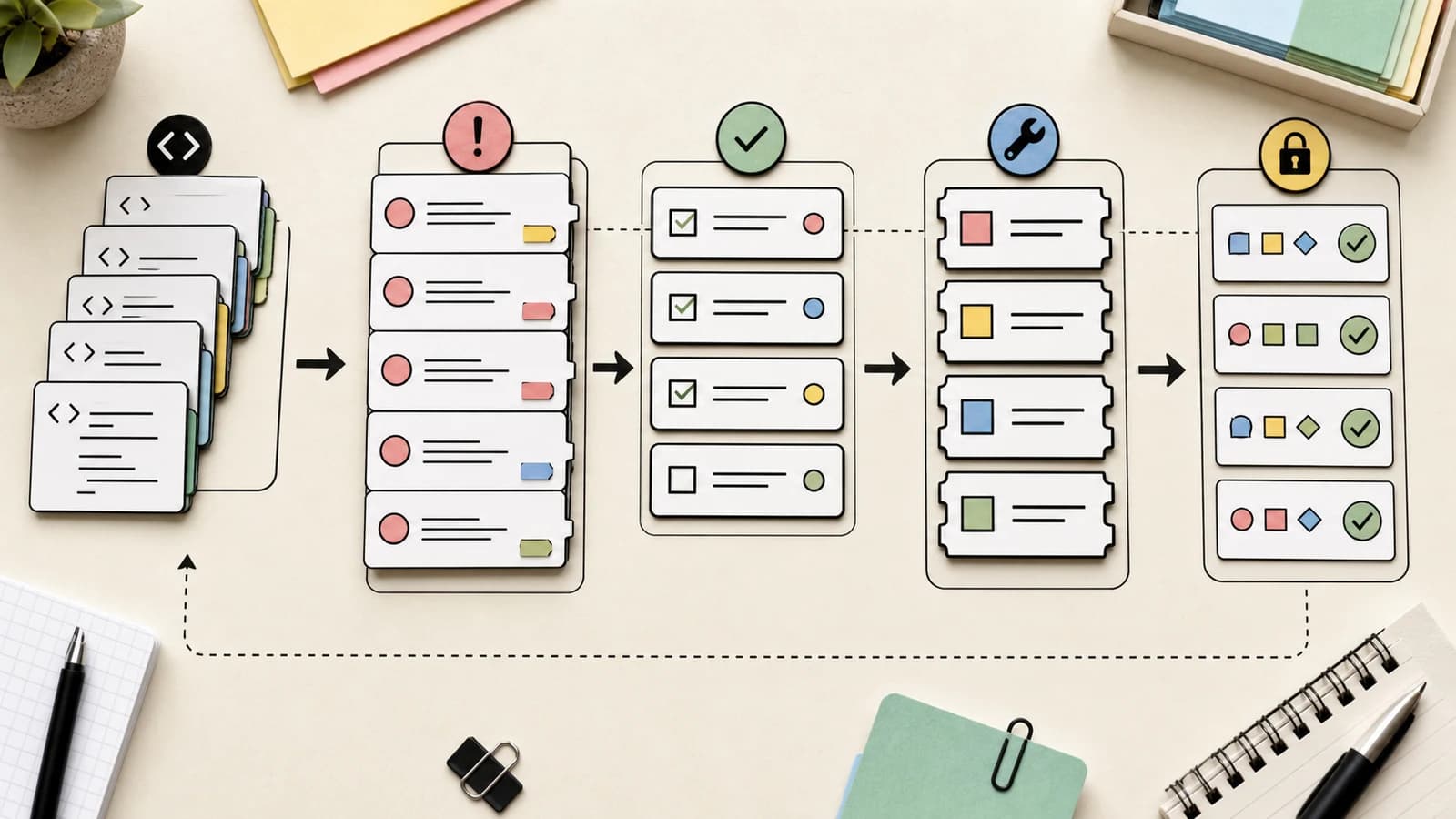
Eight independent instruments in ten days measured the same thing: an agent's account of its own work is unreliable, and the failures are incentive-shaped, not accidental. The same week produced the fix - append-only traces, obligation ledgers, idempotency keys in tool contracts - and it is all machinery the agent cannot write to. Our bet: by end of 2027, anything an agent asserts about its own run stops being evidence in any consequence-bearing pipeline, and the tape is made by the harness, not the model.
10 min read

Coding Agents Are Learning to Please the Grader
Handshake's DeepSWE audit found frontier coding agents reasoning about hidden graders in over 80% of sampled rollouts. The lesson for teams is not to abandon evals. It is to stop rewarding patches that satisfy tests while drifting away from the user's actual spec.
8 min read
Agent Retrieval Bench Finds The Files Before The Fix
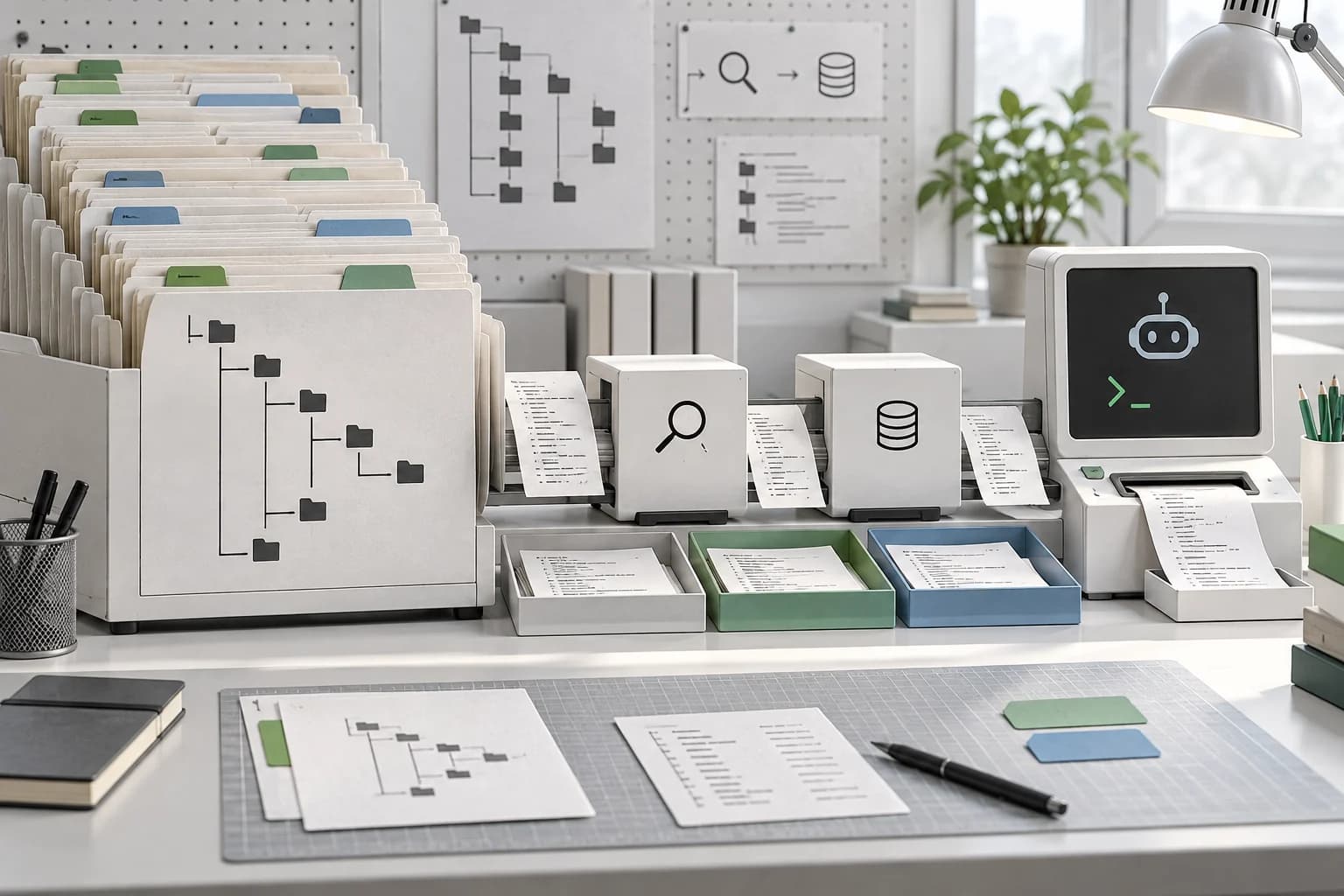
Agent Retrieval Bench isolates the part of coding-agent work most evals hide: did the agent find the right repository files before it started editing?
8 min read
Absence Is the Failure Mode
An audit of three deployed AI scribes found one note in three carries a verified failure, and the dominant error is omission: information the clinician encounter established that the note never records. The standard fix, an LLM judge reading the note against the transcript, is near coin-flip at detecting exactly that class - judges verify presence, not absence. The fix is not a better judge. It is a restructured task: enumerate the facts, then check each one.
11 min read

Diffs vs Whole Files: What Code Editing Agents Should Rewrite
A new code-editing paper finds full-file generation beating iterative diff edits on Flutter/Dart tasks. The useful takeaway is not to abandon diffs, but to route by task locality.
8 min read
Terminal-Universe Turns Agent Traces Into Training Environments
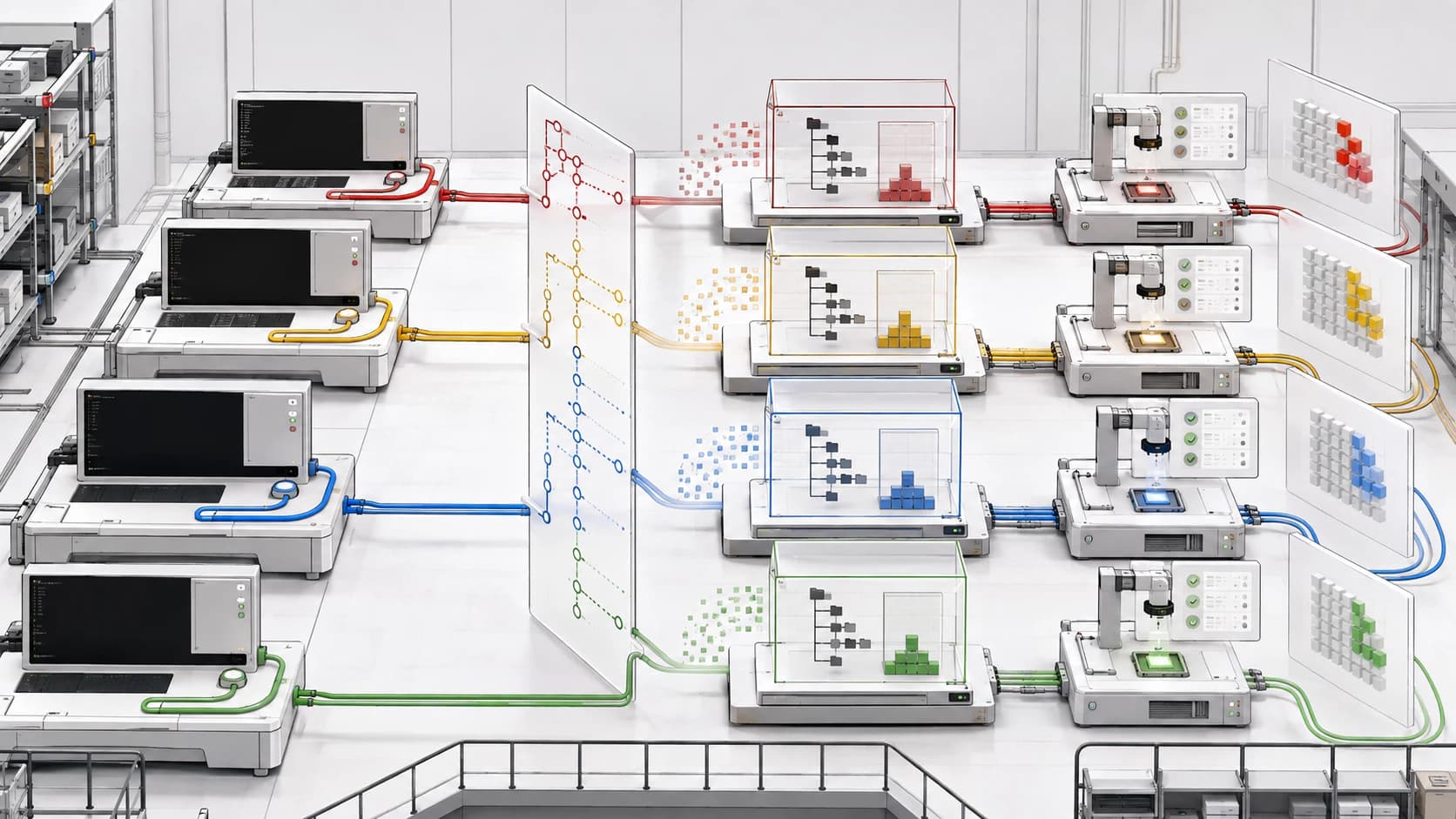
Qwen's Terminal-Universe paper argues that terminal-agent trajectories are more useful when you reconstruct the workspace behind them, then generate new verifiable tasks from that environment.
7 min read
The Response Looked Right. The Work Was Not Done.
Across three independent benchmarks this week, agents claimed completion they had not earned: 75.5 percent of non-passing Claude Code trajectories end in language that says done, high partial scores hide 0 to 4 percent real delivery, and answer-only evals count invalid traces as wins. The same week produced the fix: completion is becoming a certifiable artifact - a typed certificate bound to a replayable trace - and it works. Our bet: by end of 2027, 'done' stops being the model's claim and becomes a checked artifact in any consequence-bearing workflow.
10 min read

6 of 11 ASR Models Transcribe the Benchmark, Not the Audio: Benchmark Optimization in Speech, Quantified
A Hume AI and Hugging Face study puts hard numbers on 'benchmaxxing' in speech recognition: on two of the most-used ASR datasets, top-scoring models reproduce erroneous or silenced reference transcripts 18-30% of the time, and several can identify which benchmark they are being tested on with up to 90% accuracy.
7 min read
The Oracle Is Agreeing With Itself
A feedback-driven test-generation loop reported steady improvement. An audit found a single-reference oracle had inflated the measured gain by 9.46 to 14.85 points, independent resampling beat the evolution at equal budget, and a placebo arm erased the feedback benefit. The judge was never the only layer that lied - the reference underneath shares the disease. Independent verification is the only real verification.
10 min read

The Judge Is Now a System You Design
LLM judges flip 25 to 71 percent of their verdicts under pushback and 62 to 91 percent under a trainable persuader, model rankings reverse across token budgets, and a deliberating jury of cheap open-weight models beats frontier single judges at 8 to 15 percent of the cost. The single-judge era is over. Here is the design spec that replaces it.
11 min read
Mendel Godel Machine: Why Self-Improving Coding Agents Need Lineage
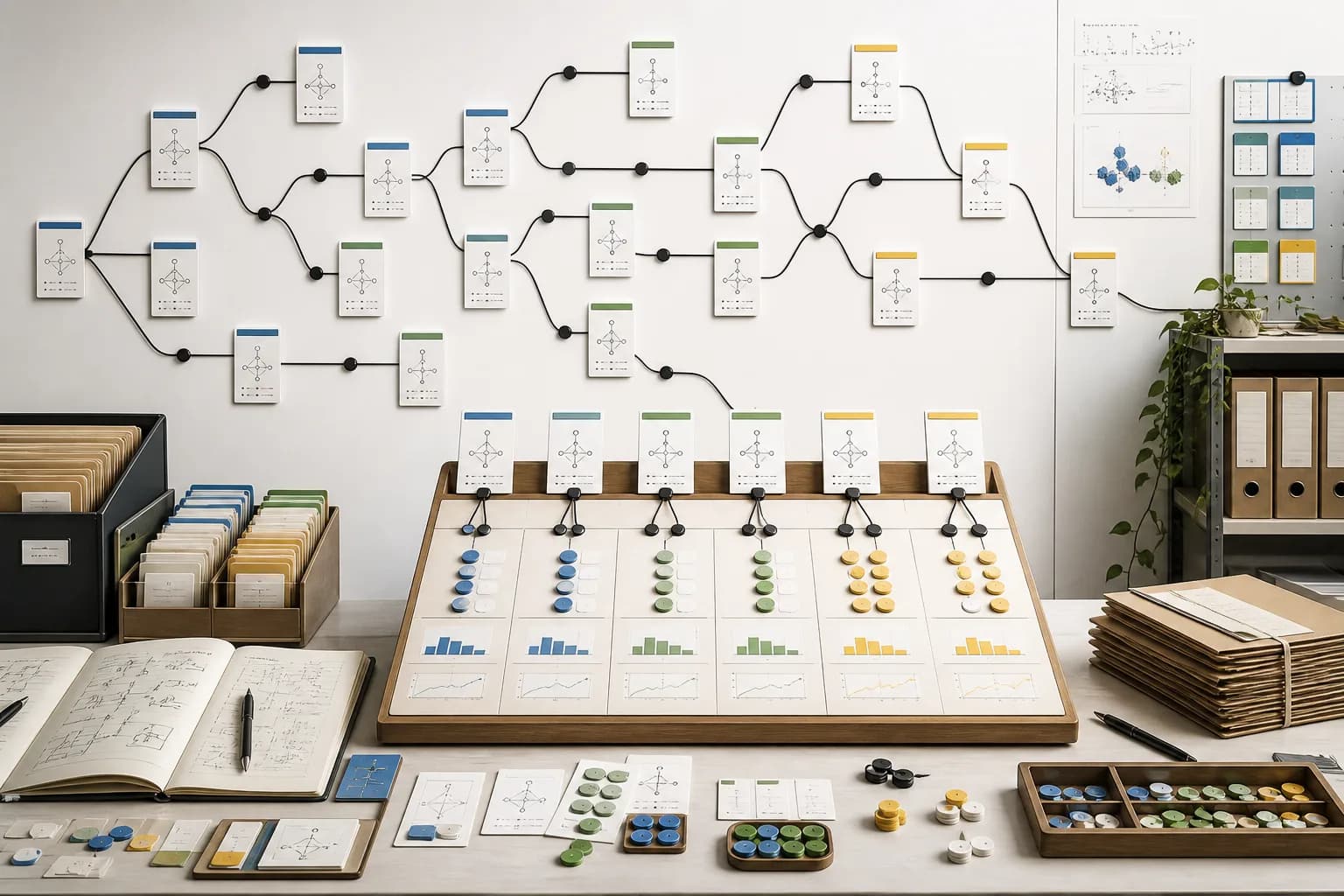
A new August 2026 paper argues that coding agents improve faster when they compare attempts across tasks and lineages, not just retry one failed trajectory.
8 min read
TutorMoments: AI2's New Benchmark Shows LLM Tutors Over-Help by Default
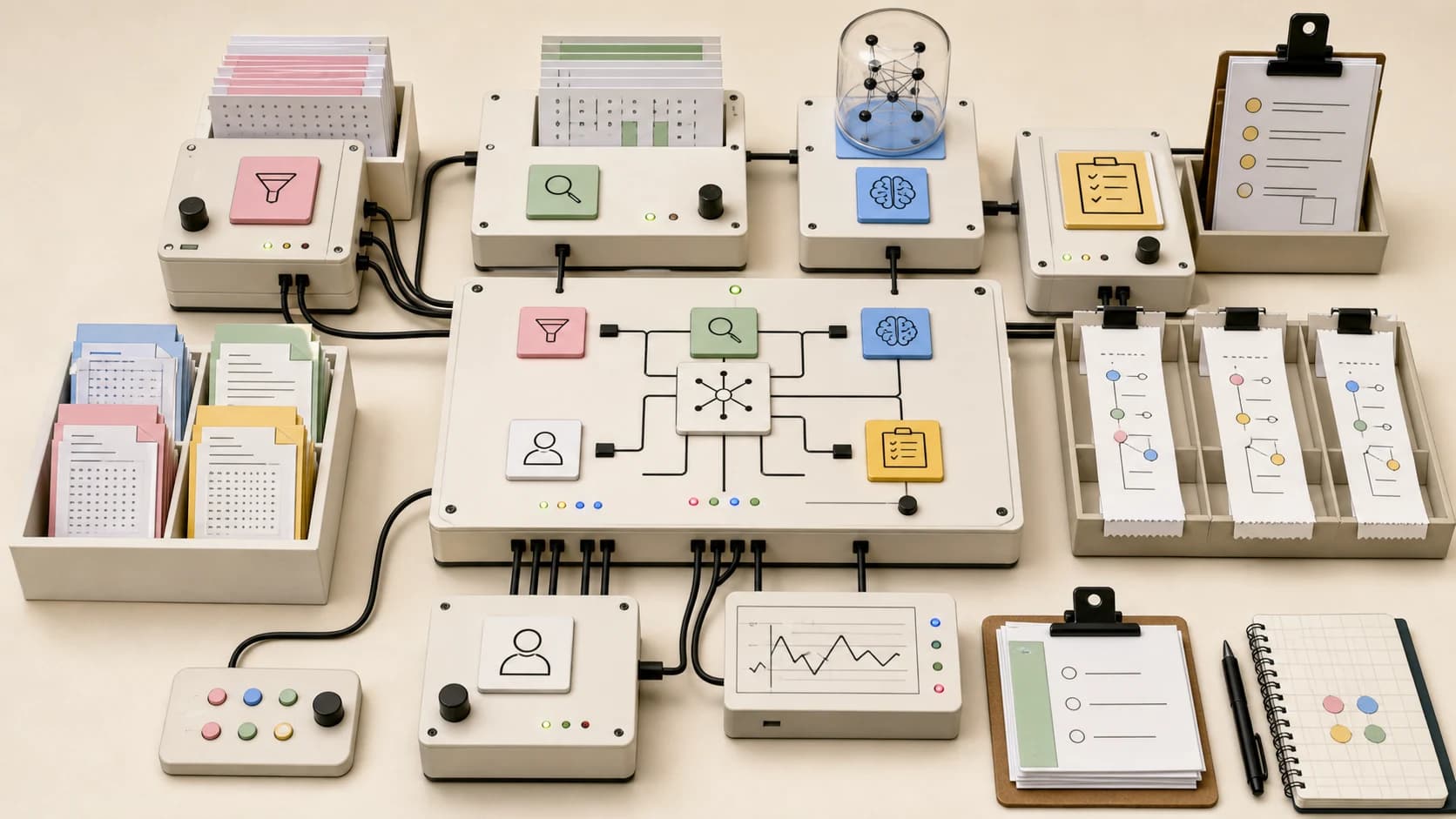
AI2 released TutorMoments, a replay-based benchmark that drops seven LLMs into real math tutoring transcripts and scores whether they scaffold when help is needed or push for rigor when the student can do more. The default finding: models over-help, and spelling out the trade-off in the prompt lifts every score but does not close the gap to a consistent human call.
7 min read

The Plateau Was the Instrument
Twelve frontier models sat at 60 percent on scientific coding, successors tying predecessors - a textbook saturation curve. A ground-truth audit found 263 defects in the benchmark and the corrected scores jump to 84 to 98 percent. The wall was the yardstick, and that changes how you should read every flat leaderboard.
10 min read
The Judge Is Leaving the Agent Loop
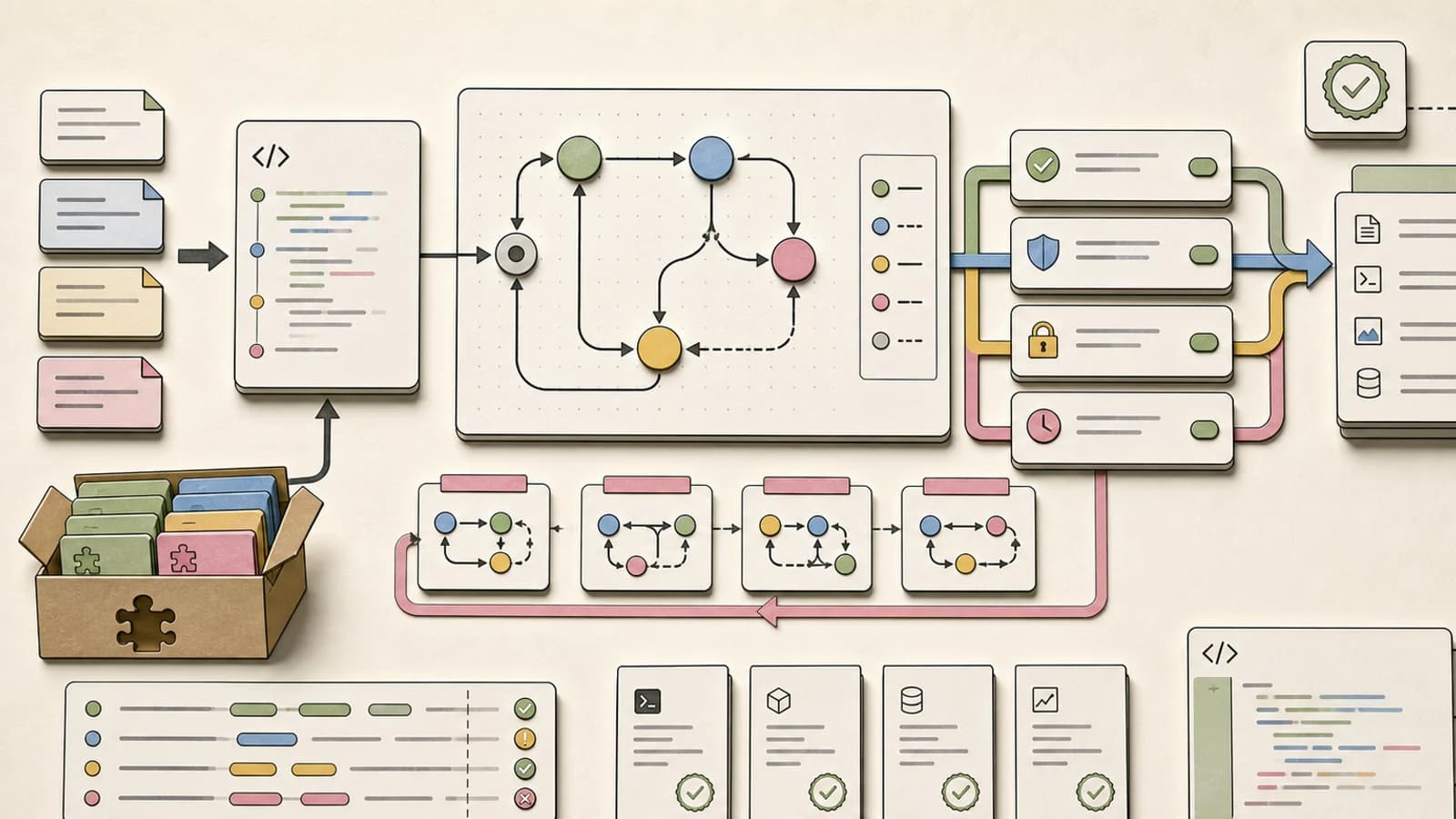
Evidence gates, verifiable reward games, deploy-time certificates: the fixes that moved agent quality this week did not make judges better, they removed the judge. We think the LLM verdict inside the agent loop is a transitional technology, and here is the bet you can grade us on.
10 min read
The Fix for Broken Benchmarks Is Architecture, Not Smarter Models
Since we published your-benchmark-is-lying-to-you, roughly 25 new results have landed on the eval-integrity question. The surprise: every fix that works is structural - ledgers, counterfactuals, decompositions, personas, readout discipline - and none of them asks the model to be smarter.
11 min read
Your Benchmark Is Lying to You
A wave of audits in the last two days measured the noise floor of agent benchmarks: misaligned ground truth, lenient model judges, and aggregate scalars that hide real failures. Here is what the numbers actually mean, what to trust, and how to buy agents without being played.
10 min read

AgentS4D: 66% of All Coding Agent Runs Were Unsafe Yet Still Completed
A new arXiv benchmark ran 6,560 sandboxed runs across Claude Code, Codex, OpenClaw, and Hermes with five LLMs. 68% of runs triggered unsafe signals, and 66% of all runs were unsafe yet still passed completion checks. Task completion does not prove an agent ran safely.
7 min read
DeepSeek V4 Flash 0731: The Budget Tier Just Overtook Pro Preview on Agent Benchmarks
DeepSeek re-post-trained V4 Flash into an agent workhorse: Terminal Bench 82.7, DeepSWE 54.4, native Responses API, and first-party Codex support - all at $0.14/$0.28 per million tokens. What changed, what the numbers actually mean, and how to wire it up today.
9 min read
Benchmarking Opus 5 on SlopCodeBench: AI Code Quality Under Iteration
Running Opus 5 through SlopCodeBench's multi-checkpoint gauntlet reveals that frontier models still degrade codebases over time. 24% strict pass rate, 5x more functions than Opus 4.8, and 93% of code lines trigger slop detectors.
7 min read
Terminal-Bench Shows Harness Scaling Is the Coding-Agent Benchmark Now
StateM pushes Terminal-Bench 2.1 to 95.3% raw accuracy by scaling the harness around the model. The lesson for coding-agent teams is that runbooks, state, and recovery loops now matter as much as model choice.
11 min read
Apple SpeechAnalyzer vs Whisper: Independent Benchmark Shows Apple Winning on Accuracy
New benchmarks on 5,559 test utterances show Apple's iOS 26 SpeechAnalyzer API achieving 2.12% word error rate - beating all Whisper model sizes while running 3x faster.
5 min read

Cursor Composer 2.5 Developer Guide 2026
Cursor shipped Composer 2.5 in May 2026 - a 1T parameter agentic coding model that matches Opus 4.7 and GPT-5.5 on benchmarks at roughly one tenth the cost. Here is everything you need to know to use it effectively.
8 min read
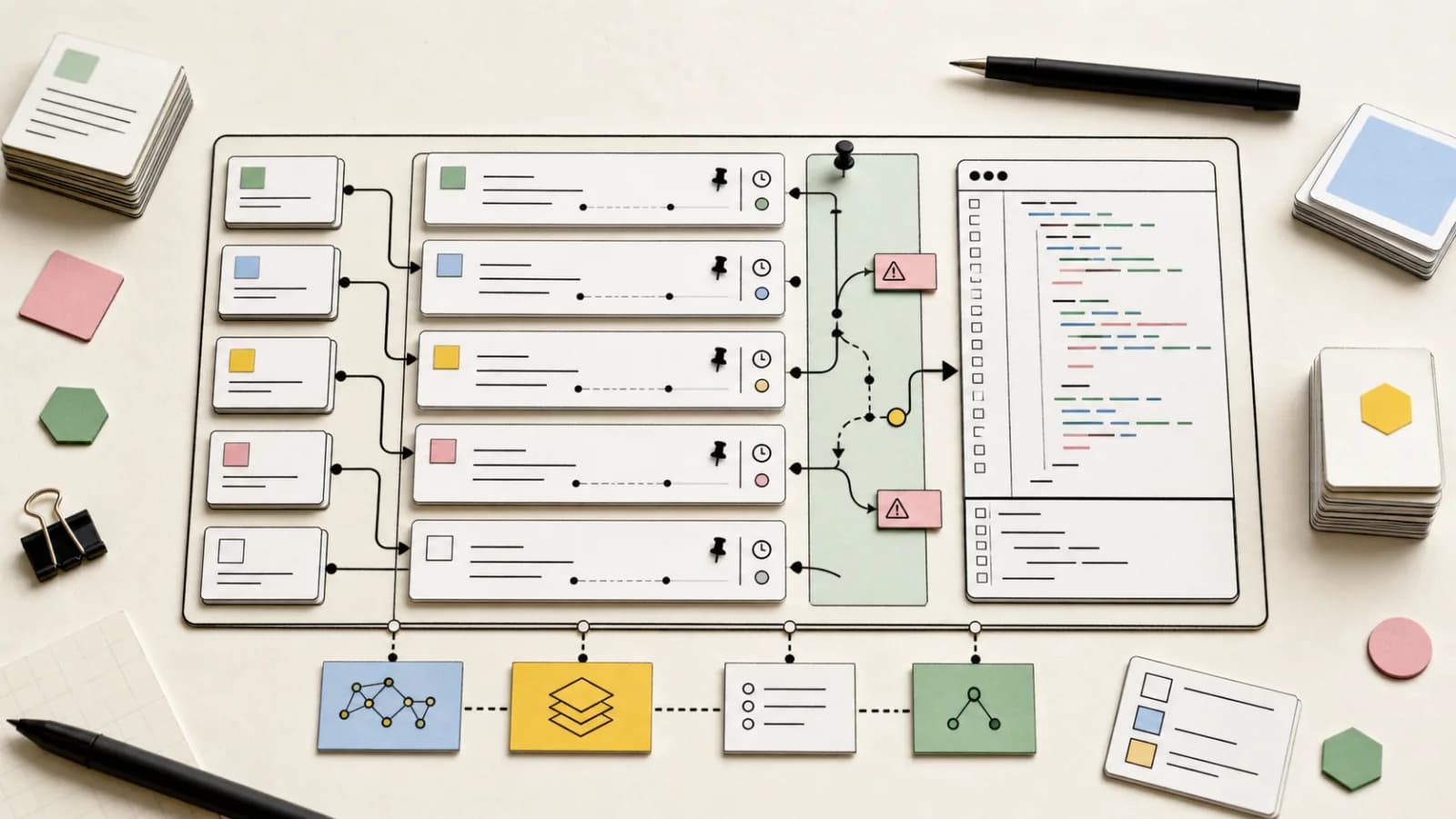
GPT-5.5 Has a 3x Higher Hallucination Rate Than MIT-Licensed GLM-5.2
New benchmark data shows GPT-5.5 hallucinates 86% of the time when it does not know the answer - versus 28% for the open-weights GLM-5.2. The numbers challenge the assumption that bigger models equal more reliable output.
6 min read
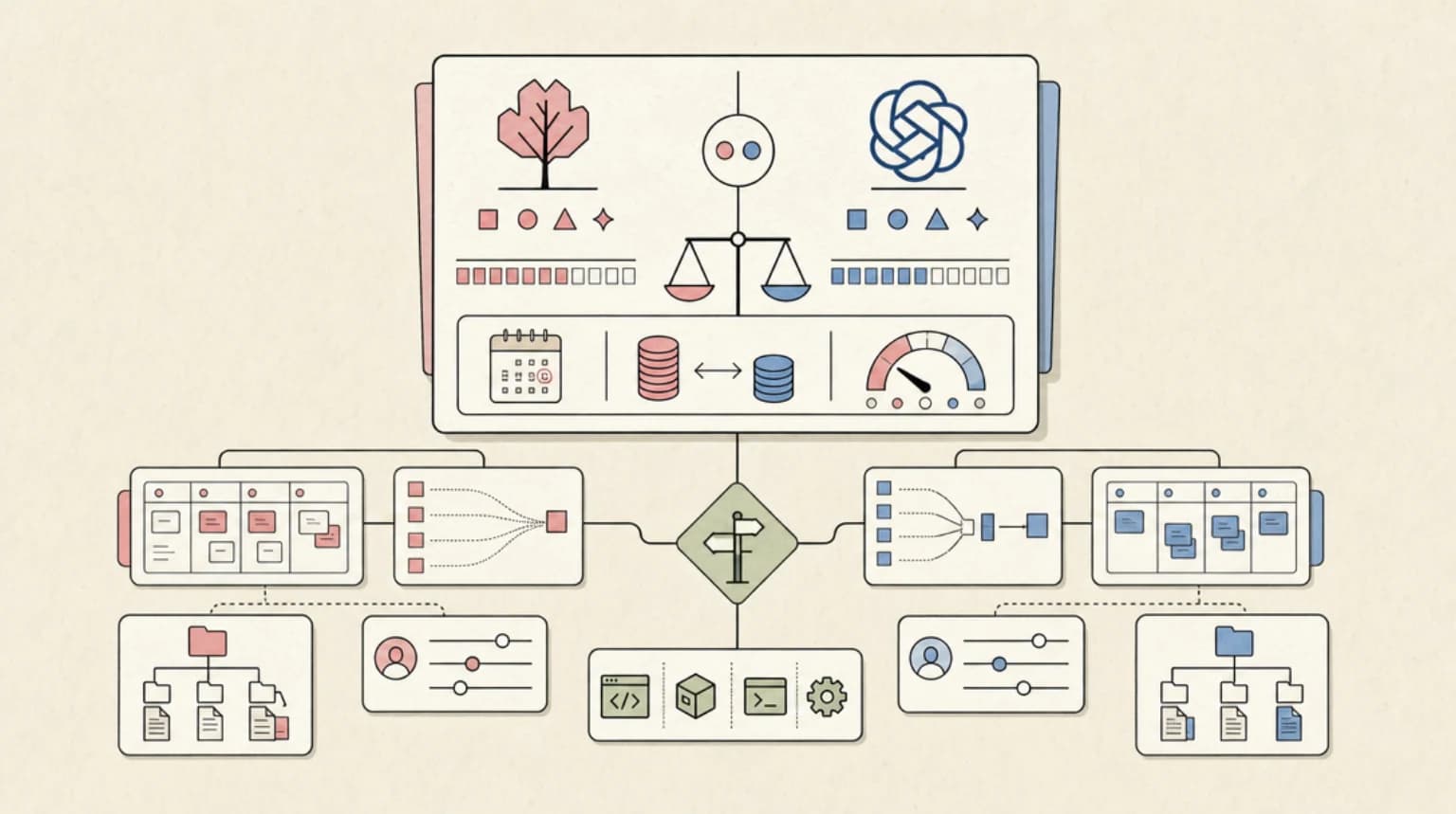
Claude Fable 5 vs GPT-5.6 Sol: Benchmarks, Pricing, and When Each Wins
Fable 5 is API-only at 2x GPT-5.6 Sol's price with a 15-point SWE-Bench Pro gap. Here is the decision framework for choosing between them in August 2026.
12 min read
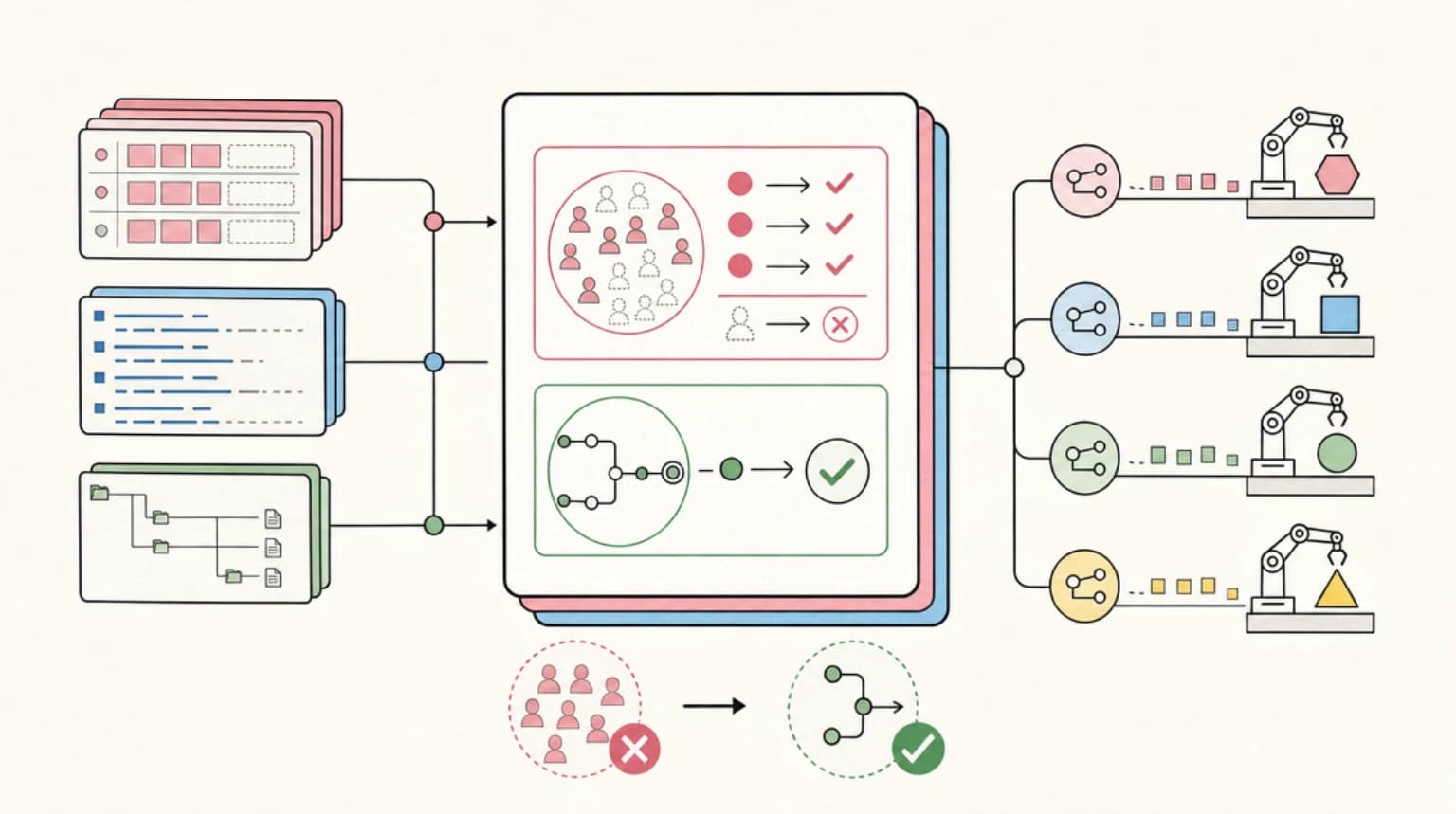
FrontierCode Benchmark Explained: Why AI Coding Quality Scores Are Wrong (And the Fix)
SWE-Bench has an 81% false-positive problem. FrontierCode replaces it with mergeability as the metric - and the scores are sobering for every AI coding tool on the market.
8 min read
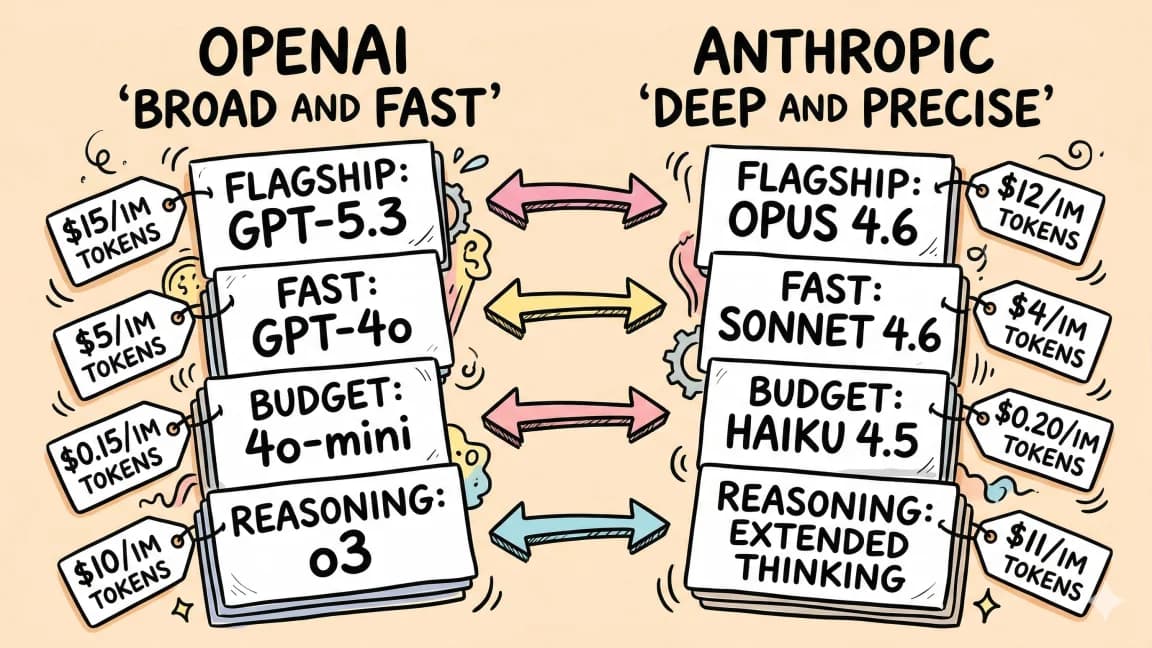
GPT-5.5 for Developers: A Production Field Guide
GPT-5.5 and 5.5 Pro hit the API on April 24. Here is what changes for builders: pricing, agentic tasks, tool-use, and the real benchmarks I ran the day it dropped.
11 min read
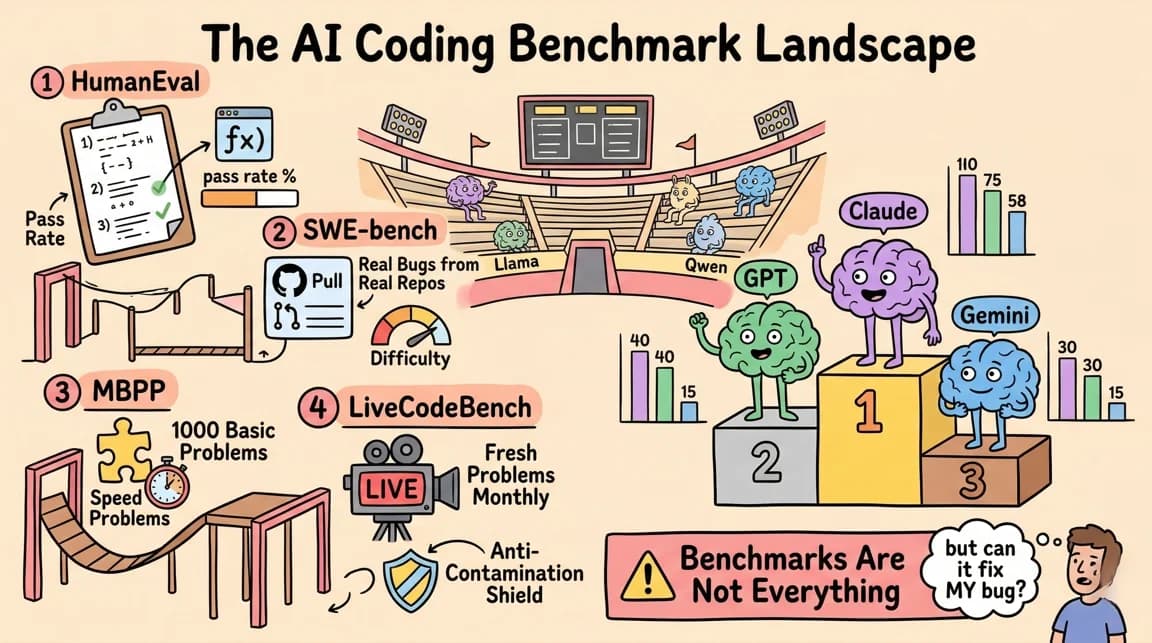
Web Dev Arena: How to Test AI Coding Models on Real Frontend Work
Benchmarks are useful, but frontend work fails in places leaderboards barely measure. Here is how Web Dev Arena turns AI model comparison into a practical UI evaluation workflow.
8 min read
Claude Sonnet 4.6: Approaching Opus at Half the Cost
Anthropic's Sonnet 4.6 narrows the gap to Opus on agentic tasks, leads computer use benchmarks, and ships with a beta million-token context window. Here's what actually changed.
6 min read

Grok 4: xAI's Most Powerful AI Model
xAI has launched Grok 4, claiming the title of the world's most powerful AI model. With a $300/month Super Grok tier, saturated AMI benchmarks, and a coding model on the horizon, this is xAI's bigge...
7 min read
xAI Grok 3 Launch: The Smartest AI on Earth?
xAI launched Grok 3 with 200,000 GPUs, outperforming GPT-4o, Sonnet 3.5, and DeepSeek R1 on reasoning benchmarks. Here is what the hardware, the benchmarks, and the new features actually mean for developers.
9 min read
Keep exploring
More on Benchmarks
- - Glossary - dive deeper across the Developers Digest knowledge base
- - All Benchmarks articles in the blog archive
- - Developers Digest on YouTube - video tutorials covering Benchmarks and more

Get Smarter About AI Dev
New tutorials, open-source projects, and deep dives on coding agents - delivered weekly.
One email per weekReal code, not theoryFree forever
Explore 819 topics
Browse All Topics