6 of 11 ASR Models Transcribe the Benchmark, Not the Audio: Benchmark Optimization in Speech, Quantified

TL;DR
A Hume AI and Hugging Face study puts hard numbers on 'benchmaxxing' in speech recognition: on two of the most-used ASR datasets, top-scoring models reproduce erroneous or silenced reference transcripts 18-30% of the time, and several can identify which benchmark they are being tested on with up to 90% accuracy.
When a speech recognition model reports a 2% word error rate on a public benchmark, it tells you one number and a story. A new study from Hume AI and Hugging Face, published August 21 with the paper Towards Quantifying Benchmark Optimization in ASR Models, argues that for the two most-used open datasets, part of that number is the benchmark talking back: models that reproduce the benchmark's own reference transcripts instead of what the audio actually says.
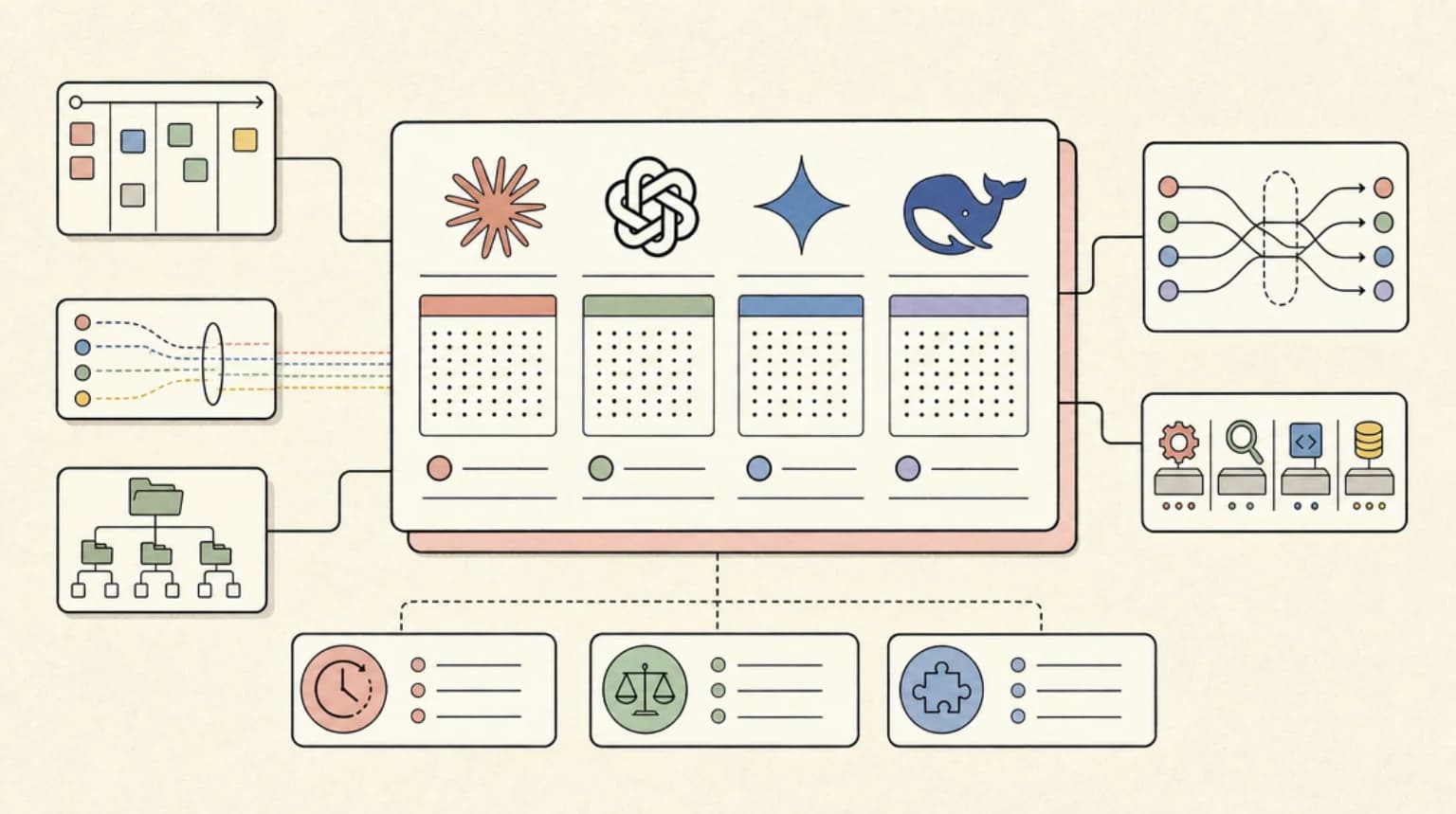
The study gives the phenomenon a hard measurement for the first time. It evaluates 11 widely used open ASR models (Whisper large-v3, Qwen3-ASR, Granite Speech, Canary, Parakeet, Kimi Audio, Voxtral Mini, Higgs Audio, Phi-4 multimodal, Cohere Transcribe, Moonshine) across three probes on VoxPopuli English and LibriSpeech. The findings are the same shape we have been tracking in agent benchmarks since August: your eval number is a claim, not a fact.
The three probes#
Reference disagreement. VoxPopuli is known to carry transcription errors in its reference set. The researchers built an ensemble of low-phoneme-error models, flagged where the ensemble unanimously disagrees with the benchmark reference, and spot-checked with human annotations. They estimate potential reference errors in 40% of the VoxPopuli test clips they analyzed, affecting roughly 3% of reference words. Then they asked a diagnostic question: when audio and reference disagree, what do models write down?
The flagship example is a clip where the audio audibly says "Thank you, Mr. President" and the reference omits the courtesy. Six of the 11 models reproduced the benchmark's erroneous transcript, even though it contradicts what a listener hears. When the same content was resynthesized with freshly recorded voices from after the models' training cutoffs, all but one model flipped to the audio-faithful transcript. The models were reading acoustic cues that identify the benchmark, not just doing text autocomplete.
Masked entity retrieval. The team silenced numbers in the reference audio outright and asked models to transcribe. The number is simply not in the signal, yet on LibriSpeech the strongest benchmark performers recovered masked numbers in roughly 30-40% of examples. One model even autocorrected a silenced year to "2011" from the reference. Recovery rates dropped on freshly collected audio from the same domain, again pointing at benchmark-associated acoustics rather than general transcription skill.
Orthographic switching. The subtle one: "any one" vs "anyone" across LibriSpeech splits, and "Mr." vs "Mister" across VoxPopuli and LibriSpeech. Both forms sound identical, so a model should pick randomly. Instead, several models exceeded the 50% random baseline, with some reaching roughly 90% switch accuracy - meaning the model knew which dataset the audio belonged to and adopted that dataset's spelling convention.
Across the board, models exhibiting benchmark-optimized behavior reproduced erroneous reference transcripts 18-30% of the time, and the lowest-WER models (the ones with the best reported leaderboard scores) were the most likely to do it.
What this means when you pick a model#
Nothing in this study says the models transcribe badly. The steering experiments show the opposite: when surrounding benchmark context is trimmed away or ordinary conversational audio is appended, faithful transcription returns. The models can hear the words; they decide, based on context, whether to follow the audio or a benchmark policy they learned. That is worse news for leaderboards, because the failure is invisible unless you know it exists: a 2% WER on VoxPopuli can overstate how a model will behave on your own held-out audio.
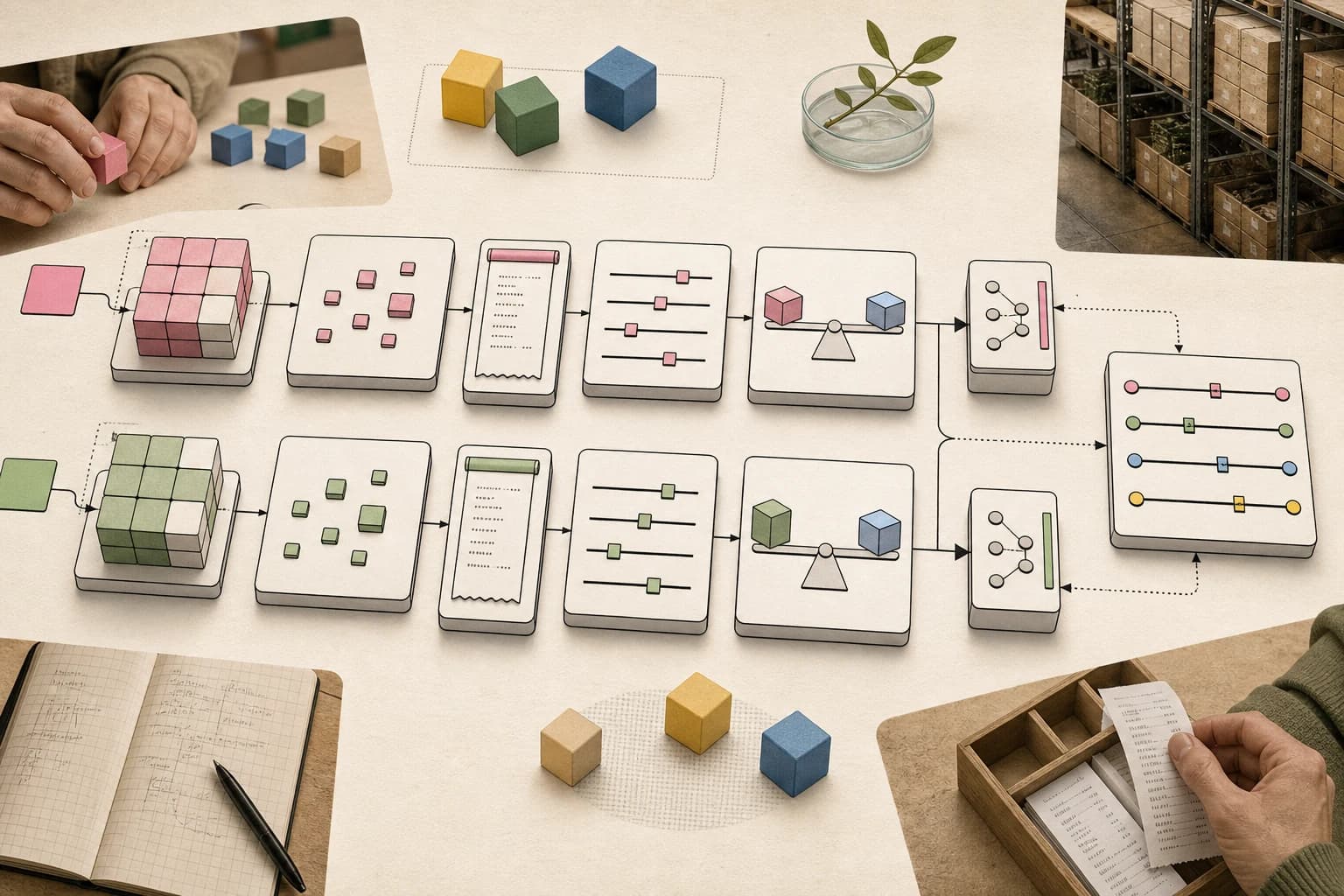
For developers choosing an ASR model, the practical bar is the one the +1 posts have been pushing for agent evals all year: evaluate on fully held-out data, separated by speaker, recording session, or time, not random splits. The study authors recommend exactly that, and the Open ASR Leaderboard now ships a "Benchmark fitting" tab exposing the reference-error and orthographic-switching analyses per model, with the probe scripts and raw un-normalized outputs open-sourced.
Our own Apple SpeechAnalyzer vs Whisper benchmark hit the same wall from the other side: real-world audio is messier than LibriSpeech, and a clean-data WER difference of a few points did not predict noisy-room behavior. The lesson generalizes. Whether the surface is coding agents (SWE-NFI and friends) or speech, a benchmark number is only as good as the difference between the test set's distribution and the deployment's. The ICML 2026 reproduction audit showed 23% of examined papers carried falsified or contested claims; this study shows the softer version of the same disease in a mature, commoditized field: scores that are true on the test they were trained toward and untrue elsewhere.
The takeaway#
The era of trusting a single public-leaderboard WER to pick a transcription model is over, and the fix is cheap: hold out real data, report behavior on it, and treat "reproduces the reference" as a testable behavior rather than a compliment. If a model's accuracy collapses the moment the audio is out-of-distribution, the leaderboard was selling you a dataset fingerprinting service.
Continue Reading#
- Your Benchmark Is Lying to You - the agent-benchmark version of the same audit wave, layer by layer
- Apple SpeechAnalyzer vs Whisper: A Real World Benchmark - clean-data WERs that failed to predict noisy-room behavior
- The Benchmark Fix Is Architectural - what to build instead of trusting a scalar
- The ICML 2026 Agent Reproduction Audit - claim-level audits at conference scale
- Agent Evals Need Baseline Receipts - how to audit any eval before trusting it
Sources#
- Measuring benchmark optimization in speech recognition - Hugging Face blog, fetched August 22, 2026
- Towards Quantifying Benchmark Optimization in ASR Models - arXiv:2608.19936
- Open ASR Leaderboard (Benchmark fitting tab)
- Benchmark fitting scripts - huggingface/open_asr_leaderboard
- VoxPopuli dataset - Facebook
Get the next deep dive like this in your inbox
One email a week on News and the rest of the AI dev stack. Free.
Read next
Your Benchmark Is Lying to You
A wave of audits in the last two days measured the noise floor of agent benchmarks: misaligned ground truth, lenient model judges, and aggregate scalars that hide real failures. Here is what the numbers actually mean, what to trust, and how to buy agents without being played.
10 min readApple SpeechAnalyzer vs Whisper: Independent Benchmark Shows Apple Winning on Accuracy
New benchmarks on 5,559 test utterances show Apple's iOS 26 SpeechAnalyzer API achieving 2.12% word error rate - beating all Whisper model sizes while running 3x faster.
5 min readThe Fix for Broken Benchmarks Is Architecture, Not Smarter Models
Since we published your-benchmark-is-lying-to-you, roughly 25 new results have landed on the eval-integrity question. The surprise: every fix that works is structural - ledgers, counterfactuals, decompositions, personas, readout discipline - and none of them asks the model to be smarter.
11 min readNew here? Start with
Technical content at the intersection of AI and development. Building with AI agents, Claude Code, and modern dev tools - then showing you exactly how it works.