VS Code 1.128 Multi-Chat Claude Sessions Developer Guide 2026

TL;DR
VS Code 1.128 shipped today with multi-chat support for Claude agent sessions. Run parallel conversations in one workspace, fork turns, compare approaches, and monitor subagents. Complete setup and workflow guide.
Official Sources#
| Resource | Link |
|---|---|
| VS Code 1.128 Release Notes | code.visualstudio.com/updates/v1_128 |
| VS Code Agents Window Docs | code.visualstudio.com/docs/agents/agents-window |
| Claude Agent SDK | code.claude.com/docs/en/agents |
| VS Code Multi-Agent Blog | code.visualstudio.com/blogs/2026/02/05/multi-agent-development |
| Copilot Vision Docs | code.visualstudio.com/docs/copilot/copilot-vision |
VS Code 1.128 dropped today (July 8, 2026) with multi-chat support for Claude agent sessions. This is the feature parallel agent users have been hacking around with terminal splits and separate windows - now native in the editor.
If you run Claude Code or the Claude extension in VS Code and want to compare approaches, branch from an earlier turn, or run work concurrently without leaving your IDE, this is how to set it up.
What Multi-Chat Actually Means#
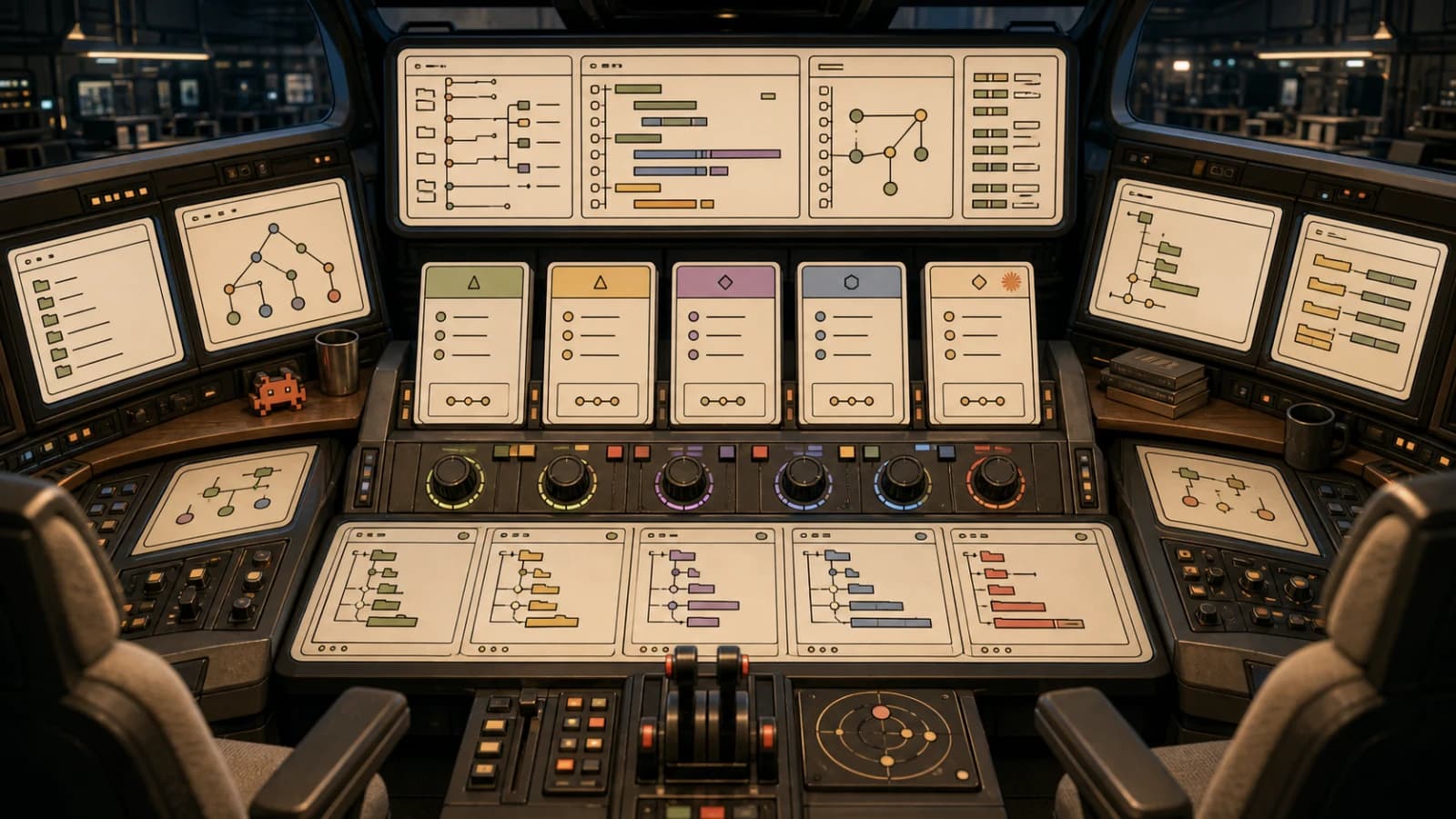
Multi-chat lets you run multiple conversations inside a single Claude session. Instead of opening a second VS Code window or starting a new top-level session for a parallel task, you fork the current chat or add a peer conversation.
Each chat maintains:
- Its own history and context - forking preserves state up to the branch point
- Its own title - rename to track what each thread is doing
- Its own model selection - run Sonnet on routine work, Opus on the hard problem
- Persistence across reload - chats restore with the parent session
The chats stay grouped under one session. They do not clutter your session list. You can send turns concurrently and switch between active conversations with keyboard shortcuts.
Why This Matters#
Before today, parallel agent work in VS Code meant one of three things:
- Multiple VS Code windows (heavy, loses shared workspace state)
- Multiple Claude Code terminal tabs (works but no IDE integration)
- Starting separate sessions and mentally tracking which is which
Multi-chat fixes the core problem: you can explore two implementation paths without abandoning context or duplicating setup. Fork the conversation before committing to one approach. If the fork wins, continue there. If it loses, switch back.
For anyone already running parallel agents in terminal-based tools like Claude Code CLI or Aider, this brings the same workflow into an IDE context. For anyone used to single-threaded Claude chats, this unlocks a faster iteration loop.
Setting Up Multi-Chat#
Prerequisites#
- VS Code 1.128 or later (released July 8, 2026)
- Claude extension installed and authenticated
- Agents window enabled (experimental feature as of 1.128)
Enable the Agents Window#
Open Command Palette (Cmd+Shift+P / Ctrl+Shift+P) and run:
Agents: Enable Agent Host
Restart VS Code if prompted. The Agents window appears in the sidebar.
Start Your First Multi-Chat Session#
- Open the Agents window
- Start a Claude session as usual
- Once the session is running, use one of these methods to add chats:
Cmd+N(Mac) /Ctrl+N(Windows/Linux) to create a new peer chat- Fork an existing turn by right-clicking on a message and selecting "Fork from here"
- Use the "+" icon in the chat header
Navigate Between Chats#
| Action | Shortcut (Mac) | Shortcut (Windows/Linux) |
|---|---|---|
| New chat | Cmd+N | Ctrl+N |
| Switch to next chat | Cmd+Option+Right | Ctrl+Alt+Right |
| Switch to previous chat | Cmd+Option+Left | Ctrl+Alt+Left |
| Reopen closed chat | Cmd+Shift+T | Ctrl+Shift+T |
| Delete chat | Cmd+W | Ctrl+W |
Select Different Models Per Chat#
Each chat can run a different model. Click the model selector in the chat header to choose:
- Claude Sonnet 5 - default, balanced speed/quality ($2/$10 per MTok intro pricing through August 31)
- Claude Opus 4.8 - stronger reasoning, higher cost ($5/$25 per MTok)
- Claude Haiku 4.5 - fastest, cheapest ($1/$5 per MTok)
Run routine refactors on Sonnet, complex architectural decisions on Opus, quick questions on Haiku - all in the same session.
Practical Workflow Patterns#
Pattern 1: Fork Before Committing#
You have an agent halfway through a refactor and want to try an alternative approach.
- Right-click on the turn before the critical decision
- Select "Fork from here"
- Give the new chat a descriptive name ("Try hooks approach")
- Continue the original chat with the first approach
- Compare results and continue with the winner
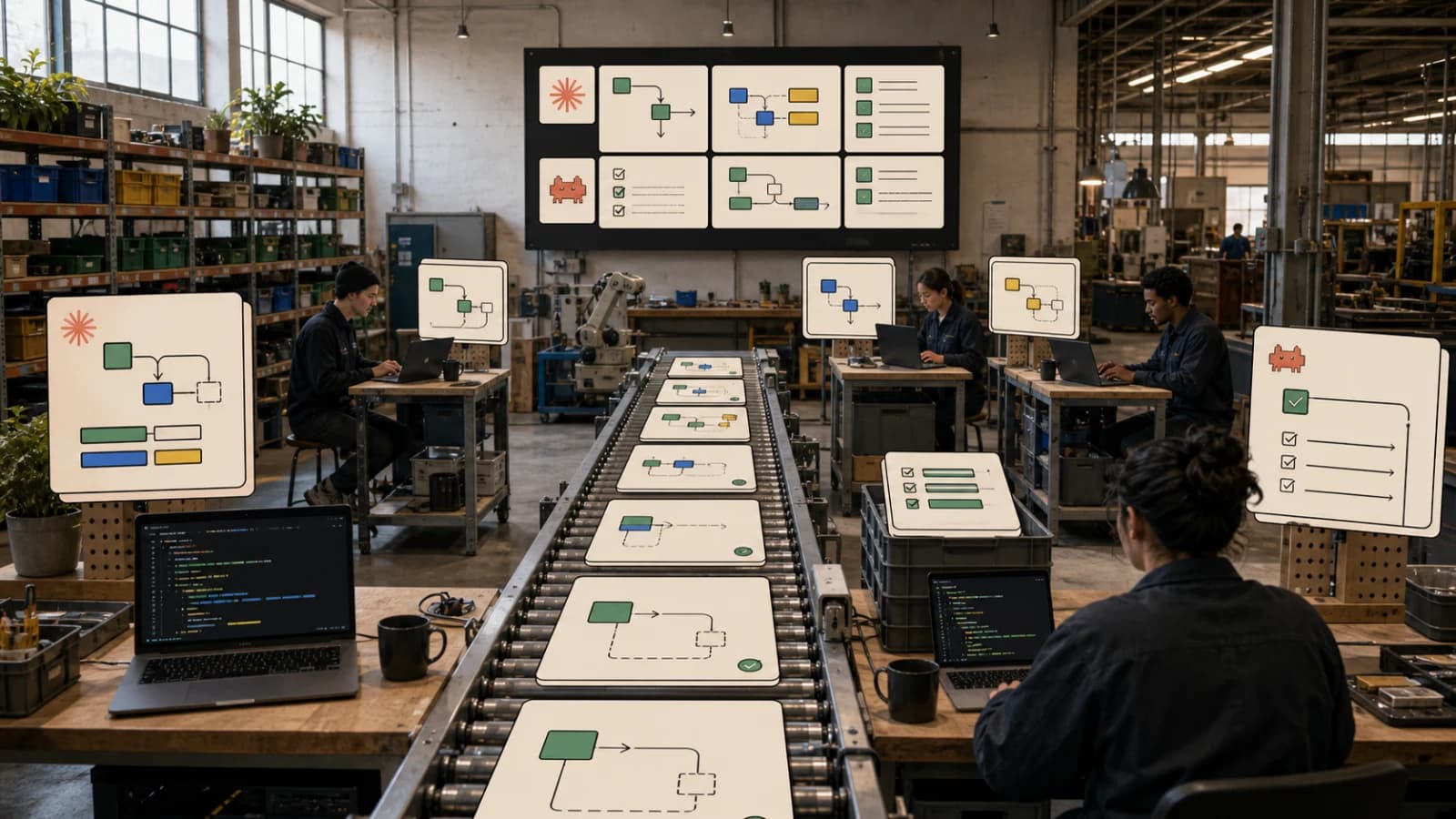
Pattern 2: Parallel Problem Decomposition#
You have a large feature with independent parts.
- Start the Claude session
- Create three peer chats: "API layer", "Frontend components", "Tests"
- Send initial prompts to all three concurrently
- Switch between chats to check progress and provide follow-ups
Each chat works on its scope. No context pollution between threads.
Pattern 3: Subagent Monitoring#
When Claude spawns subagents for parallel work, those subagent transcripts now appear as read-only peer chats.
- Start a complex task that spawns subagents (e.g., "Refactor the auth system and update all tests")
- Watch the Chats section - subagent conversations appear as they start
- Monitor progress without interrupting the main agent
- If a subagent goes wrong, you see it immediately
This is preview functionality as of 1.128. Expect refinements in subsequent releases.
Quick Chats Without a Workspace#
New in 1.128: start a chat in the Agents window without opening a folder first. Useful for:
- Quick code questions
- Drafting snippets before deciding where they go
- Testing prompts before applying them to a project
Quick chats appear in a dedicated "Chats" section and persist across reload.
Copilot Vision Is Now GA#
While not directly related to multi-chat, VS Code 1.128 also shipped Copilot Vision as generally available:
- Attach images by pasting, dragging, or dropping into chat
- Attach PDFs for document analysis
- Agents can read images via tool calls
For debugging UI issues or reviewing designs with AI assistance, vision support closes a common workflow gap.
Comparison: VS Code Multi-Chat vs Zed Parallel Agents#
Zed shipped parallel agents in April 2026. How does VS Code's approach compare?
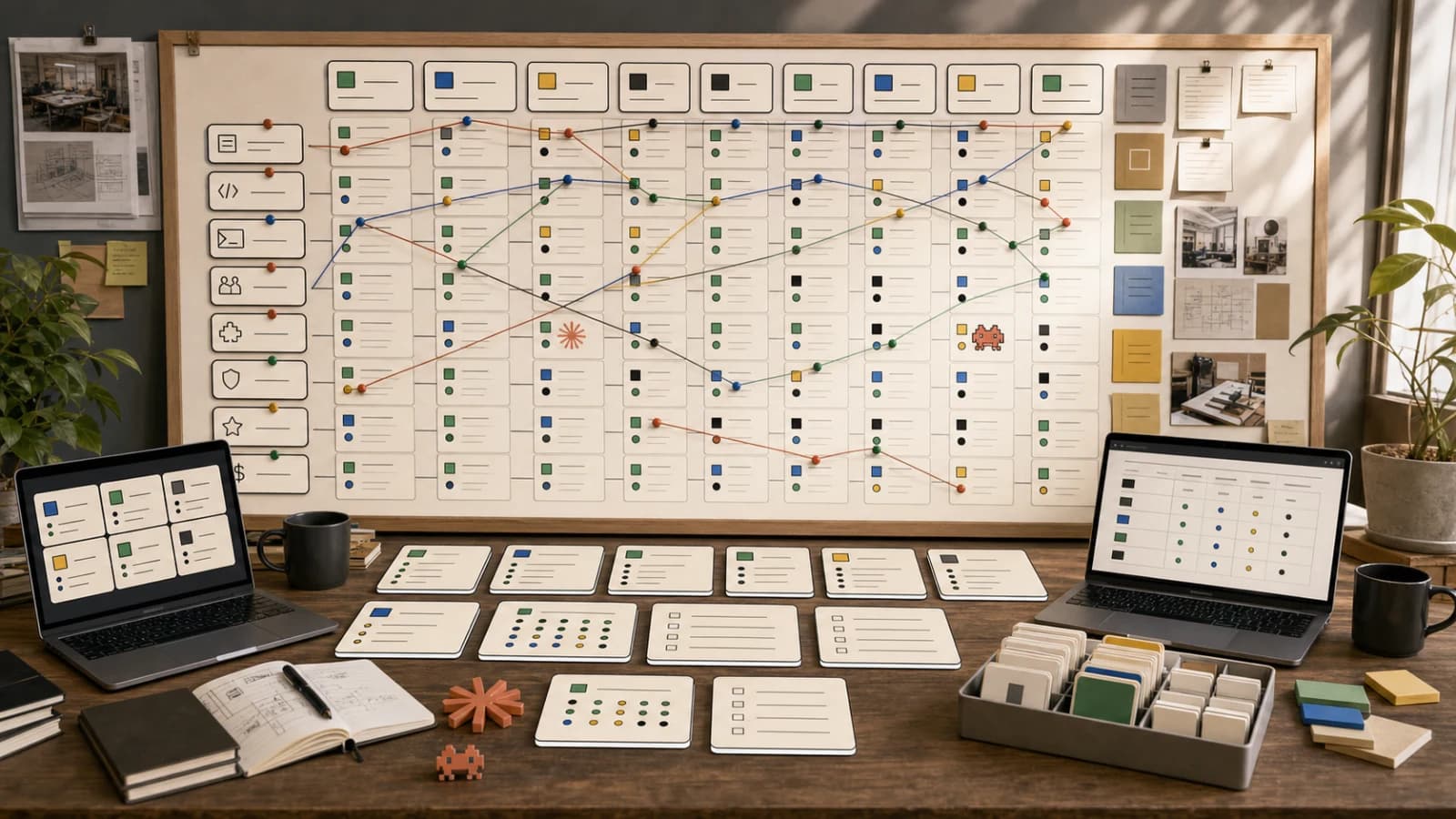
| Feature | VS Code 1.128 | Zed Parallel Agents |
|---|---|---|
| Multi-thread UI | Peer chats in one session | Threads Sidebar |
| Per-thread model selection | Yes | Yes |
| Worktree isolation | Shared workspace | Per-thread worktree pinning |
| Subagent monitoring | Yes (preview) | Not native |
| Fork from turn | Yes | No (must start new thread) |
| OS-level keybindings | Yes (new in 1.128) | No |
| Performance | Electron | Rust, 120fps |
Zed's approach emphasizes worktree isolation - each thread can pin to a different Git worktree. VS Code's approach emphasizes conversation forking and model selection per chat.
For pure parallel execution with filesystem isolation, Zed's design is stronger. For exploring implementation alternatives within a single codebase, VS Code's fork-from-turn workflow is faster.
Tips for Multi-Chat Productivity#
Name your chats immediately. Default names like "Chat 2" become useless when you have four threads running. Use descriptive names: "Backend auth refactor", "Try Redis approach", "Test coverage gaps".
Delete dead threads. Exploratory forks that did not pan out should be deleted (Cmd+W), not left open. Clutter slows navigation.
Use consistent model selection. If Opus is your default for this project, set it in each new chat. Inconsistent model selection produces inconsistent code quality.
Send concurrent prompts in batch. When decomposing a large task, write all initial prompts, then send them to separate chats in quick succession. Waiting for one response before starting another serializes what should be parallel work.
Troubleshooting#
Multi-chat option not appearing#
Ensure you are on VS Code 1.128 or later. Check Help > About for the version. If still missing, the Agents window may not be enabled - run Agents: Enable Agent Host from Command Palette.
Chats not restoring after restart#
Multi-chat persistence requires the parent session to be active. If the session itself was ended before restart, its peer chats do not restore.
Fork option grayed out#
Fork requires a completed turn. You cannot fork from a turn that is still streaming or from an error state.
FAQ#
Can I run multi-chat with the Claude Code CLI?#
No. Multi-chat is a VS Code-specific feature in the Agents window. The Claude Code CLI has its own parallel execution model via sub-agents and worktrees but does not integrate with VS Code's peer chat UI.
Does multi-chat cost more than single chat?#
Each chat is billed independently. If you run three chats concurrently, you pay for all three. There is no bundle discount - but also no premium for parallel execution. Standard model rates apply.
Can I export a chat thread?#
Not directly in 1.128. The Agents window does not have a native export function. Copy the conversation manually or wait for export support in a future release.
Does Copilot support multi-chat?#
Not in the same way. Copilot's chat remains single-threaded. Multi-chat is specific to Claude agent sessions in the Agents window.
Will forked chats share context going forward?#
No. Once forked, chats are independent. Changes in the original do not propagate to the fork. This is intentional - parallel exploration requires isolation.
Can I merge two chat threads?#
No merge functionality exists. If two approaches should be combined, manually copy the relevant outputs and synthesize them yourself.
Does multi-chat work with MCP servers?#
Yes. MCP servers connected to the Claude session are available to all peer chats. Tool calls in any chat can use the same MCP server instance.
Is there a limit to peer chats per session?#
No documented hard limit. Practical limits come from memory usage and your ability to track multiple threads. Most users report 4-6 concurrent chats as the productive ceiling.
What Comes Next#
Multi-chat is the first step toward treating parallel agent orchestration as a native editor feature. Expect future VS Code releases to add:
- Cross-chat context references
- Export and share functionality
- Improved subagent delegation UI
- Multi-session dashboards for large team workflows
For now, update to 1.128, enable the Agents window, and start experimenting with fork-from-turn workflows. The parallel agent workflow that previously required multiple windows now runs in a single pane.
Sources#
- VS Code 1.128 Release Notes - Official release announcement
- VS Code Agents Window Docs - Feature documentation
- VS Code Multi-Agent Development Blog - Background on multi-agent direction
- Anthropic Claude Agent Docs - Claude parallel execution reference
Get the next comparison like this in your inbox
One email a week on VS Code and the rest of the AI dev stack. Free.
Read next on Claude Code
Zed Just Made Parallel AI Agents a Native Editor Primitive
Zed shipped a Threads Sidebar that runs multiple agents in one window, isolated per-worktree, with per-thread agent selection. This is the first major editor to treat parallel agent orchestration as a first-class editor feature, not a plugin.
7 min readBuilding Multi-Agent Workflows in Claude Code: A Practical Tutorial
How to use Claude Code's Task tool, custom sub-agents, and worktrees to run parallel development workflows. Real prompt examples, agent configurations, and workflow patterns from daily use.
11 min readEvery AI Coding Tool Compared: The 2026 Matrix
15 AI coding tools across 4 architecture types, compared on pricing, model surface, strengths, weaknesses, and best use cases. The definitive comparison matrix for 2026.
18 min readTechnical content at the intersection of AI and development. Building with AI agents, Claude Code, and modern dev tools - then showing you exactly how it works.