Your AI Agents Need a Knowledge Factory, Not a Better Model
TL;DR
Better models will not fix your company's agents. A knowledge factory will: agents flag what is missing, a curator agent keeps the knowledge current. Start with one workflow.
Last updated: November 23, 2026
Watch the Short on YouTube: https://youtube.com/shorts/QFpISkfl2Ec
You might have three to five years to rebuild your company around one thing: a knowledge factory. That is how Derek Gilbert put it on November 22. He called it mission critical, and his reasoning is the line the Short closes on: human effort alone will not scale a company.
The idea comes from Harrison Chase at LangChain, in How to build a knowledge factory. Here is the argument, and how to start.
The bottleneck is knowledge, not the model#
Chase's claim is that the missing piece for making AI work inside a company is not better models, and not just more context. It is better knowledge: how your company works, what standards you operate by, where data lives and how to access it.
Your most effective people carry that in their heads. They know who to ask, where to look and why things are done a certain way. It is tacit, implicit and scattered. It is like hiring a genius consultant and never telling them how the business runs.
Chase separates two terms that often get blurred. Context is what an agent has available during a task. Knowledge is the reusable understanding you maintain so it can do the task correctly, such as what a metric means or which source to trust. A knowledge factory turns scattered documents and experience into knowledge that becomes context for future work. If you work on the context side already, Context Engineering for Agents is the companion read.
From software factory to knowledge factory#
Over the past year and a half, the idea of software factories took off: your best engineers build the systems that help everyone build software, and agents do the building. Chase argues general knowledge work is following the same path. Agents are good enough to make presentations, launch videos and do outbound, but only if they get that scattered company knowledge. Why Software Factories Fail covers the engineering version of this story and where it breaks.
He splits the knowledge into three kinds:
- Skills: how to do the work the way your company expects. See Agent Skills Need Exit Criteria for writing them well.
- Domain knowledge: definitions, policies and facts about products, customers, competitors and the organization.
- Data access guidance: which sources to use, what lives where and how to query it.
The factory is a loop#
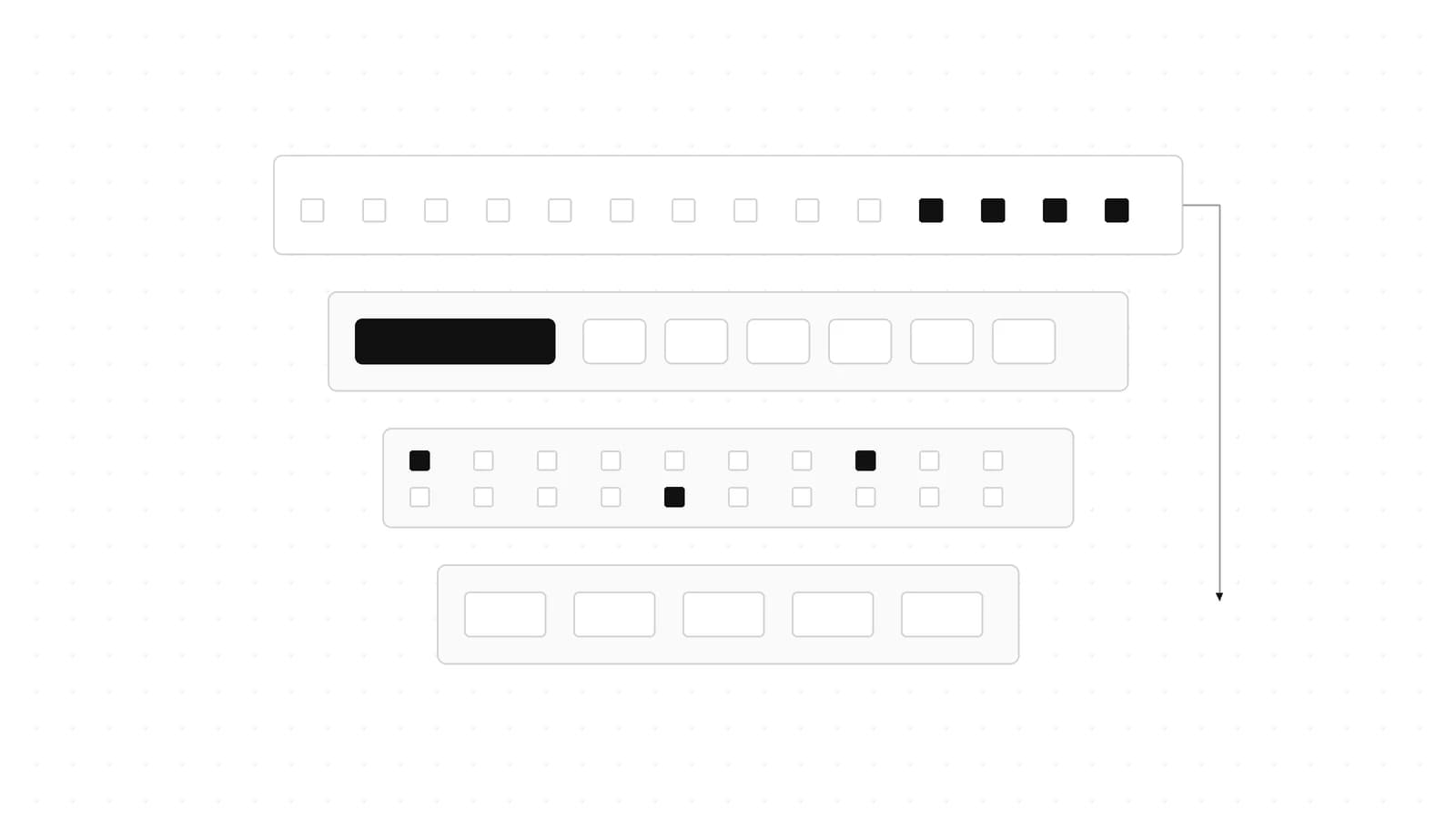
The core rule: do not maintain this by hand. Chase calls that a herculean effort. The factory has three parts:
- Agents flag gaps. When an agent cannot find something, or finds something wrong, it uses a tool to report it and can suggest a fix.
- A curator agent updates the knowledge. It runs in the background on a cadence, with access to raw sources like Notion and Slack, to agent traces, and to the flags. Chase keeps this separate from the working agents, because asking them to maintain the knowledge themselves causes contradictions.
- Storage. Skills in GitHub, a file in Notion, LangSmith Context Hub, or a knowledge graph in Neo4j. Chase calls storage the least important piece and says it is still early for semantic memory standards. Agent Memory Architectures Explained maps the options.
His worked example is a revenue report. The agent notices a renamed column in BigQuery, works around it and flags it. The finance lead then corrects the formatting with the agent. That night the curator reads the flag and the traces and updates the skills, so the next report gets both right.
Nicholas Charriere at Notion expects to hear about knowledge factories a lot in the coming months, and in a reply described it as the continuation of the company brain, with much more focus on the self-improving part.
How to start#
Chase is explicit that the goal is not to document everything before agents can work. It is to build a system where doing the work reveals what is missing.
- Pick one recurring workflow.
- Watch where your agents struggle. That is the missing knowledge.
- Close the loop so the fix lands in the knowledge, not in one chat.
So stop waiting for smarter models. Close the loop on one workflow, then build the factory.
Sources#
- Harrison Chase, How to build a knowledge factory - the framework, the three kinds of knowledge, the factory pieces and the revenue report example.
- Derek Gilbert on X - November 22, 2026, the 3 to 5 year framing.
- Nicholas Charriere on X - knowledge factories as the next step after the company brain.
- Your AI Agents Need a Knowledge Factory, Not a Better Model - the Developers Digest Short.
Continue Reading#
- Why Software Factories Fail: Harness Engineering Is Not Enough - the engineering factory this idea extends.
- Context Engineering for Agents - what happens to knowledge once it becomes context.
- Agent Skills Need Exit Criteria, Not More Prompt Lore - writing the skills a curator agent maintains.
- Skills Are the New Agent Operating System - why skills became the format for procedural knowledge.
- Best AI Agent Frameworks (2026) - agent frameworks compared and ranked.
Get the next deep dive like this in your inbox
One email a week on AI Agents and the rest of the AI dev stack. Free.
Read next on AI coding tools
Why Software Factories Fail: Harness Engineering Is Not Enough
A deep dive into why fully autonomous AI coding agents degrade codebases over time, and what context engineering can actually fix.
9 min readContext Engineering for Agents: Caching, Compaction, Subagents
Context engineering for agents, explained: caching, compaction, tool-result clearing, retrieval and subagents, with the exact Anthropic and OpenAI API knobs.
15 min readAgent Skills Need Exit Criteria, Not More Prompt Lore
Agent skills work when they carry exit criteria. What Addy Osmani's agent-skills repo gets right about turning AI coding advice into engineering checklists.
7 min readNew here? Start with
Technical content at the intersection of AI and development. Building with AI agents, Claude Code, and modern dev tools - then showing you exactly how it works.