AI Coding Agents Move the Bottleneck to Review Queues
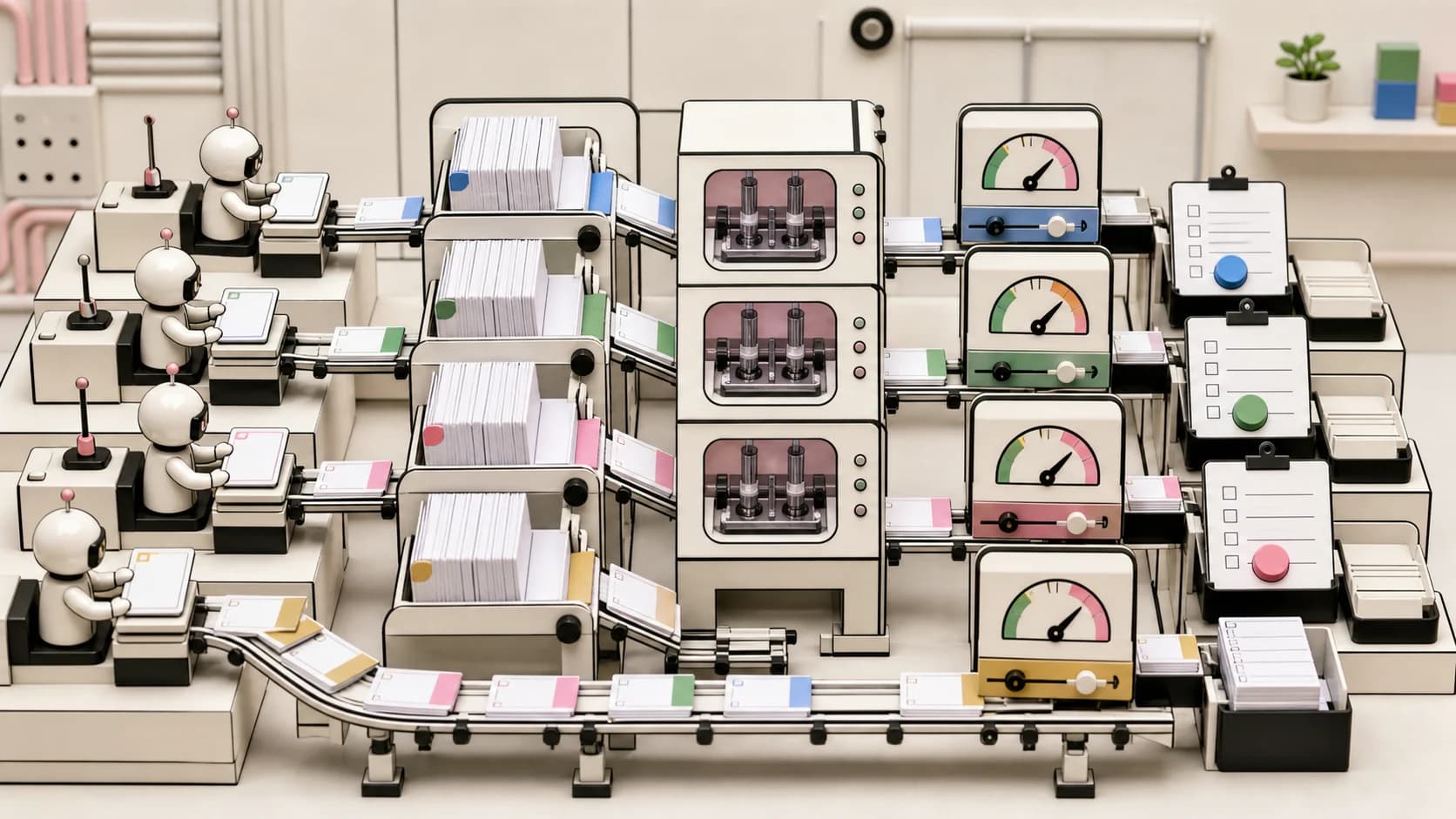
TL;DR
As coding agents get easier to delegate to, the scarce resource shifts from code generation to review capacity, CI minutes, environment reliability, and merge discipline.
Official Sources#
| Source | Description |
|---|---|
| GitHub Copilot coding agent | GitHub Changelog entries for Copilot agent features |
| Claude Code Overview | Anthropic's terminal coding agent documentation |
| OpenAI Codex | OpenAI's agent-first coding tool |
| GitHub Actions documentation | CI/CD infrastructure referenced for agent workflows |
| GitHub pull request reviews | Official GitHub guidance on review processes |
The most important coding-agent trend is no longer whether an agent can produce a diff.
It can.
The harder question is what happens after ten agents produce ten plausible diffs before lunch. The bottleneck moves from generation to review queues, CI capacity, flaky environments, branch policy, cost ceilings, and the human attention needed to decide what should actually merge.
That is the practical read on the current AI coding wave. GitHub is turning Copilot into an issue-to-PR agent. Claude Code and Codex make terminal delegation normal. Cursor, Windsurf, and smaller tools keep pushing multi-file edits closer to the default workflow. The market is converging on the same shape: ask for work, get a branch, inspect the result.
The next durable advantage is not "more generated code." It is a delivery system that can absorb generated code without drowning the team.
Last updated: June 28, 2026
The Output Problem Became a Throughput Problem#
Classic AI coding tools were mostly latency products. You typed, the assistant completed, and the productivity question lived inside the editor.
Agentic coding is different. It is a throughput product. You assign work and receive artifacts: commits, pull requests, tests, logs, screenshots, migrations, release notes, or review comments.
That changes the operating model.
A single autocomplete suggestion competes for seconds of attention. A pull request competes for the same review lane as every other change in the organization. It touches CI minutes, dependency caches, preview environments, security checks, branch protections, code owners, and deployment windows.
This is why the useful conversation has shifted toward long-running agent harnesses, baseline receipts, and defect forensics. The model matters, but the delivery surface matters just as much.
If a coding agent writes decent code but creates noisy pull requests, the team still loses. If it passes tests locally but cannot reproduce the environment, the team still loses. If it opens five branches that each require senior review, the work has not disappeared. It has changed shape.
GitHub Is the Obvious Place This Shows Up#
GitHub's Copilot coding agent is important because it puts AI work directly into the existing issue, branch, and pull request workflow. That is the right integration point for many teams. Developers already know how to review a PR, inspect logs, request changes, and merge.
It also exposes the constraint.
GitHub does not just need a good coding model. It needs the agent output to fit the mechanics of GitHub itself: Actions, checks, logs, permissions, secrets, code review, repository rules, and team workflows.
That is why GitHub Copilot's agent push is less about a chat UI and more about the whole software delivery loop. The moment a cloud agent can turn issues into draft PRs, the platform has to answer operational questions:
| Question | Why it matters |
|---|---|
| How many agent PRs can a repo absorb? | Review capacity is finite |
| Which tasks are safe to delegate? | Bad delegation creates review debt |
| What evidence should every PR include? | Reviewers need receipts, not vibes |
| How are CI minutes and preview environments budgeted? | Agent work can multiply infrastructure usage |
| Who owns failures after merge? | Accountability still matters |
| How does the team distinguish useful automation from noise? | Volume alone is not progress |
The interesting bottleneck is not whether Copilot, Claude Code, Codex, or another agent can make a change. It is whether the surrounding system can turn that change into a trusted merge.
From the archive
How to Use GLM 5.2 and Other Custom Model Providers in Codex
Jun 21, 2026 • 9 min read
There Are No Instances in ATProto - Dan Abramov Explains the Architecture
Jun 20, 2026 • 7 min read
Cloudflare Temporary Accounts: Let Agents Deploy Without OAuth Flows
Jun 20, 2026 • 6 min read
Cloudflare Now Lets AI Agents Deploy Workers Without Signup
Jun 20, 2026 • 8 min read
Opposing Take: More Agents Means Less Review#
The optimistic counterargument is straightforward: agents will also review code, fix tests, summarize diffs, catch security issues, and reduce the burden on humans.
That is partly true. AI review is already useful for first-pass feedback, test suggestions, style drift, and obvious missed cases. A good agent can shrink the review surface by attaching logs, explaining intent, and cleaning up its own mistakes before a human opens the PR.
But agent review does not erase the queue. It changes what the queue is for.
Human reviewers should spend less time catching formatting issues and more time asking product, architecture, security, and maintenance questions:
- Does this change solve the right problem?
- Is the abstraction worth keeping?
- Did the agent choose the smallest useful diff?
- Does the migration path preserve real customer state?
- Are we comfortable owning this code six months from now?
Those questions are not going away soon. In fact, they become more important when code is cheap.
The best teams will not review every generated line with equal intensity. They will build triage lanes. Low-risk chores get automated checks and lightweight review. Medium-risk product work gets stronger receipts. High-risk changes get human design review before the agent starts.
That is the difference between agent throughput and agent spam.
The New Unit Is the Reviewable Task#
Agents make task design more important.
A vague task like "improve settings" can produce a sprawling diff that is technically impressive and practically annoying. A reviewable task is smaller:
- "Add empty-state copy to the billing settings page."
- "Move this route from client-side fetch to server rendering."
- "Add a regression test for this parser edge case."
- "Update this deprecated API call across three files."
- "Generate a draft migration plan, but do not edit code yet."
The task should tell the agent what to change, what not to change, how to verify it, and what evidence to return. That makes the PR easier to review and easier to reject.
This is where agent evals and daily engineering process meet. A team that cannot write crisp tasks will struggle to evaluate agents honestly. A team that can write crisp tasks can compare models, tools, prompts, and workflows against a stable baseline.
For more on that measurement loop, read Agent Evals Need Baseline Receipts. The short version: compare the candidate against a known baseline, keep the run evidence, and judge behavior instead of only judging the final score.
What an Agent PR Should Include#
An agent-generated pull request should not look like a human PR with less context. It should include more machine-readable context because the agent can afford to collect it.
A useful agent PR receipt includes:
| Receipt | Minimum bar |
|---|---|
| Task summary | What the agent was asked to do |
| Scope boundary | Files, routes, packages, or APIs intentionally touched |
| Verification | Exact tests, lint, typecheck, smoke checks, or screenshots |
| Known gaps | What was not checked or could not be proven |
| Risk label | Low, medium, or high based on runtime and ownership impact |
| Cost signal | Approximate run time, retries, model/tool usage, or CI minutes |
| Reviewer focus | The two or three decisions a human should inspect |
This is not bureaucracy. It is compression.
Reviewers do not need another wall of generated explanation. They need the shortest path to deciding whether the change should merge.
CI Capacity Becomes Product Infrastructure#
Agentic coding also makes CI less invisible.
When every developer opens a couple of PRs a day, CI is background infrastructure. When humans and agents can open many more branches, CI becomes a product surface. Slow queues, flaky tests, dependency cache misses, and preview environment limits directly reduce agent usefulness.
This creates a new kind of platform work:
- Faster selective test routing
- Better flaky-test quarantine
- Prebuilt workspaces and dependency caches
- Per-agent budget caps
- Preview environments that expire aggressively
- Branch rules that separate safe chores from risky changes
- Logs that summarize failures clearly enough for another agent to fix them
That is not glamorous, but it is where compounding productivity lives.
The team with a boring, reliable delivery harness will get more value from mediocre agents than a team with frontier models and a chaotic merge pipeline.
Practical Playbook#
If your team is starting to delegate real coding work to agents, treat this as an operations problem.
First, create task classes. Label work as chore, test, docs, refactor, feature, migration, security, or incident-adjacent. Do not give every class the same review path.
Second, define a minimum PR receipt. Require the agent to state scope, checks, gaps, and reviewer focus. The template should be short enough that humans actually read it.
Third, measure merge friction. Track agent PRs opened, closed, merged, bounced for changes, failed in CI, and reverted. The rejection rate is not a shame metric. It is your training signal.
Fourth, protect senior review time. Use agents for first-pass cleanup and evidence gathering, but keep architecture and ownership decisions explicit.
Fifth, keep a baseline. When you change models, prompts, tools, permissions, or memory, compare against previous behavior on the same task set.
That is the boring version of agentic coding. It is also the version that survives contact with production.
The Takeaway#
AI coding agents are making code generation abundant. That does not make engineering judgment abundant.
The winners will not be the teams that generate the most code. They will be the teams that turn agent output into small, reviewable, verified changes with low merge friction.
The next bottleneck is the queue.
Build for that.
FAQ#
Are AI coding agents ready for production software teams?#
They are ready for scoped work where the task, environment, verification, and review path are clear. They are not a replacement for product judgment, architecture ownership, or release accountability.
What is the biggest hidden cost of coding agents?#
Review capacity. Agent runs can also increase CI usage, preview environment churn, and debugging overhead, but the most scarce resource is usually trusted human attention.
How should teams review AI-generated pull requests?#
Use a short receipt: task summary, touched scope, verification, known gaps, risk label, and reviewer focus. Route low-risk chores differently from high-risk architecture or data changes.
Will AI agents replace code review?#
They will automate parts of review, especially obvious bugs, style issues, summaries, and test suggestions. Human review still matters for intent, maintainability, ownership, security, and whether the change should exist.
Continue Reading#
Sources#
- GitHub Docs: About Copilot coding agent
- GitHub Docs: About Copilot CLI
- GitHub Docs: About pull request reviews
- GitHub Docs: About GitHub Actions
- Anthropic Docs: Claude Code overview
- OpenAI Docs: Codex
- Developers Digest: GitHub Copilot Coding Agent and CLI
- Developers Digest: Long-Running Agents Need Harnesses, Not Hope
Read next
GitHub Copilot Coding Agent and CLI: Why GitHub Is Back in the Agent Race
GitHub Copilot is moving from autocomplete into asynchronous coding agents, terminal workflows, MCP, skills, and model choice. Here is what changed in 2026.
8 min readLong-Running Agents Need Harnesses, Not Hope
A long-running coding agent is only useful if the environment around it can queue tasks, capture logs, checkpoint state, verify behavior, limit cost, and recover from failure.
9 min readAgent Evals Need Baseline Receipts
Hex's data-agent lab shows the practical eval pattern AI teams should copy: compare candidates against stable baselines, keep receipts, and judge changes by task behavior.
8 min readShare
Developers Digest
Technical content at the intersection of AI and development. Building with AI agents, Claude Code, and modern dev tools - then showing you exactly how it works.
300+ videos30K+ GitHub stars850+ articles
Related Tools
AI CodingAgent

OpenAI Codex
OpenAI's coding agent for terminal, cloud, IDE, GitHub, Slack, and Linear workflows. Reads repos, edits files, runs comm...
View ToolAI Coding
C
Conductor
Mac app for running parallel Claude Code, Codex, and Cursor agents in isolated workspaces. Watch every agent work at onc...
View ToolAI CodingDaily Driver

Claude Code
Anthropic's agentic coding CLI. Runs in your terminal, edits files autonomously, spawns sub-agents, and maintains memory...
View ToolAI CodingOpen source

DeepSeek-TUI
Open-source terminal agent runtime with approval modes, rollback snapshots, MCP servers, LSP diagnostics, and a headless...
View ToolApps from Developers Digest
Developer ToolsIn Progress
Agent Benchmark Lab
Compare AI coding agents on reproducible tasks with scored, shareable runs.
View AppDeveloper ToolsPlus $20/mo
Agent Eval Bench Plus
Score every coding agent on your own tasks. Catch regressions in CI.
View AppSaaS Products
Overnight Agents
Spec out AI agents, run them overnight, wake up to a verified GitHub repo.
View AppRelated Guides
Guide
PR Status in Footer - Claude Code
Clickable PR link in the footer with review state color coding.
Claude CodeGuide
Built-in Subagents - Claude Code
Researcher, auditor, reviewer, and other ready-made subagent types.
Claude CodeGuide
Claude Code Setup Guide
Configure Claude Code for maximum productivity -- CLAUDE.md, sub-agents, MCP servers, and autonomous workflows.
AI AgentsRelated Videos

Buzz: Open-Source Collaboration for Humans + AI Agents
Buzz by Block: Open-Source Slack-Style Collaboration for Humans + AI Agents (Demo & Setup) Check out Arcade: https://arcade.dev.plug.dev/xiDRwlA Repo: https://github.com/block/buzz The video introd...
Video·

Agents 101: How to Build and Deploy Anything with AI Agents
Build Anything with Vercel, the Agentic Infrastructure Stack Check out Vercel: https://vercel.plug.dev/cwBLgfW The video shows a behind-the-scenes walkthrough of how the creator rapidly builds and d...
Video·
TRAE: Custom AI Agents That Actually Understand Your Codebase
Check out Trae here! https://tinyurl.com/2f8rw4vm In this video, we dive into @Trae_ai a newly launched AI IDE packed with innovative features. I provide a comprehensive demonstration...
Video·
Related Posts
8 min read
GitHub Copilot
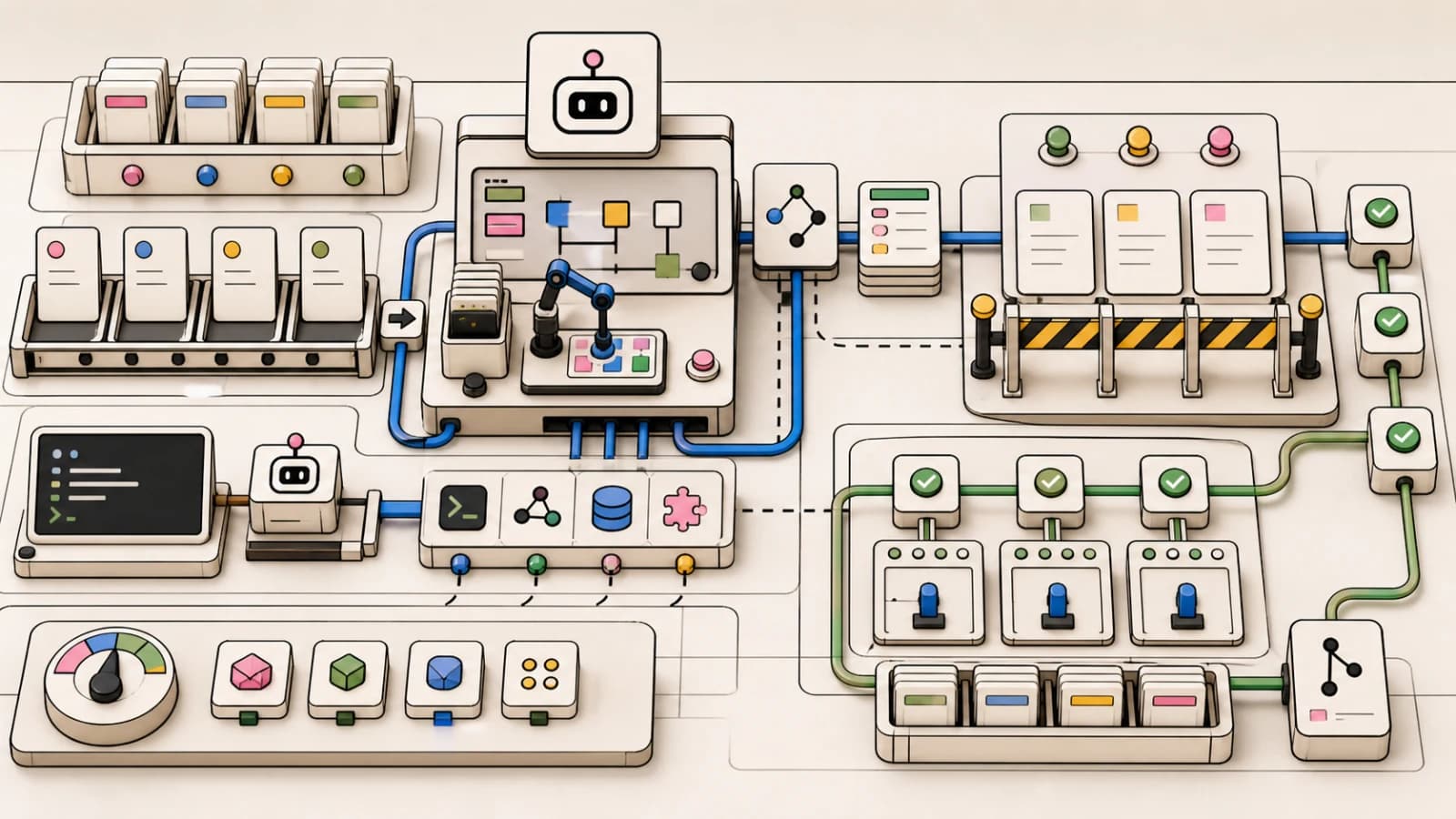
GitHub Copilot Coding Agent and CLI: Why GitHub Is Back in the Agent Race
GitHub Copilot is moving from autocomplete into asynchronous coding agents, terminal workflows, MCP, skills, and model c...
9 min read
AI Agents
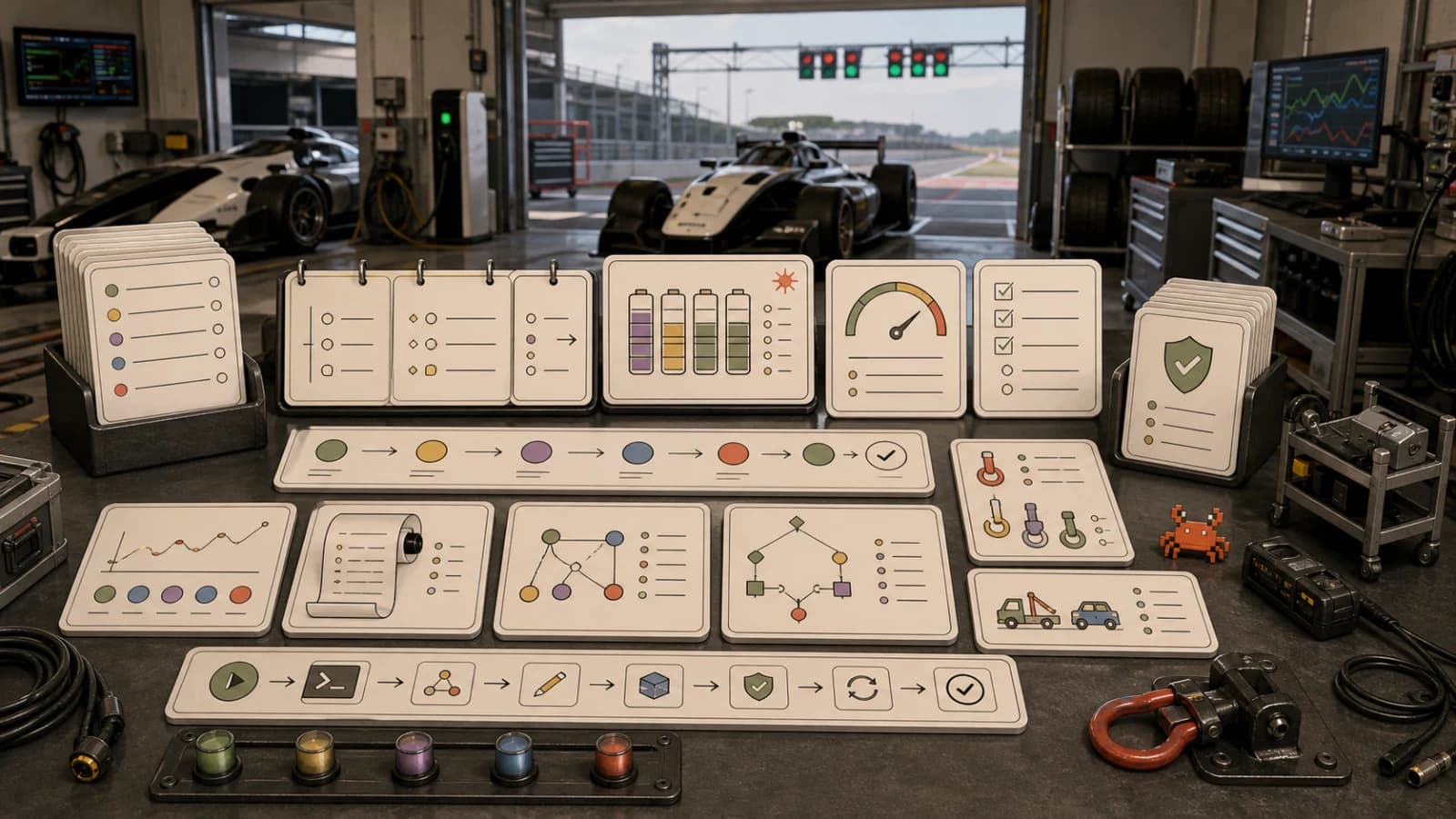
Long-Running Agents Need Harnesses, Not Hope
A long-running coding agent is only useful if the environment around it can queue tasks, capture logs, checkpoint state,...
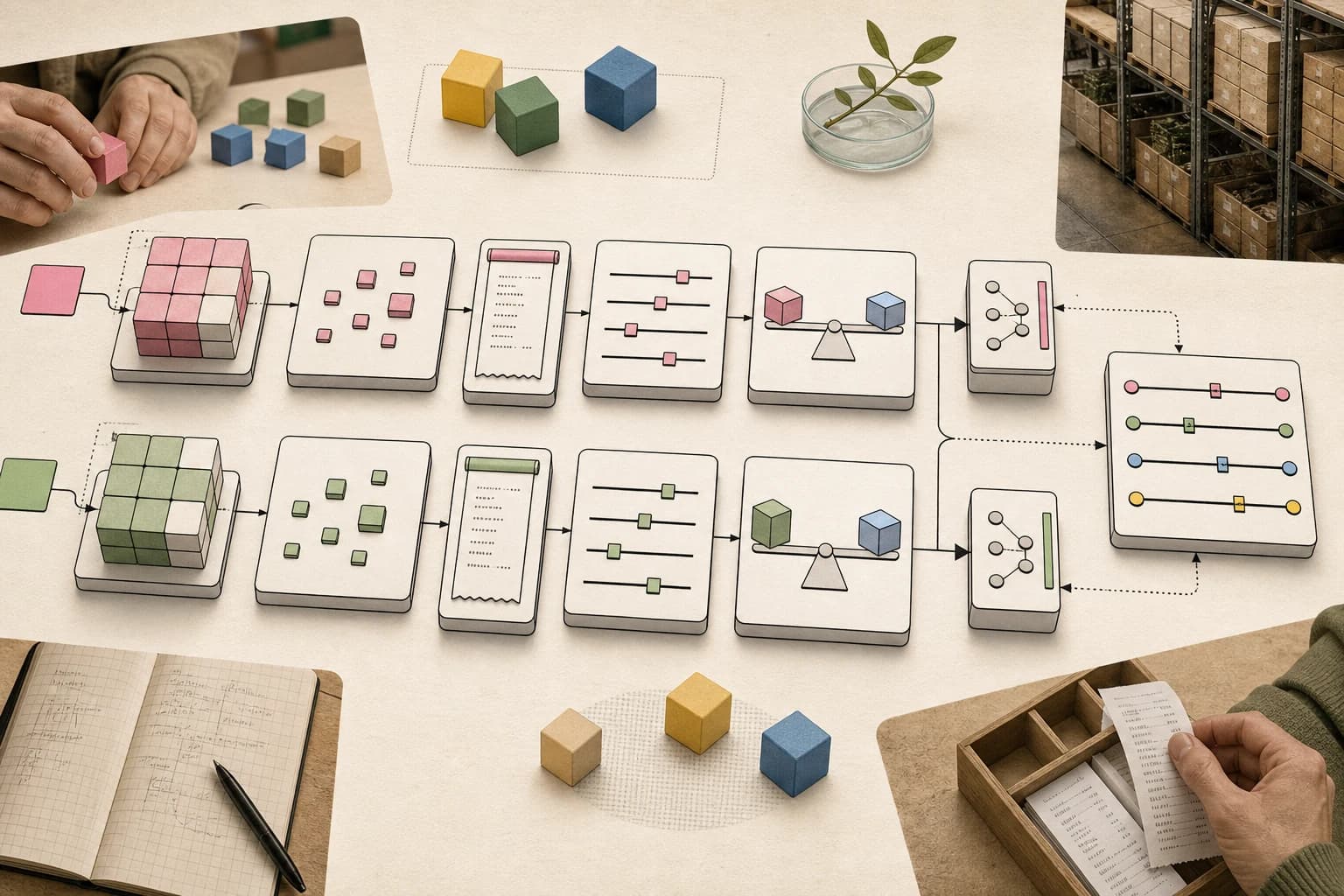
8 min read
AI Agents
Agent Evals Need Baseline Receipts
Hex's data-agent lab shows the practical eval pattern AI teams should copy: compare candidates against stable baselines,...

9 min read
AI Agents
The Agent Reliability Cliff: Why Your 10-Step Chain Only Succeeds 20% of the Time
The math of agent pipelines is brutal. 85% reliability per step compounds to about 20% at 10 steps. Here is why long cha...
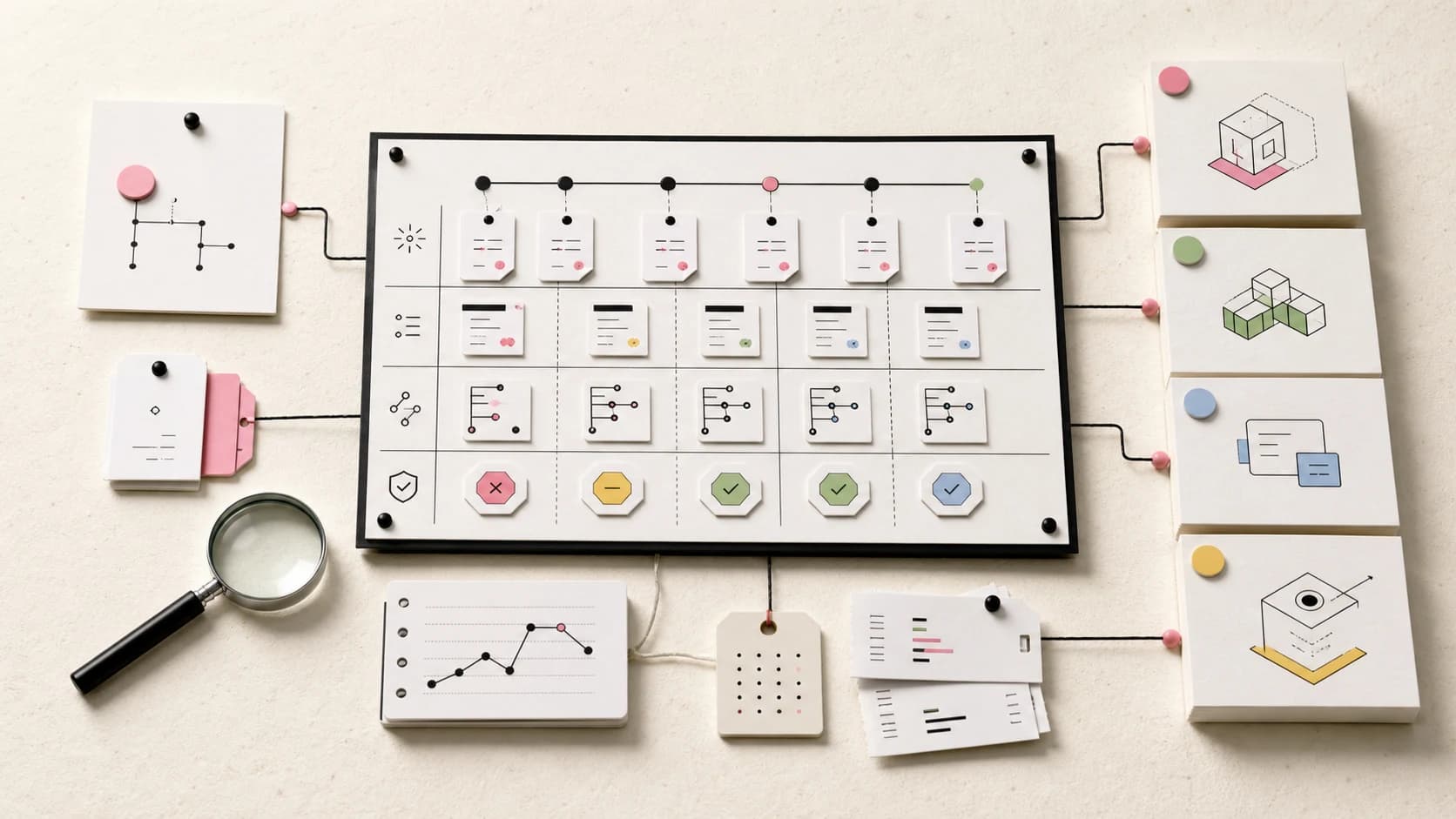
8 min read
AI Coding
AI Code Attribution Needs Defect Forensics, Not Vibes
The rsync Claude debate shows why teams need reproducible defect forensics before AI attribution becomes a public blame...
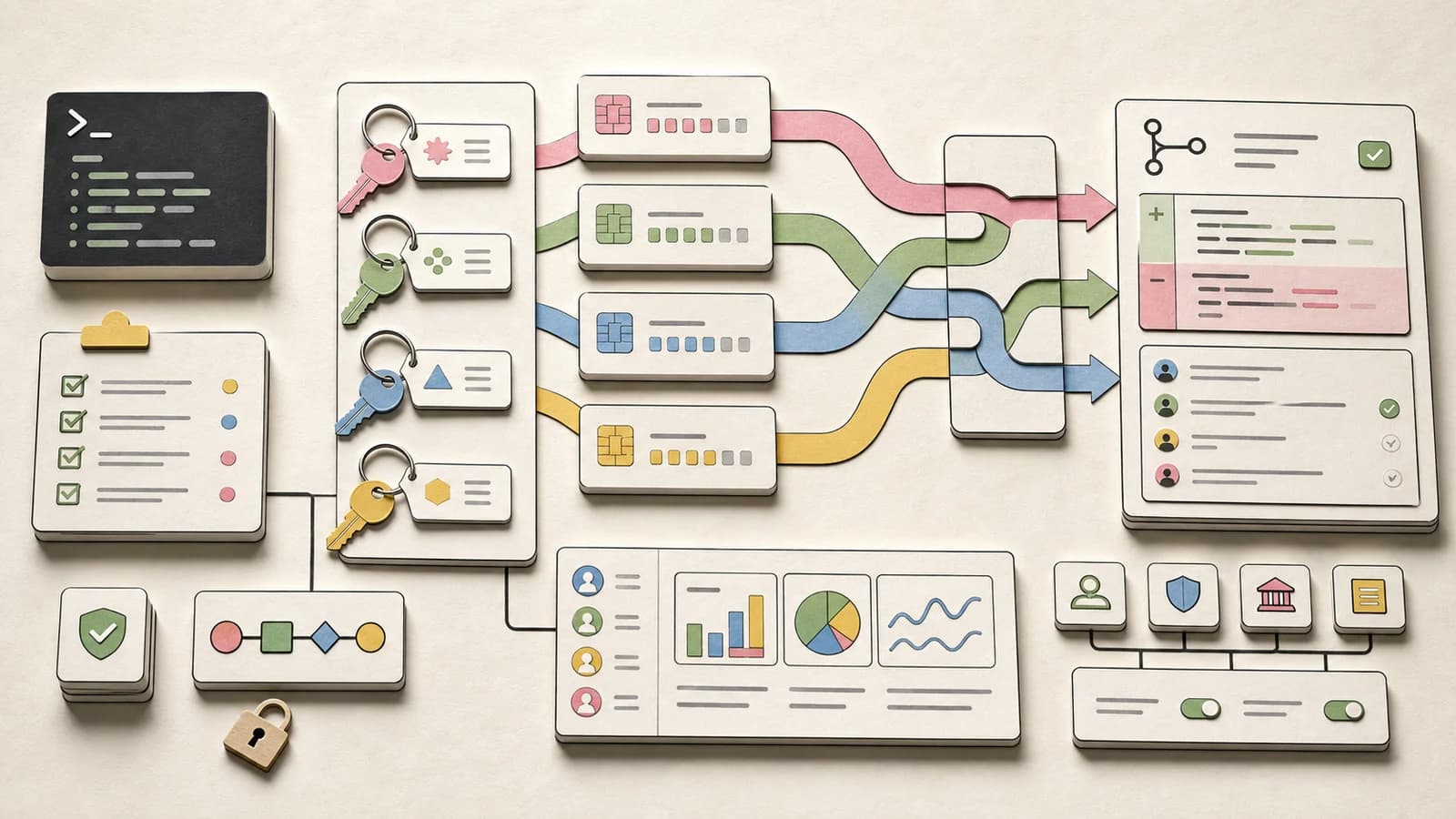
8 min read
GitHub Copilot
GitHub Copilot CLI, BYOK, and AI Credits: The New Cost-Control Stack
GitHub's June Copilot updates point beyond autocomplete: CLI access, bring-your-own-key model routing, AI credit metrics...
Build with the member tools

Get Smarter About AI Dev
New tutorials, open-source projects, and deep dives on coding agents - delivered weekly.
One email per weekReal code, not theoryFree forever