Codex vs Claude Code in 2026: Which AI Coding Agent Should You Use?
TL;DR
Codex vs Claude Code in 2026: pick Claude Code for ambiguous multi-file work with skills and MCP, or Codex for well-scoped tasks and strong defaults.
Pick Claude Code if your work is ambiguous and multi-file, you want to shape the agent with skills, hooks, subagents, and MCP servers, and you plan to run agents in teams or on a schedule. Pick Codex if your tasks are well-scoped, you want strong defaults without much configuration, and you would rather pay for one ChatGPT plan that covers chat and code. Serious teams increasingly run both: Claude Code to plan and drive large changes, Codex for tight follow-ups and a second opinion on the PR.
Last updated: September 28, 2026. Models, defaults, and prices below were checked against the official pages listed in Sources on that date.
This page is our single, maintained Codex vs Claude Code comparison. It replaces the April 2026 snapshot, which now redirects here. For three- and four-way decisions, see Claude Code vs Cursor vs Codex and Claude Code vs Codex vs Cursor vs OpenCode.
Two agents, two philosophies#
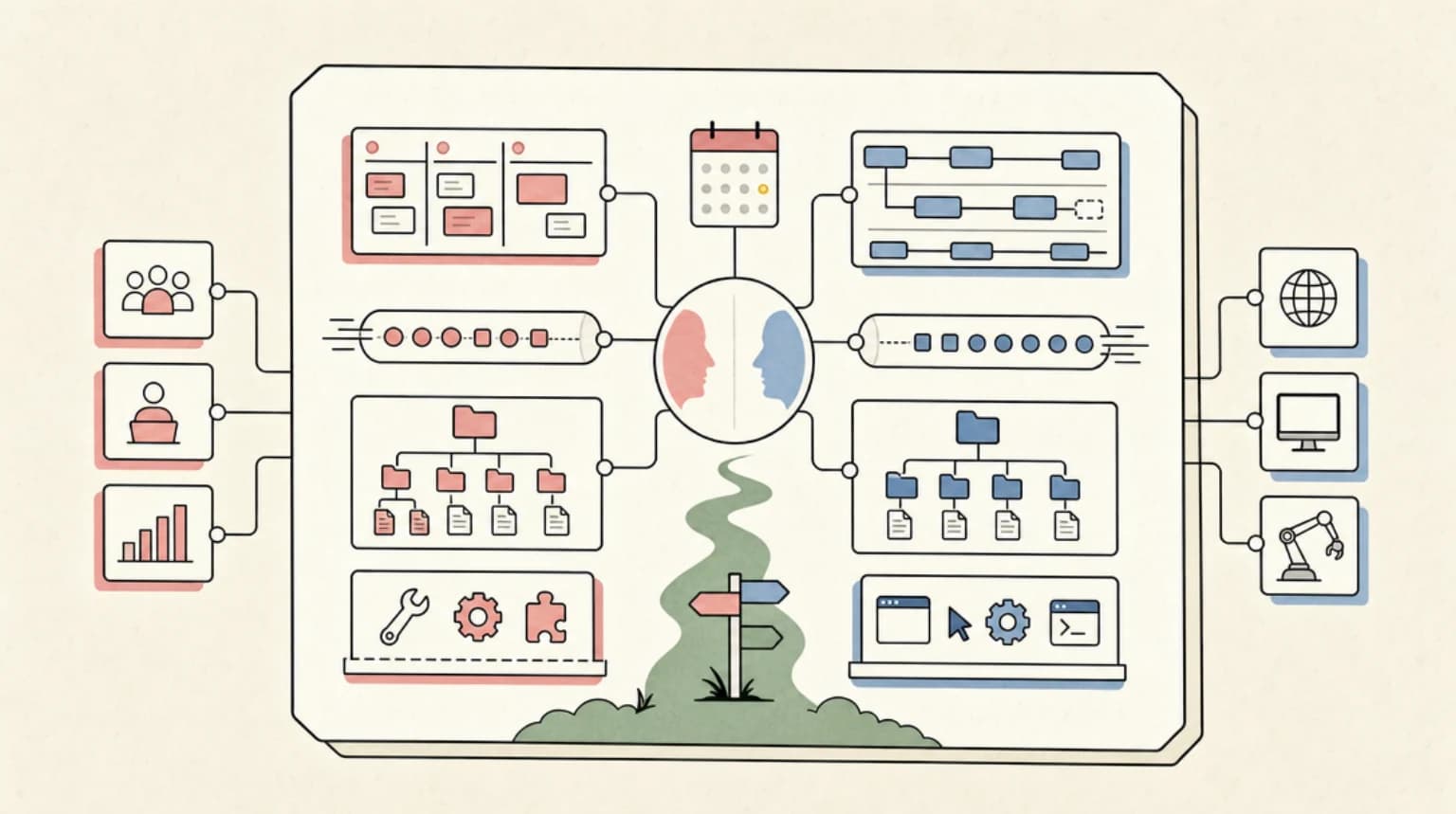
Both tools can now ship production work in real repos, from the terminal, the IDE, a desktop app, or the cloud. The difference is where each product puts its effort.
Claude Code optimizes for extensibility on top of a planning model. Opus 5.5 is the default brain; skills, subagents, hooks, MCP servers, plugins, routines, and agent teams are the body. The bet is that you will bend the agent to your repo and your team, and that accumulated configuration becomes team infrastructure.
Codex optimizes for a tightly integrated loop with strong defaults. GPT-6 Sol, sandboxing and permission controls, auto-review for approval requests, built-in worktrees, a browser preview, and cloud chats are designed to behave well out of the box. The bet is that most developers want the product around the model to just work.
Both bets are reasonable. They lead to different daily ergonomics.
What changed since the summer#
- OpenAI moved Codex to GPT-6. The Codex models page now recommends GPT-6 Sol for complex coding and agentic work and GPT-6 Luna for focused, repeatable tasks, with GPT-6 Astra as the most capable option. GPT-5.4 and GPT-5.4 mini retired from Codex with ChatGPT sign-in on August 31, 2026, and GPT-5.5 retires on October 14, 2026. The API is not affected.
- Anthropic shipped Opus 5.5 and Fable 5.1. Per the models overview, Opus 5.5 costs $4/$20 per million input/output tokens and Fable 5.1 costs $10/$50. Claude Code's
defaultmodel resolves to Opus 5.5 on Pro, Max, Team, and Enterprise, per the model configuration docs. - Both agents drive GUIs now. Earlier versions of this post said only Codex had computer use. That is no longer true: Claude Code has computer use from the CLI on macOS and a Chrome integration, and Codex lists computer use and Chrome control with regional limits on its pricing page.
- Codex docs moved. OpenAI now serves the Codex docs from learn.chatgpt.com, and ChatGPT Work shares pricing, credits, and usage limits with Codex.
Head-to-Head#
| Claude Code | Codex | |
|---|---|---|
| Default / recommended model | Opus 5.5 | GPT-6 Sol (GPT-6 Luna on Free and Go) |
| Top model | Fable 5.1 | GPT-6 Astra |
| API price, daily driver | Opus 5.5: $4 / $20 per MTok | GPT-6 Sol: $2 / $10 per MTok |
| API price, top model | Fable 5.1: $10 / $50 per MTok | GPT-6 Astra: $10 / $50 per MTok |
| Cheapest paid plan with the agent | Pro, $20/mo | Go, $8/mo (Luna only); Plus, $20/mo for Sol |
| Heavy-use plans | Max 5x $100/mo, Max 20x $200/mo | Pro from $100/mo (5x or 20x Plus) |
| Surfaces | CLI, VS Code, JetBrains, desktop, web, mobile | CLI, IDE extension, ChatGPT desktop app, web, cloud, iOS |
| Headless / CI | claude -p, GitHub Actions, GitLab CI/CD | codex exec, Codex SDK, API-key auth for CI |
| Parallel agents | Subagents, agent teams | Subagents, Ultra mode |
| Scheduling | Routines (cloud), desktop scheduled tasks, /loop | Scheduled tasks (automations) |
| PR review | Code Review, /code-review ultra | GitHub code review and @codex delegation |
| GUI control | Computer use (macOS CLI), Chrome | Computer use and Chrome, regional limits |
| Project memory | CLAUDE.md | AGENTS.md, memories |
| Extensions | MCP, skills, hooks, plugins, channels | MCP, skills, plugins, connectors |
Sources: Claude pricing, Claude models overview, Codex pricing, Codex models, OpenAI API pricing.
Models and defaults#
Claude Code runs only Claude models. Out of the box it uses Opus 5.5 on every paid plan. You can switch with /model to Fable 5.1 for the hardest long-horizon work, Sonnet 5 for speed, or Haiku 4.5 for cheap subagents. The opusplan alias uses Opus in plan mode and Sonnet for execution. Fable 5.1 is not included in Pro usage; on Pro it bills usage credits, and on Max it can use up to 50% of weekly limits, per Claude's pricing page.
Codex uses a recommended model unless you set one in config.toml:
model = "gpt-6-sol"
or per run:
codex exec -m gpt-6-sol "Review the current changes"
Reasoning effort runs from Low to Max, and Ultra adds automatic delegation to subagents. GPT-6 Luna supports up to Max but not Ultra. One caveat from the models page: you cannot change the default model for Codex cloud chats, and the pricing page says cloud chats on ChatGPT plans use GPT-5.6 Sol.
On raw API price, OpenAI is cheaper at the daily-driver tier: GPT-6 Sol at $2/$10 versus Opus 5.5 at $4/$20. At the top tier the two are identical at $10/$50. For a deeper cost breakdown across providers, see GPT-6 Sol vs Opus 5.5 vs Grok 4.7 pricing.
Agentic surfaces#
Claude Code has the deeper orchestration stack. Subagents handle focused side tasks in their own context, agent teams coordinate multiple sessions with shared tasks and messaging, routines run on a schedule or on GitHub events from Anthropic's cloud, and channels push CI results and chat messages into a running session. Sessions move between terminal, IDE, desktop, web, and phone. See the agent teams playbook and routines vs managed agents for how teams use these.
Codex invests in the environment around the agent. The pricing page feature table lists sandboxing and permission controls, auto-review for approval requests, worktrees and built-in Git tools, local environments with repeatable actions, built-in browser previews, SSH remote connections, mobile remote control, and cloud environments with internet access controls. Codex cloud integrates with GitHub, Slack, and Linear.
If long-running, goal-driven execution is your main question, read Codex /goal vs Claude Managed Outcomes.
Headless and CI#
Both are production-ready in pipelines.
# Claude Code
claude -p "The build is failing. Read /tmp/build.log, fix the cause, and commit."

# Codex
codex exec -m gpt-6-sol "Fix the failing test in packages/api and explain the root cause"
Claude Code adds official GitHub Actions, GitLab CI/CD, and managed Code Review. Codex supports API-key sign-in for CI, which OpenAI recommends for shared environments, plus the Codex SDK. Note that API-key Codex drops the cloud features such as GitHub code review and Slack.
Pricing (verified September 28, 2026)#
Claude Code is included in every paid Claude plan and shares usage with Claude on web, desktop, and mobile (pricing, Max plan):
- Pro: $20/month, or $17/month billed annually
- Max 5x: $100/month
- Max 20x: $200/month
- Team: Standard $25/seat monthly ($20 annually), Premium $125/seat monthly ($100 annually)
- Enterprise: $20/seat/month plus usage at API rates
Codex is included in ChatGPT plans and shares usage with ChatGPT Work (Codex pricing):
- Free: $0, GPT-6 Luna in the desktop app, subject to rollout
- Go: $8/month, GPT-6 Luna in the desktop app, subject to rollout
- Plus: $20/month, GPT-6 Sol and Luna across web, CLI, IDE, and iOS
- Pro: from $100/month, 5x or 20x Plus usage
- Business: $20/user/month billed annually ($25 monthly), 2+ users
- API key: pay per token at API rates
OpenAI publishes rough local-message ranges per five-hour window. On Plus, GPT-6 Sol is estimated at 15 to 150 messages and GPT-6 Luna at 350 to 3,000. Anthropic does not publish message counts; its FAQ says usage depends on conversation length, model, and features. Both let paid users keep working past the limit: Claude through usage credits at standard API rates, Codex through purchasable ChatGPT credits or an API key.
Per persona:
- Solo developer on $20. Codex Plus gives you GPT-6 Sol plus a very cheap Luna tier for routine work. Claude Pro gives you Opus 5.5 as the default. Codex stretches further on small tasks; Claude Code gives you the stronger orchestration toolkit.
- Full-time agent user. Max 5x ($100) and Pro 5x ($100) are priced the same. Pick on workflow, not price.
- API or CI heavy. GPT-6 Sol is half the per-token price of Opus 5.5. If you are paying API rates at volume, that matters.
For every tool's rate card side by side, see AI coding tools pricing.
The verdict, by job#
Pick Claude Code when:
- The task is ambiguous and benefits from planning ("redesign the auth flow", "split this monolith")
- You want skills, hooks, subagents, and MCP servers to become long-lived team infrastructure
- You run multi-agent fan-outs from one orchestrator, or scheduled agents in the cloud
- Your repo already carries
CLAUDE.mdorAGENTS.mdcontext you want the agent to honor - You want sessions that move between terminal, IDE, desktop, web, and phone
Pick Codex when:
- The task is well-scoped: fix this test, write this function, refactor this file
- You want strong defaults and an opinionated approval and review loop without configuring much
- Cost per task matters and GPT-6 Luna can handle a large share of your work
- You already pay for ChatGPT and want one subscription for chat and code
- Your team is new to agent CLIs and wants fewer ways to misconfigure the agent
Use both when you ship serious software and want second opinions. A pattern that works: Claude Code plans and drives the architectural change, Codex handles tightly scoped follow-ups, both commit to the same branch, and you read the PR. AGENTS.md and CLAUDE.md are close enough that one file can point at the other.
FAQ#
Is Codex or Claude Code better for coding in 2026?#
Neither wins everywhere. Claude Code is stronger for ambiguous, multi-file work and for teams that invest in skills, MCP, and multi-agent orchestration. Codex is stronger for well-scoped tasks, strong defaults, and value per task on ChatGPT plans. Many teams run both.
What model does Codex use by default?#
When you do not set a model, Codex uses a recommended model. OpenAI's models page recommends GPT-6 Sol for complex coding on Plus, Pro, Business, and Enterprise, and GPT-6 Luna on Free and Go. Codex cloud chats on ChatGPT plans use GPT-5.6 Sol.
What model does Claude Code use by default?#
Opus 5.5 on Pro, Max, Team, and Enterprise, and on the Anthropic API. You can switch to Fable 5.1, Sonnet 5, or Haiku 4.5 with /model.
How does Opus 5.5 pricing compare to GPT-6 Sol?#
Opus 5.5 costs $4 input and $20 output per million tokens. GPT-6 Sol costs $2 input and $10 output. At the top tier, Fable 5.1 and GPT-6 Astra are both $10 input and $50 output.
Do Codex and Claude Code both support MCP?#
Yes. Claude Code configures MCP servers with claude mcp add, and Codex lists MCP support on every plan including API-key sign-in. Our MCP explainer covers how the protocol works.
Can Claude Code control my computer like Codex?#
Yes. Claude Code has computer use from the CLI on macOS and a Chrome integration. Codex lists computer use and Chrome control with regional availability limits.
Can I use Codex and Claude Code on the same project?#
Yes. Keep project instructions in AGENTS.md and CLAUDE.md, run each agent in its own worktree or branch, and review the combined result in one PR.
Sources#
Fetched September 28, 2026:
- Codex pricing
- Codex models
- OpenAI API pricing
- Claude plans and pricing
- What is the Max plan? (Claude Help Center)
- Claude models overview
- Claude Code model configuration
- Claude Code docs index (routines, agent teams, computer use, Chrome, GitHub Actions, GitLab CI/CD, Code Review)
- Claude Code MCP docs
- Claude Code changelog
Continue Reading#
- Claude Code vs Cursor - the other big two-way comparison
- Claude Code vs Cursor vs Codex - three architectures compared
- Claude Code vs the Codex app - the desktop-app angle
- OpenAI Codex guide - setup and daily workflow
- AI coding tools pricing - every rate card in one place
Get the next comparison like this in your inbox
One email a week on ai-coding and the rest of the AI dev stack. Free.
Read next on Claude Code
Claude Code vs Cursor in 2026: Which Should You Use?
Claude Code vs Cursor in 2026: Claude Code for autonomous terminal-first multi-file work, Cursor for editor-native iteration. Pricing and a decision framework.
11 min readClaude Code vs Cursor vs Codex: Which Should You Use?
Terminal agent, IDE agent, local-plus-cloud agent. Three architectures compared - how to decide which fits your workflow, or why you should use all three.
8 min readClaude Code vs Codex vs Cursor vs OpenCode: Which Agent Ships More Code?
Four agents, same tasks: honest trade-offs between Claude Code, Codex CLI, Cursor Agent and OpenCode from a developer shipping production apps with all of them.
10 min readTechnical content at the intersection of AI and development. Building with AI agents, Claude Code, and modern dev tools - then showing you exactly how it works.