Nimbalyst: A Visual Workspace That Unifies Codex and Claude Code
TL;DR
A companion guide to the Nimbalyst video: an open-source visual workspace that runs Codex and Claude Code from your existing subscriptions, with a Kanban board, a planning workflow, and AI commits.
Official Sources#
| Resource | Description |
|---|---|
| Watch: Nimbalyst in 10 Minutes | The full walkthrough on the DevDigest channel |
| Nimbalyst | Official product page |
| Nimbalyst on GitHub | Open-source repository |
What This Video Covers#
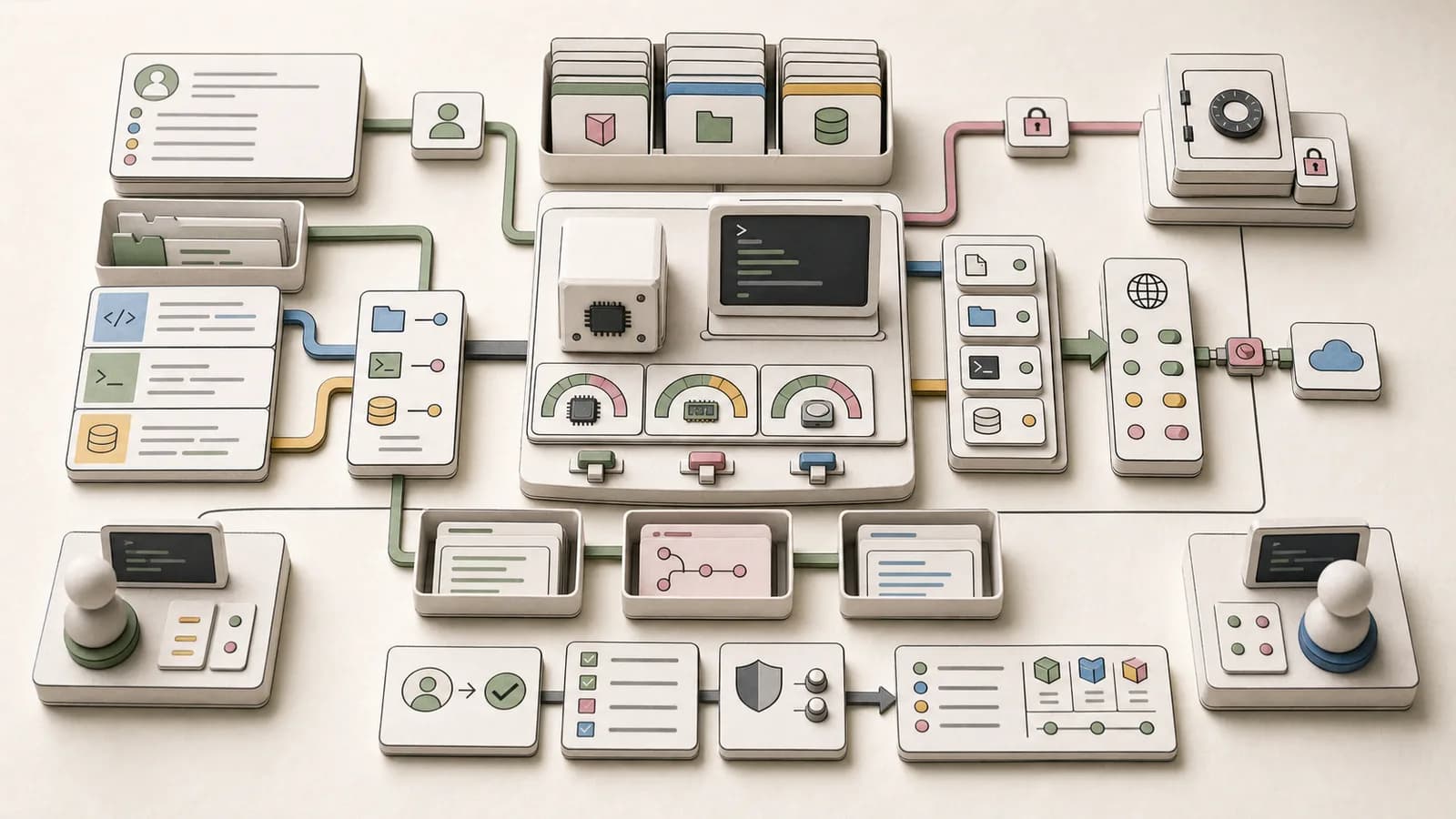
Nimbalyst is a visual workspace that unifies Codex and Claude Code alongside built-in project management. It authenticates both providers through their existing CLIs, so you use the subscriptions you already pay for rather than wiring up separate API keys. The walkthrough creates a new workspace, sets agent autonomy permissions, monitors usage across both providers, and runs the built-in planning flow, where the agent drafts a goal, success criteria, and tech stack, asks clarifying questions, and writes a markdown plan before touching code.
From there the demo scaffolds a Next.js SaaS landing page, reviews the created and edited files, and drives a Kanban board where sessions and subtasks move through stages and can run in parallel. This post is a companion to the video. Watch the walkthrough for the live demo, then use the links here to place the tool in context.
The Idea in One Line#
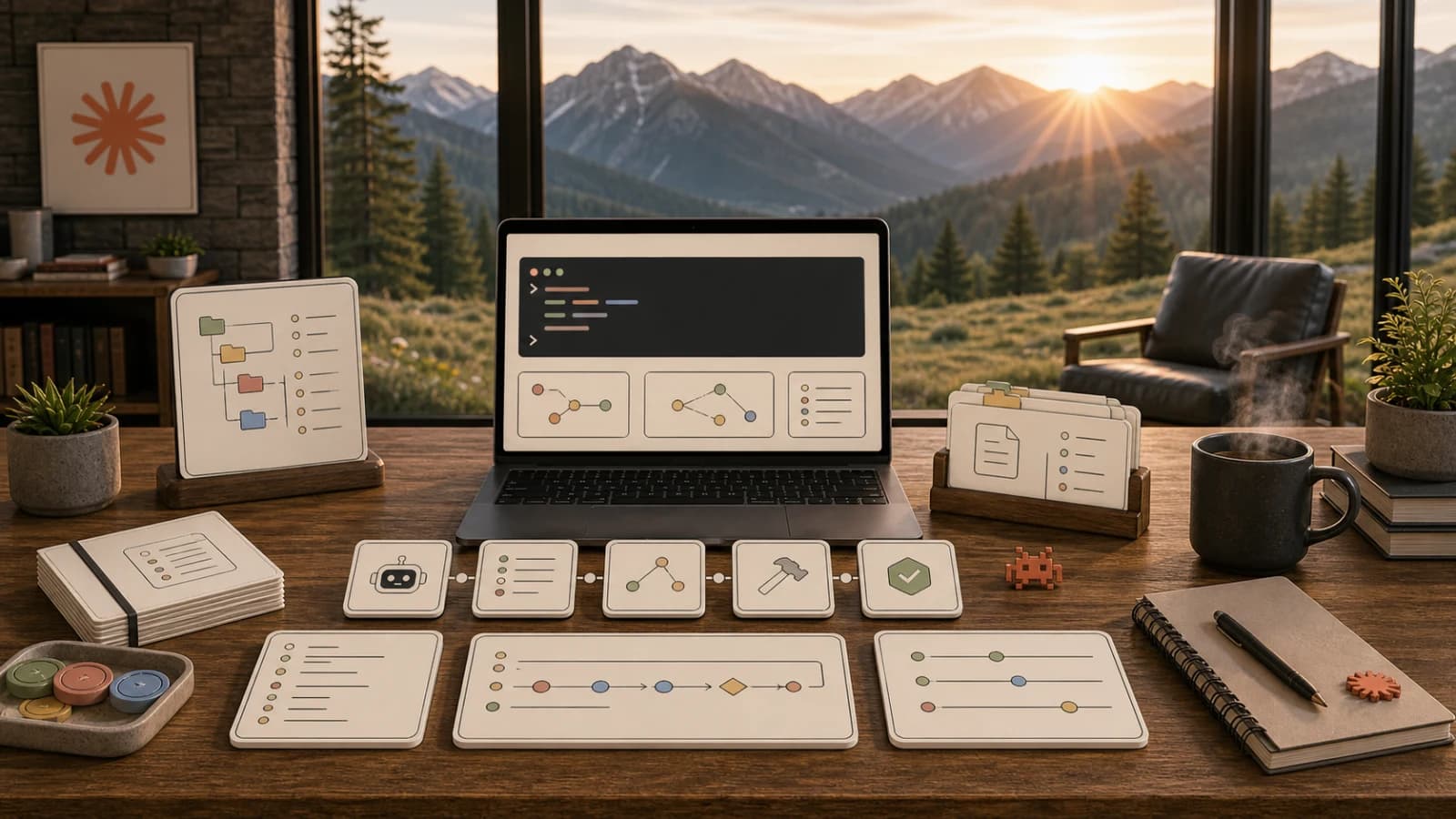
Give the coding agent a project board instead of a chat log. Nimbalyst's bet is that the missing layer for CLI agents is not more model power but a workspace that holds the plan, the tasks, and the run history in one place, so work does not live only in a scrollback buffer.
Why It Matters#
Three things make this worth a look:
- It is provider-neutral. Codex and Claude Code run side by side, authenticated through their own CLIs, and you can switch models mid-task. That matches the reality that most developers already work across more than one agent rather than committing to a single provider.
- Planning happens before code. The agent produces a goal, success criteria, and a written markdown plan, and asks questions before it starts editing. Forcing that step is a workflow constraint, not a model feature, and it is where a lot of agent runs go wrong.
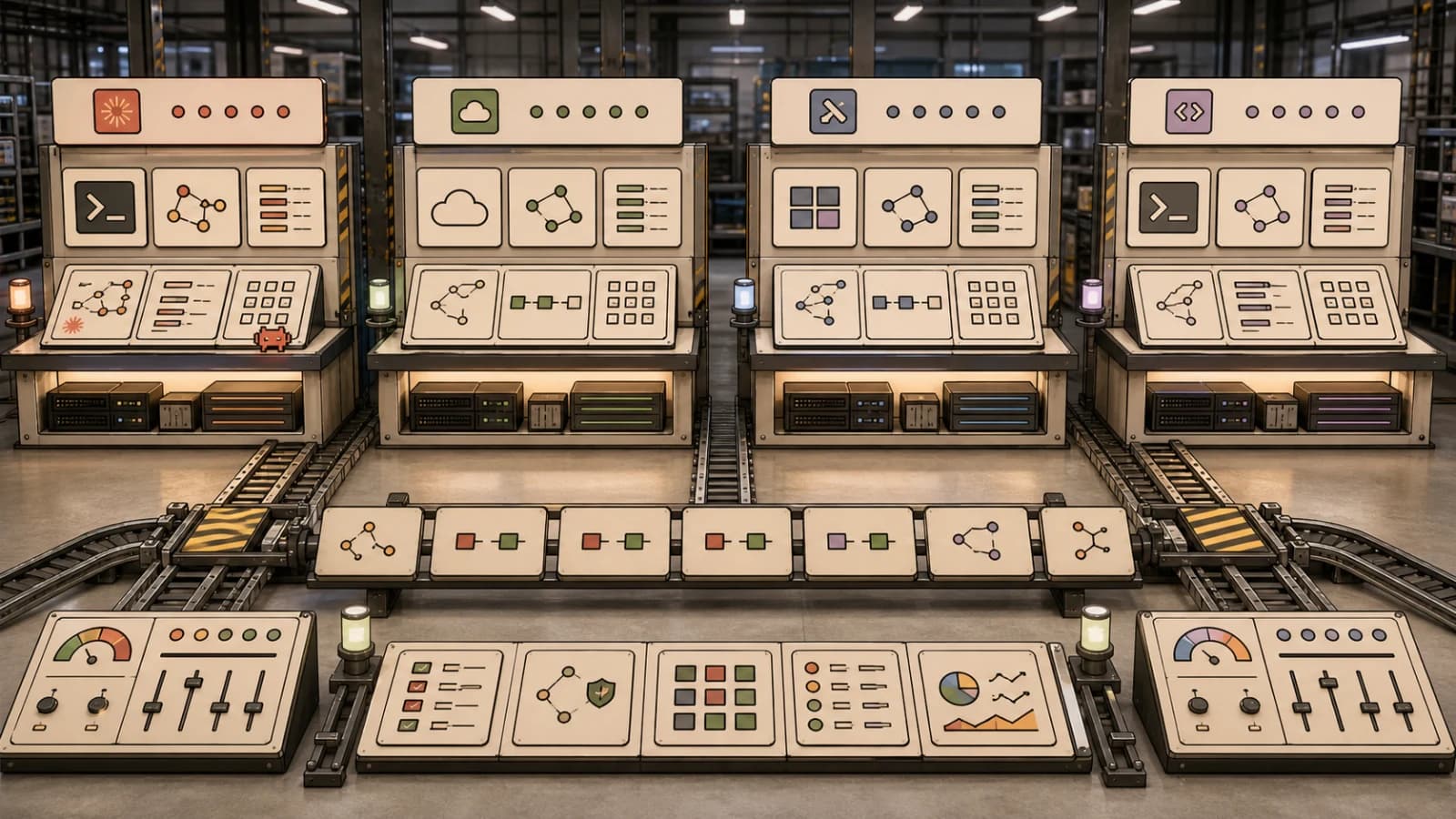
- The Kanban board is the orchestration surface. Sessions and subtasks flow through stages and can run in parallel, which turns loose agent runs into something you can coordinate and inspect.
What Else the Walkthrough Shows#
Beyond the core loop, the video demonstrates committing changes with "commit with AI," adding and prioritizing tasks, launching sessions directly from a task, and built-in Mermaid and Excalidraw visuals. It also covers marketplace extensions, Claude and Claude Code plugins, MCP servers, and optional local model support through LM Studio, so the workspace can reach both hosted and local models.
Where It Fits#
Nimbalyst is one entry in a growing category of local coding-agent workspaces that wrap the CLI agents you already use with project structure. The useful lens is not "which tool is best" but which layer each tool owns: the model owns generation, the CLI owns execution, and a workspace like this owns the plan, the board, and the history. If you are evaluating where a tool like this earns its place, the OpenAI Codex guide and the Claude Code guide cover the underlying agents it orchestrates.
Getting Started#
Nimbalyst is open source, so the fastest path is to check the GitHub repository for install steps and point it at a small throwaway project first. Authenticate the CLIs you already use, set conservative autonomy permissions, and run the planning flow on a low-risk task so you can see exactly what the agent proposes before it writes anything. Watch the full walkthrough above, then scaffold your first workspace and let the board hold the plan.
FAQ#
What is Nimbalyst?#
Nimbalyst is an open-source visual workspace that unifies OpenAI Codex and Claude Code with built-in project management. It runs both agents through their existing CLI subscriptions and adds a Kanban board, a planning workflow, AI-assisted commits, and diagram support so agent work has structure beyond a chat window.
Do I need separate API keys to use it?#
No. Nimbalyst authenticates Codex and Claude Code through their existing CLIs, so it uses the subscriptions you already have rather than requiring separate API billing. It also supports local models through LM Studio.
How is it different from using Claude Code or Codex directly?#
The agents are the same. Nimbalyst adds the workspace layer around them: a planning step that writes a markdown plan before coding, a Kanban board where sessions and subtasks run and can go in parallel, usage monitoring across both providers, and the ability to switch models mid-task. It owns the workflow rather than the generation.
Is Nimbalyst free and open source?#
The project is open source and available on GitHub. Check the repository and the product page for current licensing and any hosted options.
Can it run more than one agent at once?#
Yes. The Kanban board lets sessions and subtasks move through stages and run in parallel, which is the feature that turns it from a single-agent chat wrapper into a coordination surface for multiple runs.
Get the next deep dive like this in your inbox
One email a week on claude-code and the rest of the AI dev stack. Free.
Read next on Claude Code
What Is Claude Code? The Complete Guide for 2026
Claude Code is Anthropic's AI coding agent for terminal, IDE, desktop, and browser workflows. Learn what it does, how it works, pricing, setup, MCP, skills, hooks, and subagents.
15 min readOpenAI Codex: Terminal and Cloud AI Coding Agent
Codex works from the terminal, cloud tasks, IDEs, GitHub, Slack, and Linear. Here is how to use it and how it compares to Claude Code.
5 min readLocal Coding Agent Workspaces Are the New IDE Surface
A new layer is forming around Claude Code, Codex, Copilot CLI, and local memory tools: the local coding agent workspace. It is not the model. It is the bench where agents get supervised.
8 min readTechnical content at the intersection of AI and development. Building with AI agents, Claude Code, and modern dev tools - then showing you exactly how it works.