Local Coding Agent Workspaces Are the New IDE Surface
TL;DR
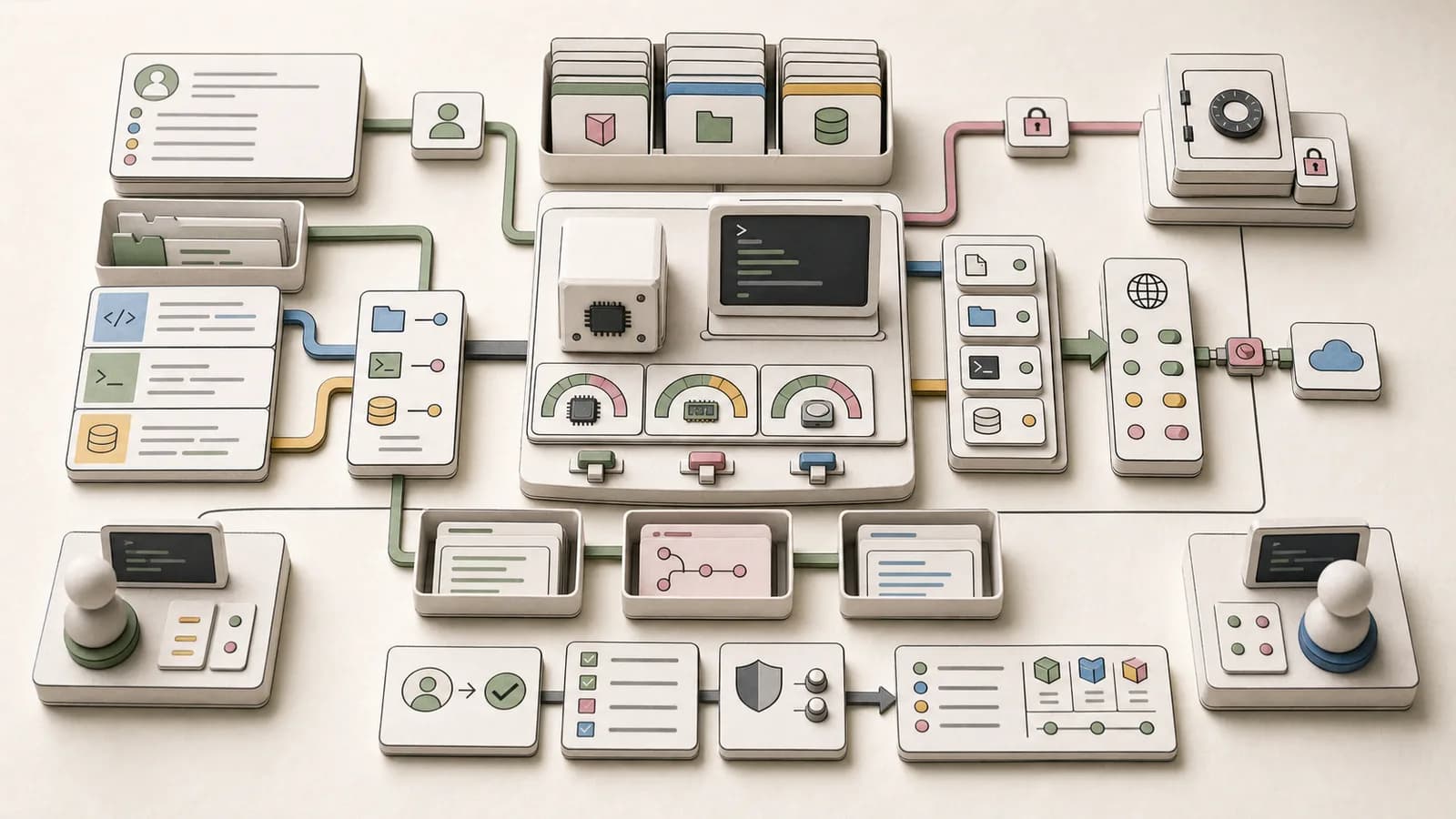
A new layer is forming around Claude Code, Codex, Copilot CLI, and local memory tools: the local coding agent workspace. It is not the model. It is the bench where agents get supervised.
The IDE is no longer the only place where coding agents want to live.
The interesting product layer in AI coding right now is the local workspace around the agent: a desktop shell, a terminal runtime, a repo worktree, a memory folder, a diff gate, a rollback path, and a set of local tools that keep the model inside a developer-controlled loop.
That is the useful read on projects like y, a new local desktop coding-agent app that wraps Claude Code, Codex, and other CLI-native agents instead of trying to replace them. The repo has low public traction right now, so this is not an adoption victory lap. It is a design signal.
The signal is that the next coding-agent interface may not be "chat inside an IDE." It may be a local agent workbench that sits beside the IDE and coordinates the actual work.
Last updated: June 23, 2026
Why This Is Timely#
Several current signals point in the same direction.
The y repo describes itself as a local, chat-first desktop app for Claude Code, OpenAI Codex, and other CLI-native agents. Its more interesting claim is malleability: the app can change its own UI through a protected modify surface, keep the change if it renders safely, or roll it back if it does not.
Recall takes a different slice of the same problem. It is a fully local project-memory layer for Claude Code, aimed at reducing repeated project explanation without sending memory to a hosted service.
GitHub is moving the terminal side forward too. The Copilot CLI docs position Copilot as usable directly from the command line, and GitHub's Agent Tasks REST API changelog makes background cloud-agent work programmable.
Those are different products, but the pattern is shared: the interface is moving from one prompt box to a workspace that can manage context, state, tools, and review.
The Take: The Workspace Is Becoming the Product#
The model still matters. But for daily development, the model is no longer enough to define the product.
A serious coding-agent workspace has to answer questions the model cannot answer by itself:
| Workspace question | Why it matters |
|---|---|
| Which repo state is the agent allowed to see? | Prevents stale or unrelated context from steering the run |
| Where does memory live? | Keeps durable project knowledge inspectable and deletable |
| How are diffs reviewed? | Makes agent work concrete before merge |
| Can a bad turn roll back? | Lets developers experiment without destroying state |
| Which CLI agent owns the task? | Separates the workspace from the model/provider |
| What runs locally vs remotely? | Controls privacy, latency, and credentials |
| What receipt survives the session? | Makes the work reviewable after the chat scroll disappears |
That is why this topic belongs next to agent workspaces needing filesystem contracts and terminal agents becoming portable runtime surfaces. The interface is not just where a user types. It is where permissions, memory, diffs, and rollback become visible.
Desktop Shells Are Different From IDE Plugins#
IDE plugins are convenient because they live where code is edited.
Local agent workspaces are different because they can sit around multiple tools. A workspace can call Claude Code, Codex, Copilot CLI, shell commands, git, local indexes, and review tools without being locked to one editor surface.
That matters for the way developers actually use agents:
- one agent explores the repo;
- another writes a patch;
- a terminal command verifies it;
- a browser checks the UI;
- a memory file explains project rules;
- a worktree isolates the diff;
- a review step decides whether to keep the result.
An IDE can host some of that. A local workspace can coordinate all of it.
This is the difference between an AI autocomplete feature and an agent bench.
Memory Is Useful Only If It Is Governed#
Recall is interesting because it keeps memory local. That is the right instinct for many developer workflows.
But local memory is not automatically good memory.
A workspace memory layer needs rules:
- what gets saved;
- who can edit it;
- which projects can read it;
- whether old facts expire;
- how the agent cites memory back to the user;
- how a human deletes a bad assumption.
Otherwise memory becomes a quieter version of prompt drift. The agent remembers something, nobody knows where it came from, and future sessions inherit the mistake.
That is why agent memory needs a context ledger. A local workspace should make memory visible enough to audit, not just durable enough to accumulate.
Self-Modifying UI Needs Diff Gates#
The most provocative part of y is not that it wraps Claude Code and Codex. It is the self-modifying interface idea.
If an agent can modify the app that supervises the agent, the product needs a strong boundary between "suggest a change" and "ship the changed control surface."
The safe shape looks like this:
- The agent proposes a UI or workflow change.
- The workspace renders it in an isolated preview.
- A diff shows exactly what changed.
- The user accepts, rejects, or rolls back.
- The old state remains recoverable.
That turns malleability into a controlled loop instead of a gimmick.
The same principle applies to project code. Coding agents are most useful when they can move quickly inside a worktree, but only if the workspace can show what changed and restore the previous state.
For the lower-level runtime boundary, read agent sandbox architecture.
From the archive
In Praise of Memcached: Why Simpler Caching Might Be Better
Jun 23, 2026 • 7 min read
Mistral OCR 4 and Unlimited OCR Make Document Parsing an Agent Runtime Choice
Jun 23, 2026 • 8 min read
Do AI Coding Agents Need Their Own Version Control?
Jun 23, 2026 • 8 min read
OpenAI Agent Builder and Evals Are Shutting Down: Move the Agent Stack Into Code
Jun 23, 2026 • 8 min read
Cloud Agents Push The Same Pattern From The Other Side#
GitHub's Agent Tasks REST API is not a local desktop feature, but it reinforces the same trend.
Agent work is becoming programmable.
The API lets Copilot users start and track cloud-agent tasks. GitHub's examples include fanning out migrations across repositories, setting up new repos from an internal portal, and preparing releases. That is workspace thinking, even when the execution environment is remote.
The local version and the cloud version are converging on the same product shape:
- start work from a structured task;
- run in an isolated environment;
- track progress;
- validate changes;
- open or update a pull request;
- leave a receipt.
The open question is where your team wants the boundary. Some work belongs in a local repo workbench. Some work belongs in a managed cloud agent. Some work needs both.
That is also why Claude Code vs Codex App should be read as an execution-surface decision, not only a model comparison.
The Opposing Take: This May Be Too Much Interface#
The skeptical view is strong.
Developers already have IDEs, terminals, browsers, GitHub, shells, and task managers. A new local workspace can become one more window that promises to organize work while adding another layer of state.
The risk is real:
- desktop wrappers can hide what the underlying CLI is doing;
- local memory can preserve stale assumptions;
- self-modifying UI can become novelty instead of workflow;
- multi-agent benches can multiply unfinished branches;
- rollback can feel safe while external systems changed outside the repo.
That is why I would not evaluate local agent workspaces by screenshots.
Evaluate them by receipts.
Can the workspace show which agent ran, which files it saw, which memory it used, which commands it executed, which diff it produced, and how to roll it back? If not, the interface is probably ahead of the control plane.
What To Look For In A Local Coding Agent Workspace#
If this category keeps growing, use a boring checklist.
- Worktree isolation. The agent should not casually edit your main branch.
- Visible memory. Durable context should be inspectable, scoped, and removable.
- Diff-first review. The workspace should make file changes obvious before merge.
- Rollback. A failed turn should be recoverable without manual archaeology.
- Provider separation. The workspace should not confuse the shell around the agent with the model itself.
- Local credential boundaries. Secrets should not be sprayed into every tool call.
- Source receipts. The agent should say where its project facts came from.
- Headless hooks. Useful workspaces should support scripts, CI, or recurring jobs, not only chat.
- Cost visibility. Local does not mean free if it burns premium agent sessions or paid API calls.
- Exit path. You should be able to leave with normal git history, files, and docs.
The goal is not to replace the IDE. The goal is to make agent work supervisable across the tools developers already use.
The Practical Bottom Line#
Local coding-agent workspaces are becoming a real product layer.
They are not the model. They are not just an IDE plugin. They are the bench where Claude Code, Codex, Copilot CLI, local memory, repo state, diffs, shells, browsers, and review loops meet.
That category is still early. Some projects will be experiments. Some will be wrappers. Some will disappear.
But the direction is worth watching because it matches how serious agent work actually happens: not in a single chat turn, but in a controlled local environment with memory, tools, rollback, and receipts.
FAQ#
What is a local coding agent workspace?#
A local coding agent workspace is a developer-controlled environment around one or more coding agents. It can combine a desktop app, terminal agent, repo worktree, local memory, shell commands, diffs, rollback, and review receipts.
Is this different from an IDE plugin?#
Yes. An IDE plugin lives inside one editor. A local agent workspace can coordinate multiple surfaces: terminal agents, git worktrees, local memory, browser checks, shell commands, and cloud-agent tasks.
Why not just use Claude Code or Codex directly?#
Direct CLI use is often enough. A workspace becomes useful when you need better memory visibility, multi-agent coordination, rollback, diff review, or a local shell around multiple agent providers.
Are self-modifying agent apps safe?#
They can be useful only if changes are isolated, previewed, diffed, approved, and reversible. Without those gates, self-modifying UI creates a control-plane risk.
What should teams measure before adopting a workspace?#
Measure whether it reduces repeated setup, improves review quality, leaves better receipts, lowers context mistakes, makes rollback easier, and keeps provider/model switching understandable.
Sources#
- GitHub: y-times-y/y - local malleable coding-agent workspace, verified June 23, 2026
- GitHub: Recall - fully local project memory for Claude Code, verified June 23, 2026
- GitHub Docs: Using GitHub Copilot CLI - command-line Copilot workflow, verified June 23, 2026
- GitHub Copilot CLI product page - terminal agent positioning, verified June 23, 2026
- GitHub Changelog: Agent tasks REST API - programmable cloud-agent tasks, verified June 23, 2026
- GitHub: OpenAI Codex - CLI-native coding agent repository, verified June 23, 2026
Read next
Agent Workspaces Need Filesystem Contracts
GitHub's latest agent workspace trend points at a boring but important primitive: agents need explicit filesystem contracts before they get more tools.
8 min readAI Agent Memory Needs a Context Ledger
GitHub Trending is full of agent memory and context tools. The useful version is not magic recall. It is a context ledger: source-linked, scoped, expiring memory that agents can inspect and users can audit.
8 min readChatGPT Desktop Now Reads Your VS Code, Terminal, and Xcode
OpenAI shipped a new feature in the ChatGPT macOS app that lets it read context from VS Code, Xcode, Terminal, and iTerm2. Here is how to set it up, what it can actually do today, and why the future of this feature matters more than the current version.
8 min readShare
Developers Digest
Technical content at the intersection of AI and development. Building with AI agents, Claude Code, and modern dev tools - then showing you exactly how it works.
300+ videos30K+ GitHub stars850+ articles
Related Tools
AI Coding
C
Conductor
Mac app for running parallel Claude Code, Codex, and Cursor agents in isolated workspaces. Watch every agent work at onc...
View ToolAI Coding

Codex CLI
OpenAI's open-source terminal coding agent built in Rust. Runs locally, reads your repo, edits files, and executes comma...
View ToolAI CodingDaily Driver

Claude Code
Anthropic's agentic coding CLI. Runs in your terminal, edits files autonomously, spawns sub-agents, and maintains memory...
View ToolAI CodingAgent
OpenAI Codex
OpenAI's coding agent for terminal, cloud, IDE, GitHub, Slack, and Linear workflows. Reads repos, edits files, runs comm...
View ToolApps from Developers Digest
Developer Tools
Agent Hub
Every coding agent in one window. Stop alt-tabbing between Claude, Codex, and Cursor.
View AppDeveloper ToolsIn Progress
Agent Benchmark Lab
Compare AI coding agents on reproducible tasks with scored, shareable runs.
View AppDeveloper Tools
DD Traces
See exactly what your agent did, locally. No cloud, no signup.
View AppRelated Guides
Guide
Claude Code Setup Guide
Configure Claude Code for maximum productivity -- CLAUDE.md, sub-agents, MCP servers, and autonomous workflows.
AI AgentsGuide
Run AI Models Locally with Ollama and LM Studio
Install Ollama and LM Studio, pull your first model, and run AI locally for coding, chat, and automation - with zero cloud dependency.
Getting StartedGuide
AI Agent Frameworks Compared: LangGraph vs CrewAI vs Mastra vs CopilotKit
Deep comparison of the top AI agent frameworks - LangGraph, CrewAI, Mastra, CopilotKit, AutoGen, and Claude Code.
AI AgentsRelated Videos
Zed: The Open Source Agentic IDE - Use Claude Code, Codex & Gemini CLI in one place
Check out Zed here! https://zed.dev In this video, we dive into Zed, a robust open source code editor that has recently introduced the Agent Client Protocol. This new open standard allows...
Video·
Introducing GPT-5 Codex: Optimized Agentic Coding for Developers
In this episode, we explore the newly released GPT-5 Codex by OpenAI, a specialized version of GPT-5 designed for agentic coding tasks. Codex offers advanced features, including enhanced code...
Video·
OpenAI Open Sources Codex: The CLI Coding Agent
Exploring Codex: AI Coding in Terminal In this video, I explore Codex, a new lightweight CLI tool for AI coding that runs in the terminal. This tool, possibly a response to Anthropic's CLI,...
Video·
Related Posts
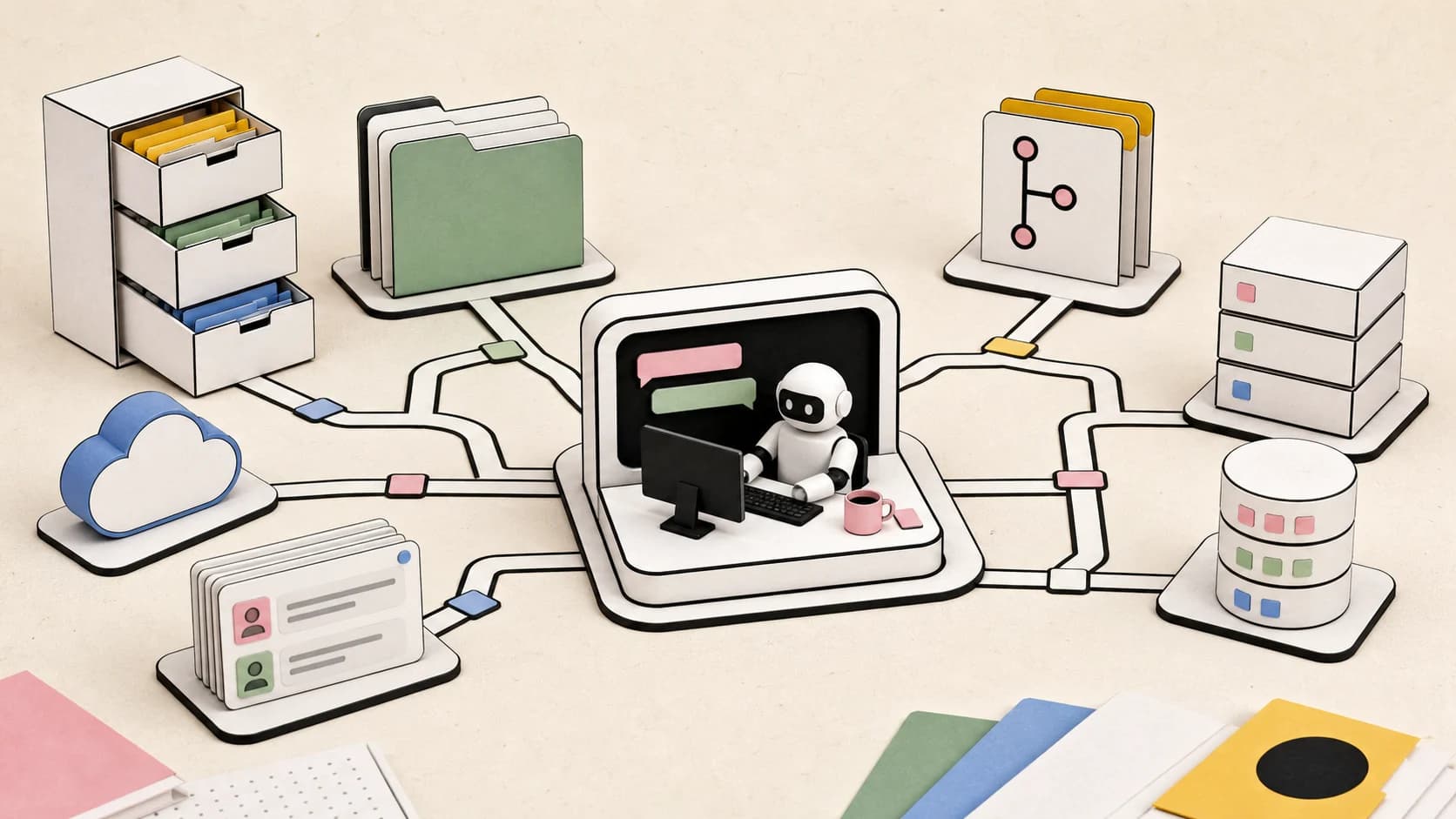
8 min read
AI Agents
Agent Workspaces Need Filesystem Contracts
GitHub's latest agent workspace trend points at a boring but important primitive: agents need explicit filesystem contra...
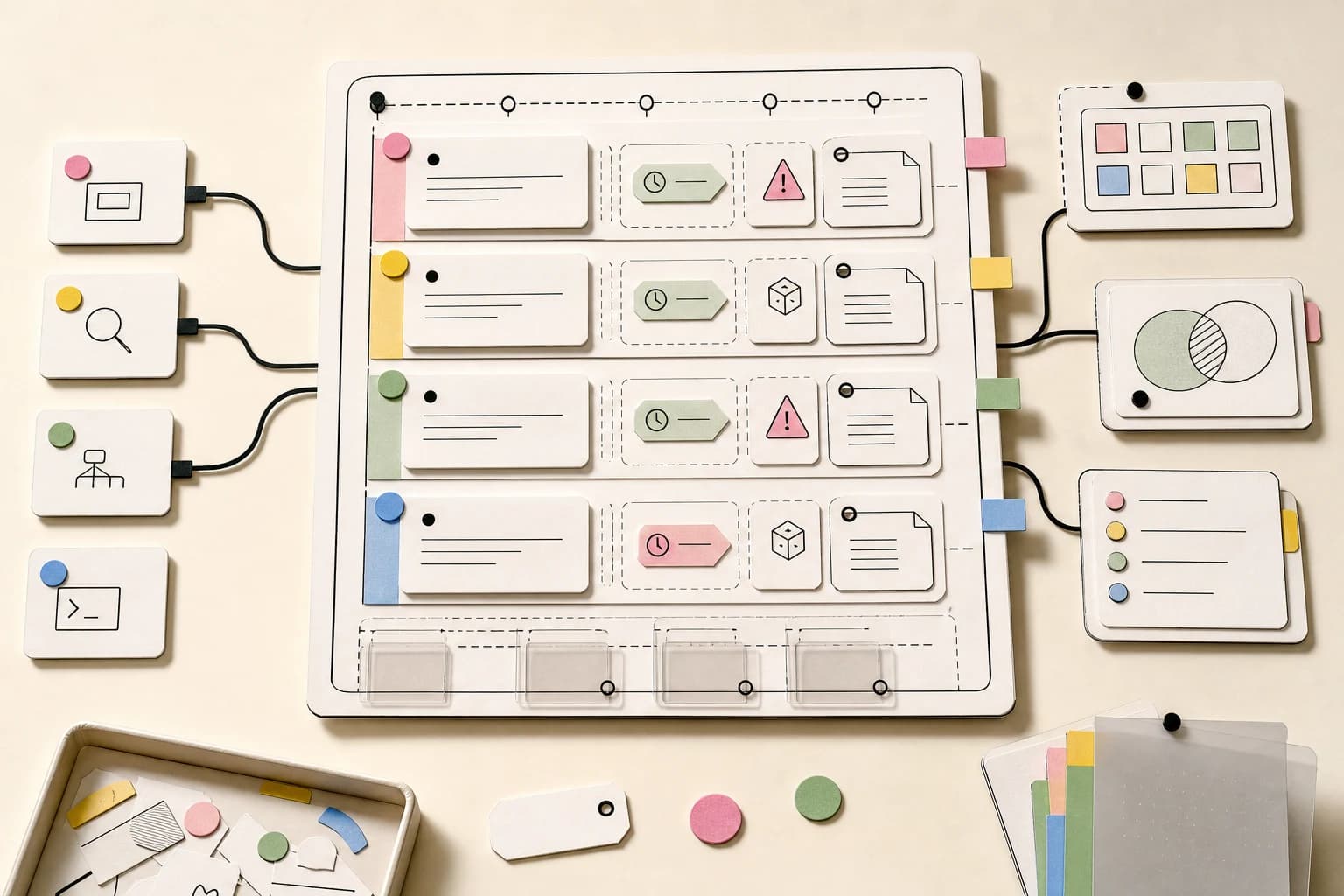
8 min read
AI Agents
AI Agent Memory Needs a Context Ledger
GitHub Trending is full of agent memory and context tools. The useful version is not magic recall. It is a context ledge...
8 min read
OpenAI
ChatGPT Desktop Now Reads Your VS Code, Terminal, and Xcode
OpenAI shipped a new feature in the ChatGPT macOS app that lets it read context from VS Code, Xcode, Terminal, and iTerm...
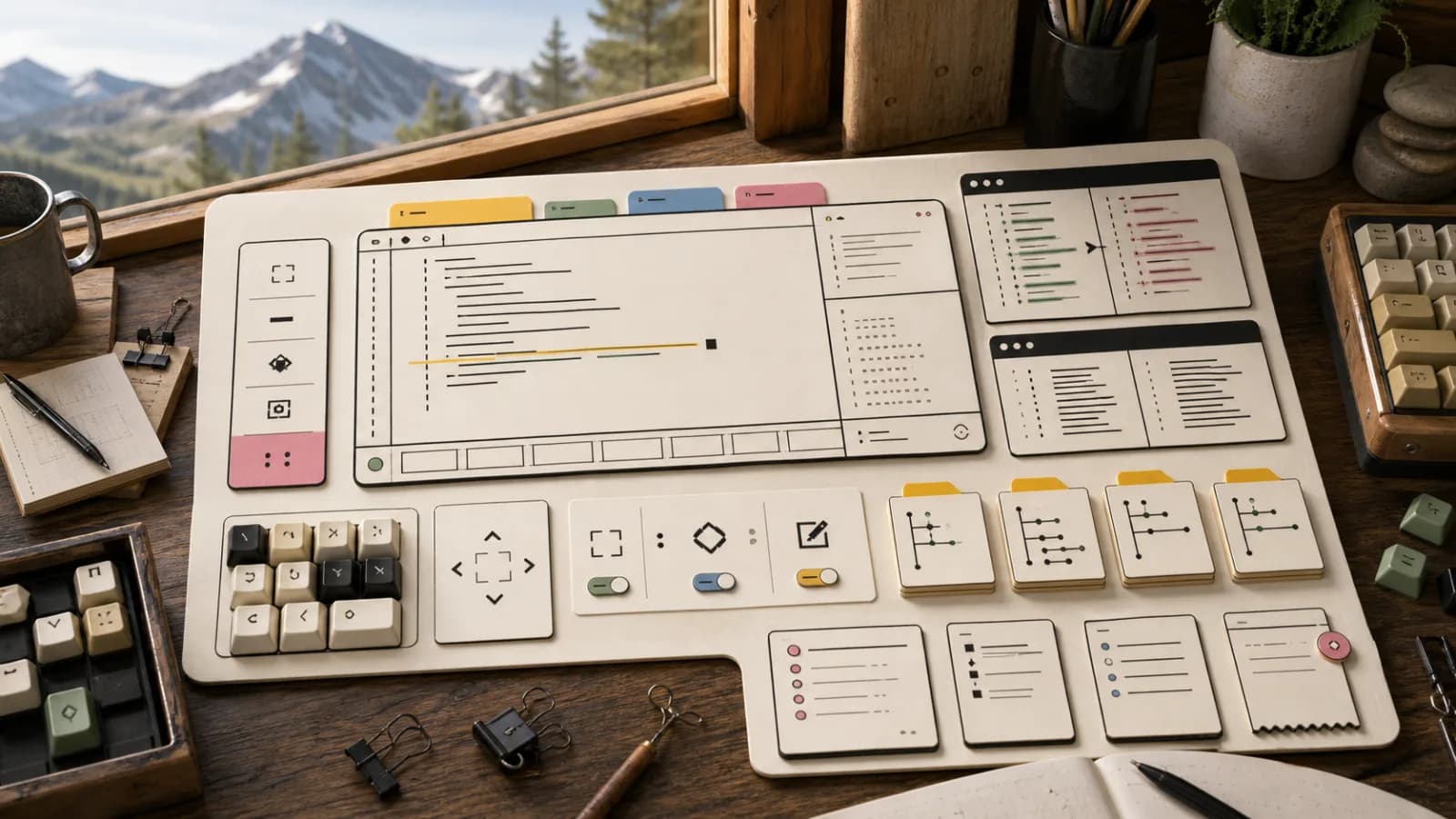
6 min read
Codex
Codex CLI Vim Mode Is an Ergonomics Signal
Codex CLI 0.129.0 added modal Vim editing in the composer. The feature is small, but it points at a bigger shift: termin...
9 min read
AI Coding
Terminal Agents Are the New Developer Runtime
Terminal agents like Claude Code, Codex CLI, OpenCode, Copilot CLI, and DeepSeek-TUI are converging on the same runtime...
7 min read
Codex
Codex CLI Worktrees Turn Agent Runs Into Durable Sessions
Codex CLI 0.154.0 adds experimental worktrees, inline answers, Windows daemon support, and approval hardening. The impor...
Build with the member tools

Get Smarter About AI Dev
New tutorials, open-source projects, and deep dives on coding agents - delivered weekly.
One email per weekReal code, not theoryFree forever