Slack Code vs Claude Code vs Cursor vs OpenCode: When Agents Belong in Chat
TL;DR
Slack Code puts coding agents in dedicated Slack channels with diffs, live HTML previews, and an audit log.
Official Sources#
| Resource | Link |
|---|---|
| Slack Code announcement | slack.com/blog/news/slack-code-channels-for-agents |
| Salesforce product page | salesforce.com/introducing-slack-code |
| Slack Code help | Build with AI as a team using Slack Code |
| Slack Code features | slack.com/features/code-channels |
| Vercel Agent in Slack code channels | vercel.com/changelog |
Last updated: August 21, 2026
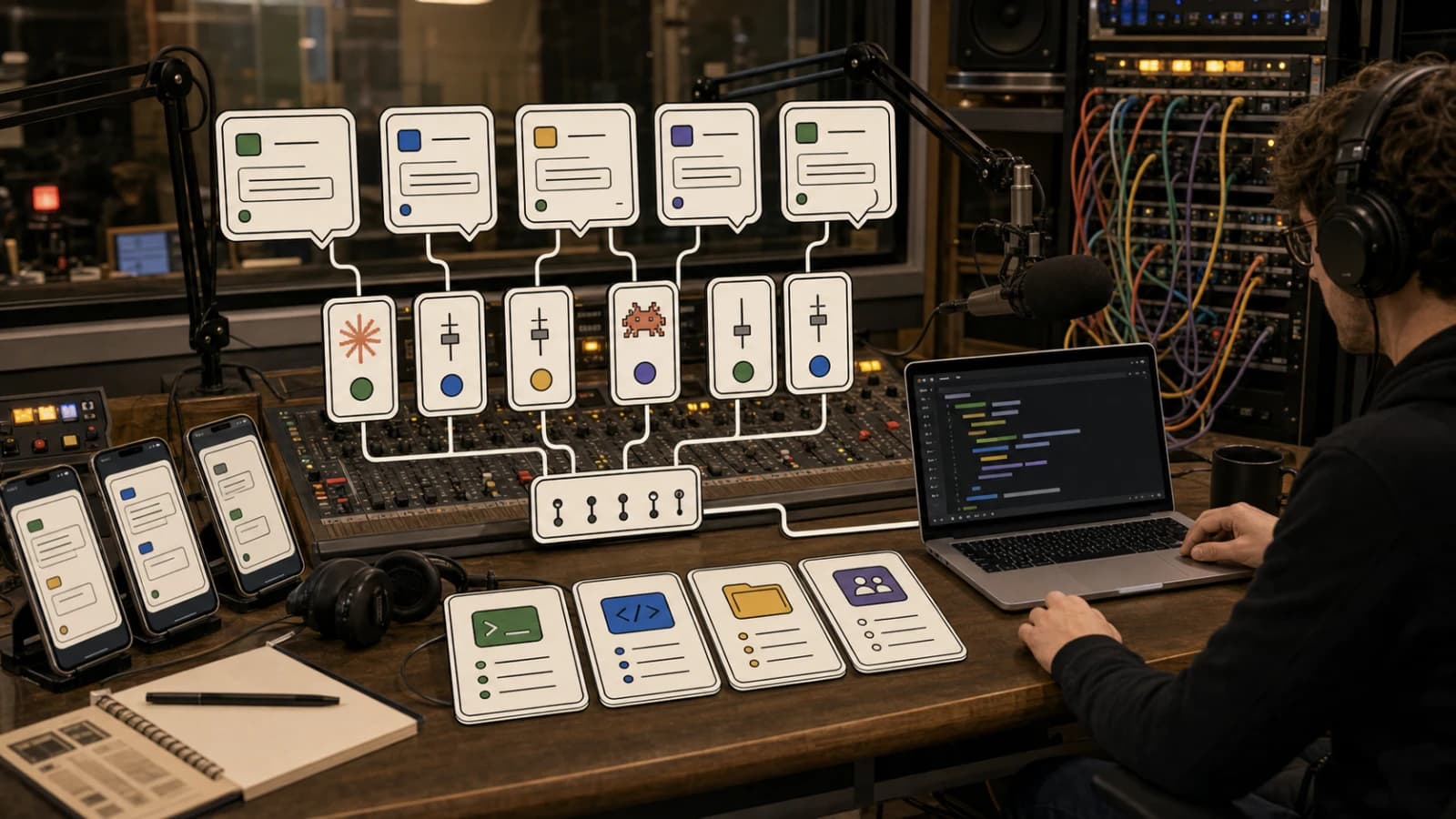
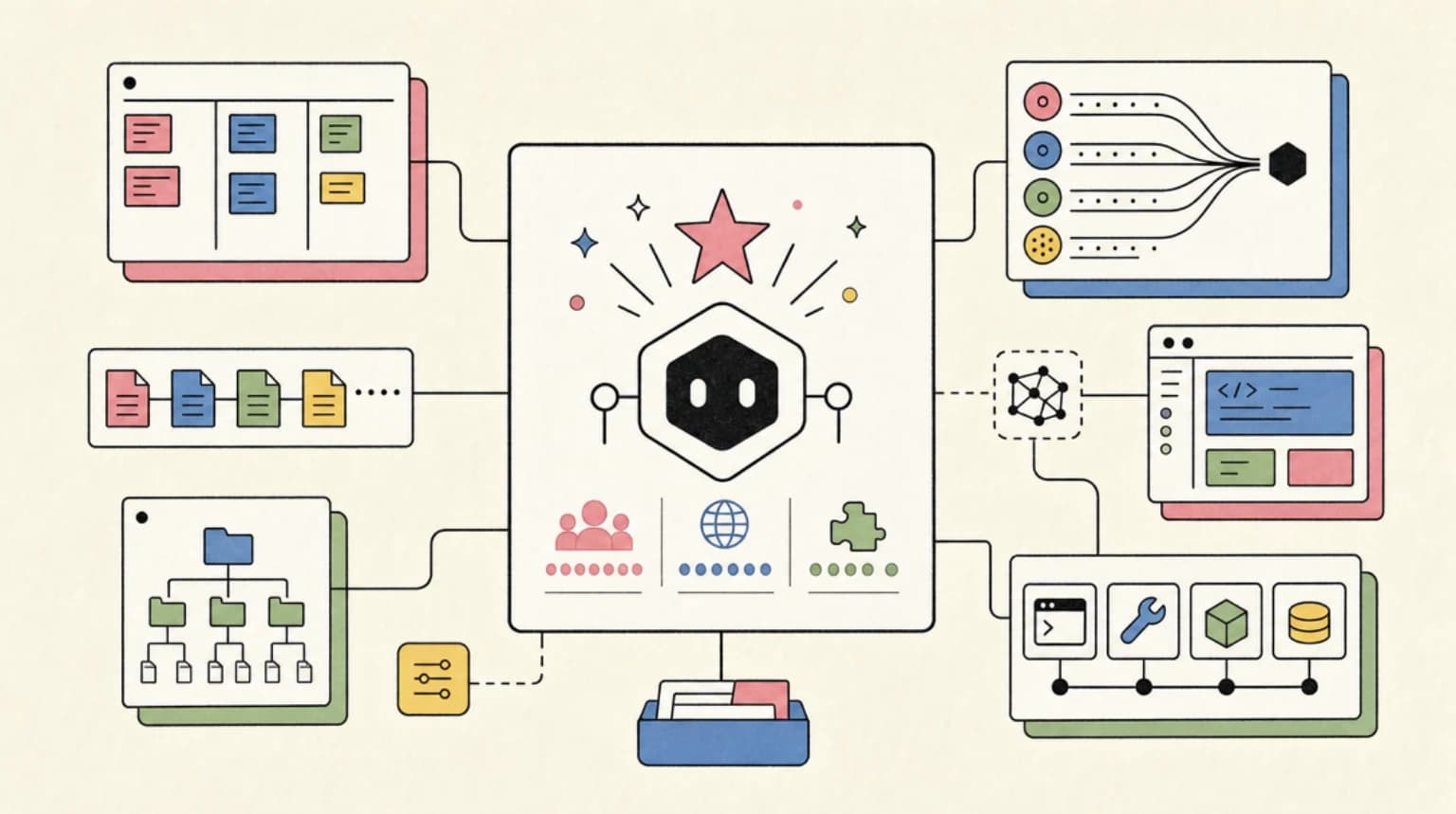
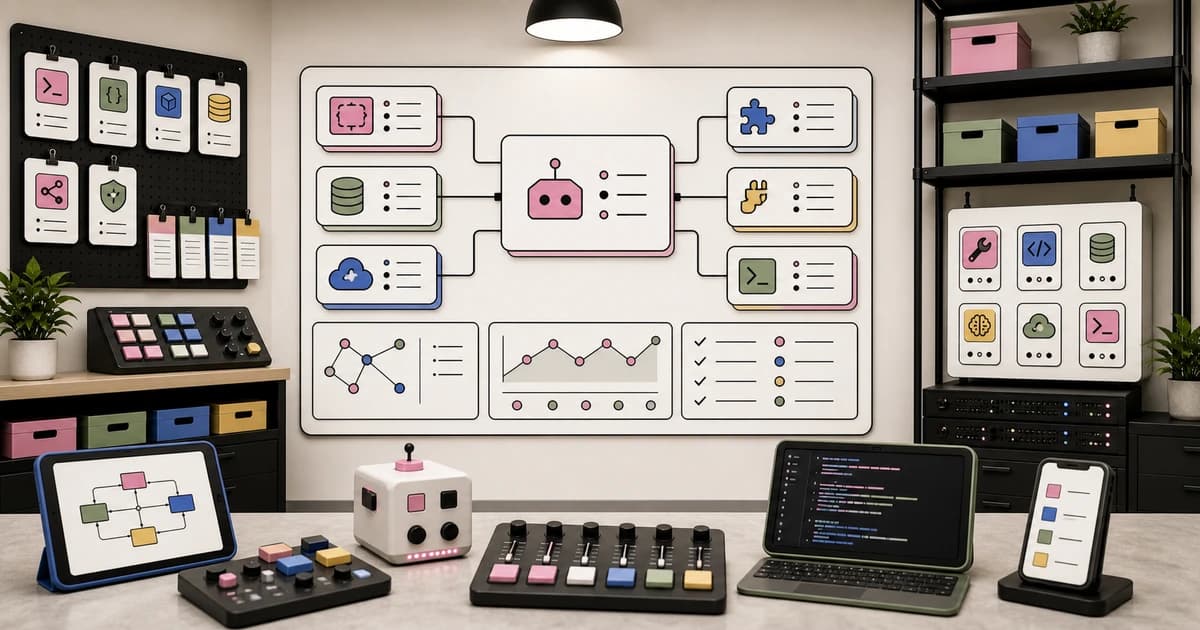
Slack just shipped a new channel type that an agent spins up for you. Mention a supported coding agent, and Slack Code opens a dedicated code channel with diffs, a live HTML preview, and a conversation the rest of the team can join. When the work is done the channel archives and stays searchable as an audit log.
That is Slack's answer to a problem every team already has: the interesting agent work happens in a private tab, and the rest of the team finds out after the PR. This post is the decision guide. Slack Code is the right surface for some work. Claude Code, Cursor, and OpenCode still win for others. If your team does not live in Slack, this is not the harness.
What Slack Code actually is#
A code channel is a temporary Slack channel around one agent session. Slack's help article is the practical source. Mention a supported agent in a channel or DM, describe the work, and the agent creates the room (or start one from the Agents & tools tab). The channel can be public or private. The agent names it from the request.
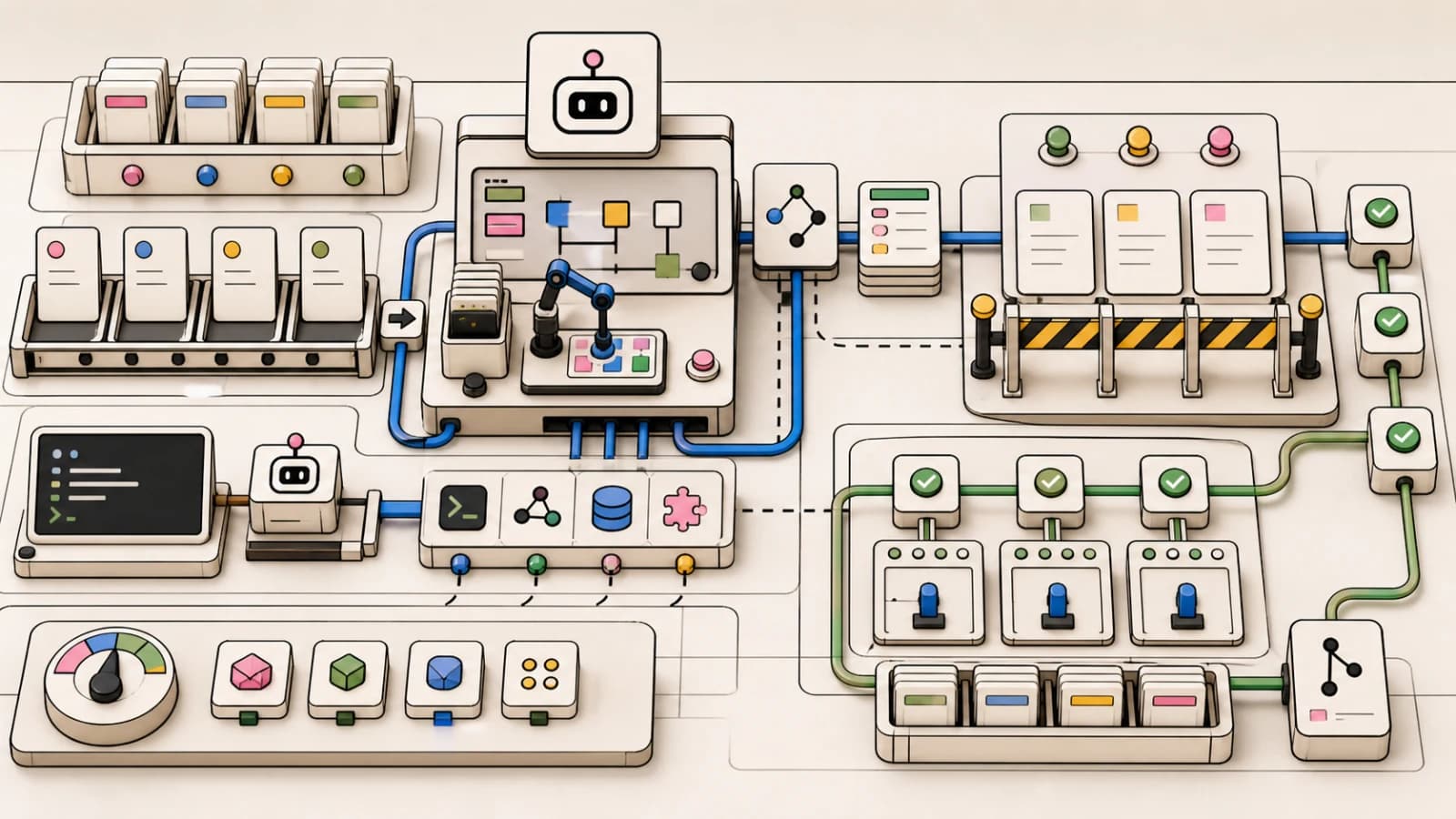
Artifacts live in tabs, not as a wall of messages: a Code diff with line comments, a Canvas for the plan, an HTML view for a live preview, and Files & links people dropped in.
Status posts back to the original thread. You can stop an agent mid-response. High-stakes changes can route to a person for approval in-channel. Slack says code channels inherit existing permissions, admin controls, EKM, DLP, and Discovery APIs.
When the work is done the channel archives and remains as an audit log. After seven days of inactivity it also drops out of the sidebar. Slack's launch post claims over 70% of code channels on their own team spin up and close within a single day, from idea to merged PR. Treat that as Slack describing Slack, not a market benchmark.
Who is live#
Trust Slack's availability sentence. Code channels are live today for Claude (Anthropic), Devin (Cognition), GitHub Copilot, and Vercel, with OpenAI ChatGPT coming soon. The features page lists the same four. Help notes a gradual rollout.
Salesforce's introducing Slack Code page says Slack Code is available on any Slack plan, and that access to each partner agent is required. Some partner apps still need their own paid account. Vercel documents its integration as public beta for Pro and Enterprise teams. Slack has not published a Slack Code seat price.
The Hacker News thread is item 49389883. As of August 21, 2026 it has no comments, so it is a bookmark, not a field report.
The inverse of Claude Code Channels#
If you have used Claude Code Channels, Slack Code will feel backwards, and that is the point.
Claude Code Channels are event ingress into a local session. Telegram, Discord, iMessage, or a webhook push a message into Claude Code running on your machine. The agent keeps your repo, shell, hooks, and CLAUDE.md. Remote Control is the sibling: pick up that same local session from a phone or browser.
Slack Code is the inverse. The agent comes into Slack. Diffs, previews, and approvals live where the team already talks. Use Channels when the valuable state is on disk. Use Slack Code when the valuable state is the conversation.
Other ways to make the run visible#
Slack Code is not the only product trying to get agent work out of a private tab.
OpenCode has /share. The share docs create a public link at opncd.ai/s/<share-id>. Default is manual. /unshare takes it down. That is a snapshot of a local run you choose to publish, not a multiplayer room. See the OpenCode developer guide for the rest of the CLI.
Codex added shared thread snapshots on August 20, 2026, from the ChatGPT desktop app for macOS, on all Codex plans. The snapshot is read-only and does not update. Personal-account links can be opened by anyone with the link; workspace links stay inside the originating workspace. Codex redacts known secret patterns, and still tells you to review the shared view.
Those two are "show someone the run." Slack Code is "run it where the team already is."
Head to head#
This table is about where the work is visible, not which model writes better patches. For agent quality, see Claude Code vs Codex vs Cursor vs OpenCode.
| Slack Code | Claude Code | Cursor | OpenCode | |
|---|---|---|---|---|
| Runtime | Partner agent in Slack | Local CLI | IDE agent | Local CLI, BYO model |
| Multiplayer | Channel members see diffs and previews | Only if you share via Channels or Remote Control | Team plans, still an editor | Optional /share links |
| Review | In-channel diff, HTML preview, human approval | Terminal, git diff, editor | Inline diffs | TUI plus optional public share |
| Permissions | Inherits Slack | Local user plus Claude Code modes | Local user plus Cursor rules | Local user plus your keys |
| Best job | Same-day fixes that start in Slack | Long sessions on one codebase | Tight in-editor edit loops | Self-hosted, no vendor lock-in |
| Skip when | The team is not in Slack | You need non-engineers in chat | You need an audit log outside the editor | You need a managed chat surface |
GitHub Copilot sits on both sides. Copilot already had an issue-to-draft-PR agent inside GitHub. Slack Code is that agent showing up in the conversation that produced the issue.
Decision guide#
Pick Slack Code when the work starts as a Slack message. A bug report, a screenshot, a copy change from a PM. The people with the context are already in the channel. The artifact they need is a preview or a diff, not a 40-file refactor.
Pick Claude Code when the repo is the source of truth and you will be in the session for hours. Subagents, hooks, skills, and project instructions still live on the machine. Remote Control and Channels cover walking away or piping CI into a local session. Neither needs a new Slack channel type.
Pick Cursor when the loop is edit, look, edit again, inside a file tree you already have open. Slack Code will not replace inline diffs on the code you are staring at.
Pick OpenCode when you want a local, model-agnostic agent and you own the session files. /share is enough when a teammate needs to see the run. It is not enough when a PM needs to steer it live.
A split that works: Slack Code for work that would otherwise become a ticket. Claude Code or Cursor for a half-day local session. OpenCode when you refuse to put the runtime inside a vendor chat product.
Skip Slack Code if the team does not live in Slack#
This is the honest skip, and it is not a slight. If engineering lives in Linear, Discord, or just the repo, Slack Code adds a workspace you do not already open. The product bet is "the conversation is already here." If it is not, you are adopting Slack in order to adopt Slack Code. That is a company decision, not an agent decision.
Skip it for long-horizon refactors, anything that needs your local test runner and a worktree, and anything where GitHub code owners are the approval path. Skip it if the partner agent you want is not in the launch set (ChatGPT is coming soon, not live), or if security cannot accept a partner agent reading channel context.
If you do live in Slack, start small: a contrast bug, a copy change, a failed preview. Keep Claude Code, Cursor, or OpenCode as the primary loop until that experiment earns a bigger slice.
FAQ#
What is Slack Code?#
A Slack channel type for working with a coding agent. Mention a supported agent and it spins up a dedicated code channel with diffs, a live HTML preview, and a conversation your teammates can join. When the work is done the channel archives and remains searchable as an audit log.
Which agents work with Slack Code today?#
Claude (Anthropic), Devin (Cognition), GitHub Copilot, and Vercel. OpenAI ChatGPT is listed as coming soon. Vercel documents its Slack code-channel integration as public beta for Pro and Enterprise teams.
Is Slack Code included on every Slack plan?#
Salesforce and Slack help say yes, for all members, once a supported agent is installed. Access to each partner agent is required and may be a separate purchase. Slack has not published a Slack Code add-on price. Rollout is gradual.
How is Slack Code different from Claude Code Channels?#
Claude Code Channels push Telegram, Discord, iMessage, or webhook events into a local Claude Code session. Slack Code pulls the agent into Slack.
Does Slack Code replace Cursor or OpenCode?#
No. Cursor still wins for in-editor edit loops. OpenCode still wins for a local, model-agnostic CLI. Slack Code wins when the reviewers are already in Slack and the job is small enough to close in a channel.
Sources#
- Slack, "Slack Code: Where Your Team and Agents Build Together" - slack.com/blog/news/slack-code-channels-for-agents (fetched August 21, 2026)
- Salesforce, "Introducing Slack Code: Agentic Coding for Teams" - salesforce.com/introducing-slack-code (fetched August 21, 2026)
- Slack Help, "Build with AI as a team using Slack Code" - help article 54310833022355 (fetched August 21, 2026)
- Slack, "Slack Code: Where Building is a Team Sport" - slack.com/features/code-channels (fetched August 21, 2026)
- Vercel Changelog, "Vercel Agent is now available in Slack code channels" - vercel.com/changelog (fetched August 21, 2026)
- OpenCode, "Share" - opencode.ai/docs/share (fetched August 21, 2026)
- OpenCode Go - referral signup for the local CLI (code
M6HEHM4JM5) - OpenAI, "Share a read-only snapshot of a Codex thread" - learn.chatgpt.com/codex/use-chatgpt and the August 20, 2026 Codex changelog (fetched August 21, 2026)
- Hacker News, "Slack puts coding agents in the team chat" - item 49389883 (fetched August 21, 2026; no comments at fetch time)
Some links to tools above are referral links - see our affiliate disclosure.
Continue Reading#
- Claude Code Channels - chat apps pushing into a local Claude Code session
- Claude Code vs Codex vs Cursor vs OpenCode - which local agent actually ships more code
- GitHub Copilot Coding Agent and CLI - Copilot's GitHub-native agent
- OpenCode Developer Guide - local, model-agnostic CLI, including
/share - Claude Code Remote Control - pick up a local session from your phone
- Put Your Coding Agent in Discord - the self-hosted version of this idea for teams that live in Discord instead of Slack
Get the next comparison like this in your inbox
One email a week on Slack and the rest of the AI dev stack. Free.
Read next on Cursor
Claude Code Channels: Telegram, Discord, iMessage, and Webhooks
Claude Code Channels let Telegram, Discord, iMessage, fakechat, and custom webhooks push events into a running Claude Code session. Here is when to use them, how the security model works, and where they fit beside Remote Control.
8 min readClaude Code vs Codex vs Cursor vs OpenCode: Which Agent Ships More Code?
Four agents, same tasks. Honest trade-offs from a developer shipping production apps with all of them.
10 min readGitHub Copilot Coding Agent and CLI: Why GitHub Is Back in the Agent Race
GitHub Copilot is moving from autocomplete into asynchronous coding agents, terminal workflows, MCP, skills, and model choice. Here is what changed in 2026.
8 min readNew here? Start with
Technical content at the intersection of AI and development. Building with AI agents, Claude Code, and modern dev tools - then showing you exactly how it works.