China AI Export Controls: What They Mean for Open-Weight Models

TL;DR
China drafted export controls on 23 AI technologies, including model weights. API use and already-public weights are exempt. What changes for builders on Qwen, DeepSeek and GLM.
Last updated: October 18, 2026
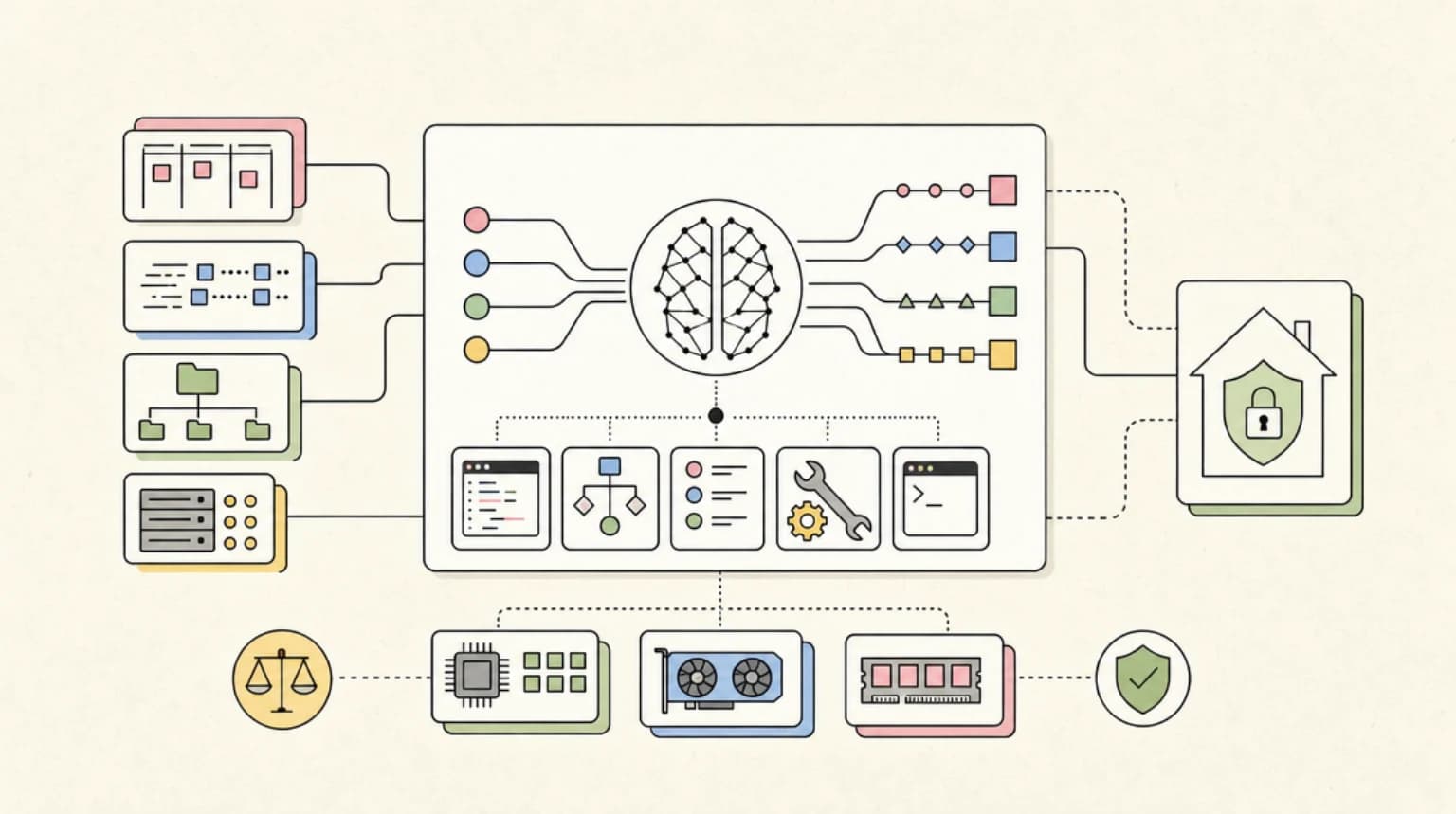
China has proposed export controls on 23 AI technologies, including the weights of its largest models, and the short answer for most builders is that nothing you run today breaks. API access to Chinese models stays outside the controls, and weights that are already public are exempt. What changes is the odds on future releases: the draft gives Beijing a standing mechanism to slow or stop a Chinese lab from publishing a frontier-scale open-weight model.
This post covers what the draft says, what the thresholds mean in practice, and what to do on Monday if you have Qwen, DeepSeek, GLM or Kimi models anywhere in your stack. It is a proposal, not final law, and nothing here is legal advice.
What China published#
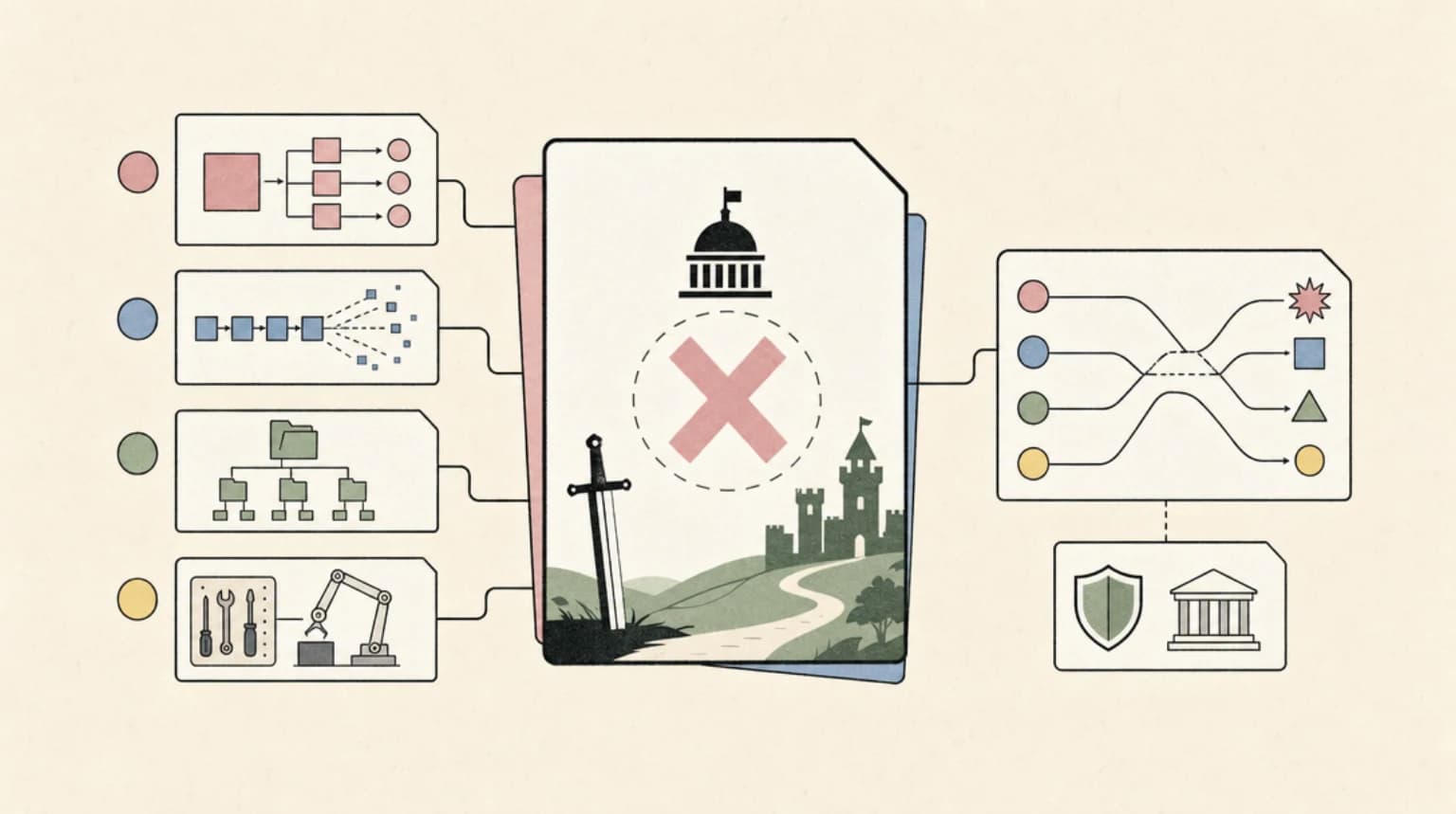
On October 16, China's commerce and science ministries released a draft revision of the country's list of technologies banned or restricted from export. Per Reuters, the revision covers 40 technologies across AI, biotechnology and solar power, 23 of them AI, including models, agents and computing clusters. Public consultation closes November 15, and exporters must register certain overseas technology transfers starting October 16 while the final rules are pending.
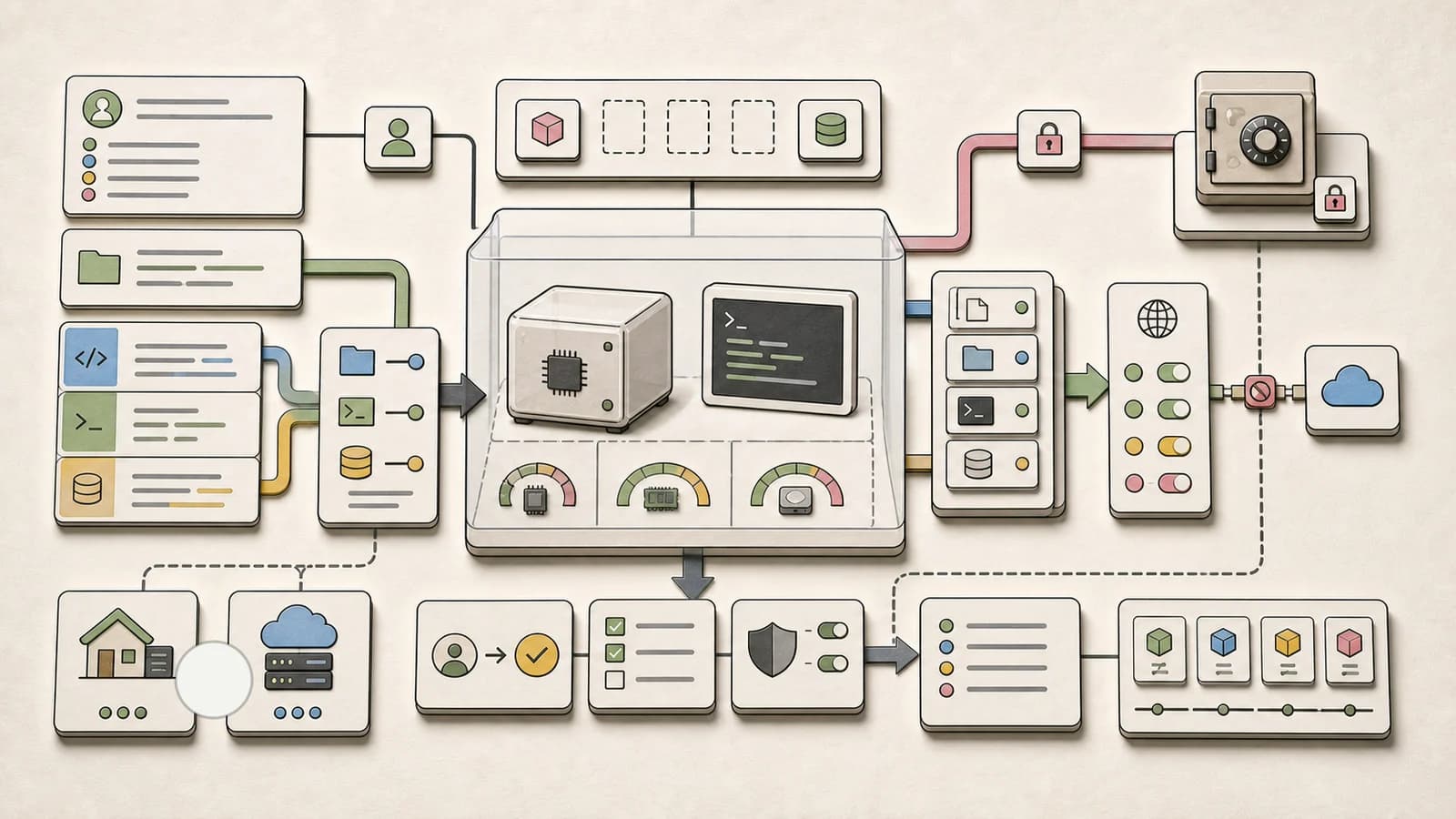
The ministry's own spokesperson Q&A (in Chinese) frames it as routine catalogue maintenance that is not aimed at any particular country, region or entity, and explains three details that matter to developers. Overseas local deployment of a restricted model counts as a technology export. Offering a restricted model through API calls, apps and web pages, SaaS products or lightweight on-device deployment does not. And open-source releases, plus Chinese companies running their own overseas compute, get automatic licensing, which the ministry summarises as report-and-export.
The Decoder's summary of the draft adds the thresholds. Model controls apply to weights, checkpoints, source code and training methods once a model reaches 10^26 training FLOPs, at least 2 trillion parameters, or a global top-10 ranking, or when it was trained on sensitive Chinese data. Technology already public through open source or papers is exempt. A separate draft tier covers AI that autonomously writes or mutates malware (banned) and AI-assisted vulnerability discovery (restricted).
What actually changes for builders#
| You do this | Status under the draft |
|---|---|
| Call a Chinese model through a hosted API | Outside the controls, per the ministry |
| Run weights you already downloaded | Outside the controls - already public |
| Run a Chinese model on your own servers abroad | Inside the controls if it is a restricted model |
| Wait for the next frontier-scale Chinese open-weight release | Goes through registration and automatic licensing |
The row that deserves attention is the last one. Automatic licensing means the draft is designed not to choke Chinese open-source labs, and the ministry says as much. But report-and-export is still a step that did not exist before, and the top-10 clause is written against rankings that can change month to month. Whether any specific upcoming release crosses a threshold is not knowable from the draft, and neither the Reuters report nor the ministry statement says how many current open-weight models would qualify.
The angle: Beijing is buying an option, not closing the door#
The sharpest read in the coverage comes from Dean W. Ball, quoted by The Decoder: the move "does not mean 'China is shutting down open-weight models,'" but establishes "the optionality to shut down future open-weight models at will." That is the right frame. A rule that clears open-source releases by default is a rule that can stop doing so.
Who wins from that? Western labs shipping open weights, because the buyers who were choosing a Chinese model on price now carry a policy risk they did not have last week. This is the argument the pro-open-weight coalition made in our analysis of the American AI leadership letter, and it now has a mirror image from the other side. Meta's recent Muse Spark Open release is the obvious beneficiary of a developer who wants an open model with no cross-border export step. Who loses? Teams that standardised on a single Chinese open-weight family with no fallback, and European operators, who the Decoder notes depend on open weights for sovereignty and now see both major sources subject to export controls.
The second-order effect, and this is my read rather than anything in the draft, is on pricing. Open weights let any host serve a model, a dynamic we looked at in the open-weights economics notes. If future top-tier weights arrive later or not at all, third-party hosts lose supply while the Chinese labs keep selling their own APIs, which the draft leaves untouched.
What to do Monday#
- Inventory what you depend on. List which models in production are Chinese open weights, which run self-hosted versus through an API, and which hosting provider serves them. Our open-weights coding showdown is a starting map of the families.
- Keep a local copy of weights you rely on. Already-published weights are explicitly out of scope, so a copy you hold today is not affected by the draft. Check each model's license for redistribution terms first.
- Abstract the model behind a config line. If swapping from a Chinese open model to a Western one is a one-line change, this story costs you nothing. The best local coding LLMs list gives you alternatives to test against your own evals before you need them.
- Do not rewrite anything yet. The comment period runs to November 15 and the ministry says most AI technology stays freely exportable. Watch the final text, and whether any lab registers or delays a release.
What people are actually saying#
Reaction on r/LocalLLaMA centred on the exemptions. One thread on the proposal emphasised the automatic licensing for new open-source releases and the exemption for already-open technology, while a follow-up post titled for people worried about China export controls argued that existing weights are untouched and API use is out of scope, but that next-generation Chinese frontier models may face registration and delays before weights can be downloaded abroad. A r/LocalLLM post took the more worried reading, that the implications for open-weight and local AI are not good even with simplified licensing. I could only read the thread summaries, not the full comment trees, so treat these as the framing of the posts, not a tally of opinion.
The counter-case is the one in the official framing: the draft is a catalogue update, exempts public technology, and sets a fast lane specifically so that open-source labs are not slowed. The Hacker News submission of the FT's story had only a handful of points and no discussion when I checked, so there is no meaningful HN signal yet. An earlier HN debate on China's open-weights strategy shows the underlying argument these rules will feed: whether open weights are a state-backed lever or simply good economics for anyone who can host a model.
Continue Reading#
- Open Weights and American AI Leadership: The Letter and the HN Reaction - the pro-open-weight coalition's case
- Anthropic's Open-Weights Position - the frontier-lab side of the policy argument
- GLM 5.2 vs DeepSeek V4 vs Qwen3: Open-Weights Coding Showdown - the Chinese model families compared
- Muse Spark Open: Running Meta's 816B Open Weights - the US open-weight alternative
- Best Local Coding LLMs in 2026 - fallbacks to test before you need them
Sources#
- Reuters: Beijing seeks tighter grip on AI exports amid US rivalry - October 16, 2026
- China Ministry of Commerce: spokesperson answers on revising the technology export catalogue - October 16, 2026 (Chinese)
- The Decoder: China plans to tighten export controls on open-weight models and 23 key AI technologies - October 16, 2026
- r/LocalLLaMA: China proposes export controls on 23 AI technologies
- r/LocalLLaMA: For people worried about China export controls
- r/LocalLLM: China's new AI export controls could threaten open-weight AI
- Hacker News: China unveils draft export controls on AI, open-weight models, and chips
- Hacker News: China's open-weights AI strategy is winning
Get the next deep dive like this in your inbox
One email a week on AI Policy and the rest of the AI dev stack. Free.
Read next
Nvidia, Microsoft, Meta, and 30+ Companies Warn Against Overregulating Open-Weight AI Models
An open letter from Nvidia, Microsoft, Meta, OpenAI and 30+ signers defends open-weight AI models. What it argues, who stayed out, and how HN reacted.
9 min readAnthropic CEO Dario Amodei on open-weights models: the position, the pushback, and what it means for developers
Dario Amodei on open-weights models: export controls, distillation crackdowns and mandatory safety testing, the HN pushback, and what it means for developers.
8 min readGLM-5.2 vs DeepSeek V4 vs Qwen3: The Open-Weights Coding Model Showdown (2026)
GLM-5.2 vs DeepSeek V4 vs Qwen3 vs Kimi K3: open-weights coding models compared on benchmarks, pricing, context windows, self-host footprint and best picks.
14 min readNew here? Start with
Technical content at the intersection of AI and development. Building with AI agents, Claude Code, and modern dev tools - then showing you exactly how it works.