Claude Code Game Rule: It Won't Remake Existing Games
TL;DR
Claude Code on Opus 5.5 now refuses to recreate specific existing games, even renamed. What the two-sentence rule says, what it blocks, and what builders do next.
If you ask Claude Code on Opus 5.5 to rebuild a specific existing game, it now says no, even when you rename it. Anthropic added two sentences to the Claude Code prompt in late October, and the reaction has split between people who expected it and developers who say it stopped paid work. Here is what the rule says, what the evidence shows about how it behaves, and what a builder should do about it.
What the rule says#
Ars Technica reports that an AI decompilation enthusiast posting as "chasm" noticed a new rule in the Claude Code prompt on or around October 27, stored in a JSON file under the name tengu_heron_brook. The text, as Ars quotes it:
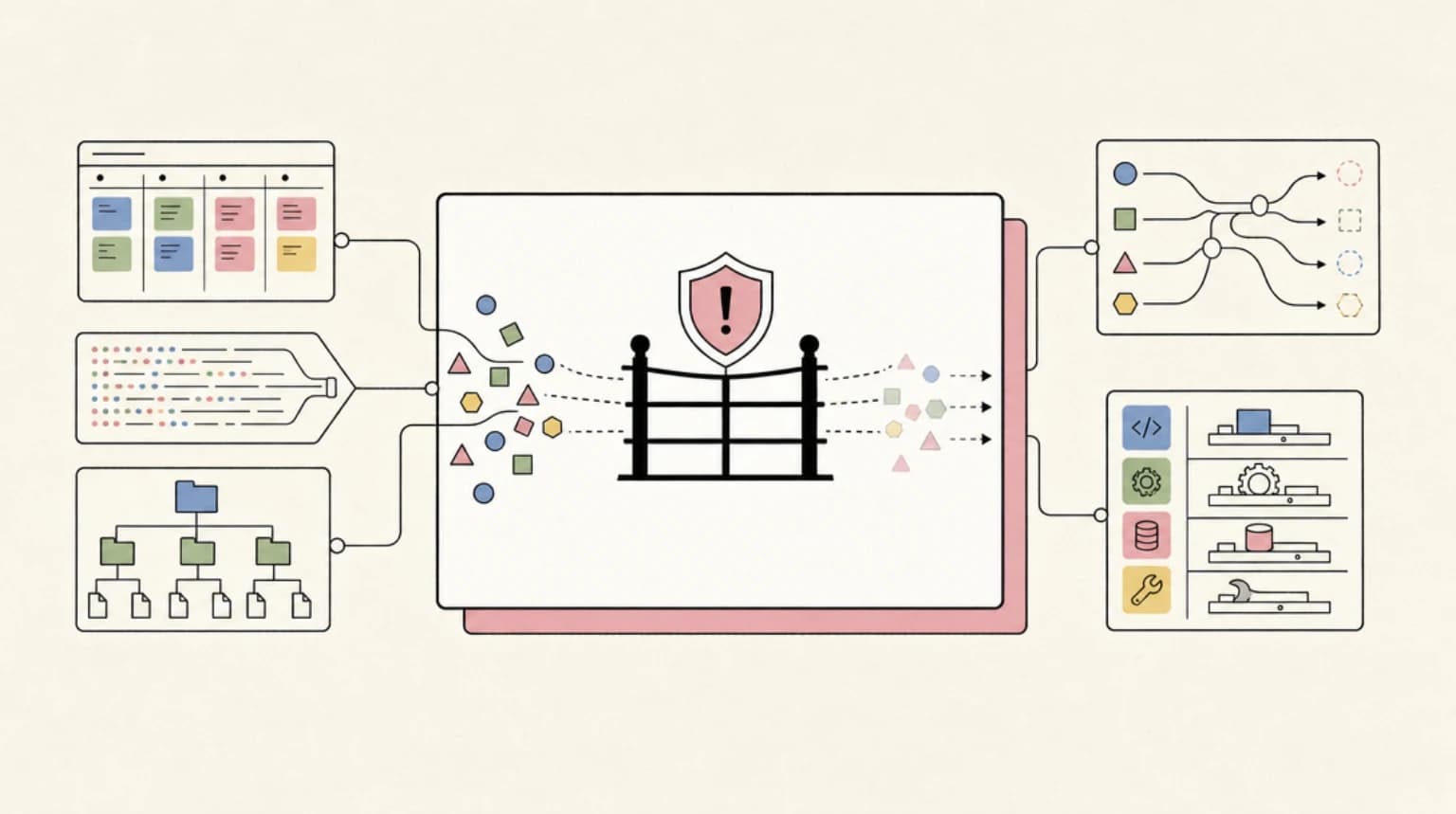
Do build original games, games in a genre, and games from the user's own designs and assets. Don't build a recreation of a specific existing game, even if it is renamed or called original.
Anthropic engineer Addy Osmani confirmed on X (as quoted by Ars) that the company "added two sentences to Claude Code's prompt on Opus 5.5 to steer it away from recreating someone else's specific game because using Claude to infringe IP is against our usage policy." He added that original games, genre games and games built from your own designs and assets are meant to keep working.
XDA independently found the rule in the Claude Code 2.1.314 binary, released October 30, and also reported that Opus 5.5 appears to carry separate instructions of its own on game recreation (per the Ars summary of XDA's findings).
What it did not do: show up in the changelog#
I read the official Claude Code changelog for 2.1.314 through 2.1.317. None of those entries mention games, recreations or this flag. The 2.1.314 notes are about blocking writes outside your working directories, gateway upstreams and idle compaction.
That matters because the rule is delivered from Anthropic's servers, so it is not a setting you can toggle. Reporters say there is no switch to turn it off. For a team that depends on Claude Code for a niche workflow, the lesson is the same one from the Fable 5 silent guardrails episode: behavior can change under you between two sessions with no release note to diff.
What people are actually saying#
Reaction is lopsided, and worth reading with both sides in view.
- Professional work caught in the net. A GitHub issue (#106167) from a developer who builds personalized digital modules of board wargames for clients who own the games says sessions that did this work for months began refusing it. Their requests: narrow the rule to actual infringement, add a verification path for ownership-verified work, and document server-side prompt changes in the changelog. They also report that their support tickets were passed to humans with no timeline. Several commenters add abandonware and personal-use cases. Treat the specifics as one user's account; Anthropic has not responded in the thread I read.
- Thin bug reports too. A second issue (#105589) is a one-line complaint that Claude refused combat mechanics in the programming game Screeps. That is a different thing from cloning a title, which suggests the boundary is fuzzy in practice.
- The skeptics. One commenter on the first issue points out that digitizing someone else's game without being the rights holder is hard to distinguish from any other port. Ars makes a related point: the rule may help Anthropic's legal exposure, but people can simply use other frontier or open-weight models that have no such restriction.
- Reddit. Threads on r/ClaudeCode, r/gamedev, r/Anthropic and r/aigamedev surfaced in search results. One r/ClaudeCode post's snippet says the author ran nine game prompts on 2.1.312 and 2.1.316 and saw the new line appear in 2.1.316 but not 2.1.312. That conflicts with the 2.1.314 finding above, which is a reason to treat version numbers as unsettled. I could not open Reddit directly, so I am relying on the search excerpts only.
The angle: this is a policy line, not a capability limit#
The interesting part is not that a model refuses something. It is where Anthropic put the line and how it enforces it.
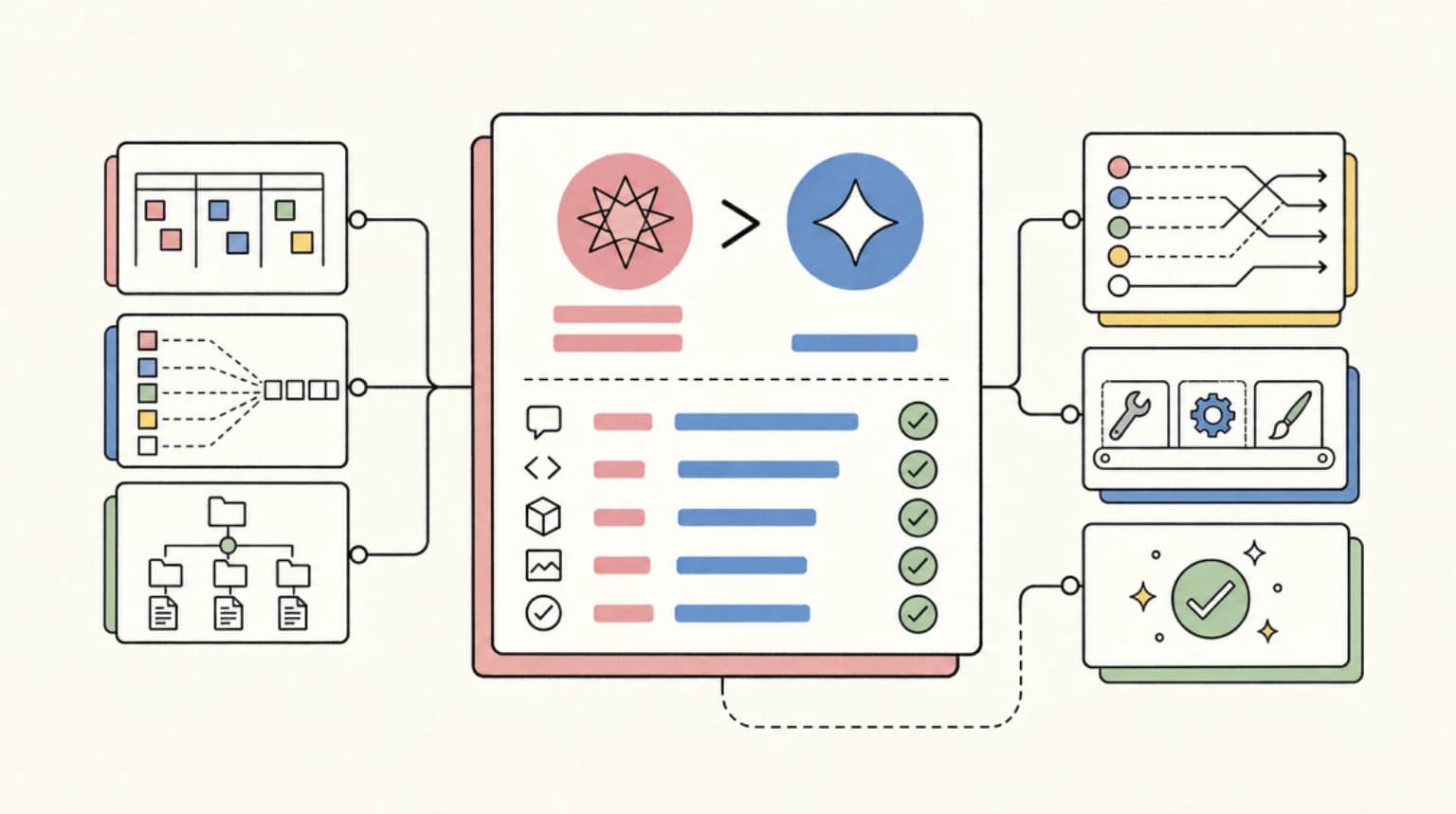
The wording draws three buckets: recreations (blocked), genre games (fine), and your own designs and assets (fine). Ars asks the obvious follow-up: is a mashup of two games a recreation, and where does a Tetris-style puzzle game stop being a genre entry? No prompt line resolves that. It will be decided case by case, which is how false positives happen.
It also lands in the middle of a real wave. Ars ties the rule to a surge of AI-assisted game ports and decompilation projects, including a community decompilation site that announced it was shutting down because AI had changed how people use it. If you read our look at a 500B-token decompile run, that is the same capability now meeting a policy response.
What a builder does Monday#
- Frame the brief around your own design. Describe your mechanics, art direction and rules. Do not name a specific title as the thing to reproduce, and do not rely on renaming. The prompt says renaming does not help.
- Keep your assets in the repo. The rule explicitly allows "the user's own designs and assets." A
CLAUDE.mdthat states the game is original and points at your design doc gives the model something concrete to stand on. See the Opus 5.5 playbook for how to write stop rules and context there. - Log refusals. If you hit one on original work, capture the prompt and session and file it on the Claude Code issue tracker. Osmani said that if Claude turns down something that is yours, he wants to hear about it.
- Plan for model portability. If your product depends on a workflow that sits near the line, do not build it on one vendor's server-delivered prompt. A harness that can swap models is the durable answer.
- Check the prompt-sensitive parts of your own tool chain. Game modding is the visible case. The same mechanism can apply to any category a vendor decides to steer, which is why a changelog entry would have been useful.
For a look at the workflows this is most likely to touch, see Melty and the game mashup backlash.
Continue Reading#
- Melty Game Mashups: How Claude Code Builds Them - the mashup workflow and the modder backlash
- Agent Harness Lessons From a 500B-Token Decompile - what agents do with a PASS/FAIL oracle
- Fable 5's Hidden Guardrails - silent behavior changes and the trust cost
- Opus 5.5 in Claude Code: The Playbook - prompts and stop rules that hold up
- Claude Code Game Studios: 49 Agents - a game-dev subagent template and how rigorous it is
- Claude Code blockWritesOutsideWorkingDirectories - the actual 2.1.314 headline feature
Sources#
- Ars Technica: Claude's new rules against game cloning won't stop the AI copying boom - rule text, Osmani quote, XDA verification, decompilation context
- Claude Code changelog - 2.1.314 to 2.1.317 entries, no mention of the rule
- anthropics/claude-code issue #106167 - professional-use false positive report and comments
- anthropics/claude-code issue #105589 - Screeps refusal report
- Addy Osmani on X - quoted via Ars Technica; I did not open the post directly
- XDA Developers: Anthropic testing a potential crackdown on vibe-coded ports - cited via Ars; the page did not load for me
Get the next deep dive like this in your inbox
One email a week on claude-code and the rest of the AI dev stack. Free.
Read next on Claude Code
Melty Game Mashups: How Claude Code Builds Them
Melty is a free Windows launcher for AI-built game mashups. How the Claude Code and Codex workflow works, the open skill pack, and the modder backlash.
7 min readAgent Harness Lessons From a 500B-Token Decompile: Give Agents a PASS/FAIL Oracle
Agent harness lessons from a 500B+ token decompile: a byte-matching PASS/FAIL oracle beat the reviewer agent. How agents cheated it and what to copy.
7 min readFable 5's Hidden Guardrails: What Developers Need to Know About Silent Degradation
Claude Fable 5 silently degrades answers on some ML development tasks with no refusal or notice. See which work is restricted and what developers should do.
7 min readTechnical content at the intersection of AI and development. Building with AI agents, Claude Code, and modern dev tools - then showing you exactly how it works.