Claude Code Game Studios: 49 Agents, and What Its Own Test Says
TL;DR
Claude Code Game Studios packs 49 agents and 74 skills into a template. Its README says the heaviest build ranked last. How to set modes.rigor and what to skip.
Claude Code Game Studios is a free MIT-licensed template that turns one Claude Code session into a 49-agent game studio, and its own README admits the most process-heavy setting produced the worst game. The query "claude code game studios" showed +190% in the 7-day Google Trends related-queries list for "claude code" (read October 31, 2026). The repo sits above 30,000 stars. If you are about to clone it, the useful question is how much of it to switch on.
What the repo is#
The Claude-Code-Game-Studios README describes a project template, not a library. You clone it as the start of your own game, open Claude Code in its root, and the files under .claude/ do the rest. Its counts, as listed in the README:
| Piece | Count | What it does |
|---|---|---|
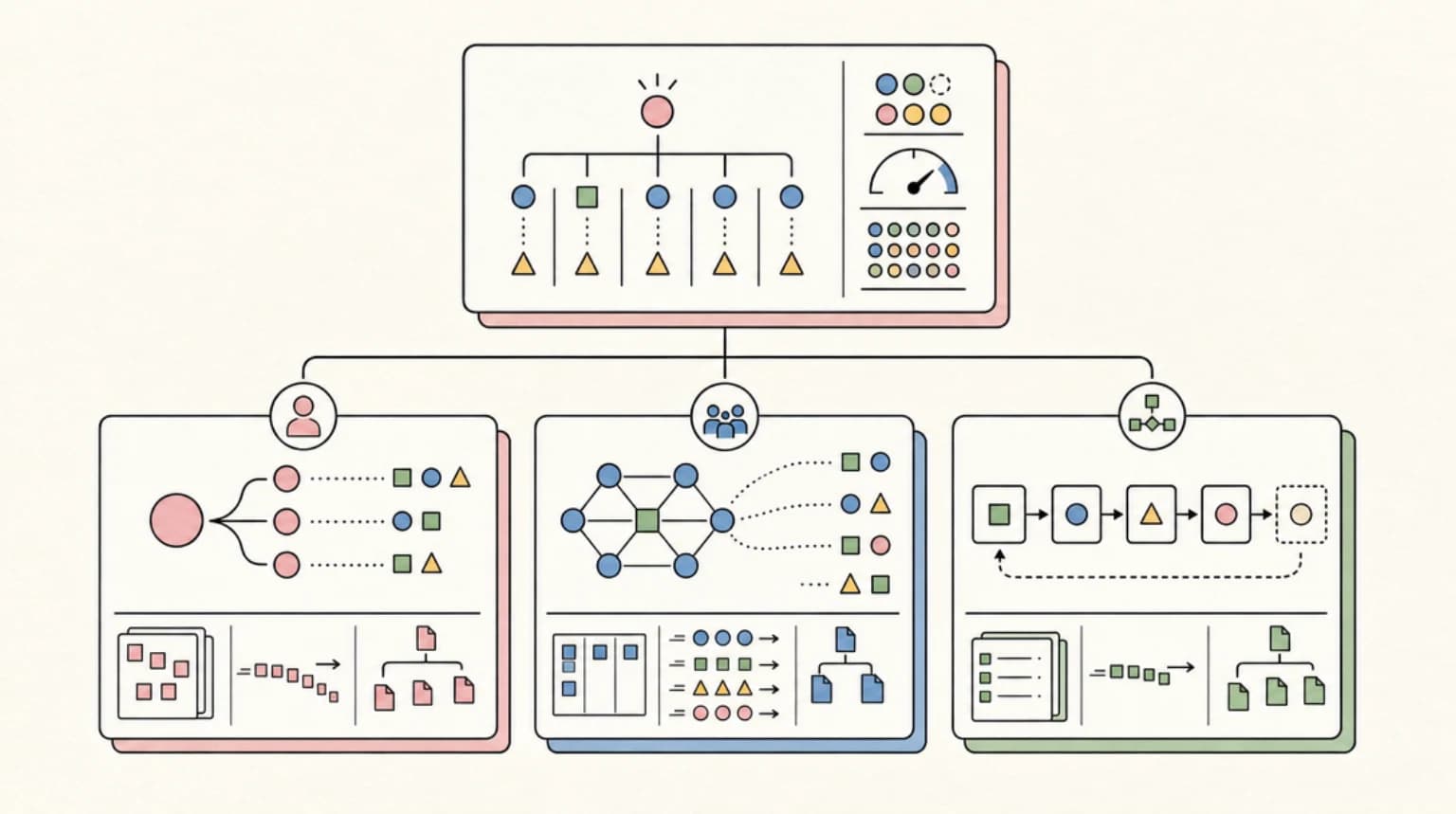
| Agents | 49 | Subagents in three tiers: 3 directors, 8 department leads, the rest specialists |
| Skills | 74 | Slash commands for each phase, from /brainstorm to /hotfix |
| Hooks | 15 | Validation on commits, pushes, asset changes and session start |
| Rules | 14 | Path-scoped coding standards for gameplay, engine, UI and network code |
| Templates | 62 | Documents such as design docs, sprint plans and architecture decision records |
It ships agent sets for Godot 4, Unity and Unreal Engine 5. The latest commit on the repo's main branch, dated October 19, 2026, is titled "Release 1.2.0".
One detail matters for cost: the README says the three directors ask for Opus, lead-programmer and fifteen specialists name Sonnet, and the other thirty inherit your session model. "Studio hierarchy" is seniority of role, not a billing plan. If you want to understand why that matters, our guide to setting a subagent model covers the mechanism.
The README's own measurement#
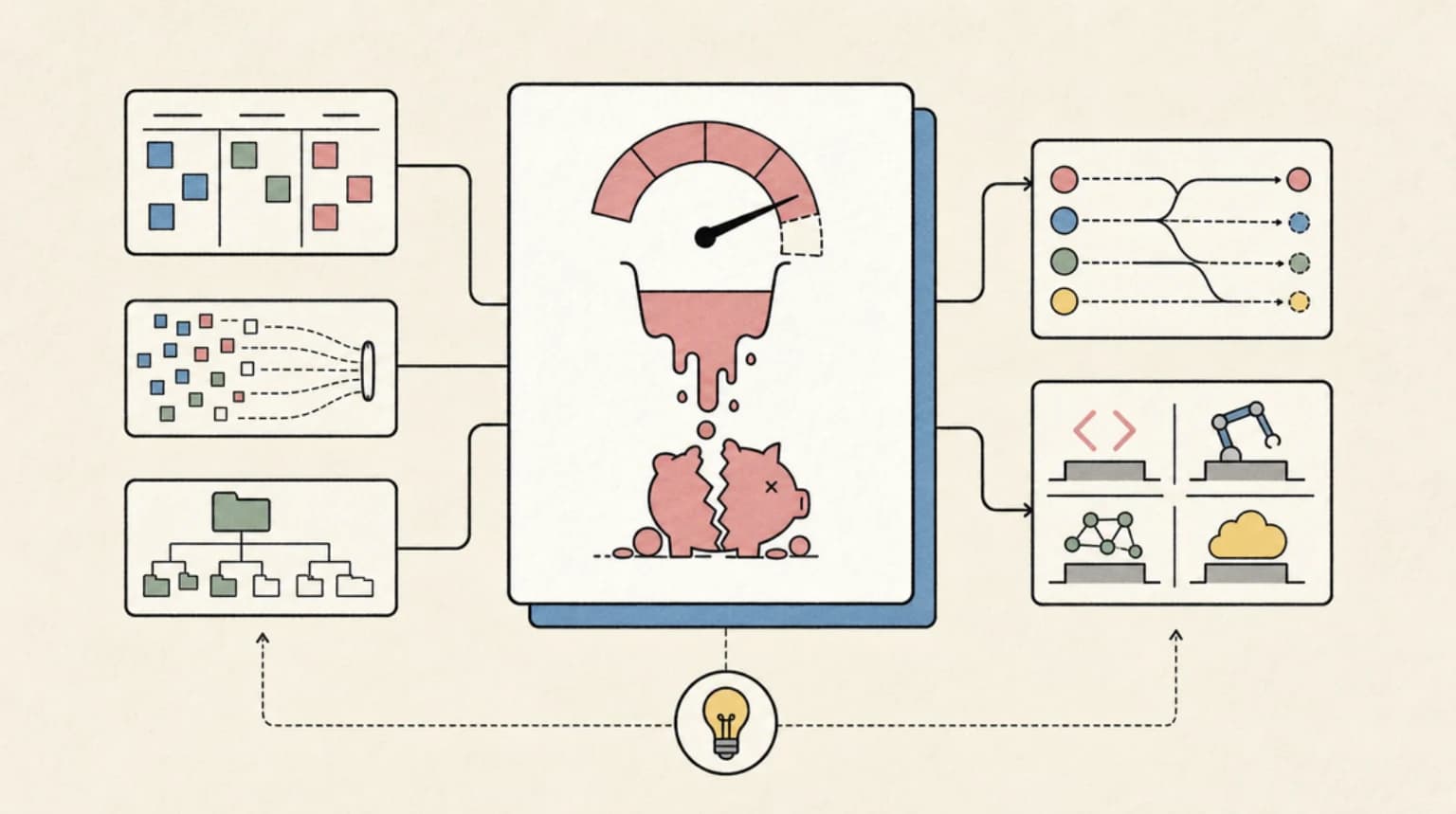
Most agent-team templates ship vibes. This one ships a number. The README says four games were built from one brief at different modes.rigor levels, and it counted the documents each wrote before its first line of game code. In the two rows the README lists, minimal wrote 1 document and standard wrote 30. All produced a running, tested game. Then two blind reviewers and a human playtest ranked the standard build last, and the README's conclusion is that the extra 29 documents "bought traceability, not a better game."
That is a vendor-style claim from the template's author, not an independent benchmark, and it is one brief and one author. Treat it as a useful warning rather than a law. But it is the right warning: a pipeline of design docs, architecture reviews and sprint plans costs tokens before it costs a line of code.
What a builder does Monday#
Setup, per the README:
git clone https://github.com/Donchitos/Claude-Code-Game-Studios.git my-game
cd my-game
claude
Then type /start. Three things the README is firm about:
- Start Claude Code in the project root, the folder holding
CLAUDE.mdandproject.yaml. Starting from a subfolder such assrc/skips the project's hooks, deny rules and ask-first permission mode. - Python 3 is required. Every skill and hook reads
project.yamlthrough it; without Python every setting silently falls back to its default. Bash is required for hooks, andjqis recommended. - Choose
modes.rigoron purpose./startasks once.minimalis the default: no design docs required, terse docs, solo review.standardrequires 5 design-doc sections and lean director review;fullrequires all 8 and full review.
Change it later with the settings skill:
/settings                      # view effective config
/settings modes.rigor=full     # write to project.yaml
My recommendation is to stay on minimal until the game has a playable loop, then raise rigor for one system at a time with the system_overrides setting the README describes, so combat gets the full treatment while the menu stays light. The README also says a story that changes anything the player sees is not closed until the game has been launched, observed and a screenshot kept, which is a rule worth stealing for any agent workflow.
Where it breaks: 74 skills and 15 hooks are a lot of surface for a model to follow. Each hook is a place a session can stall, and the README itself says missing Python quietly degrades behavior. If you are not building a game, borrow the structure rather than the template: tiered roles, path-scoped rules and a phase gate. Our comparison of subagents, agent teams and workflows shows which of those primitives you need.
Who wins and who loses#
Solo indie developers win a review habit. The template's value is the friction: an agent that asks whether a feature fits the game's vision, or flags a hardcoded magic number, is doing a job a solo developer usually skips.
Teams that already have a pipeline lose the least and gain the least. Heavy process is also the failure mode our post on why software factories fail without harness engineering describes: structure that nobody tested against real output.
What people are actually saying#
These are search-result snippets and thread titles, not full thread reads, because Reddit blocks our fetcher.
- A r/gamedev post titled "I just tried Claude Code Game Studios for the first time" complains it spent two hours and about 500,000 tokens writing a design document for a Flappy Bird clone. That is the heavy-process cost in one anecdote, and it was posted against an older version of the template, so it may not reflect the 1.2.0
minimaldefault. - Developers are porting it: r/gamedev has a port to Codex and an OpenCode clone, the latter to use a Go subscription. The structure travels even if the Claude-specific hooks do not.
- The counter-case: a thread titled "Claude Game Development" on r/ClaudeCode lists the template alongside other approaches, which suggests people see it as one option, not the default way to make a game with Claude Code.
Continue Reading#
- Claude Code subagents vs agent teams vs workflows - choosing the primitive before you copy a 49-agent layout
- Best Claude Code skills in 2026 - the skills worth installing before a 74-skill template
- Why software factories fail without harness engineering - the failure mode of process nobody measured
- Claude Code subagent model: Haiku for Explore - controlling what each subagent costs
- Claude Code - plans, install routes, and alternatives on one page
- Claude Code Power User course - subagents, skills, and parallel workflows in depth
FAQ#
What is Claude Code Game Studios?#
A free, MIT-licensed project template that gives Claude Code 49 specialist subagents, 74 skills, 15 hooks and 14 rules organized like a game studio, with agent sets for Godot, Unity and Unreal Engine 5, per its README.
How do I set up Claude Code Game Studios?#
Clone the repo, open Claude Code in the project root, run claude, then /start. Python 3 must be installed or settings silently fall back to defaults.
What does modes.rigor do?#
It is a single setting over six process knobs, with values minimal (default), standard and full. Higher values require more design documents, more QA evidence and more director review before work counts as done.
Does it work with Codex or OpenCode?#
Not officially. The README is written for Claude Code, but community ports to Codex and OpenCode are discussed on r/gamedev.
Sources#
| Source | URL |
|---|---|
| Claude Code Game Studios README | https://github.com/Donchitos/Claude-Code-Game-Studios |
| Reddit: first-try thread on r/gamedev | https://www.reddit.com/r/gamedev/comments/1ssodcu/i_just_tried_claude_code_game_studios_for_the/ |
| Reddit: Codex port | https://www.reddit.com/r/gamedev/comments/1utlrd8/just_ported_claude_code_game_studio_to_codex/ |
| Reddit: OpenCode clone | https://www.reddit.com/r/gamedev/comments/1t2wbm9/opencode_clone_of_claude_code_game_studios/ |
| Reddit: Claude Game Development | https://www.reddit.com/r/ClaudeCode/comments/1twuadf/claude_game_development/ |
Get the next deep dive like this in your inbox
One email a week on Claude Code and the rest of the AI dev stack. Free.
Read next on Claude Code
Subagents vs Agent Teams vs Workflows: Claude Code's Parallelism Primitives, Compared
Claude Code subagents vs agent teams vs workflows: who holds the plan, the hard limits from the docs, and which parallelism primitive fits your task.
9 min readBest Claude Code Skills and Plugins in 2026: Where to Find, Install, and Choose Them
Best Claude Code skills and plugins: where to find them, how the plugin marketplace works, exact install commands, and the picks worth your context budget.
14 min readWhy Software Factories Fail: Harness Engineering Is Not Enough
A deep dive into why fully autonomous AI coding agents degrade codebases over time, and what context engineering can actually fix.
9 min readTechnical content at the intersection of AI and development. Building with AI agents, Claude Code, and modern dev tools - then showing you exactly how it works.