Cloudflare Wallets Gives Agents a Credit Card, an ID, and a Spending Cap

TL;DR
Cloudflare Wallets: Account Wallets for humans, capped Virtual Wallets for agents, x402 stablecoin micropayments and human-readable agent identity handles.
Last updated: August 4, 2026
On August 4, day three of Cloudflare's Agents Week, the company announced the buying side of agentic commerce: Cloudflare Wallets. The pitch is that an agent trying to try out an API today has to navigate a login page designed for humans, wait for a person to add a payment method, generate an API key, and then figure out how to call the service. Agents fail at this constantly and kick the whole flow back to a human, which limits how many services an agent can actually evaluate.
Cloudflare's answer has three parts: a stablecoin wallet for humans, capped virtual wallets for agents, and a human-readable identity handle for agents that choose to reveal who they are. You can claim a handle at cloudflare.pay today; the actual payment flows are "coming soon," which makes this a launch of infrastructure plus a land grab for handles, not yet a fully working payment rail.
What shipped#
Two wallet types, with a clear division of control:
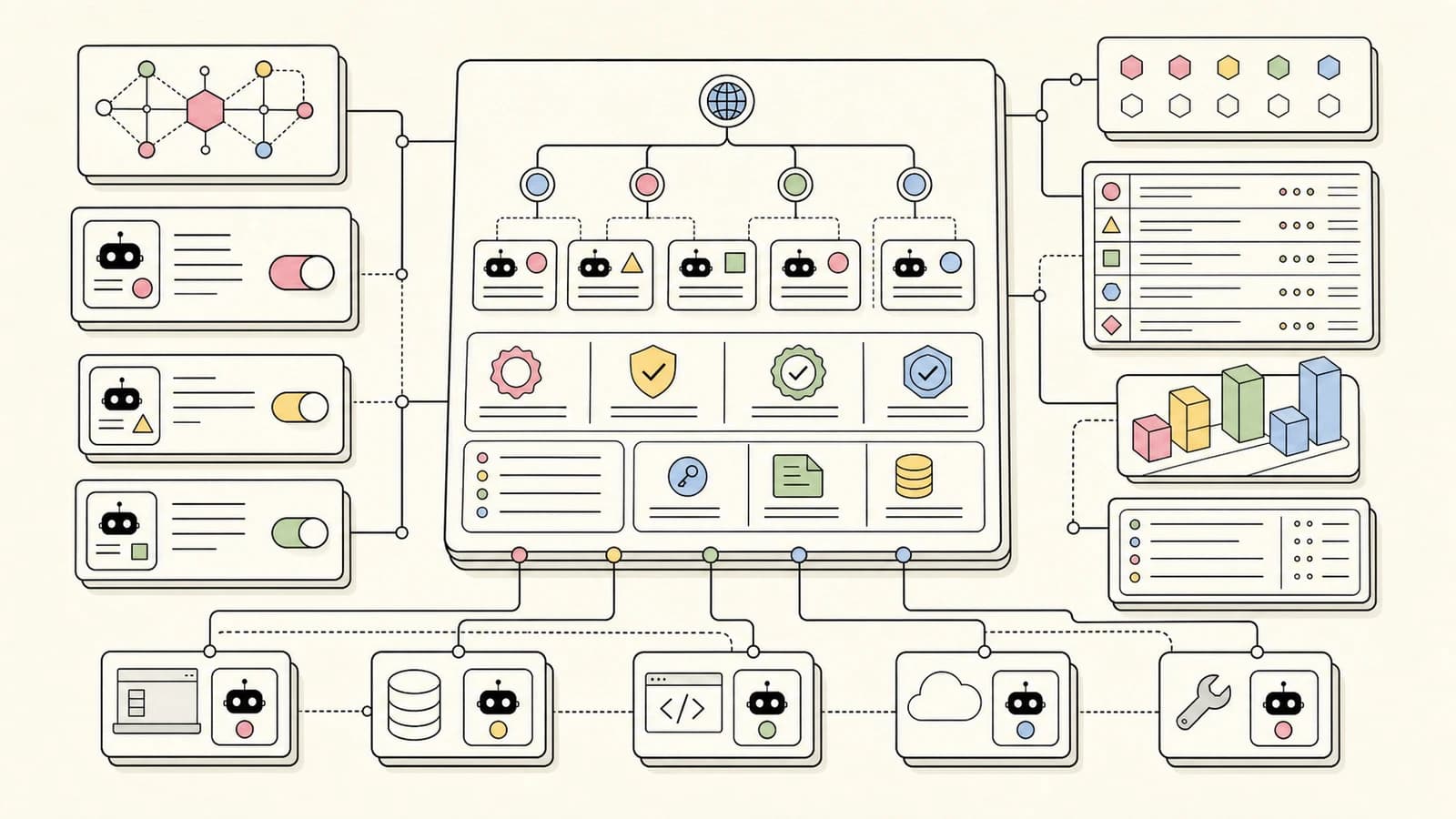
- Account Wallets belong to humans and Cloudflare accounts. They hold funds, can delegate spend to virtual wallets, and can pull funds back. The owner sets the policies.
- Virtual Wallets belong to agents and operate through API keys. Each one carries a spend cap, an allow list, and a maximum transaction size, all set by the Account Wallet owner. When an agent hits a limit, it can request a manual override from an authorized human.
Payments themselves run on the x402 protocol that Cloudflare already backed with the Monetization Gateway: stablecoin micropayments attached to HTTP requests, settling in under a second, priced for use cases like AI inference, data, and content. The Gateway is the seller side of the same market; Wallets are the buyer side. The stated economics are tuned for agent behavior: if an API costs a few cents to test, a $10 cap covers dozens of evaluations, and a $100 per week per employee budget for AI inference becomes a simple Account Wallet policy.
Identity is the second product. Every Cloudflare account can claim a wallet handle, and agents can present handles like research.example.cloudflare.pay so merchants know which organization they act for. Declaration is optional, and businesses decide whether to prioritize transacting with known agents. The design builds on Web Bot Auth, which already lets agents register a keypair, and Cloudflare frames the handle as the human-readable label for that keypair, the way DNS maps IP addresses to names.
Why it matters to developers#
This is the first time a major platform has shipped a payments product built specifically for agent-to-service commerce rather than adapting a human checkout flow. A few consequences are worth tracking.
- Agents can finally evaluate services autonomously. The whole point of Virtual Wallets is that an agent compares dozens of providers instead of picking the one someone already knew about. Our read on the x402 Monetization Gateway was that micropayments turn blocked traffic into revenue; Wallets completes that loop by making the payment side scriptable.
- Spending caps are the killer feature, not the wallet. The guardrails are what make autonomy safe: allowance, allow list, max transaction size, manual override. This is the same delegated-authority pattern we covered with temporary accounts for AI agents: the platform gives agents standing without giving them blank checks.
- Agent identity becomes a business signal. A merchant that can tell a known agent from an unknown bot can offer trials, credits, and volume pricing. That attribution layer is the missing piece in agent identity security work, and it is exactly what the x402 model needs to grow beyond pay-per-call.
- It is platform strategy, not a feature. Cloudflare already runs the primitives: Workers for compute, Durable Objects for state, AI Gateway for model access, the Agents SDK for tooling. Wallets slots in as another Agents SDK capability, which positions the whole Cloudflare Computer agent runtime as the environment where agents can spend money while executing.
The MCP angle matters too. The announcement names MCP tools as an explicit purchase target: an agent that can pay per call can adopt new tools without onboarding, which could loosen the lock-in that keeps most teams on a handful of servers. That direction is worth watching alongside our MCP ecosystem guide.
The honest constraints#
Wallets is a preview of the model, not the full product. Claiming a handle works today; funding, sending, and receiving arrive later, with simple onramps first and self-funding via stablecoins for eligible users. The identity scheme is deliberately schema-less for now, with Cloudflare saying it will adopt richer standards from the x402 Foundation's work as they develop. Pricing for Gateway payouts is separate, so the full cost picture for a builder is not yet public. And the guardrail model depends on humans to review override requests, which means the system is only as autonomous as the policy review you staff.
The framing is also a bet on volume. Cloudflare Radar data showing a majority of web traffic coming from automated clients is the motivation: if most of the traffic is bots anyway, build the checkout for them. The bet is that micro-priced APIs for agents become a real market rather than a rounding error on top of subscription revenue.
FAQ#
What is the difference between Account Wallets and Virtual Wallets?#
Account Wallets belong to humans and Cloudflare accounts: they hold funds, delegate spend to virtual wallets, pull funds back, and set the policies. Virtual Wallets belong to agents and operate through API keys, each carrying a spend cap, an allow list, and a maximum transaction size set by the Account Wallet owner.
How do Cloudflare Wallets payments work?#
Payments run on the x402 protocol: stablecoin micropayments attached to HTTP requests that settle in under a second. The Monetization Gateway is the seller side of that market and Wallets are the buyer side.
Can I use Cloudflare Wallets to pay for things today?#
Not yet. Claiming a wallet handle at cloudflare.pay works today, but funding, sending, and receiving are "coming soon," with simple onramps first and self-funding via stablecoins for eligible users later.
What happens when an agent hits its spending limit?#
When an agent reaches a limit on its Virtual Wallet, it can request a manual override from an authorized human. That means the system is only as autonomous as the policy review a team staffs.
What is a cloudflare.pay agent handle?#
Every Cloudflare account can claim a wallet handle, and agents can present handles like research.example.cloudflare.pay so merchants know which organization they act for. Declaring identity is optional, and the handle builds on Web Bot Auth as a human-readable label for the agent's registered keypair.
Continue Reading#
- Cloudflare's x402 Monetization Gateway brings micropayments to the edge - the seller side of the same payment rail
- Temporary accounts for AI agents - how delegated, revocable standing works
- Agent identity as a security layer - why identity is the load-bearing primitive for agent commerce
- Cloudflare Computer: agent runtime preview - the runtime the wallet is being built into
- The MCP server ecosystem - what agents will actually be buying with those wallets
Sources#
Get the next deep dive like this in your inbox
One email a week on News and the rest of the AI dev stack. Free.
Read next on AI coding tools
Cloudflare's x402 Monetization Gateway Brings Micropayments to the Edge
Cloudflare's Monetization Gateway adds native x402 support, so developers can charge for API calls with stablecoin micropayments and no accounts or API keys.
6 min readCloudflare Temporary Accounts: Let Agents Deploy Without OAuth Flows
Cloudflare temporary accounts let AI agents run wrangler deploy --temporary to ship Workers, D1 and KV without OAuth flows, then hand a human a claim URL.
6 min readAgent Identity Is the Missing Security Layer for AI Workflows
Agent identity for AI workflows: what the Linux Foundation's Agent Name Service proposal means for verifiable identity, scoped capabilities and audit trails.
7 min readNew here? Start with
Technical content at the intersection of AI and development. Building with AI agents, Claude Code, and modern dev tools - then showing you exactly how it works.