Hydrogen 2.0 Dev Preview: Shopify's Framework-Agnostic Commerce Toolkit Adds Vue, AI Inbox, and Bundled GraphQL Tooling
TL;DR
Shopify's July 30 Hydrogen developer preview update ships Vue bindings, bundled GraphQL TypeScript tooling, Shopify Inbox AI chat, and agent skills for four more frameworks. What the rebuilt toolkit means for storefront developers and coding agents.
What shipped on July 30#
Shopify pushed a second major update to the rebuilt Hydrogen developer preview on July 30, and the direction is now unmistakable: Hydrogen is no longer a framework. It is a framework-agnostic toolkit that Shopify rebuilt in partnership with the Next.js team at Vercel, and the new preview adds real substance to the pitch. From the release notes:
- Vue bindings.
@shopify/hydrogen/vuemirrors the React API with providers and composables for cart, products, collections, and search. Vue 3.5+ is an optional peer dependency, same as React. Typed factories carry through:createCartComponents<typeof cartHandlers>()returnsCartProvider,useCart, anduseCartFormwith cart state typed from your server handlers. - Bundled GraphQL TypeScript tooling. No more installing
gql.tadaor hand-editing tsconfig schema paths. A TypeScript plugin ships in the package and covers both the Storefront and Customer Account schemas with one entry:{"compilerOptions": {"plugins": [{"name": "@shopify/hydrogen/ts-plugin"}]}}. The same validation runs headlessly withhydrogen gql check --fail-on-warn, so CI catches schema drift. - Analytics and consent through ShopifyScripts. The analytics bus is inlined into the rendered HTML before framework code hydrates, living at
window.Shopify.analytics. Consent starts in the same bootstrap, withconsent: {mode: "default-banner"}using Shopify's privacy banner. Cart tracking is now framework-neutral:trackCartAnalytics(cartStore)works anywhere, and React gets auseCartAnalytics()hook. - Shopify Inbox support. Shoppers can chat with your store's AI agent and get handed off to staff, all without signing in. The Inbox module loads through ShopifyScripts, and a
<shopify-chat />element controls widget placement. - Suspense cart reads in React.
useSuspenseCartlets the cart stream in behind its own fallback while the rest of the page renders. For Next.js apps, the app shell can stay static and CDN-cacheable while cart state hydrates after.
There are breaking changes too, worth flagging before you try the preview: private Storefront API calls now require requestContext.buyerIp (the proxy throws without it), and the ShopifyScripts shop option is now required and includes myshopifyDomain. createStorefrontAnalytics() is removed entirely; ShopifyScripts owns the analytics bus now.
From the archive
SIGIL Compiles Agent Skills into Harnesses: Prose Runs Skip 44% of Mandated Steps
Jul 31, 2026 • 8 min read
SWE-NFI: The Benchmark That Catches What Coding Agents Miss
Jul 31, 2026 • 6 min read
What Happens When Tokens Are Too Cheap to Meter: Five Scenarios for Developers and Knowledge Work
Jul 31, 2026 • 12 min read
Vercel Made Deployments Up to 7 Seconds Faster: What Changed and Why It Matters
Jul 31, 2026 • 6 min read
Why the rebuild matters#
The context matters more than any single feature. The new Hydrogen, first previewed June 17, is a three-layer design: a plain-JavaScript core of Shopify storefront primitives, thin per-framework bindings, and agent skills that teach a coding agent how to wire it together. It runs anywhere fetch runs - Oxygen, Vercel, Cloudflare Workers, Node, Deno - and works with Next.js, React Router, SvelteKit, Astro, SolidStart, and Nuxt.
The agent story is the part Shopify clearly cares most about. The package ships agent skills that get copied into your project under .agents/skills/, versioned to the exact package you installed. The July 30 update refreshes them with framework references for Vue, Nuxt, SvelteKit, and Solid Start, and adds two new ones: hydrogen-image for CDN image URLs and hydrogen-oxygen for Oxygen and MiniOxygen setup. This is the same pattern we documented in why skills beat prompts for coding agents: instructions that live in the project and match the installed version beat stale blog-post advice every time. Hydrogen's own docs make the same argument - "no stale blog posts, no guessing at APIs that changed three releases ago."
On top of that, the July 8 update added WebMCP support, which exposes storefront tools to AI agents running in the browser - search the catalog, view a product, update the cart, start checkout - using Standard Actions, the same commerce contract Liquid storefronts use. The plumbing that powers your cart drawer is the same plumbing that lets an agent shop your store. We covered the broader WebMCP movement in WebMCP: The Browser Agent Standard That Actually Has a Spec.
Vercel's July 30 post frames the partnership in terms of agentic commerce: open source, runtime agnostic, with Standard Actions bringing agentic commerce to every storefront, and claims feature development dropped from months to a week for early retailer Paige. Treat the timeline claim as vendor-marketing math, but the direction is real: storefront work is being pushed into a typed core so neither humans nor agents reinvent money math, consent handling, or cart state per project.
My take#
The Vue bindings landing so quickly is the honest signal here. Shopify could have kept Hydrogen React-and-Remix-shaped, but the "rebuilt in partnership with Vercel" preview is aggressively multi-framework, and the July 30 update proves the toolkit claim with code rather than promises. For storefront developers, the practical win is the bundled GraphQL tooling: schema-typed queries with a CI check, no codegen step, no gql.tada wiring. That alone removes a whole class of storefront bugs.
The Inbox piece is the one to watch. An AI agent that can chat with shoppers and hand off to staff turns the storefront into a customer-service surface, and Shopify routing it through Hydrogen's standard events means a headless store and a Liquid theme now integrate with apps identically. If you build commerce tooling, that unification is the thing to build against.
Caveats, as always with a preview: the API is still churning - two breaking-change rounds in six weeks, with more promised. The migration diff between preview releases is real work if you started on the June build. And the Remix-based Hydrogen remains the fully supported production path for now, so the toolkit is something to evaluate, not migrate to. The deploy-to-Vercel one-click flow from June 30 makes the preview cheap to try: npx @shopify/hydrogen@preview setup in an existing Next.js or Nuxt app, then let your coding agent read the installed skills and wire the storefront up.
Continue Reading#
- WebMCP: The Browser Agent Standard That Actually Has a Spec
- Why Skills Beat Prompts for Coding Agents
- Seven AI Agent Orchestration Patterns
- When CopilotKit Is the UI Layer, Not the Agent Framework
- What Is an MCP Server? A Beginner's Guide
Sources#
- Hydrogen developer preview update: July 30, 2026 - Shopify Changelog
- Developer preview release notes: July 30, 2026 - Hydrogen docs
- Hydrogen developer preview - Hydrogen docs (June 17)
- Shopify and Vercel are rebuilding Hydrogen for faster storefronts - Vercel Blog
- Deploy a Hydrogen storefront to Vercel in one click - Hydrogen docs
Read next
Why Skills Beat Prompts for Coding Agents in 2026
The coding-agent workflow is maturing past giant hand-written prompts. The winning pattern in 2026 is a control stack: project rules, reusable skills, bounded sub-agents, and deterministic tools around the model.
9 min readWebMCP: Google's Browser Standard That Lets AI Agents Use Websites as Tools
Chrome 149 ships an origin trial for WebMCP - a proposed web standard that lets developers expose JavaScript functions and HTML forms to AI agents. Here is what it does, how to implement it, and why it matters for the future of agentic browsing.
8 min read7 AI Agent Orchestration Patterns Every Developer Should Know
From single-agent baselines to multi-level hierarchies, these are the seven patterns for wiring AI agents together in production. Each with a decision rule, an implementation sketch, and the tradeoffs that actually matter.
10 min readShare
Developers Digest
Technical content at the intersection of AI and development. Building with AI agents, Claude Code, and modern dev tools - then showing you exactly how it works.
300+ videos30K+ GitHub stars850+ articles
Related Guides
Related Posts

9 min read
AI Coding
Why Skills Beat Prompts for Coding Agents in 2026
The coding-agent workflow is maturing past giant hand-written prompts. The winning pattern in 2026 is a control stack: p...
8 min read
WebMCP
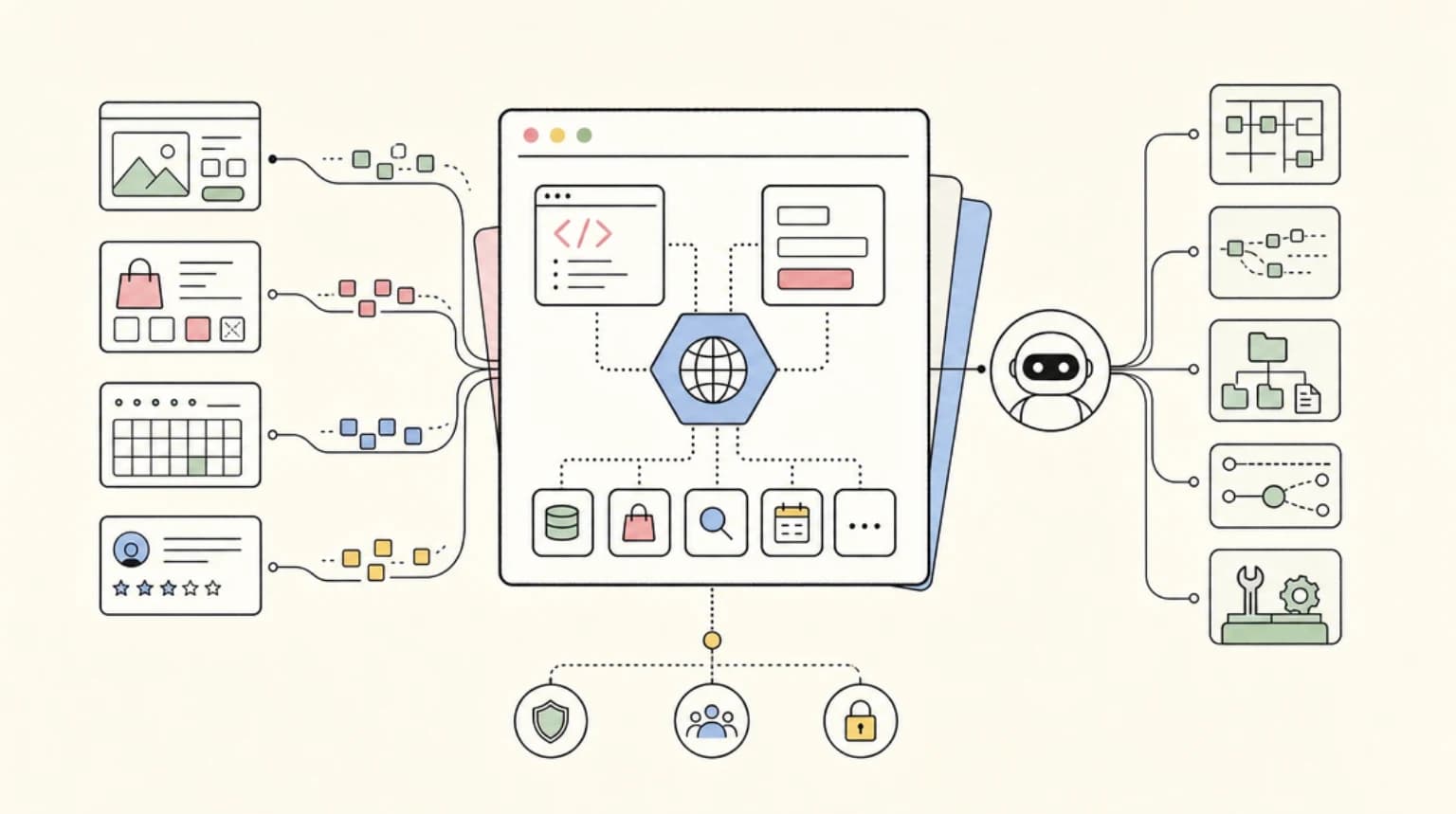
WebMCP: Google's Browser Standard That Lets AI Agents Use Websites as Tools
Chrome 149 ships an origin trial for WebMCP - a proposed web standard that lets developers expose JavaScript functions a...
10 min read
AI Agents
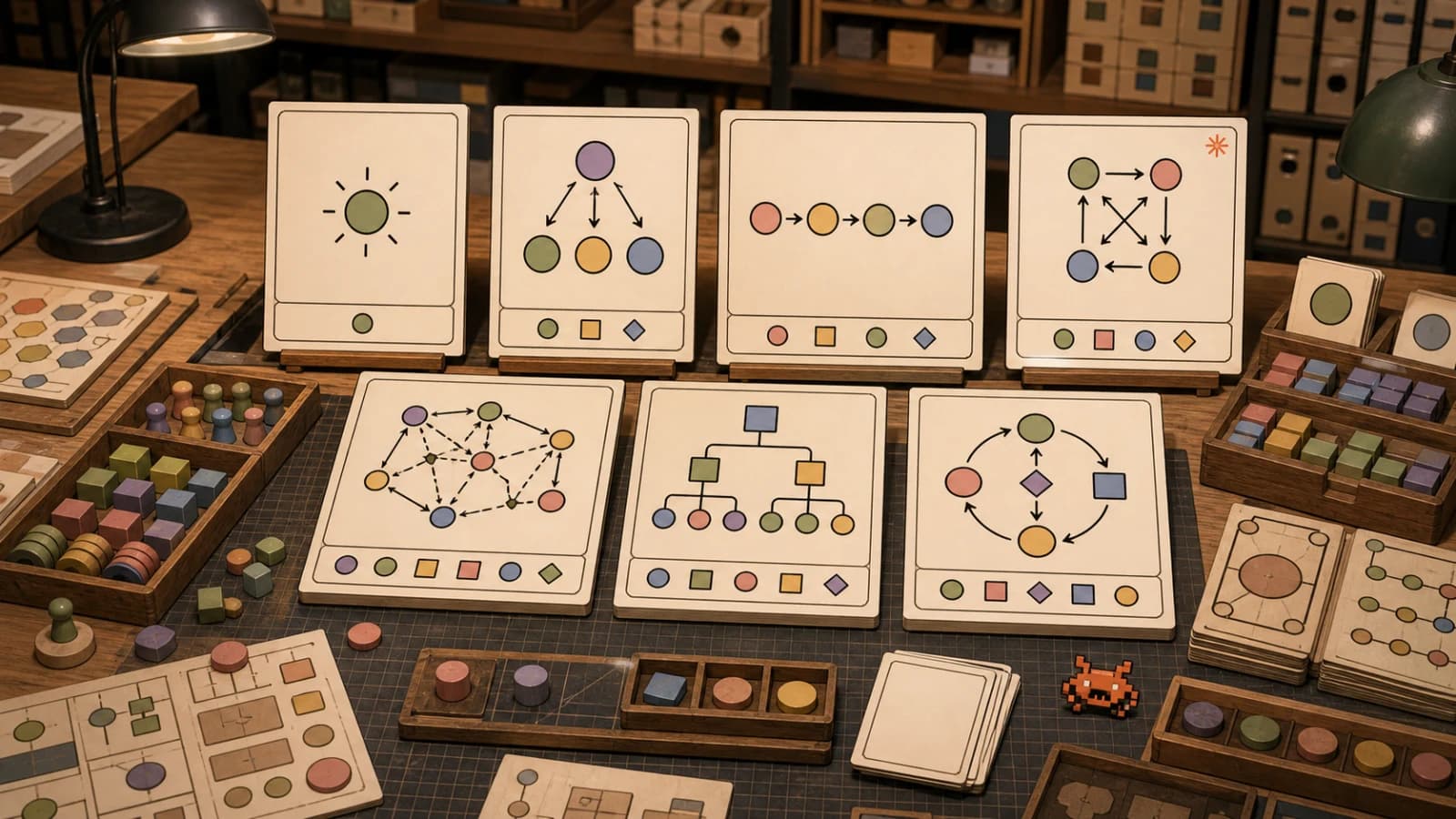
7 AI Agent Orchestration Patterns Every Developer Should Know
From single-agent baselines to multi-level hierarchies, these are the seven patterns for wiring AI agents together in pr...
8 min read
AI Agents
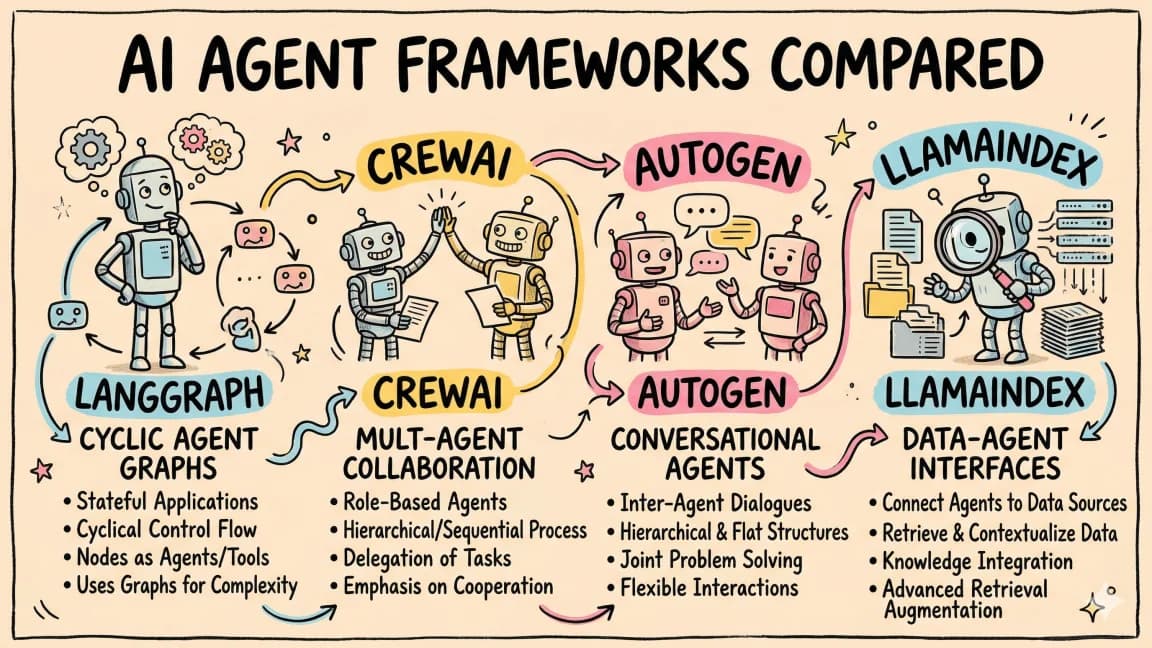
When CopilotKit Is the UI Layer, Not the Agent Framework
CopilotKit is strongest when you treat it as the product-facing agent UI layer: chat surfaces, frontend tools, shared st...

13 min read
MCP
What Is an MCP Server? A Developer's Beginner Guide (2026)
MCP is the USB-C of AI agents. What the Model Context Protocol is, why Anthropic built it, and how to install your first...
5 min read
News
GitHub Copilot's September Reset: Prepaid Seats, One Unified Agent Experience, Balanced Reviews by Default
GitHub announced three Copilot changes with firm deadlines: Business and Enterprise seats go prepaid starting October 1,...
Build with the member tools

Get Smarter About AI Dev
New tutorials, open-source projects, and deep dives on coding agents - delivered weekly.
One email per weekReal code, not theoryFree forever