SWE-Pruner Pro Makes Tool Output Pruning an Agent Runtime Problem
TL;DR
SWE-Pruner Pro prunes coding-agent tool outputs inside the runtime before they become next-turn context. What it does, its limits, and the pattern to copy.
| Research notes | |
|---|---|
| Primary paper | arXiv:2607.18213 |
| Hugging Face paper page | HF Papers: SWE-Pruner Pro |
| Official code | Ayanami1314/swe-pruner-pro |
| Earlier baseline | SWE-Pruner |
| HN/GitHub signal | Hacker News Algolia had no exact SWE-Pruner hits on July 21, 2026. GitHub search found the official repo, but it was still a fresh low-star release. |
| Google Trends check | Attempted July 21, 2026 in the US over the past three months for SWE-Pruner, context pruning, AI coding agent, Claude Code, and Codex. Google Trends returned a widget-data RetryError after too many 429 responses. No numeric Trends values are used here. |
Last updated: July 21, 2026
The coding-agent context problem is moving from "how big is the window?" to "who decides what survives the next turn?"
That is why SWE-Pruner Pro, a new paper and code release that surfaced on Hugging Face Papers, is worth reading even if you never run its exact stack. The project argues that long-horizon coding agents should prune tool outputs from inside the agent runtime, using signals from the model's own hidden states, instead of treating compression as a separate post-processing step.
That sounds like a research detail. It is actually a product-design detail for every team building with Claude Code token observability, cache-first coding harnesses, and agent FinOps guardrails.
Every cat, grep, test log, stack trace, and diff review becomes part of the next prompt unless the harness says otherwise. If the harness preserves too much, costs and latency climb. If it preserves the wrong lines, the agent loses the bug.
The Take#
Tool output pruning belongs in the runtime, not only in a sidebar summarizer.
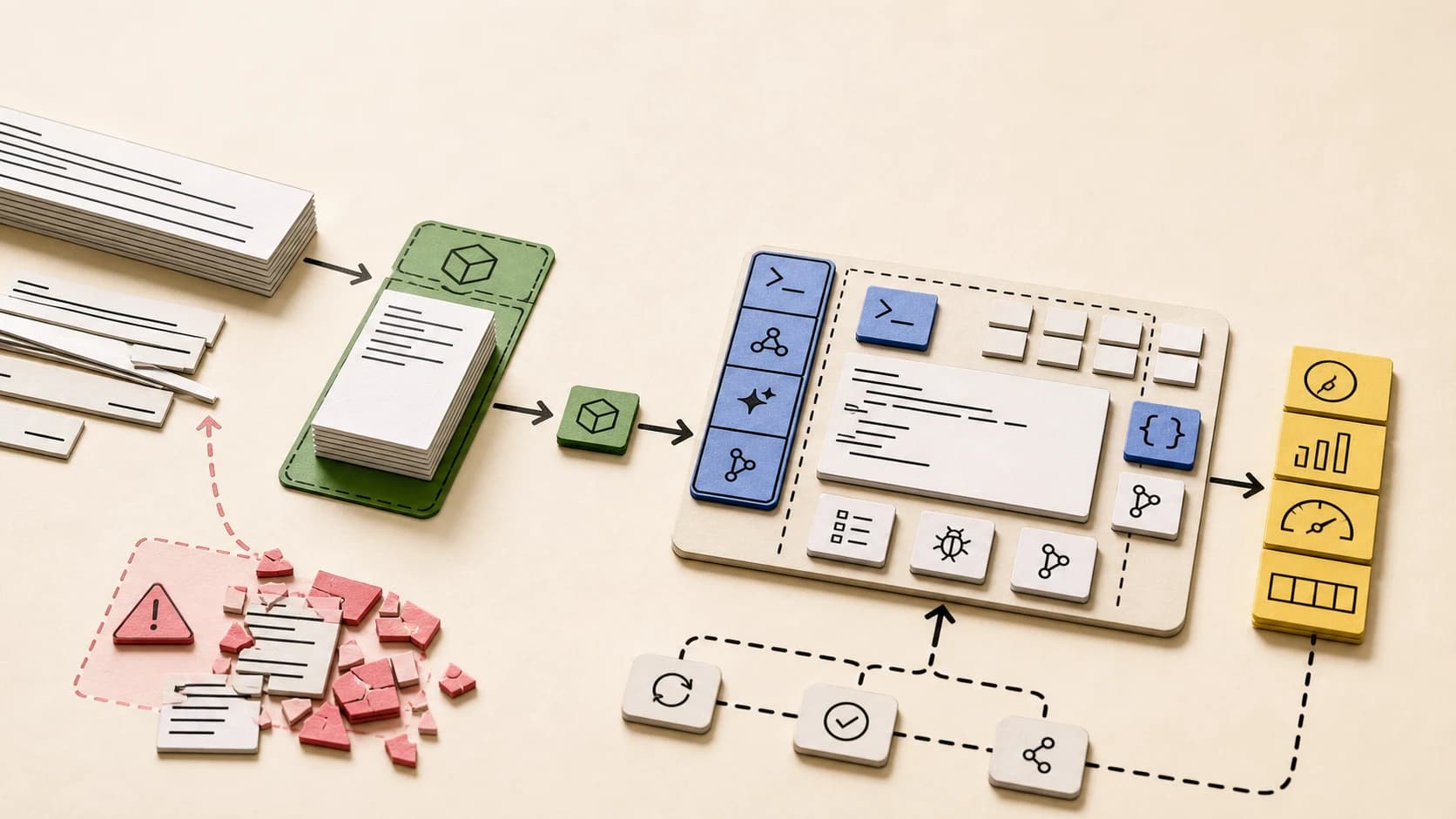
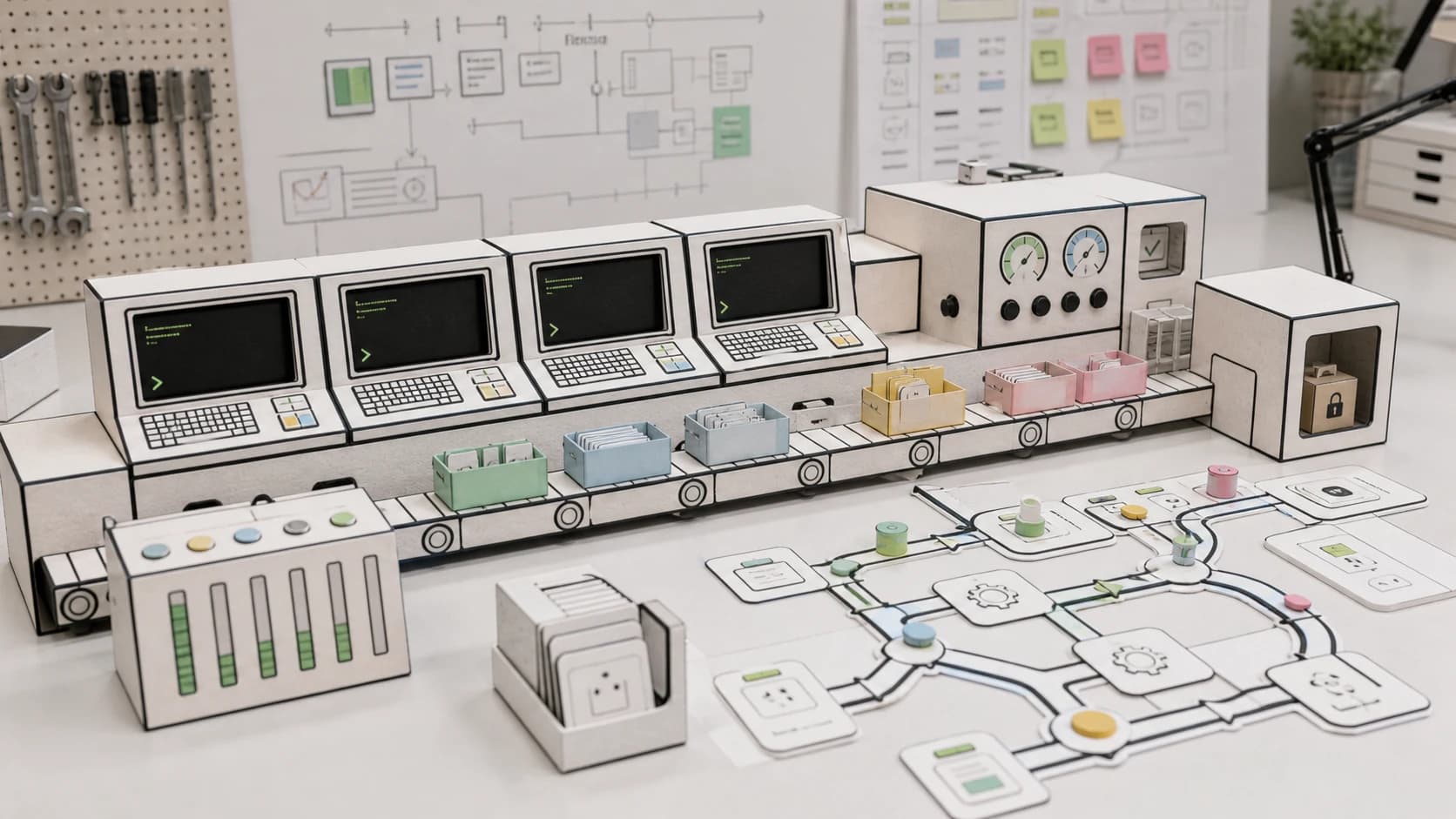
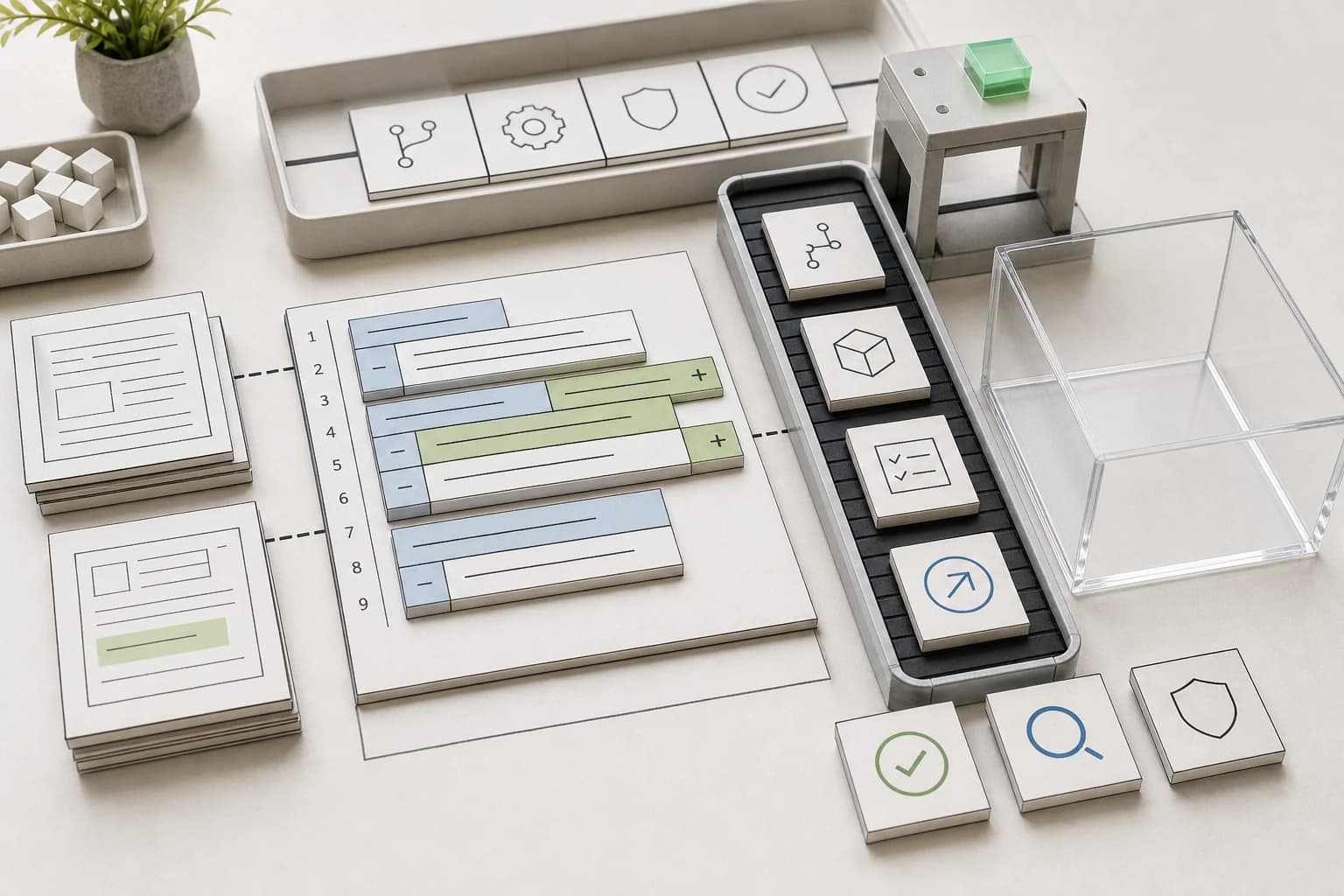
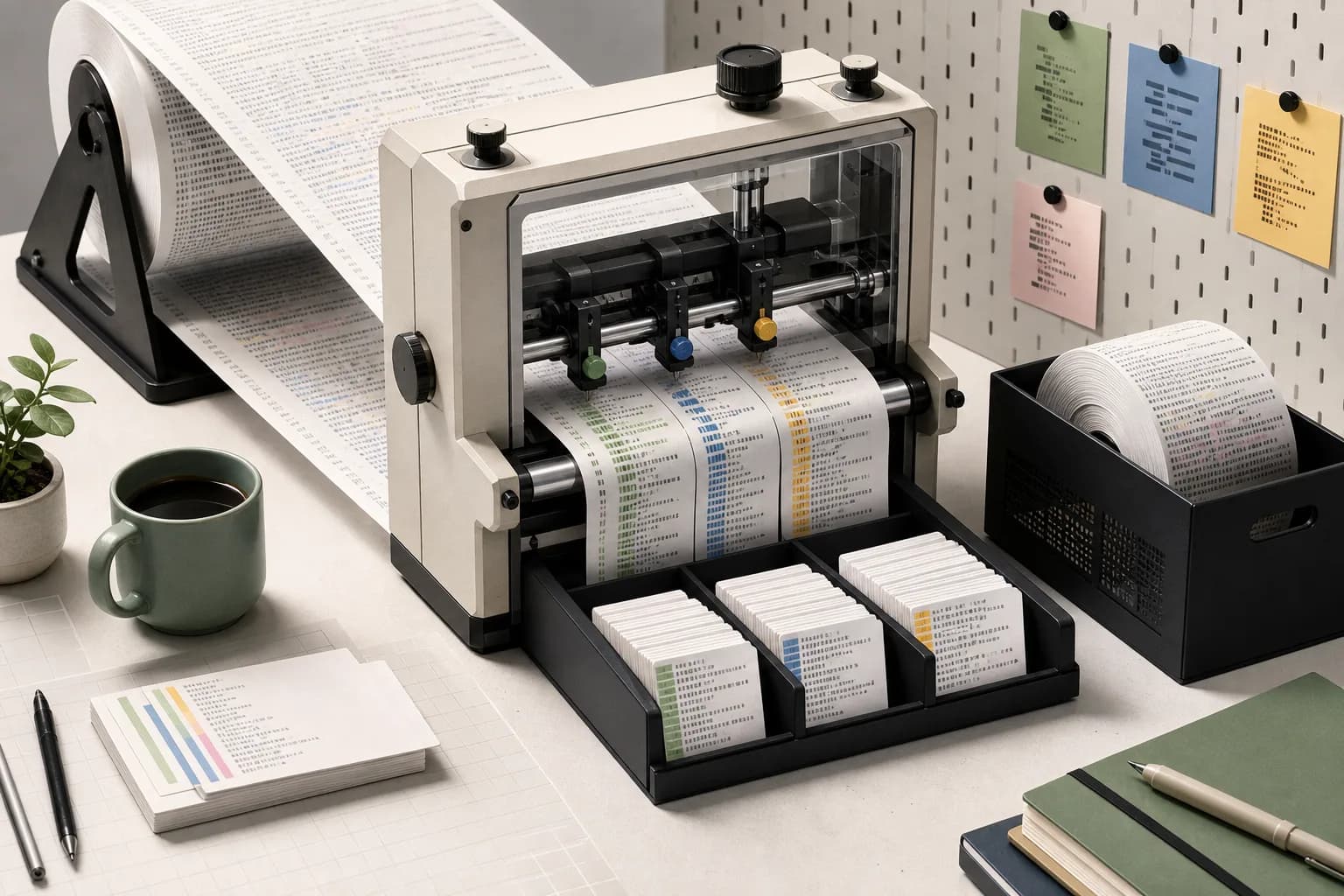
The paper's core idea is specific: when a coding agent reads tool output, the model already forms internal representations about which lines are relevant. SWE-Pruner Pro attaches a small pruning head to a frozen coding backbone and turns those representations into line-level keep-or-prune decisions for the tool response. The pruned response then replaces the raw tool output in the following turn.
That is a different bet from generic context compression.
Generic compression asks another model or heuristic to rewrite context after the fact. SWE-Pruner Pro asks the agent that just read the output which lines are worth carrying forward.
If this pattern holds up, the right abstraction for agent platforms is not a giant transcript with occasional summaries. It is a context boundary after every tool call.
Why This Matters For Coding Agents#
Coding agents do not usually run out of context because a human wrote a long prompt. They run out because tools are noisy.
One shell command can return:
- a 900-line stack trace where 12 lines matter
- a test suite log with repeated setup noise
- a full source file when the bug is in one guard branch
- a package-manager warning block unrelated to the task
- a search result where three matches are relevant and the rest are routing noise
The boring answer is "summarize it." The harder answer is deciding what evidence must remain verbatim.
That distinction is why the post should sit next to harness token budgets, Dockerless verification, and Long-Horizon Terminal-Bench. Long-running agents need receipts, but they also need a policy for evidence retention. Without that policy, every tool call becomes a context leak.
What SWE-Pruner Pro Actually Does#
The official SWE-Pruner Pro repo describes a lightweight in-agent context pruner for long-horizon coding agents.
The release shape is practical:
- patched SGLang serving to expose hidden states
- a FastAPI pruning server
- a pruning head trained from cached hidden-state features
- benchmark harnesses for SWE-QA, SWE-QA-Pro, Oolong, and SWE-Bench Verified
- baselines including LLMLingua2, Selective Context, RAG, Self-Prune, LongCodeZip, and the earlier SWE-Pruner
The paper reports up to 39 percent prompt and completion token savings while preserving task quality across two open-weight coding backbones and four multi-turn benchmarks. It also reports a +3.8 percentage point SWE-Bench Verified resolve-rate improvement and a +2.2 point Oolong accuracy improvement on MiMo-V2-Flash.
Treat those numbers carefully. This is a fresh paper, the official repo lists some artifacts as pending, and benchmark deltas on agent tasks can be sensitive to harness details. The safer takeaway is not "install this and get the same lift." The safer takeaway is that tool-response pruning can be evaluated as part of the agent loop, not only as a standalone summarization benchmark.
The Earlier SWE-Pruner Was Already Pointing Here#
The January SWE-Pruner paper framed the same pain from a different direction. Long coding-agent contexts are expensive, and naive compression can damage code structure. SWE-Pruner used task-aware adaptive pruning: the agent formulates a goal, then a lightweight neural skimmer selects relevant code lines around that goal.
SWE-Pruner Pro tightens the loop.
Instead of asking a separate classifier to inspect code context, it reads the backbone's own representation while processing tool output. That is why the title lands: the coder model may already "know" what it needs to keep, but the harness usually discards that signal after generating the next token.
For developers, the important design question is:
What hidden or explicit signal should your agent runtime preserve after each tool call?
That could be hidden-state pruning in a research stack. It could also be a simpler production policy: mark stack-trace frames, changed lines, failing assertions, touched files, and command summaries separately, then decide which layers are allowed into the next prompt.
The Opposing View#
There are good reasons not to overbuild around this yet.
First, hidden-state pruning is not a drop-in feature for hosted frontier models. If you are using Claude Code, Codex, Cursor, or a managed API, you generally do not get direct access to the model's internal activations. SWE-Pruner Pro is most immediately relevant to open-weight serving stacks where you control the backbone and runtime.
Second, pruning can erase the weird clue. Debugging often turns on a line that looked irrelevant before the fix was known. A smart pruner is still a lossy filter. For high-stakes changes, the raw transcript or tool artifact should remain available outside the prompt, even if the model sees only a compact working view.
Third, the product surface matters. Developers need to inspect what was pruned. A black-box "saved 39 percent tokens" badge is not enough if the agent broke the task because it removed the one line that explained the regression.
That is the same lesson from cache-first agents: cost optimization is only useful when it does not hide the causal trail.
A Practical Runtime Pattern#
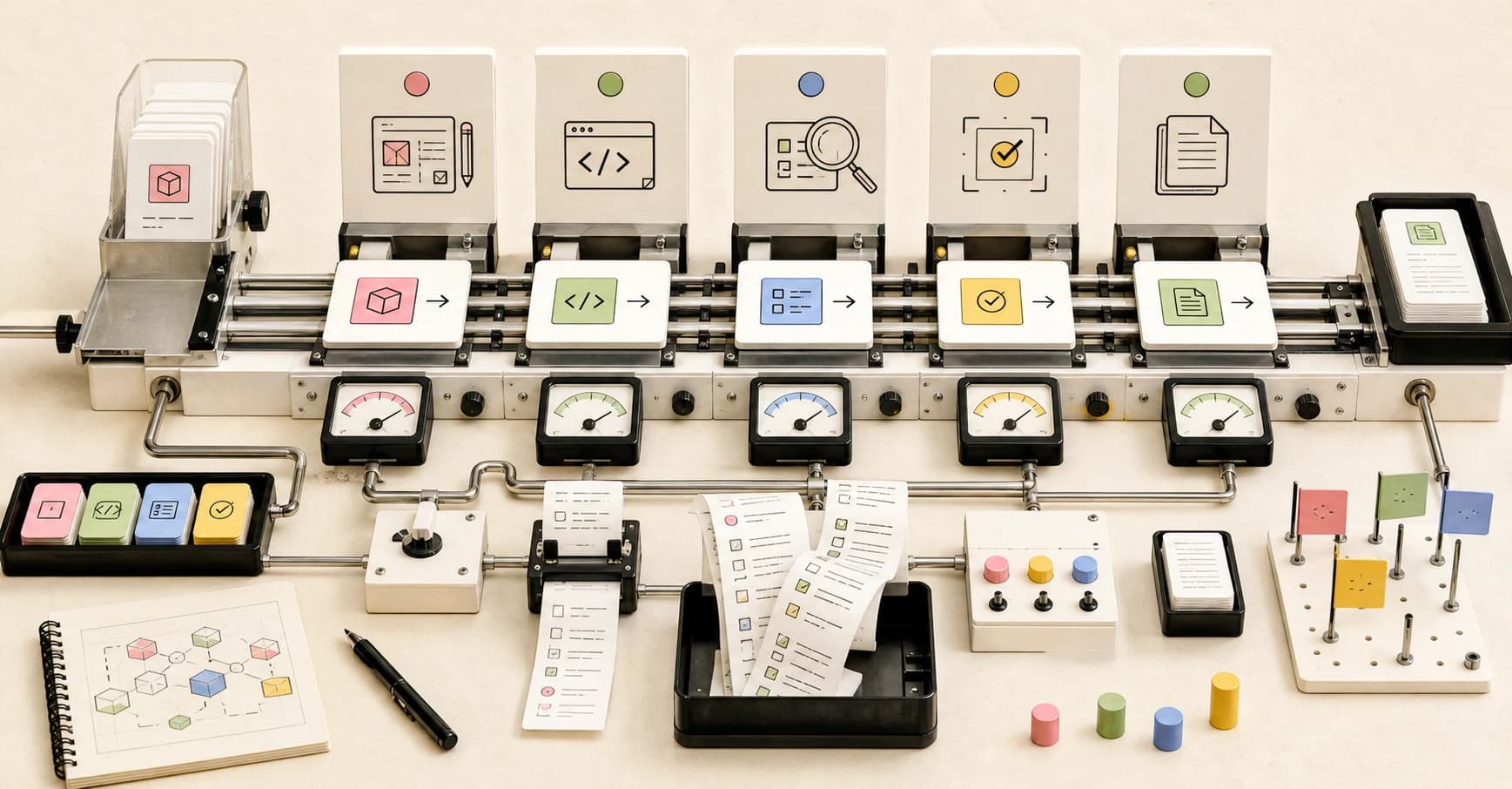
If you are building an internal coding-agent harness today, you probably cannot attach a hidden-state pruning head to every model. You can still copy the shape:
- Store raw tool artifacts outside the prompt.
- Classify each tool output by type: file read, search result, test log, stack trace, diff, package install, HTTP response.
- Keep a compact working view in the next prompt.
- Preserve line references back to the raw artifact.
- Let the agent request the full artifact again when uncertainty rises.
- Log prune decisions so humans can audit failures.
The key is separating "what the agent needs next" from "what the system must retain." Context pruning should reduce prompt burden, not destroy evidence.
That is especially important for autonomous repair loops. In a Dockerless verification or terminal benchmark setting, the agent may need hundreds of observations. The runtime should carry a bounded decision context while retaining enough raw proof to explain why it acted.
Where This Could Become Product#
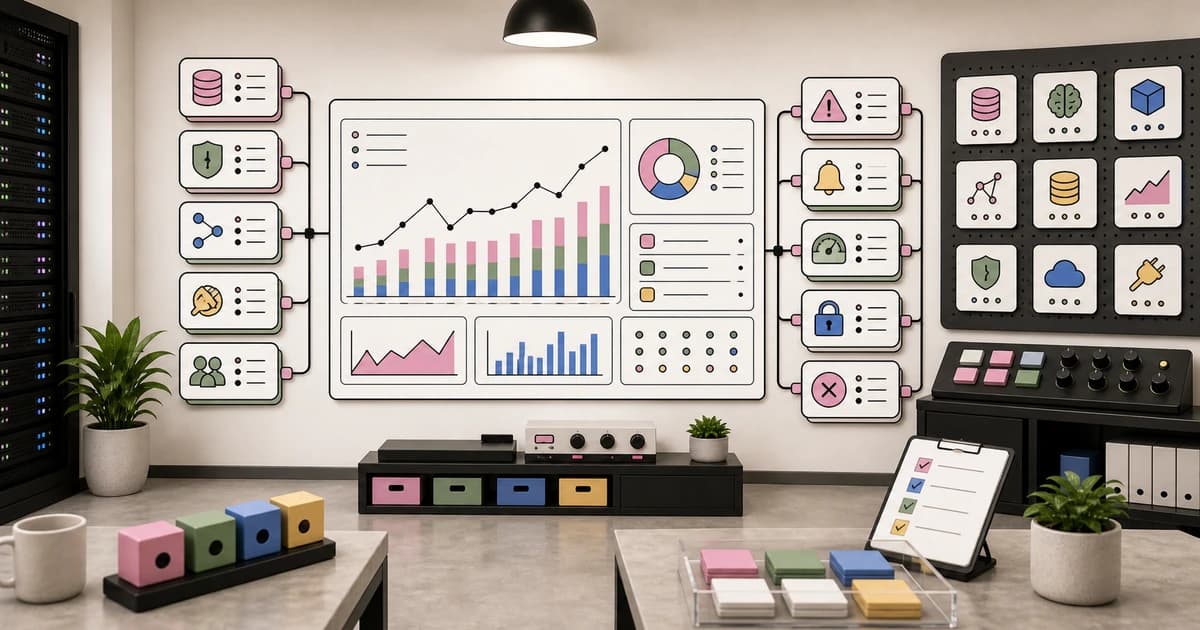
The obvious product feature is a "context ledger" for coding agents.
For every turn, the ledger would show:
- raw tool output hash
- compact view inserted into the prompt
- lines kept and pruned
- reason or classifier signal
- token savings
- later retrievals of the raw artifact
- test or review outcome after the prune
That would make pruning measurable. You could ask whether token savings correlated with regressions, whether certain tools over-prune, whether test logs need a different policy from source files, and whether a given model benefits from more or less retained context.
It also gives teams a better way to compare providers. A 1M-token context window is useful, but a smaller window with disciplined tool-output pruning may outperform a bigger window that blindly carries noise.
FAQ#
What is SWE-Pruner Pro?#
SWE-Pruner Pro is a research system for pruning coding-agent tool outputs. It attaches a small pruning head to a frozen coding backbone and uses the model's own internal representations to decide which lines of tool output should be kept in the next turn's context.
Is SWE-Pruner Pro ready for production use?#
Not as a generic hosted-agent feature. The official repo is fresh, some artifacts are still pending, and the setup expects control over the model-serving stack. Treat it as a strong design signal for agent runtimes, not a universal drop-in.
How is this different from summarizing tool output?#
Summarization rewrites output into prose. SWE-Pruner Pro makes line-level keep-or-prune decisions over the original tool response. That matters for code because exact lines, assertions, paths, and stack frames often carry the bug.
Why does tool-output pruning matter for agent cost?#
Coding agents repeatedly send tool results back into the model. Pruning irrelevant lines before the next turn can reduce prompt and completion tokens, which lowers cost and latency. The risk is that bad pruning can remove useful evidence.
Can hosted agents like Claude Code or Codex use this?#
They cannot use this exact hidden-state method unless the provider exposes the needed internals. But hosted-agent harnesses can still implement the broader pattern: store raw tool artifacts, pass compact views into context, preserve references, and make prune decisions auditable.
Continue Reading#
- Reasonix Shows the Next Coding Agent Fight Is Cache Discipline
- Claude Code Token Burn and Cache Observability
- The $400 Overnight Bill: Agent FinOps for Long Runs
- Harness Engineering: Token Budgets for Coding Agents
- Long-Horizon Terminal-Bench and Agent Evals
Sources#
- SWE-Pruner Pro: The Coder LLM Already Knows What to Prune - arXiv paper, submitted July 20, 2026. Checked July 21, 2026.
- HF Papers: SWE-Pruner Pro - Hugging Face discussion page. Checked July 21, 2026.
- Ayanami1314/swe-pruner-pro - official repository, setup notes, release status, and reproduction scripts. Checked July 21, 2026.
- SWE-Pruner: Self-Adaptive Context Pruning for Coding Agents - earlier baseline paper. Checked July 21, 2026.
- Hacker News Algolia API - checked July 21, 2026 for exact
SWE-Prunerreferences; no matching story or comment hits were returned. - Google Trends - attempted July 21, 2026 for
SWE-Pruner,context pruning,AI coding agent,Claude Code, andCodex; the widget-data endpoint returned aRetryErrorafter too many 429 responses, so no numeric rows were used.
Get the next deep dive like this in your inbox
One email a week on AI Coding and the rest of the AI dev stack. Free.
Read next on AI coding tools
Reasonix Shows the Next Coding Agent Fight Is Cache Discipline
Reasonix builds a DeepSeek coding agent loop around prefix caching. When cache discipline keeps long sessions cheap, and when it fights the harness.
7 min readClaude Code Token Burn Is an Observability Problem
Claude Code token burn is an observability problem. Why coding agents need cache-hit telemetry, spend ceilings and repro-grade usage logs, not a quota bar.
8 min readThe $400 Overnight Bill: Why Managed Agents Need FinOps Now
Five managed-agent providers, five pricing models, zero unified cost attribution. If you're running agents overnight, you need FinOps you don't have yet.
13 min readNew here? Start with
Technical content at the intersection of AI and development. Building with AI agents, Claude Code, and modern dev tools - then showing you exactly how it works.