8 min read
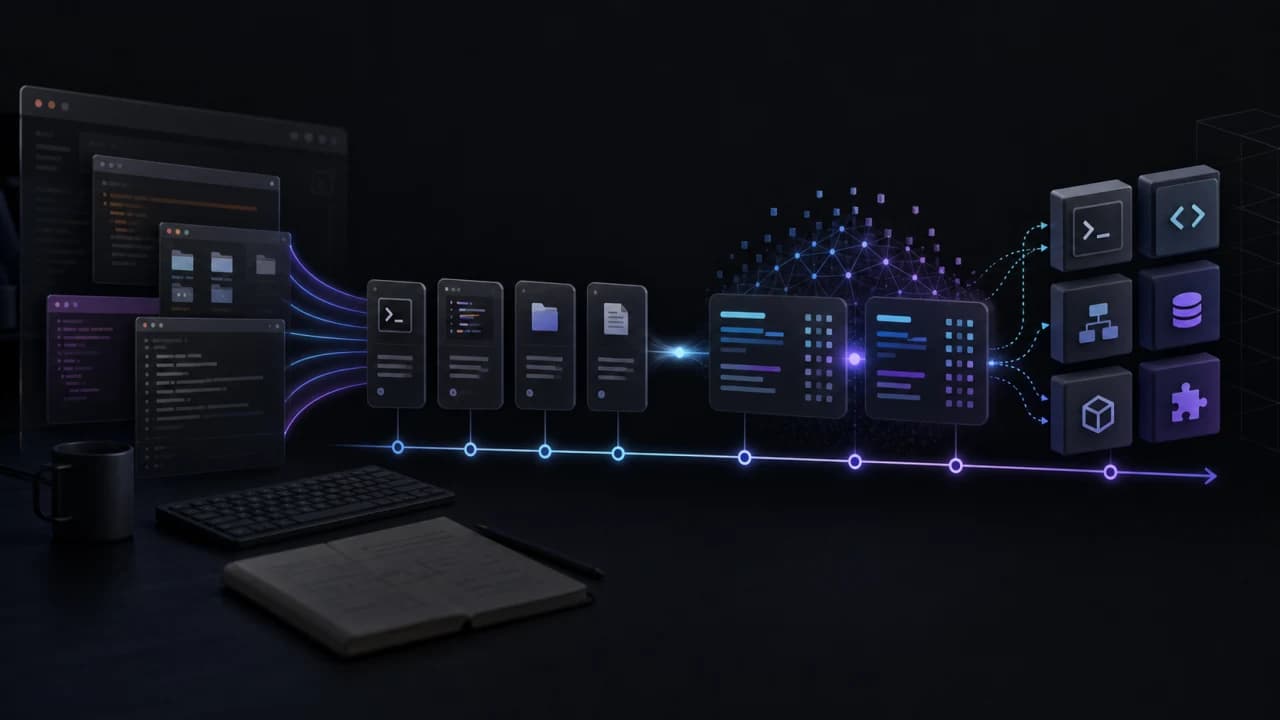
Codex Computer History Turns Repeated Work Into Reusable Skills
Codex Computer History gives agents a rolling local view of your work across apps. How it works, how to turn observed workflows into skills, and privacy limits.
7 articles
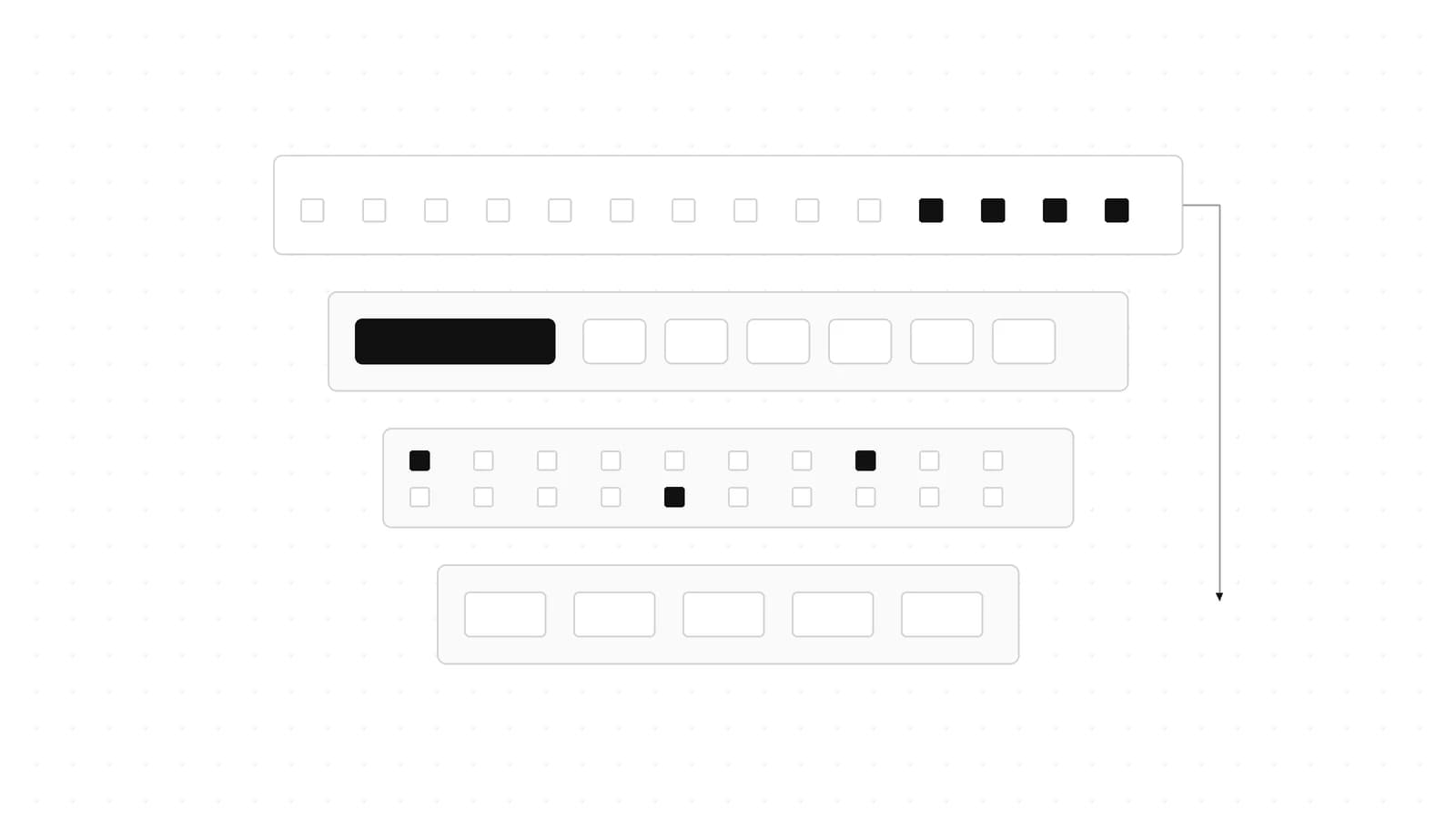
Agent memory is five layers: history, compaction, semantic recall, working memory and files. How Mastra, LangGraph, OpenAI and Claude implement each.
Codex Computer History gives agents a rolling local view of your work across apps. How it works, how to turn observed workflows into skills, and privacy limits.
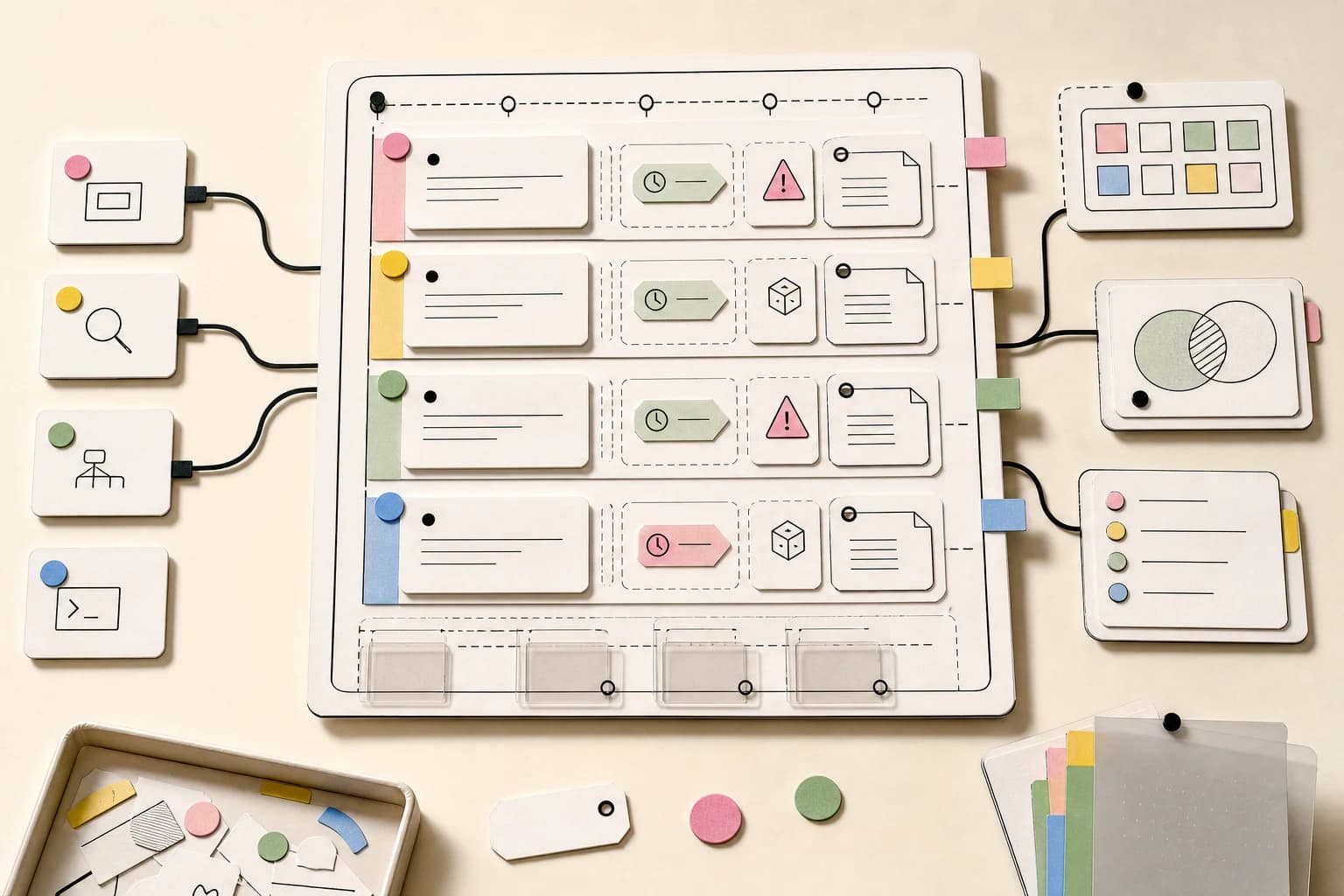
ACE vs ALTK-Evolve for agent memory: both turn trajectories into lessons, but calibrated delivery matches accuracy on AppWorld at a fraction of the tokens.
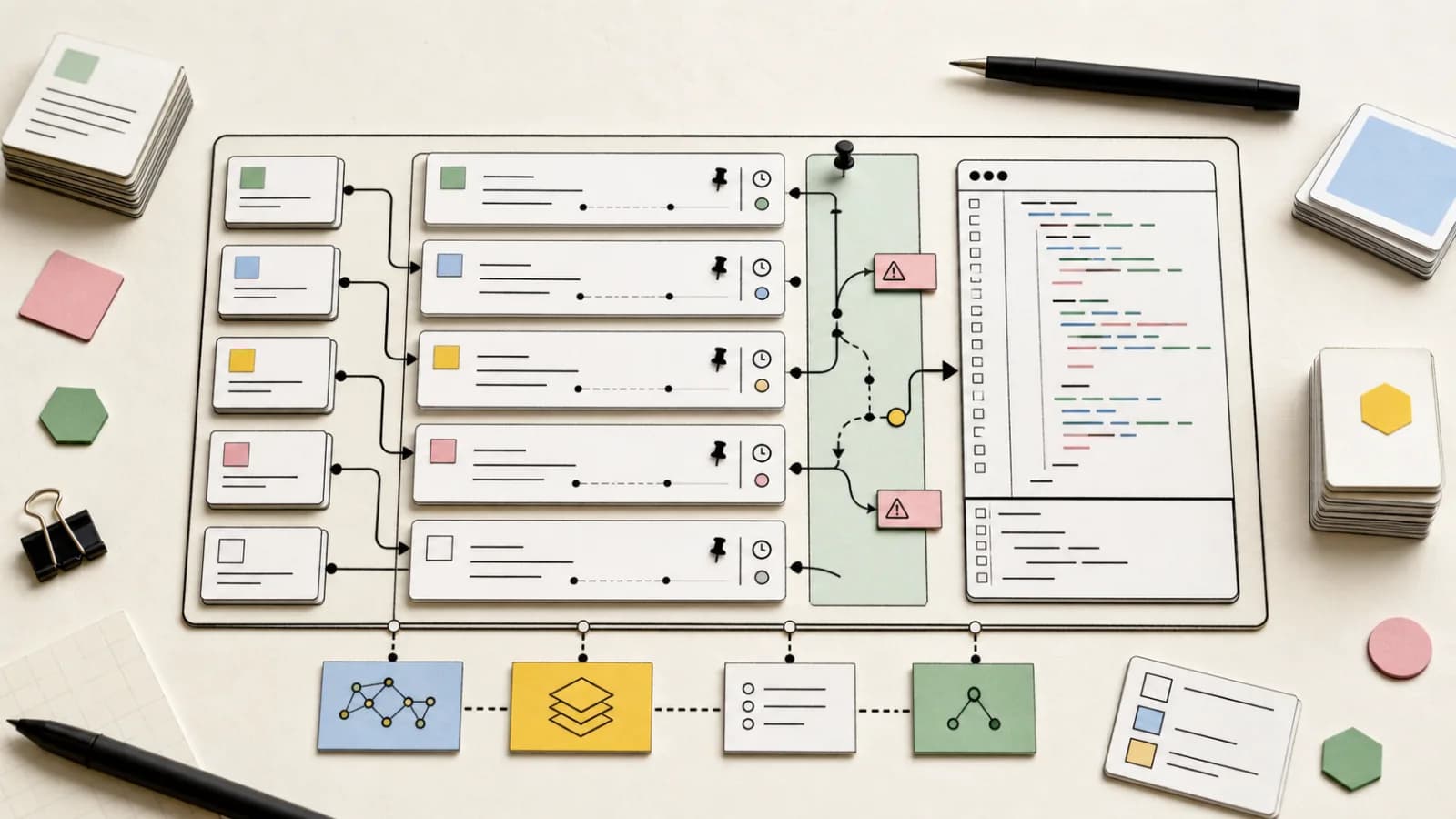
CAPA benchmark: coding agents that read a user's past sessions resolve ambiguous requests with far fewer clarifying questions, tested across 12 models.
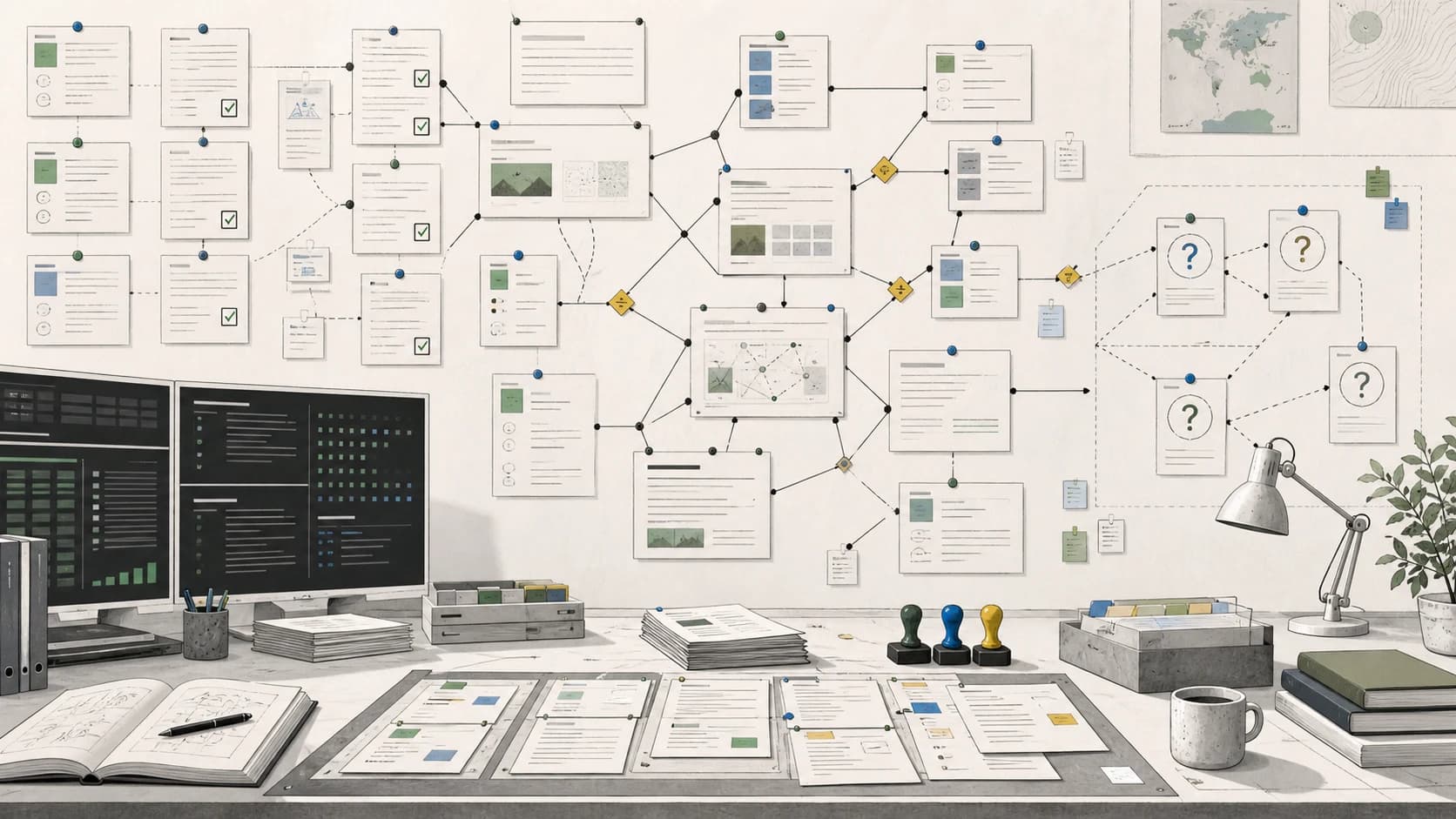
Deep research agents need constraint ledgers: a persistent record of constraints, evidence obligations, failed paths and open questions, drawn from AREX.
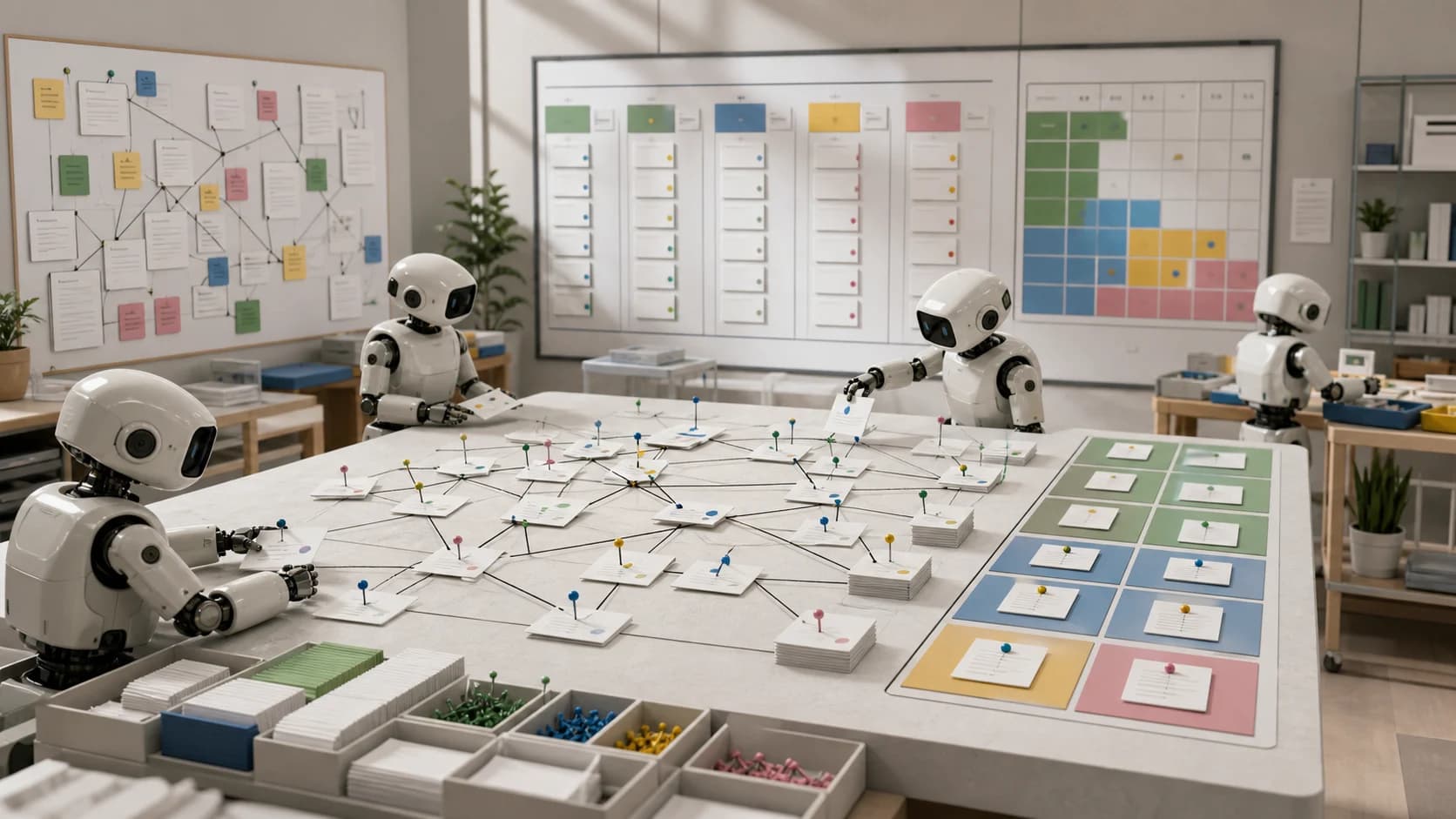
SearchOS turns web research from a growing chat transcript into shared state: frontier tasks, evidence graphs, coverage maps, and failure memory. That is the pattern serious deep-research agents need.
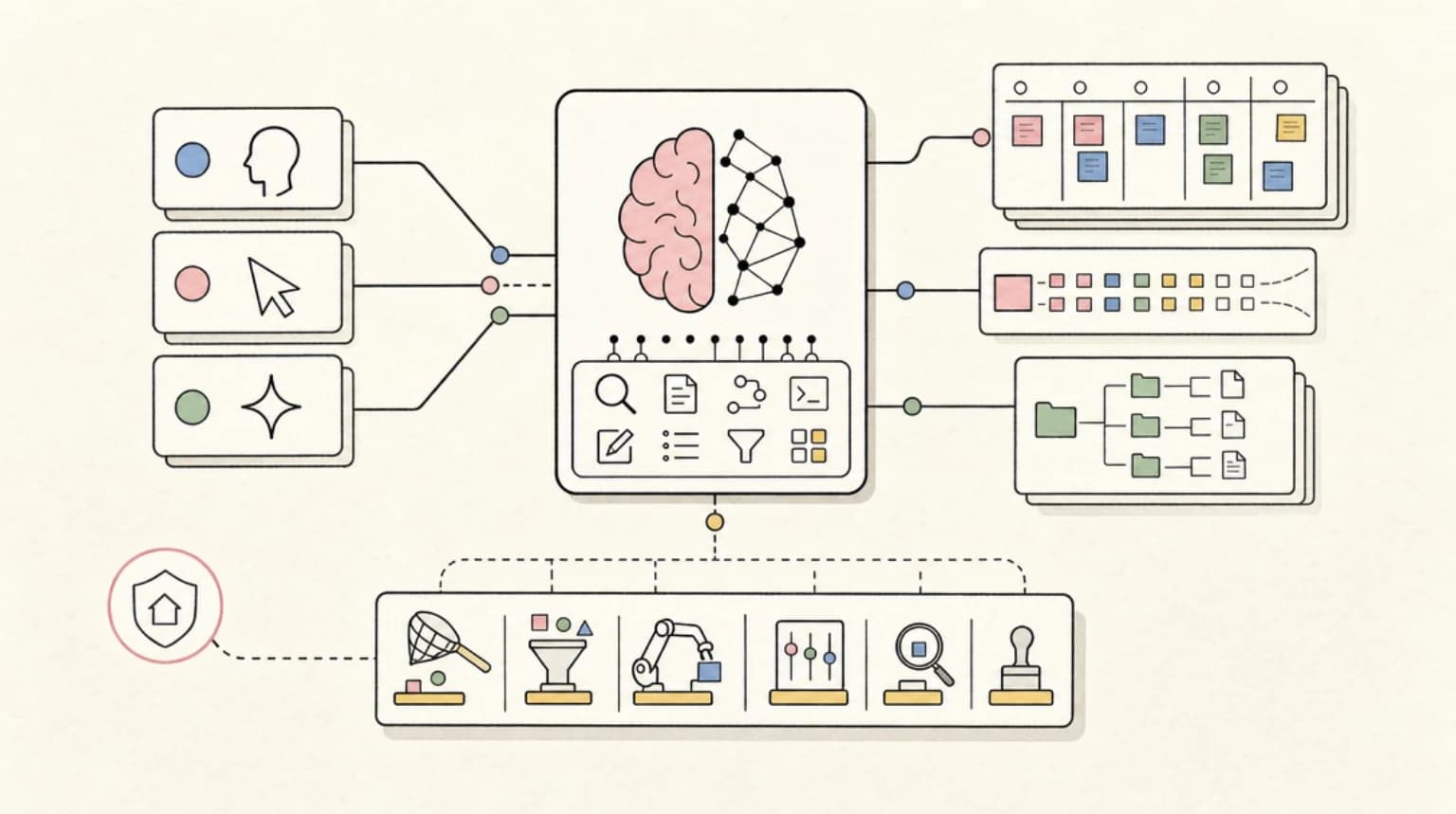
AgentMemory gives Claude Code, Codex and Cursor persistent local memory. The real adoption test is whether your team can inspect, prune and govern it.
Showing 6 of 6 articles
New tutorials, open-source projects, and deep dives on coding agents - delivered weekly.
Explore 846 topics
Browse All Topics