SearchOS Shows Deep Research Agents Need Shared State
TL;DR
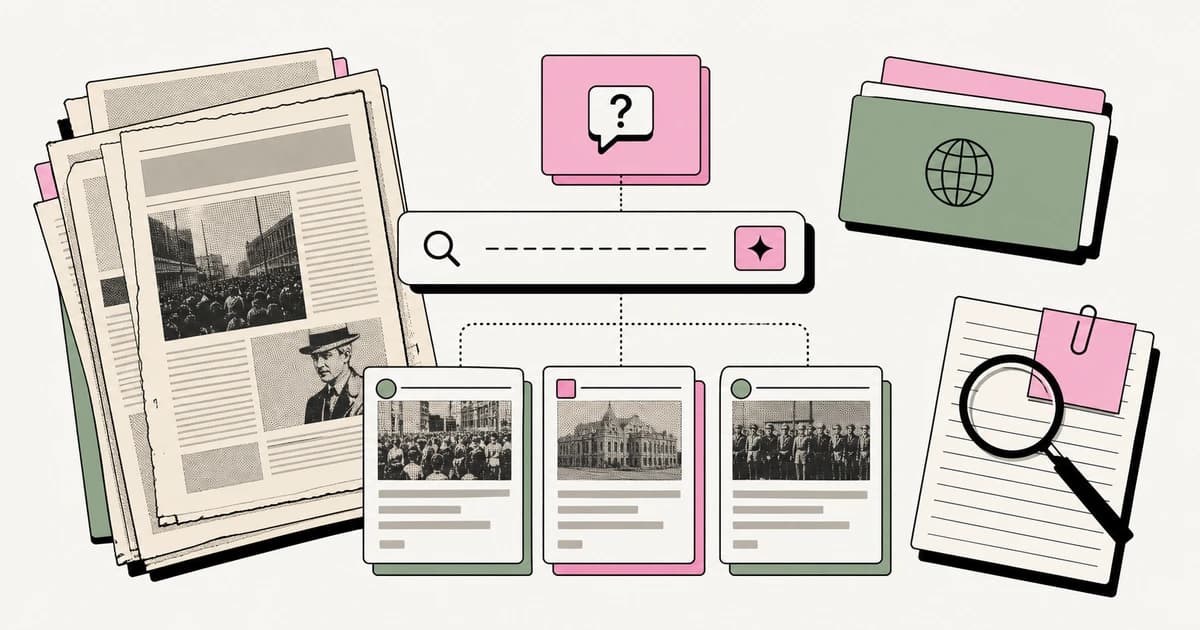
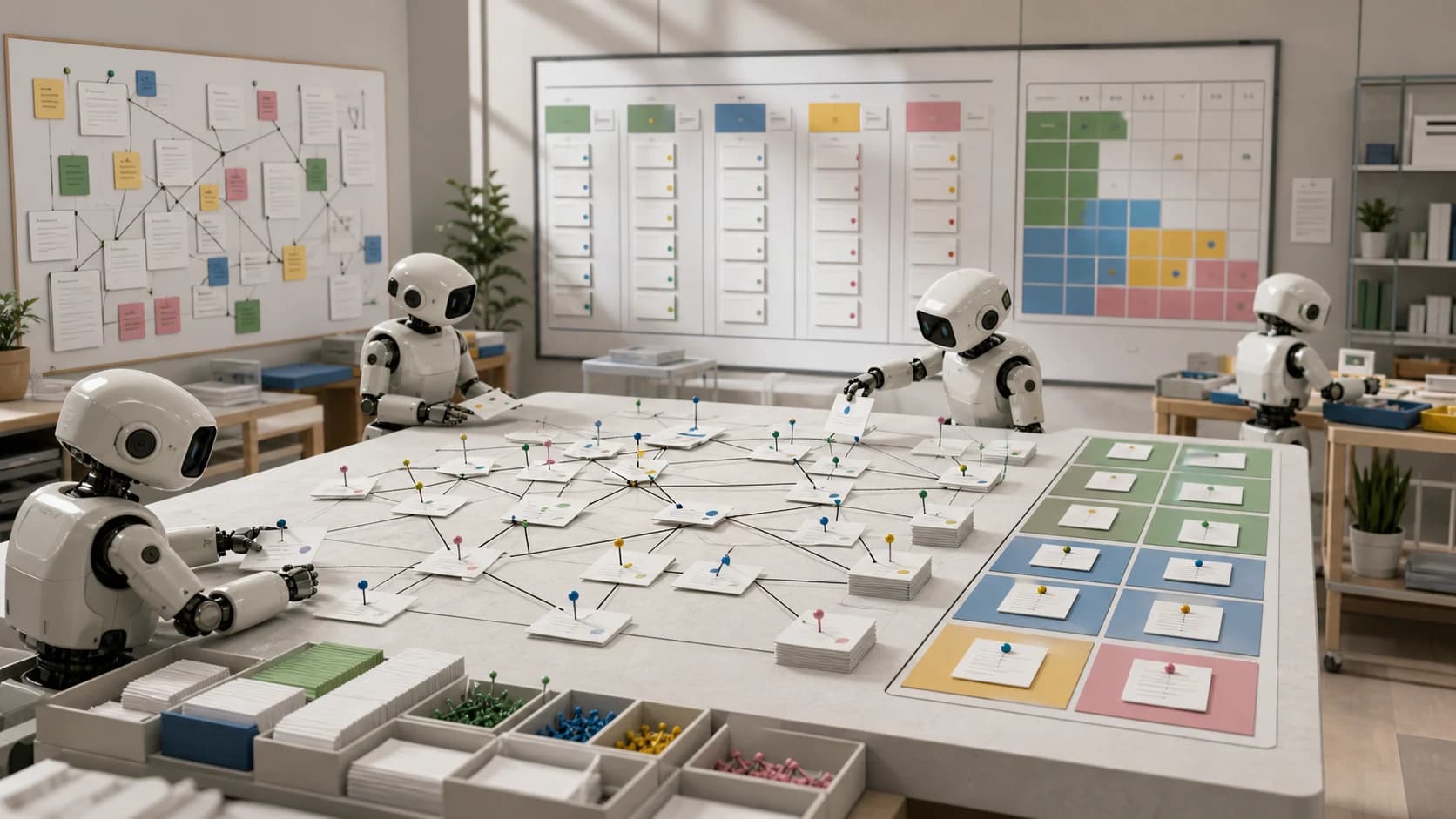
SearchOS turns web research from a growing chat transcript into shared state: frontier tasks, evidence graphs, coverage maps, and failure memory. That is the pattern serious deep-research agents need.
Last updated: July 22, 2026
Search agents are starting to hit the same wall coding agents hit earlier this year: the model can browse, read, cite, and synthesize, but the session around it is still too much like a long chat transcript.
That works for a five-minute lookup. It breaks down when the task becomes "map the market," "compare every vendor," "find contradictory evidence," or "keep researching until coverage is complete." The agent repeats searches. It forgets why a lane failed. It cites one source twice under different names. It fills the easy cells and leaves the hard ones blank.
The useful idea in SearchOS-V1, a July 2026 paper from Renmin University and Ant Group researchers, is not simply "use more agents." The paper's stronger claim is architectural: open-domain research should be represented as shared, persistent task state, not as private reasoning inside one worker's prompt.
That makes SearchOS a good follow-up to the DevDigest thread on agentic search interfaces, context ledgers for agent memory, and multi-agent orchestration patterns. The frontier is not whether a model can search. The frontier is whether the system can tell what has already been searched, what evidence supports each claim, which coverage gaps remain, and which failed paths should not be retried.
The take#
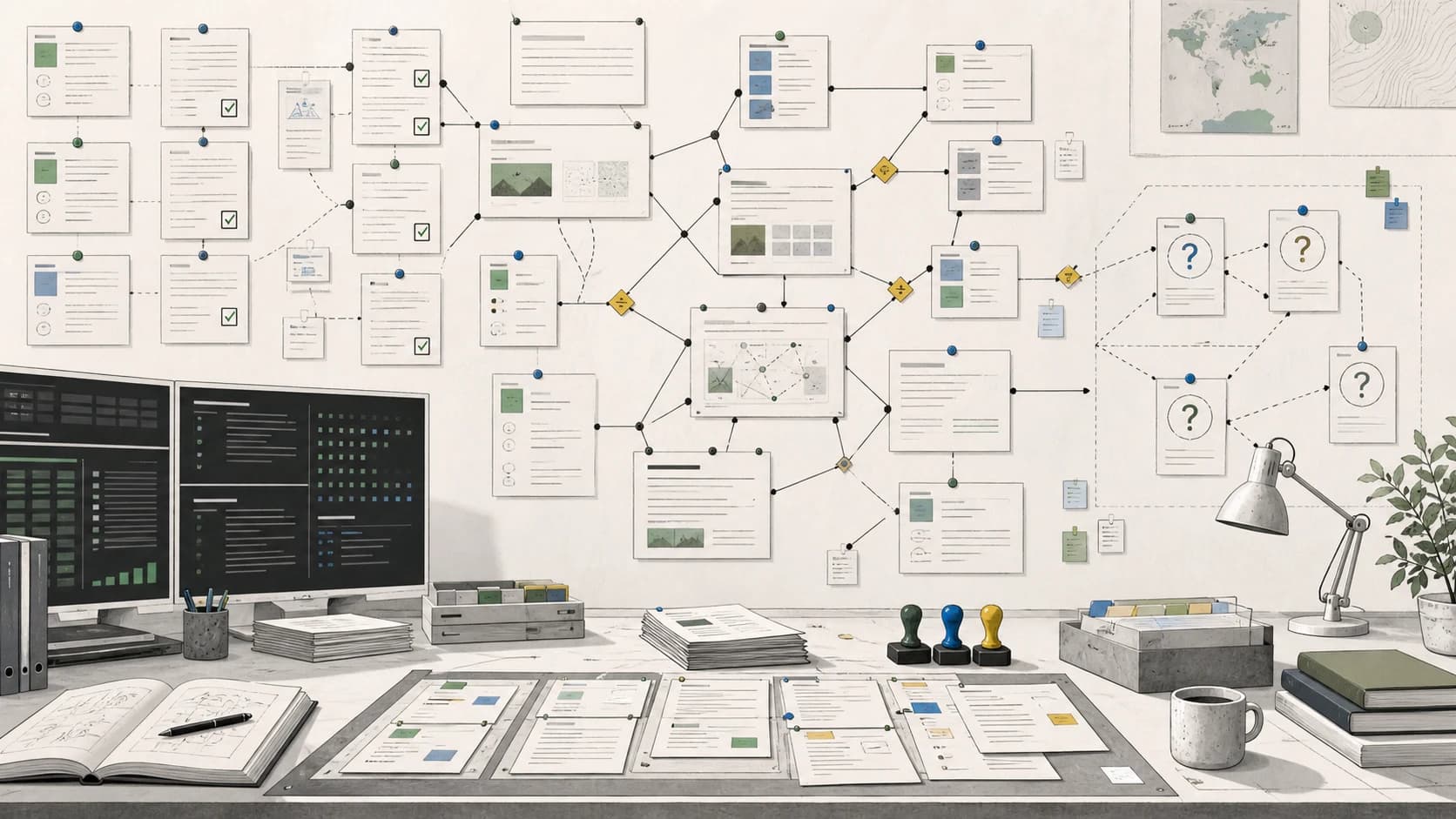
Deep-research agents should start looking less like chat apps and more like collaborative databases.
Not because every product needs SearchOS exactly. Most teams do not need a full research paper implementation. But the primitives are directionally right:
- a frontier queue for unresolved work
- an evidence graph that stores citations as structured records
- a coverage map that shows missing fields
- failure memory that prevents repeated dead ends
- middleware that observes tool use and updates state
- parallel workers that pull from the same shared plan
That is the same shape we want in coding-agent harnesses. In long-running agent harnesses, the lesson was that work needs checkpoints, logs, budgets, and recovery paths. For research agents, the checkpoints are not test results. They are evidence slots.
What SearchOS actually proposes#
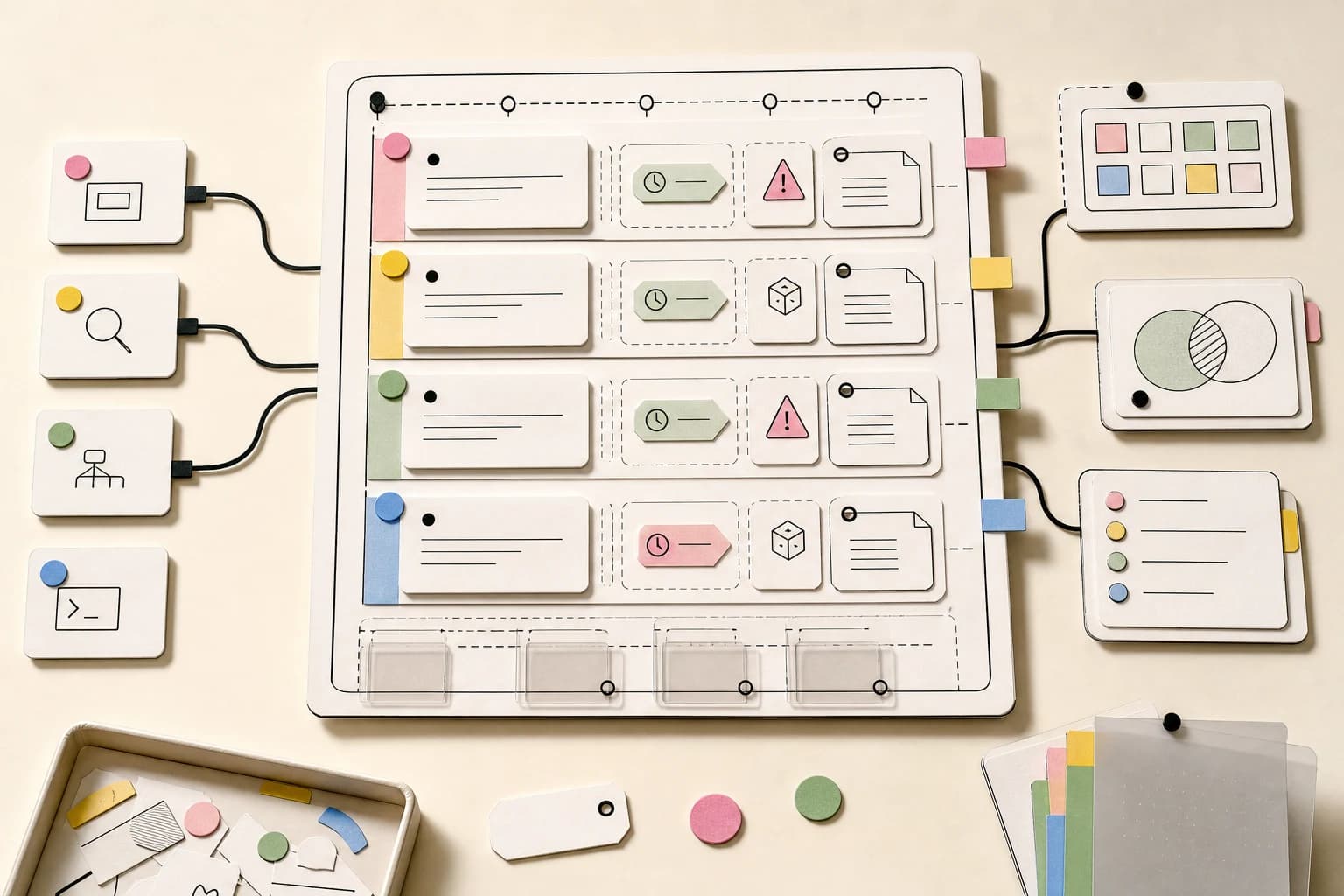
SearchOS frames open-domain information seeking as relational schema completion. Instead of asking an agent to "research this topic" and hoping the final prose is complete, the system asks agents to populate linked tables where each value is anchored to source evidence.
The paper introduces Search-Oriented Context Management, or SOCM, with four state objects:
| State object | What it tracks | Why developers should care |
|---|---|---|
| Frontier Task | the next unresolved search or extraction task | keeps workers focused on gaps, not vibes |
| Evidence Graph | entities, attributes, citations, and source anchors | makes source provenance inspectable |
| Coverage Map | which cells are filled, missing, stale, or disputed | prevents early summaries from hiding holes |
| Failure Memory | failed queries, dead ends, and stall signals | stops agents from burning budget on repeats |
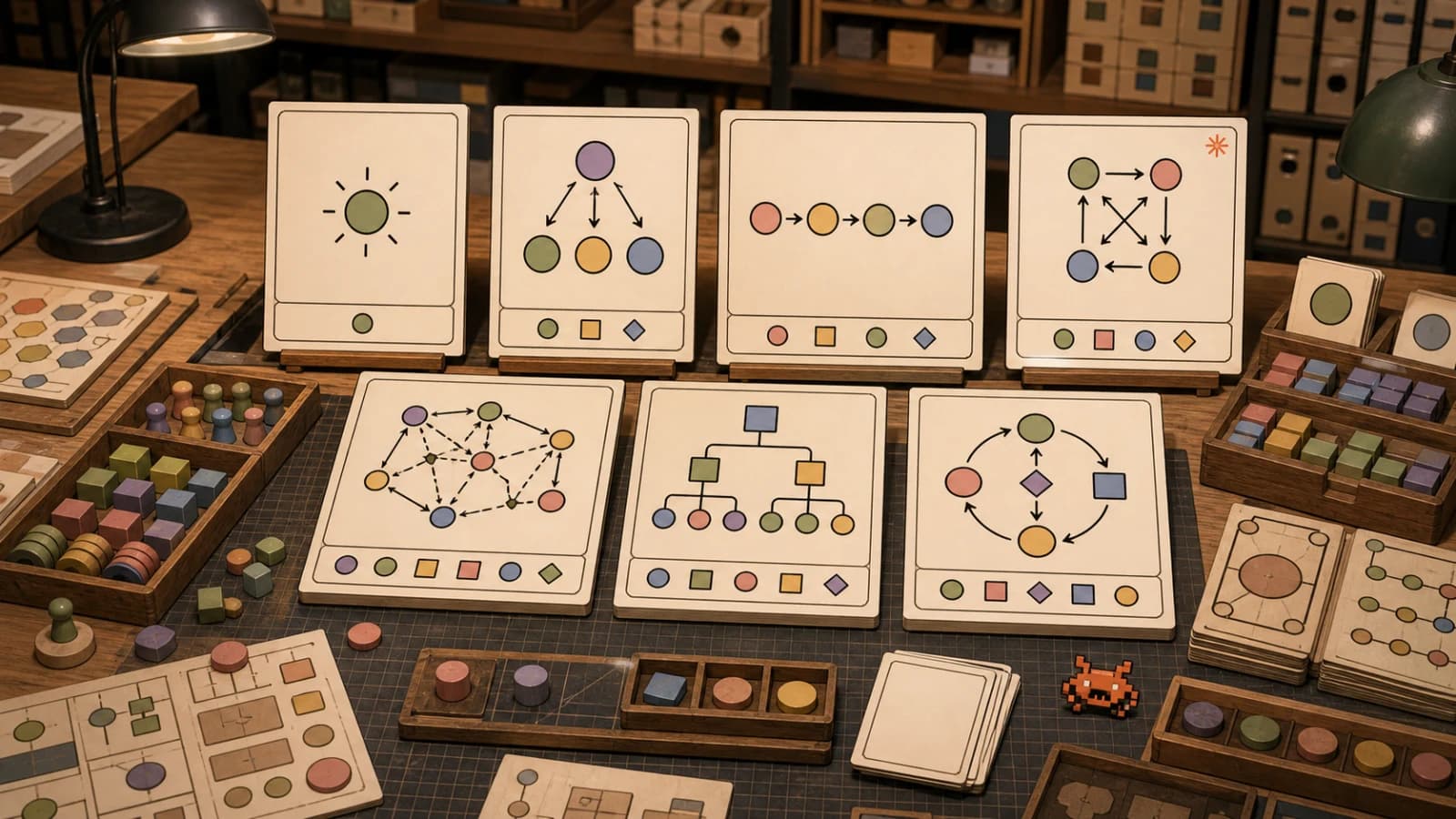
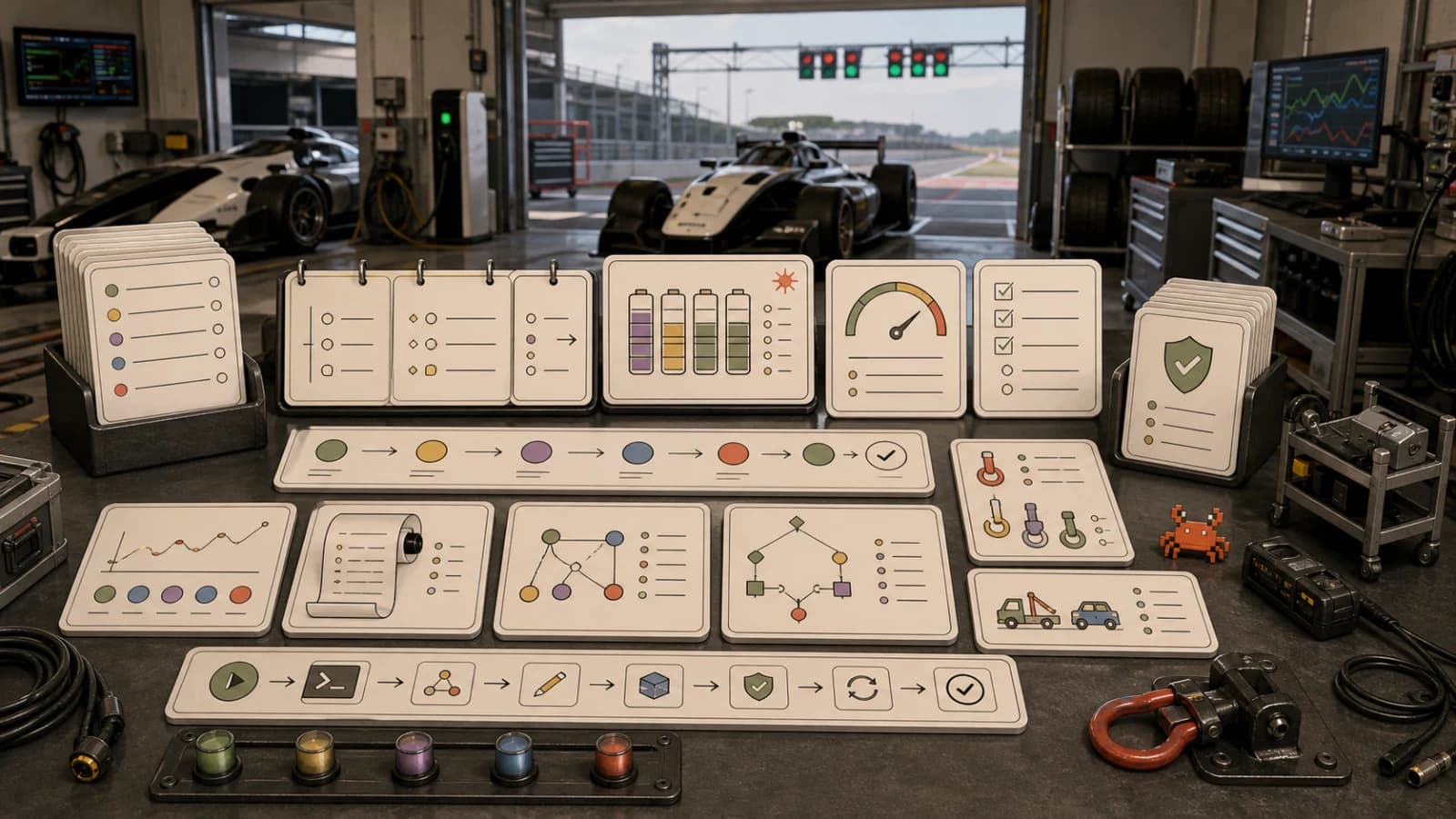
The system then runs multiple search agents through a pipeline-parallel scheduler. When one worker finishes or stalls, freed capacity is refilled with another task aimed at an unresolved coverage gap. A middleware harness sits between agents and tools, recording evidence and reacting to stalls or budget exhaustion.
That middleware detail matters. A lot of agent frameworks treat tool traces as logs after the fact. SearchOS treats tool interaction as the place where the shared research state is updated.
Why chat history is the wrong database#
The default deep-research pattern still depends heavily on transcript accumulation:
- Ask the model to plan.
- Let it browse.
- Let it summarize what it found.
- Append more observations.
- Hope the final answer remembers the right things.
That has three obvious failure modes.
First, progress becomes implicit. The system may have searched ten sources, but the current prompt only contains a compressed memory of that activity. There is no first-class object saying "vendor pricing is complete, enterprise security is missing, API limits are disputed."
Second, evidence gets flattened. A citation in final prose is not the same as a source-linked evidence record. If the article says one vendor supports a feature, a reviewer needs to know which page, which date, which text span, and whether another page contradicted it.
Third, failed work disappears. If a query produced nothing useful, that negative result matters. Without failure memory, another agent may spend the same budget searching the same phrase.
This is why agent memory needs a context ledger. Memory is not magic recall. Memory is a scoped, inspectable pointer to evidence. SearchOS applies that idea to web research itself.
The opposing view#
The obvious pushback is that this is too much machinery.
For many research tasks, it is. If the question is narrow, a single agent with a browser and a citation requirement is enough. A relational schema can become ceremony. A coverage map can become another artifact the model hallucinates. A failure log can preserve stale assumptions and block a useful retry.
There is also a product risk: users may not want to manage tables, graphs, and frontier queues. Most people ask for a memo, not an operations console.
So the practical version is not "ship the paper as a UI." The practical version is to hide the machinery until it explains something useful:
- show missing coverage only when the answer claims completeness
- expose evidence cards only when a user expands a claim
- record failed searches silently, then use them to avoid repeat loops
- let a supervisor agent edit the schema when the research shape changes
- keep final prose simple, but make every claim traceable
That is the pattern serious research products should copy.
Where this fits with DeepSearch-World#
SearchOS is not the only July paper pointing in this direction. DeepSearch-World takes a training-environment angle: build a deterministic, verifiable search and page-reading environment where agents can improve from trajectories with progress verification, grounded reflection, and failure recovery.
The two papers are complementary.
SearchOS asks: how should a live multi-agent research system coordinate work?
DeepSearch-World asks: how can search agents train and evaluate against reproducible research tasks?
Both point away from answer-only RAG. They treat deep research as a loop with state, feedback, and verifiable intermediate artifacts.
That is the durable developer angle. The search volume for exact paper titles is tiny, and Google Trends confirmed that the exact launch names are not the demand. In a US three-month Trends check on July 22, the adjacent cluster was stronger: search agent averaged 5.42, AI search agent averaged 1.72, GraphRAG averaged 1.11, AI coding agent averaged 4.16, and Claude Code averaged 62.76. The article should target the durable problem developers search for: how to build reliable research agents, not the paper title.
A practical design for builders#
If you are building a deep-research agent today, start with this minimum state model.
type EvidenceRecord = {
  id: string;
  claim: string;
  sourceUrl: string;
  sourceTitle: string;
  observedAt: string;
  quoteOrSpan: string;
  confidence: "direct" | "inferred" | "conflicting";
};

type ResearchCell = {
  entity: string;
  attribute: string;
  status: "missing" | "searched" | "filled" | "conflicting";
  evidenceIds: string[];
  notes?: string;
};

type ResearchState = {
  question: string;
  schema: Array<{ entityType: string; attributes: string[] }>;
  frontier: Array<{ id: string; task: string; reason: string }>;
  cells: ResearchCell[];
  evidence: EvidenceRecord[];
  failures: Array<{ query: string; reason: string; observedAt: string }>;
};
Then wire the agent loop around state transitions:
- Generate or revise the schema.
- Select one frontier task.
- Search and read sources.
- Extract evidence records.
- Update cells and coverage.
- Record failures explicitly.
- Summarize only after the coverage map says the answer is ready enough.
The key is that every worker reads and writes the same research state. A worker can still use natural language internally, but the product should not depend on that hidden context as the source of truth.
What to avoid#
Do not turn this into a giant prompt template.
SearchOS is interesting because it externalizes progress. If your implementation says "keep an evidence graph in your thoughts," you missed the point. The graph should be an object the system can inspect, diff, persist, and show to another agent.
Do not over-trust the coverage map either. A map can say every cell is filled while the evidence is weak. The UI should separate "filled" from "verified," and it should make conflicts visible.
Do not collapse failure memory into "never try this again." A failed query may be useful later after the schema changes. Store the reason, not just the ban.
The product implication#
Deep research is becoming a state-management problem.
The model still matters. Search quality still matters. Source extraction still matters. But once agents run for long enough, the hard part becomes coordination: what are we trying to fill, what have we already proven, what remains uncertain, and what should the next worker do?
That is why SearchOS is worth watching even if you never use its code. It gives a concrete vocabulary for the middle layer between "browser tool" and "final report."
The next generation of research agents should not just write better summaries. They should leave behind a better research database.
FAQ#
What is SearchOS?#
SearchOS is a July 2026 research system for open-domain information-seeking agents. It represents research progress as shared state: frontier tasks, an evidence graph, a coverage map, and failure memory.
Is SearchOS just another multi-agent framework?#
No. The interesting part is not only parallel workers. The important piece is the shared research state that lets workers coordinate around evidence, missing coverage, and failed search paths.
How is this different from RAG?#
Basic RAG retrieves passages and asks a model to answer. SearchOS-style research treats retrieval as one step in a longer stateful process: schema design, evidence extraction, coverage tracking, failure logging, and synthesis.
Should every app use an evidence graph?#
No. Narrow support bots and simple documentation Q&A probably do not need it. Evidence graphs become useful when research is long-running, multi-source, comparative, or audit-sensitive.
What should developers copy from SearchOS first?#
Start with coverage tracking and evidence records. Before adding more agents, make sure the system can show which claims are supported, which fields are missing, and which failed searches should not be repeated.
Continue Reading#
- Agentic Search Works Best When It Writes Queries, Not Answers
- AI Agent Memory Needs a Context Ledger
- SkillHone Shows Why Agent Skills Need Decision History
- 7 AI Agent Orchestration Patterns Every Developer Should Know
- Long-Running Agents Need Harnesses, Not Hope
Sources#
- SearchOS-V1: Towards Robust Open-Domain Information-Seeking Agent Collaboration, arXiv, submitted July 16, 2026. Checked July 22, 2026.
- SearchOS-V1 on Hugging Face Papers, discussion and monthly ranking context. Checked July 22, 2026.
- SearchOS code link from arXiv metadata, project repository linked by the paper. Checked July 22, 2026.
- DeepSearch-World: Self-Distillation for Deep Search Agents in a Verifiable Environment, arXiv, submitted July 8 and revised July 13, 2026. Checked July 22, 2026.
- Google Trends US three-month query cluster for
search agent,AI search agent,GraphRAG,AI coding agent, andClaude Code. Checked July 22, 2026.
Get the next deep dive like this in your inbox
One email a week on AI Agents and the rest of the AI dev stack. Free.
Read next on AI coding tools
Agentic Search Works Best When It Writes Queries, Not Answers
SNEWPAPERS is a useful Show HN signal: the strongest agentic search products do not replace search results with prose. They teach the agent to operate a real search system.
8 min readAI Agent Memory Needs a Context Ledger
AI agent memory works best as a context ledger: source-linked, scoped, expiring memory that agents can inspect and users can audit, not magic recall.
8 min readSkillHone Shows Why Agent Skills Need Decision History
SkillHone argues agent skills need decision history, not just the latest SKILL.md. Why saving the reasons behind each change helps future agents improve them.
8 min readNew here? Start with
Technical content at the intersection of AI and development. Building with AI agents, Claude Code, and modern dev tools - then showing you exactly how it works.