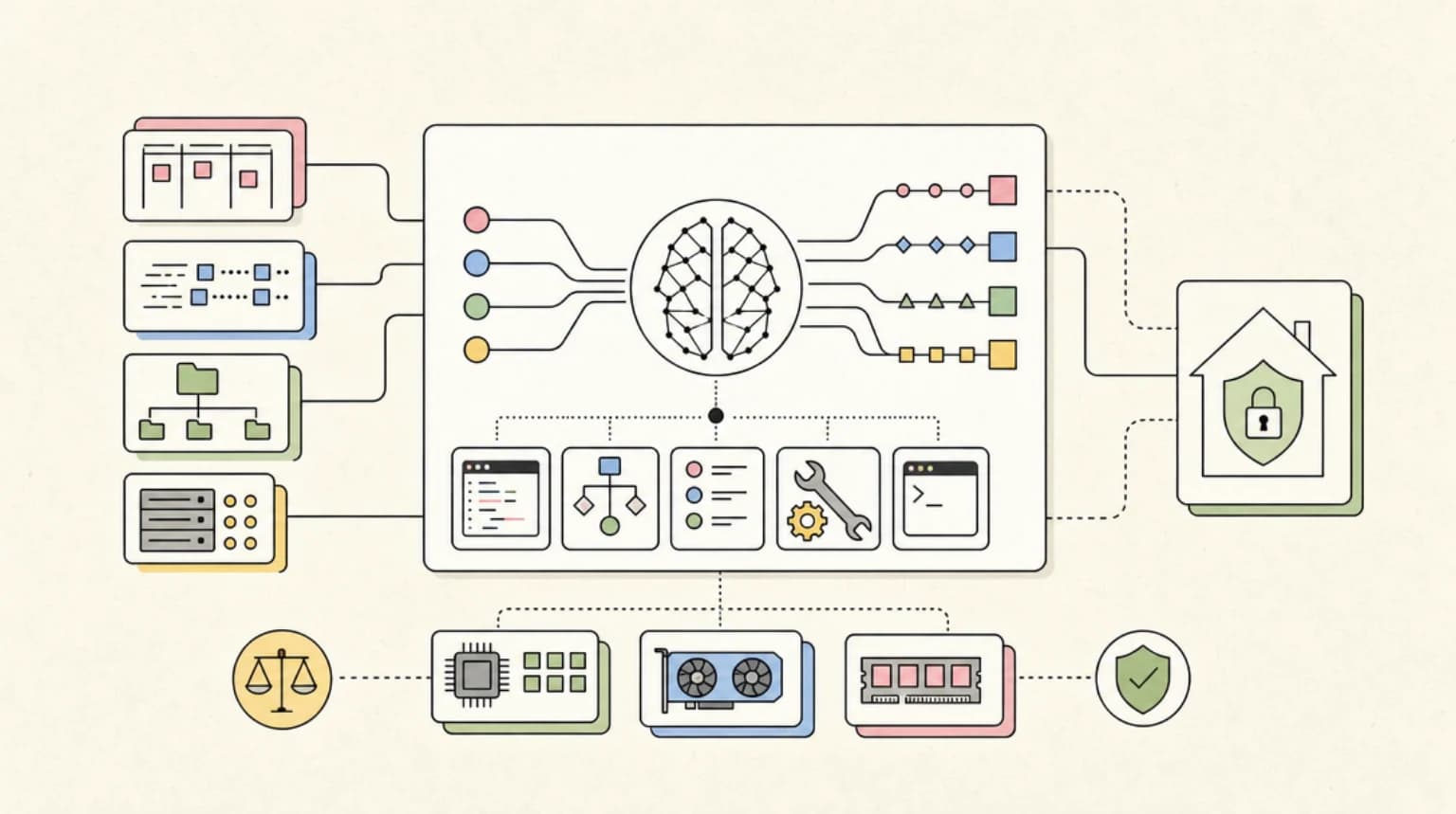
Cloudflare Runs Kimi and GLM at Scale: FP8 KV Caches, INT4 Weights, and a Cache Safety Net
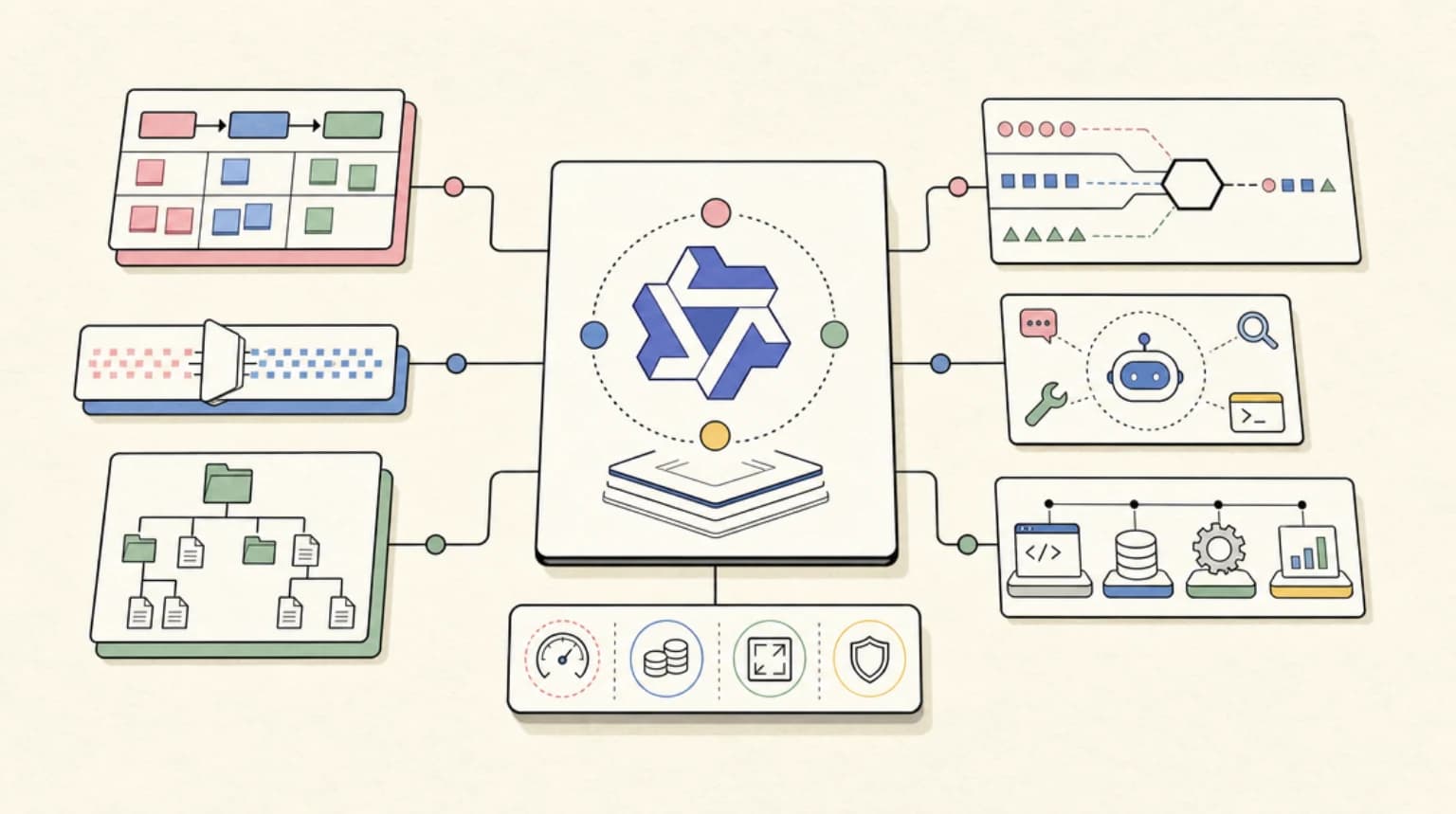
Cloudflare runs Kimi K2.6 and GLM 5.2 on Workers AI with FP8 KV caches, INT4 weights and a KV cache integrity check. What each technique buys on GPU fleets.
Page 30 of 100
Deep dives into AI agents, coding tools, and building with LLMs.
1190 articles844 topics

Cloudflare runs Kimi K2.6 and GLM 5.2 on Workers AI with FP8 KV caches, INT4 weights and a KV cache integrity check. What each technique buys on GPU fleets.

Cloudflare Workers can now accept inbound TCP and serve gRPC: a connect() handler via Spectrum, full-duplex gRPC from Containers, and gRPC-web translation.

Workers RPC now bridges Python and JavaScript, passing live objects, functions and streams between Workers with no schemas and no serialization code.

Octane is an MIT-licensed framework from Inferno's creator that compiles React-style hooks and Suspense to direct DOM code, no virtual DOM or rules of hooks.

How OpenAI built GPT-Live: a full-duplex voice model with no turn detector, Go on the media path, stateful handoffs, and the new WARP WebRTC transport.

Qwen 3.8 Max is a 2.4T-parameter MoE with 95B active, a 1M context window and $2/$6 per million tokens on QwenCloud, with open weights promised next week.

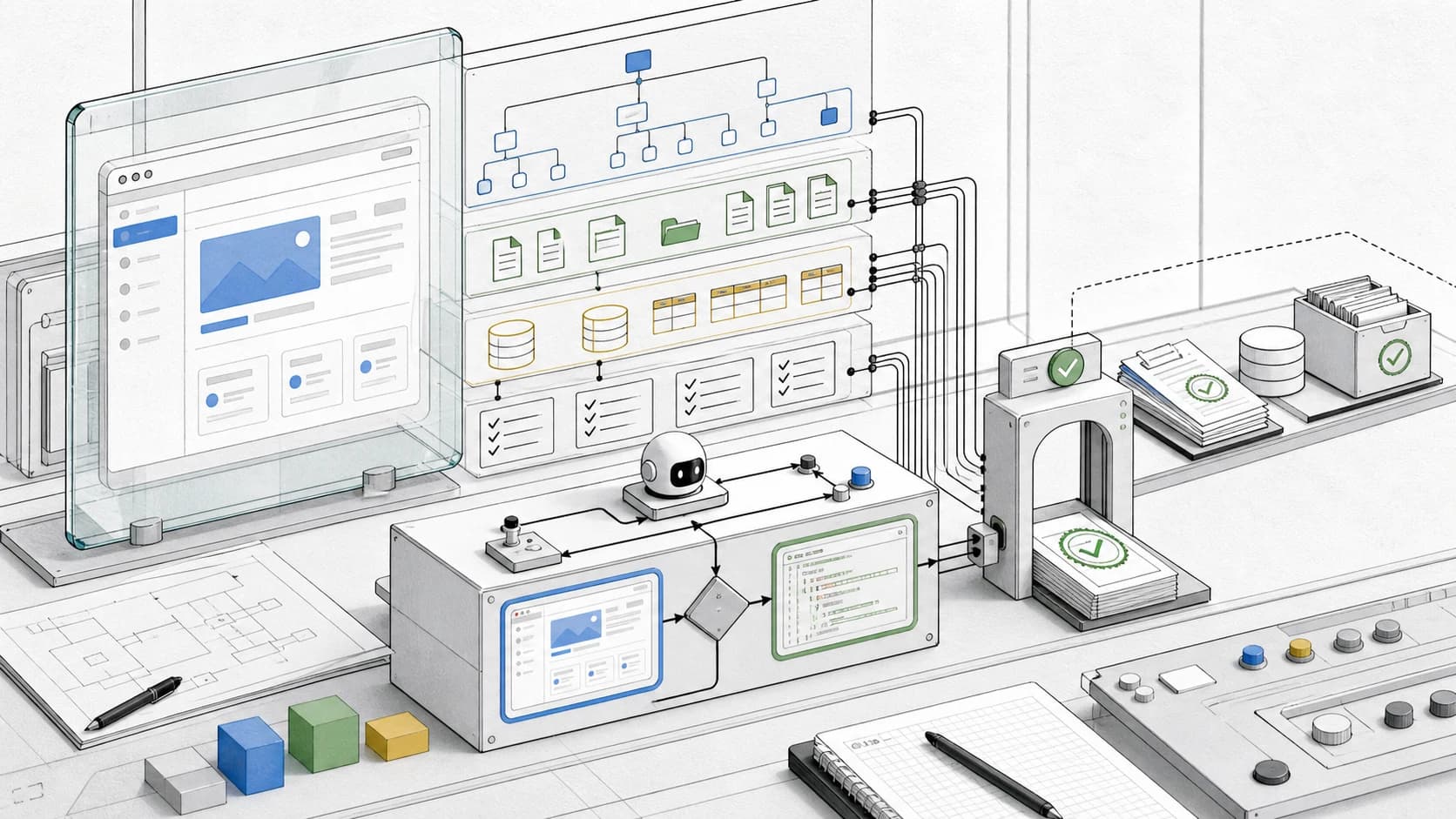
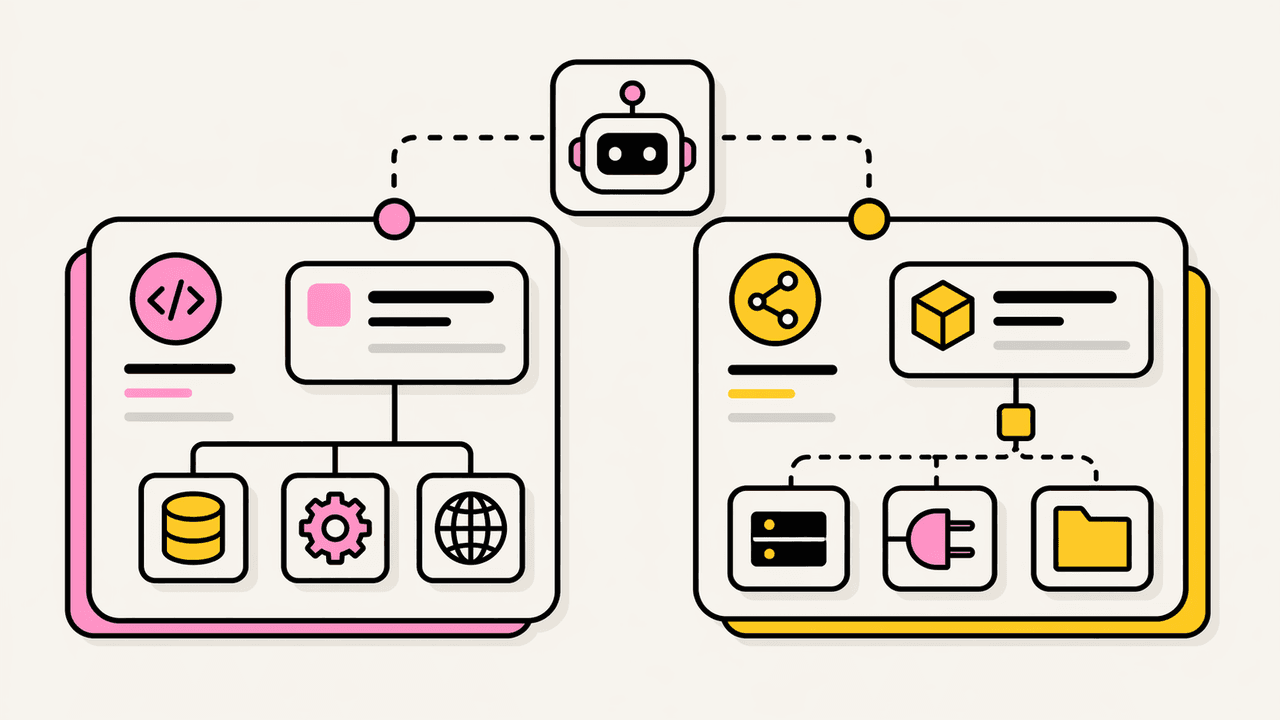
StateAct, from Salesforce AI Research, argues computer-use agents should inspect files, DOM and saved outputs through code, using screenshots only when needed.

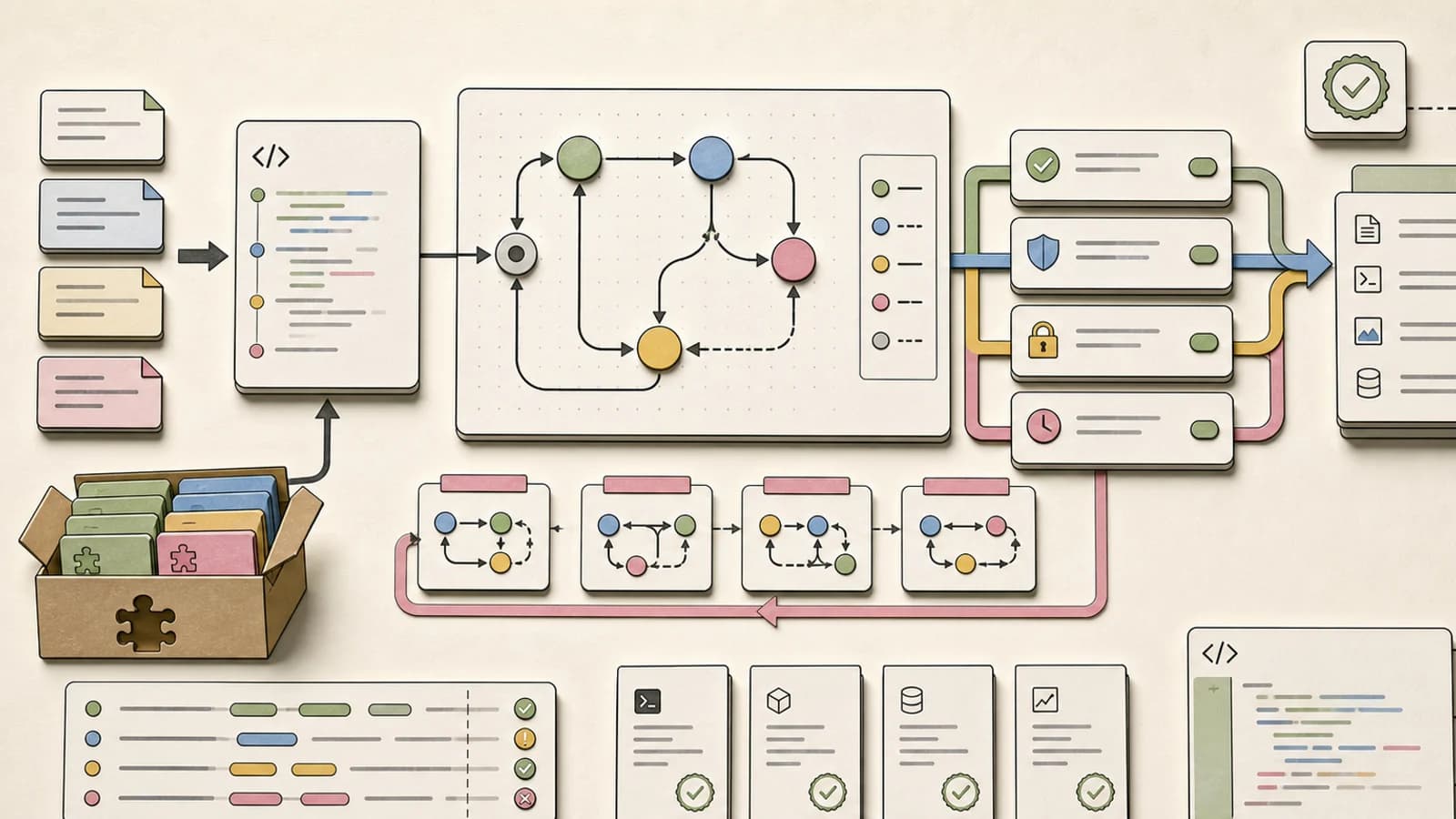
The LLM judge is leaving the agent loop: evidence gates, verifiable rewards and deploy-time certificates replace verdicts with structure. Here is our bet.

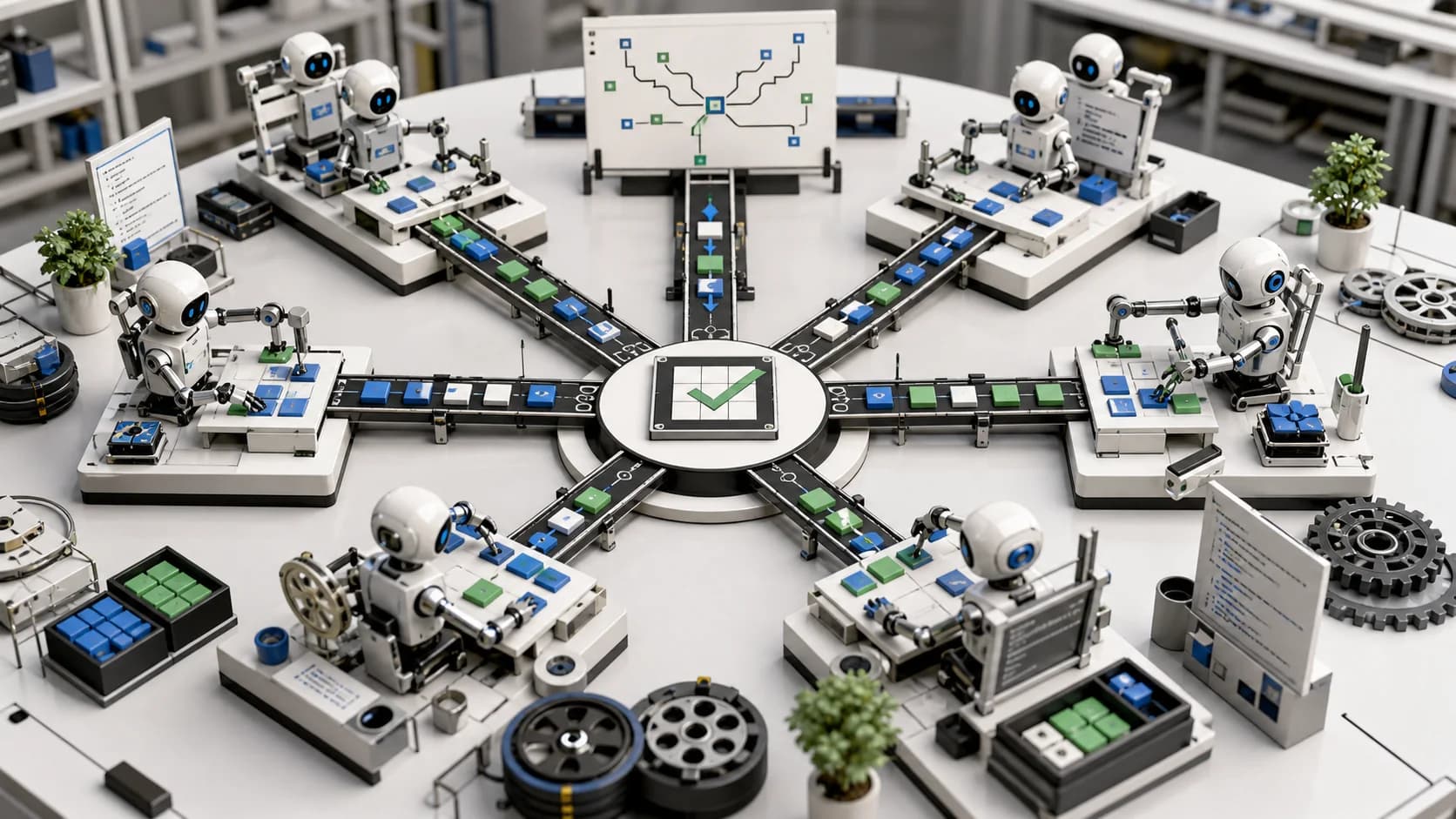
Steve Yegge's Gas Town thesis is less about one tool than a shift from one coding agent to a durable, supervised colony of workers.

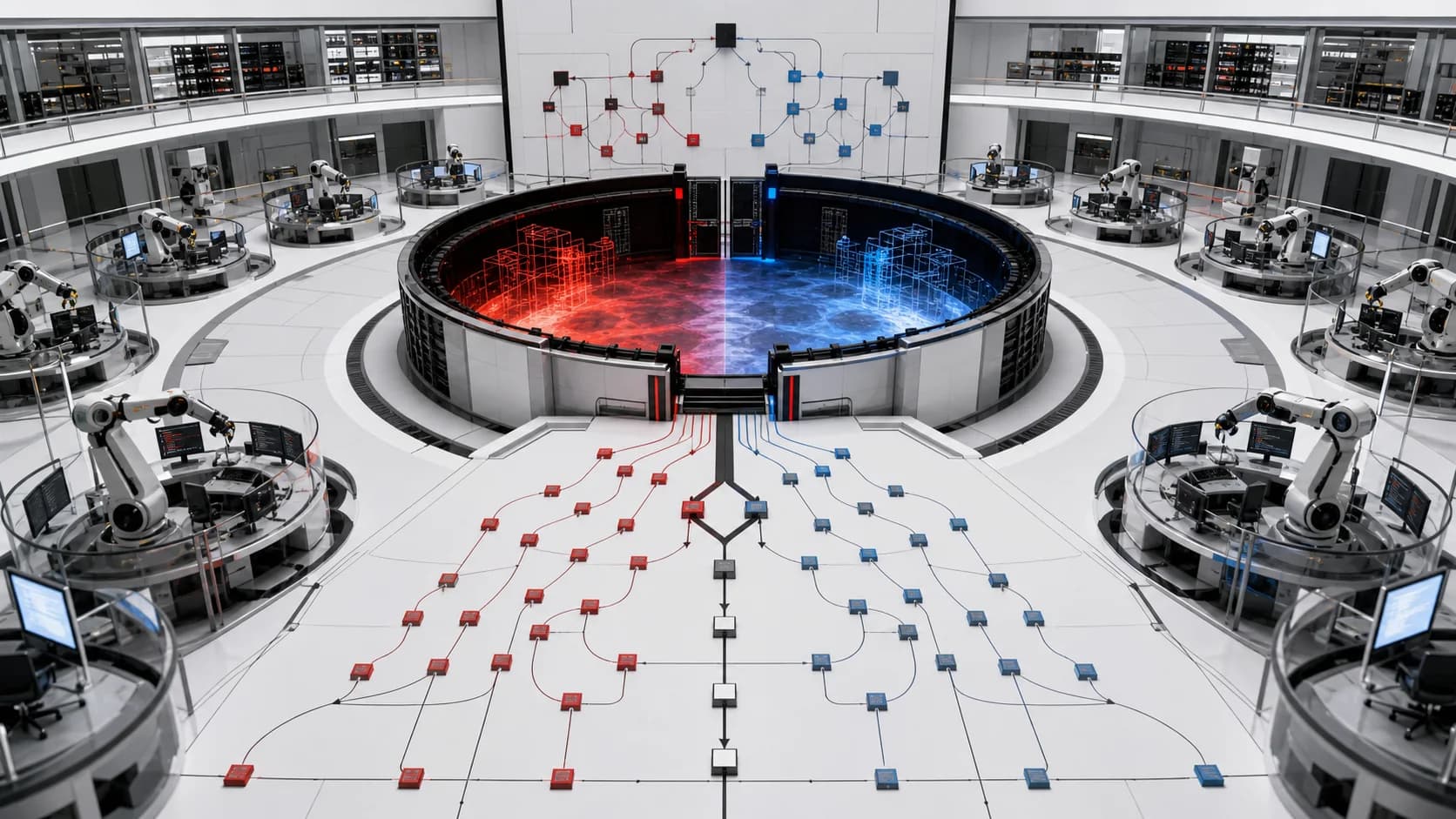
Steve Yegge's Continuous Thunderdome essay, explained: Beads work graphs, all-night agent loops, and the Land Rush that replaces CI/CD. What to copy first.

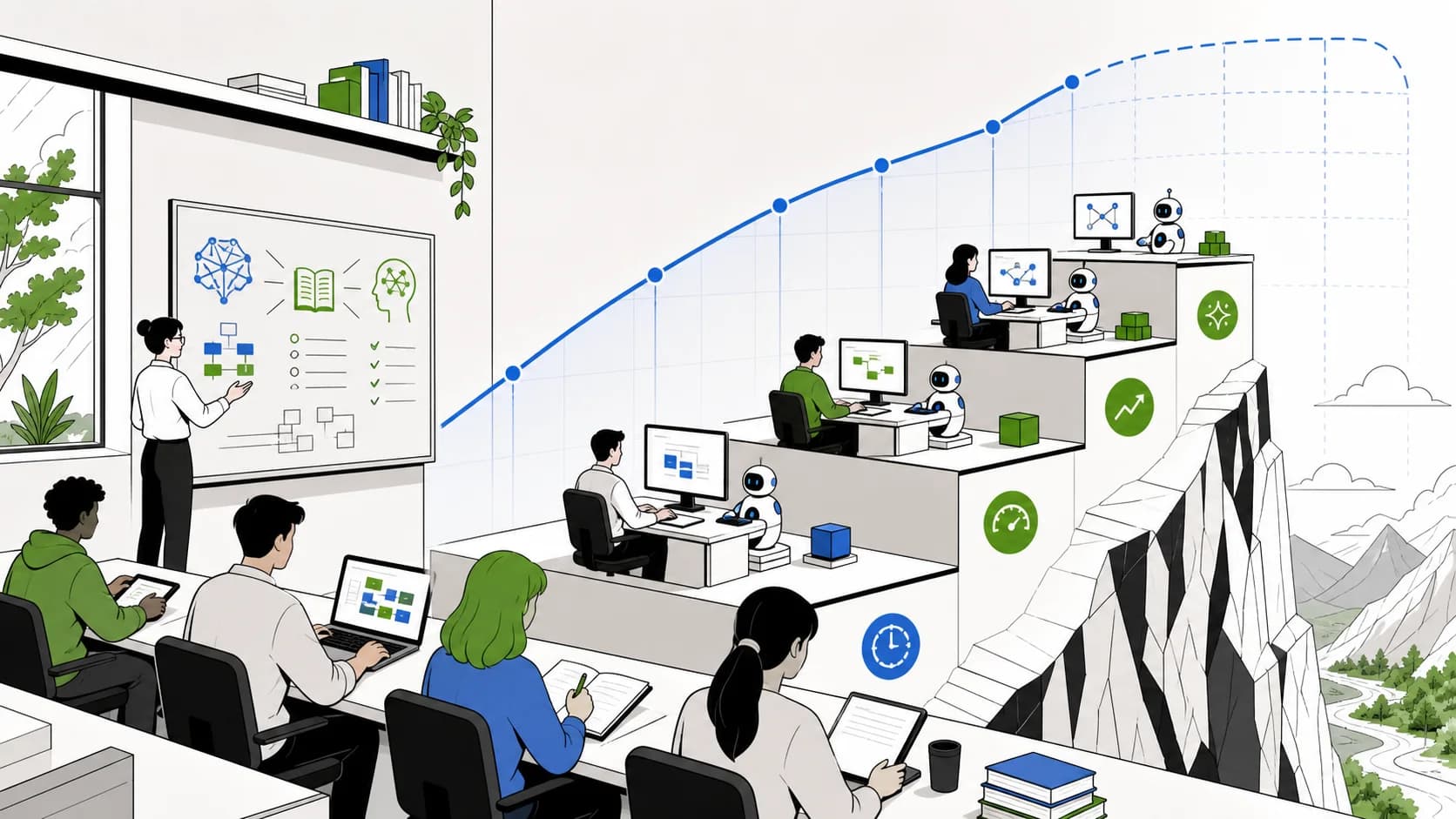
Steve Yegge's Flat Curve Society thesis turns the AI adoption question into an operating problem: teach people to use agents, then teach them to waste fewer tokens.

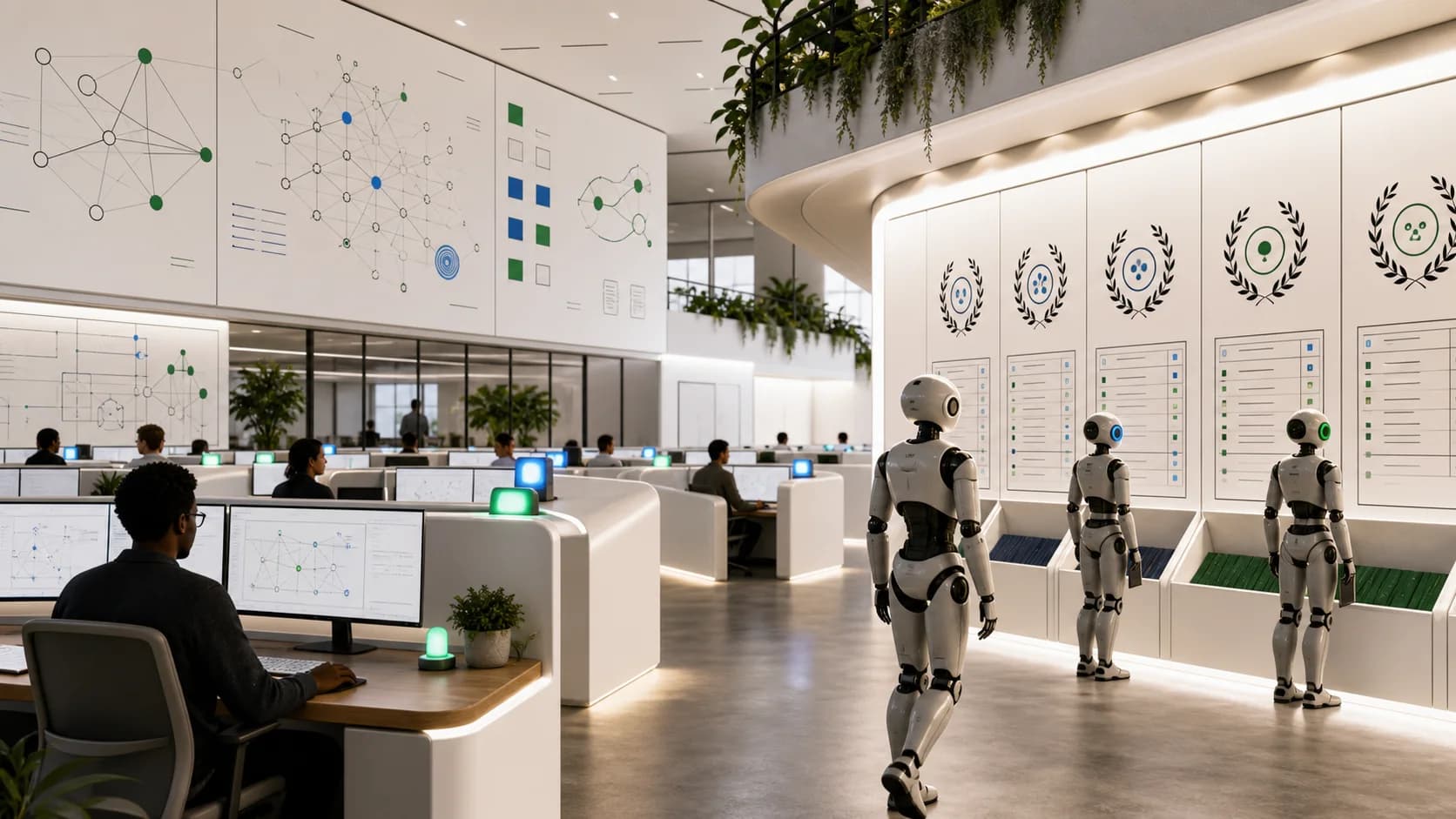
Steve Yegge's model-welfare essay as agent engineering: persistent seats over sessions, graceful handoffs, and user feedback that flows back to agents.
Showing 349-360 of 1190 articles
Deep dives on AI agents, coding tools, and building with LLMs - delivered weekly. No spam.
Free forever. Unsubscribe anytime.

New tutorials, open-source projects, and deep dives on coding agents - delivered weekly.