AWS Kiro Developer Guide: The Spec-Driven IDE That Replaced Amazon Q
TL;DR
AWS Kiro is the spec-driven agentic IDE replacing Amazon Q Developer. How it differs, how pricing compares, and the migration timeline before April 2027.
Official Sources#
| Resource | Link |
|---|---|
| Kiro Homepage | kiro.dev |
| Kiro Documentation | kiro.dev/docs |
| AWS Kiro Documentation | aws.amazon.com/documentation-overview/kiro |
| Amazon Q Developer End-of-Support Announcement | AWS DevOps Blog |
| Kiro GitHub | github.com/kirodotdev/Kiro |
| Amazon Bedrock | aws.amazon.com/bedrock |
AWS launched Kiro internationally on May 7, 2026 - not as a feature update to Amazon Q Developer, but as a ground-up replacement. If you are still using Q Developer IDE plugins or paid subscriptions, the end-of-support date is April 30, 2027. New signups stopped on May 15, 2026, and Opus 4.6 and later models are exclusive to Kiro as of May 29.
This guide covers what Kiro does differently, how spec-driven development changes the workflow, pricing compared to Claude Code and Cursor, and the migration timeline for existing Q Developer users.
Last updated: June 11, 2026
What Makes Kiro Different#
Kiro's central claim is that it brings engineering rigor to agentic development. Where most AI coding tools let you start from a prompt and iterate toward working code, Kiro requires structured specifications before any code generation can begin.
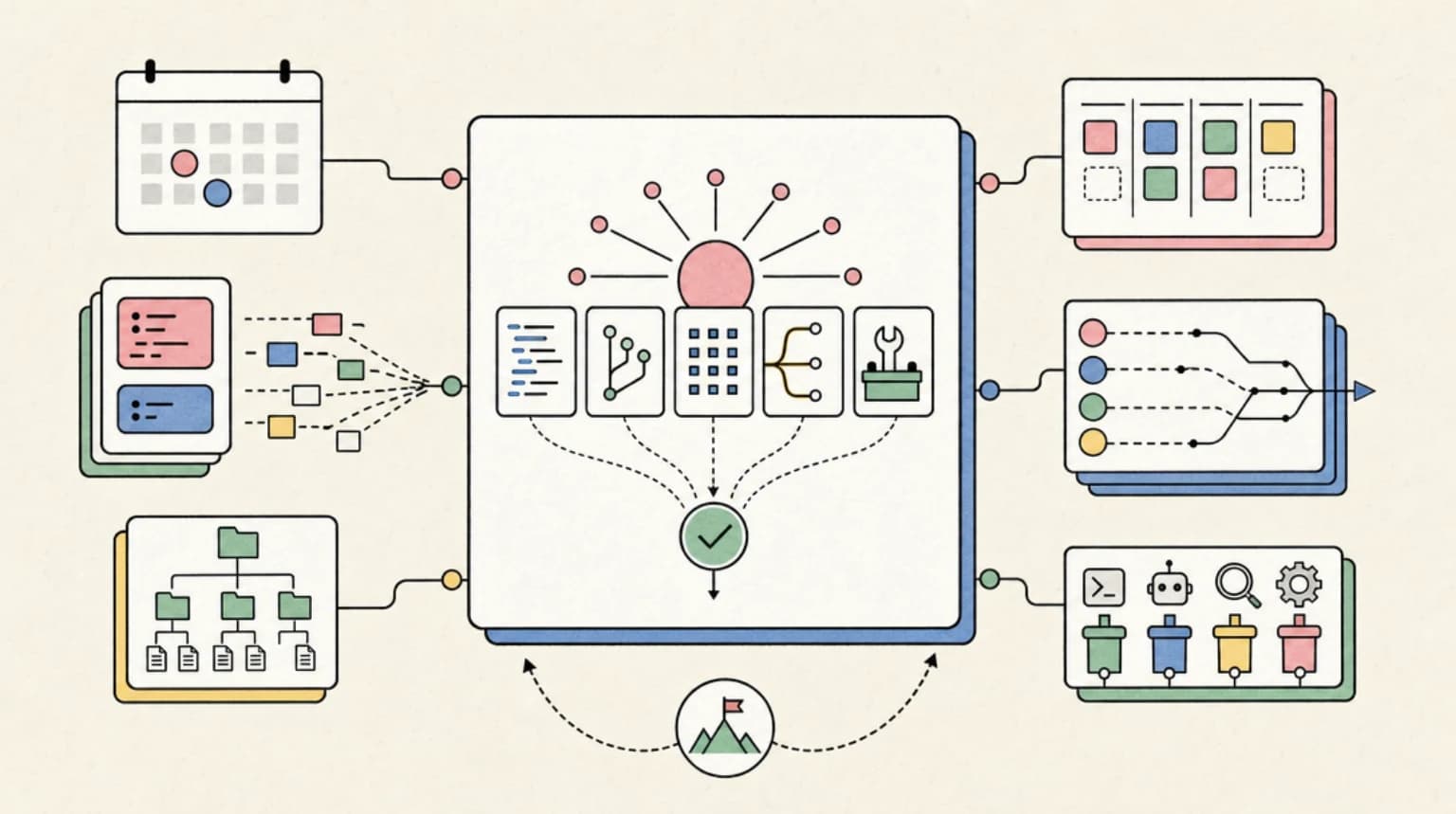
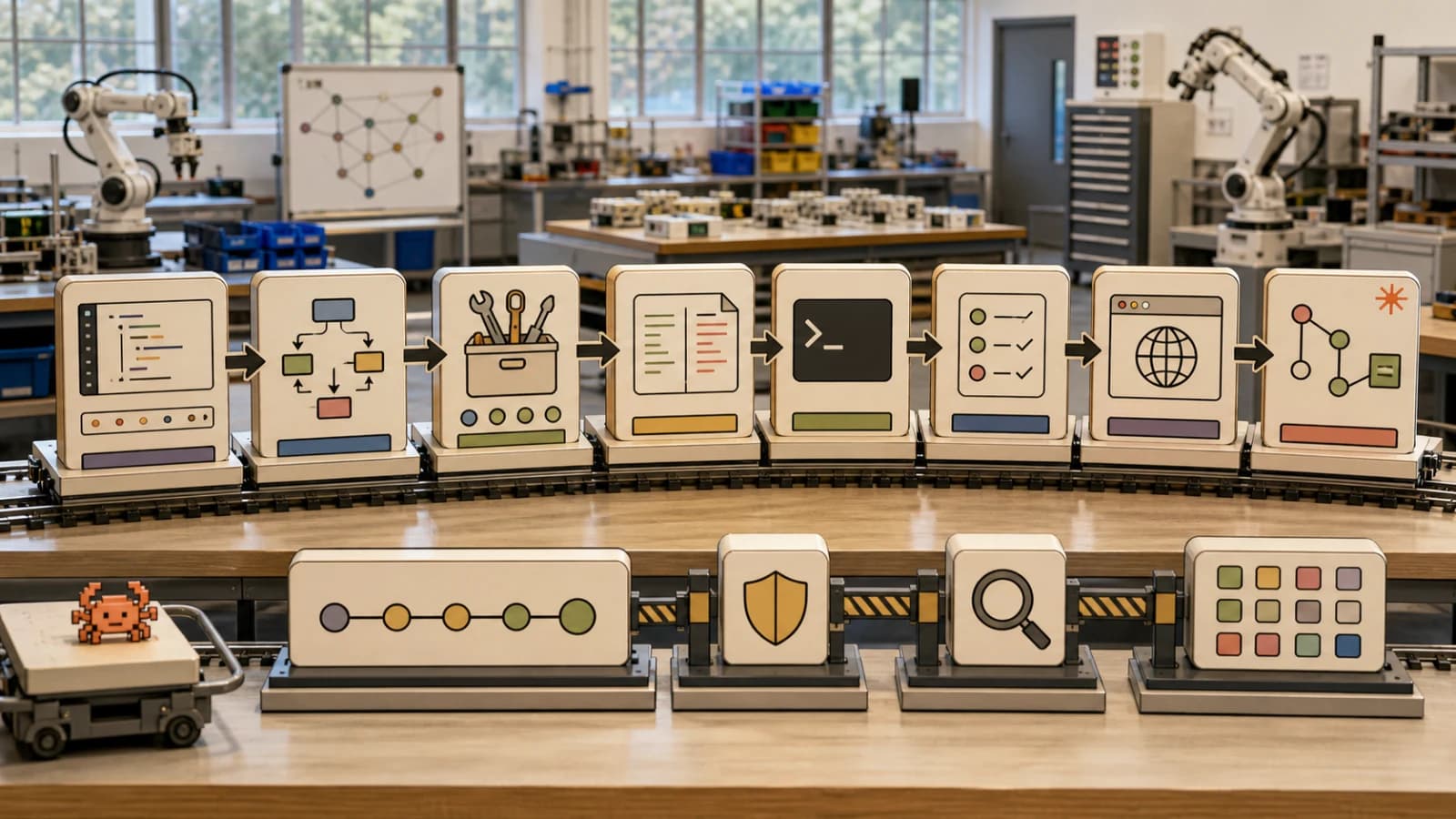
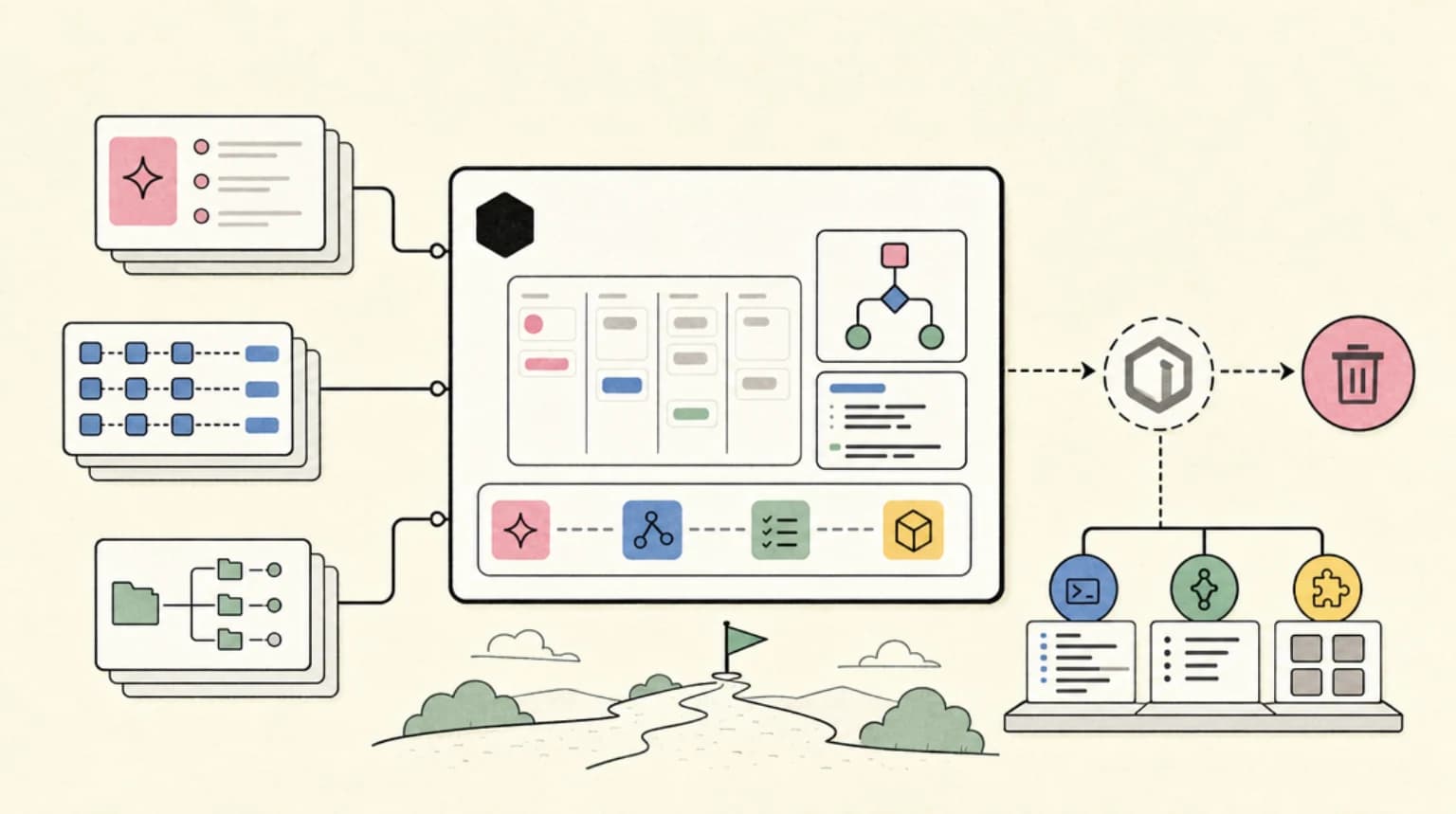
This is not a minor UI difference. The IDE makes it structurally difficult to skip that step. When you enter a prompt, Kiro transforms it into a formal requirements document using EARS notation (Easy Approach to Requirements Syntax), generates architectural designs matched to your codebase analysis, and creates implementation plans with sequenced, requirement-mapped tasks.
The practical effect: you cannot vibe-code your way through a Kiro session. Every feature has a paper trail. Every decision gets documented before code is written. For teams that need traceability, compliance, or simply want to understand what the AI decided and why, this matters.
For context on where spec-driven development fits in the broader agentic coding landscape, see What Is an AI Coding Agent? and the Best AI Coding Tools in June 2026.
Three Interfaces, One Context#
Kiro ships with three interfaces that share steering files and learnings:
IDE - A VS Code-compatible editor (settings, themes, and Open VSX plugins carry over) with an agent panel for multimodal chat, real-time code diffs, and approval workflows. This is where most development happens.
CLI - Cross-platform installation via curl -fsSL https://cli.kiro.dev/install | bash (macOS/Linux) or irm 'https://cli.kiro.dev/install.ps1' | iex (Windows). The CLI supports headless execution for CI/CD pipelines and scripted workflows.
Web - A browser-based interface with a feature the other two lack: autonomous mode. In the web interface, Kiro can execute multi-step tasks independently in cloud sandboxes that persist and coordinate with GitHub or GitLab.
The shared context is the key. Steering files - markdown documents that define project patterns, conventions, and constraints - transfer across all three interfaces. What you teach Kiro in the IDE applies when you run tasks from the CLI or hand off work to the web's autonomous mode.
Agent Hooks#
Kiro includes agent hooks - automated triggers that execute predefined agent actions when specific events occur. Instead of manually asking for routine tasks, hooks set up automated responses to file events.
Example use cases:
- Generate documentation when a new function is created
- Run unit tests when a file is saved
- Update type definitions when a schema file changes
- Lint code before commits
Hooks are defined in steering files and run in the background. This is Kiro's answer to the "agent babysitting" problem: common tasks happen automatically without prompting.
Supported Models#
Kiro is built on Amazon Bedrock and routes between multiple foundation models:
- Claude Sonnet 4.5 - Primary model on the free tier
- Claude Opus 4.8 - Recently added for Pro tiers
- Auto mode - Intelligently balances frontier models with caching for cost optimization
The model routing matters. Kiro uses Claude Sonnet for reasoning-heavy spec generation and Amazon Nova for high-throughput code generation, switching models based on task type. This is similar to how LLM routers work in custom agent stacks, but Kiro handles the routing automatically.
Notably, Opus 4.6 and later models are available exclusively on Kiro, not on Amazon Q Developer. The model cutoff date was May 29, 2026.
Pricing#
| Tier | Monthly Cost | Credits | Models | Overage |
|---|---|---|---|---|
| Free | $0 | 50 | Claude Sonnet 4.5 + open-weight | - |
| Pro | $20 | 1,000 | Premium models | Pay-per-use |
| Pro+ | $40 | 2,000 | Premium models | Pay-per-use |
| Pro Max | $100 | 5,000 | Premium models | Pay-per-use |
| Power | $200 | 10,000 | Premium models | Pay-per-use |
Prices verified June 11, 2026 on kiro.dev
The credit system means per-prompt visibility into what each task costs. Unlike flat-rate subscriptions where usage is opaque until you hit a limit, Kiro shows credit consumption as you work.
Compared to competitors: Claude Code Pro at $20/month includes similar Claude model access but without the spec-driven workflow or agent hooks. Cursor Pro at $20/month offers IDE-integrated agent mode with model switching. The $19/month entry point positions Kiro competitively for AWS shops.
For detailed cross-tool pricing, see AI Coding Tools Pricing: June 2026.
Language Support#
Python, Java, JavaScript, TypeScript, C#, Go, Rust, PHP, Ruby, Kotlin, C, C++, shell scripting, SQL, Scala, JSON, YAML, HCL.
The HCL support matters for AWS infrastructure teams - Terraform workflows are a first-class use case.
Amazon Q Developer Migration Timeline#
AWS published a clear end-of-support timeline:
| Date | What Changes |
|---|---|
| May 15, 2026 | New Q Developer signups blocked (existing subscriptions can add users) |
| May 29, 2026 | Opus 4.6+ exclusive to Kiro; Q Developer remains on Opus 4.5 |
| April 30, 2027 | Full end of support for Q Developer IDE plugins and paid subscriptions |
What is not affected: Q Developer in the AWS Management Console, Docs website, Console Mobile App, and Chat Apps (Slack, Teams) continues unchanged.
The 12-month migration window is generous, but the model cutoff date (May 29, 2026) is the practical deadline for teams that need access to the latest models.
When Kiro Fits#
Teams that need traceability. If your compliance or audit requirements demand documented decisions before code changes, Kiro's spec-driven approach produces that paper trail by default.
AWS shops standardizing on Bedrock. Kiro integrates with AWS authentication (Builder ID, IAM Identity Center) and billing. If you are already in the AWS ecosystem, the infrastructure story is cleaner than running Claude Code through a proxy.
Projects where specs exist but are ignored. Kiro makes specs executable. The requirements document is not separate from the implementation - it is the input that drives the implementation. For teams where specs drift from code, this is a structural fix.
Developers who want hooks and automation. If you find yourself repeating the same prompts after every file save, agent hooks automate that away.
When It Does Not Fit#
Solo developers who want fast iteration. The spec-driven workflow adds friction to quick experiments. If you are prototyping and do not need documented requirements, Claude Code or Cursor will feel faster.
Teams invested in MCP ecosystems. Kiro supports MCP, but the tooling depth around MCP is stronger in Claude Code. If your workflow depends heavily on third-party MCP servers, check compatibility first.
Non-AWS infrastructure. The Bedrock dependency means Kiro's backend runs on AWS. If you are multi-cloud or avoid AWS, the architecture is less appealing than provider-neutral options like OpenCode.
Getting Started#
Install the CLI:
# macOS / Linux
curl -fsSL https://cli.kiro.dev/install | bash

# Windows (PowerShell)
irm 'https://cli.kiro.dev/install.ps1' | iex
Authenticate with GitHub, Google, AWS Builder ID, or AWS IAM Identity Center. No AWS account is required for the free tier.
Download the desktop IDE from kiro.dev if you prefer the graphical interface over the CLI.
FAQ#
What is Kiro and why did AWS build it?#
Kiro is AWS's new agentic IDE built on spec-driven development. AWS built it as a ground-up replacement for Amazon Q Developer, not as an update. The core difference is that Kiro requires structured specifications before generating code - transforming prompts into formal requirements, architectural designs, and sequenced implementation plans. Amazon Q Developer support ends April 30, 2027.
How does spec-driven development differ from other AI coding tools?#
Most AI coding tools let you prompt and iterate freely. Kiro makes you define specifications first. Your prompt becomes a formal requirements document using EARS notation, then an architectural design, then an implementation plan. You cannot skip the spec step. The tradeoff is more upfront structure in exchange for documented decisions and better traceability.
What models does Kiro use?#
Kiro is built on Amazon Bedrock and routes between Claude Sonnet 4.5, Claude Opus 4.8, and Amazon Nova depending on task type. The free tier includes Claude Sonnet 4.5 and open-weight models. Opus 4.6 and later models are exclusive to Kiro - they are not available on Amazon Q Developer as of May 29, 2026.
How does Kiro pricing compare to Claude Code and Cursor?#
Kiro Pro starts at $20/month with 1,000 credits and per-prompt visibility. Claude Code Pro is $20/month with a usage cap. Cursor Pro is $20/month with usage-aware pricing. The credit model gives more transparency into per-task costs but introduces overage charges. Kiro's free tier (50 credits/month) is more limited than Cursor's free tier but includes Claude Sonnet 4.5.
What are agent hooks?#
Agent hooks are automated triggers that execute agent actions when specific events occur - like file saves, commits, or new file creation. Instead of manually prompting for documentation updates or unit tests, hooks run those tasks automatically in the background. Hooks are defined in steering files and transfer across Kiro's IDE, CLI, and web interfaces.
When should I migrate from Amazon Q Developer?#
New signups for Q Developer stopped May 15, 2026. Opus 4.6+ models became Kiro-exclusive May 29, 2026. Full end of support is April 30, 2027. If you need the latest models, the practical deadline was May 29. If you need feature parity, you have until April 2027, but the migration path is clearer the earlier you start.
Does Kiro support MCP?#
Yes, Kiro has native Model Context Protocol (MCP) integration for connecting to external data sources. The support includes remote MCP for APIs, databases, and documentation. However, the MCP ecosystem is more mature around Claude Code, so check whether specific MCP servers you depend on work with Kiro.
Is Kiro open source?#
The Kiro GitHub repository (github.com/kirodotdev/Kiro) is public, but Kiro is built on Amazon Bedrock, which is a managed AWS service. The IDE client is available for download; the backend runs on AWS infrastructure.
Continue Reading#
- AWS Billing Bug Shows Trillion-Dollar Estimates, Causes Developer Panic
- VS Code 1.128 Multi-Chat Claude Sessions Developer Guide 2026
- Cursor v3.11 Side Chats: Developer Guide for Parallel Agent Conversations - Side Chats for parallel agent conversations, Conversation Search, and Cloud Agent Hooks in Cursor's July 2026 release
Sources#
- AWS: Amazon Q Developer end-of-support announcement - April 30, 2026
- Kiro: kiro.dev - accessed June 11, 2026
- Kiro: Documentation - accessed June 11, 2026
- AWS: Kiro documentation overview - accessed June 11, 2026
Get the next deep dive like this in your inbox
One email a week on AWS and the rest of the AI dev stack. Free.
Read next on AI coding tools
Claude Code vs Codex vs Cursor vs OpenCode: Which Agent Ships More Code?
Four agents, same tasks: honest trade-offs between Claude Code, Codex CLI, Cursor Agent and OpenCode from a developer shipping production apps with all of them.
10 min readBest AI Coding Tools July 2026: Updated After Opus 5 and Fable 5 API-Only
Best AI coding tools for July 2026, re-ranked after Opus 5 launched at half Fable 5's price and Fable 5 went API-only - pricing, picks and stacks by profile.
10 min readAI Coding Tools Pricing Comparison 2026
AI coding tools pricing, verified Sep 28, 2026: Claude Code, Codex, Cursor, Copilot, Antigravity, Windsurf and more. Free tiers, pro plans and hidden costs.
12 min readNew here? Start with
Technical content at the intersection of AI and development. Building with AI agents, Claude Code, and modern dev tools - then showing you exactly how it works.