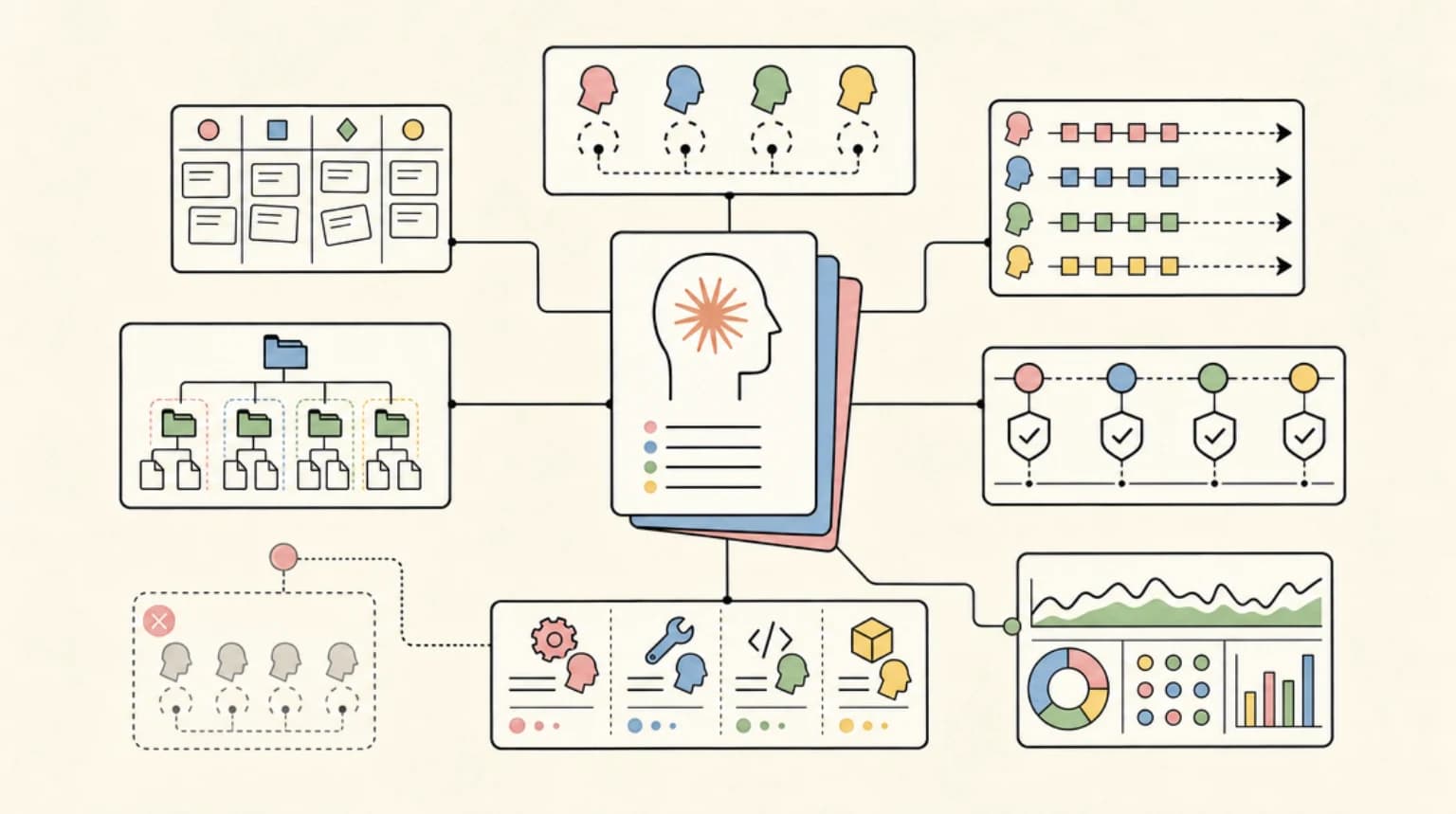
Claude Code Verification System: What Anthropic's Team Actually Does
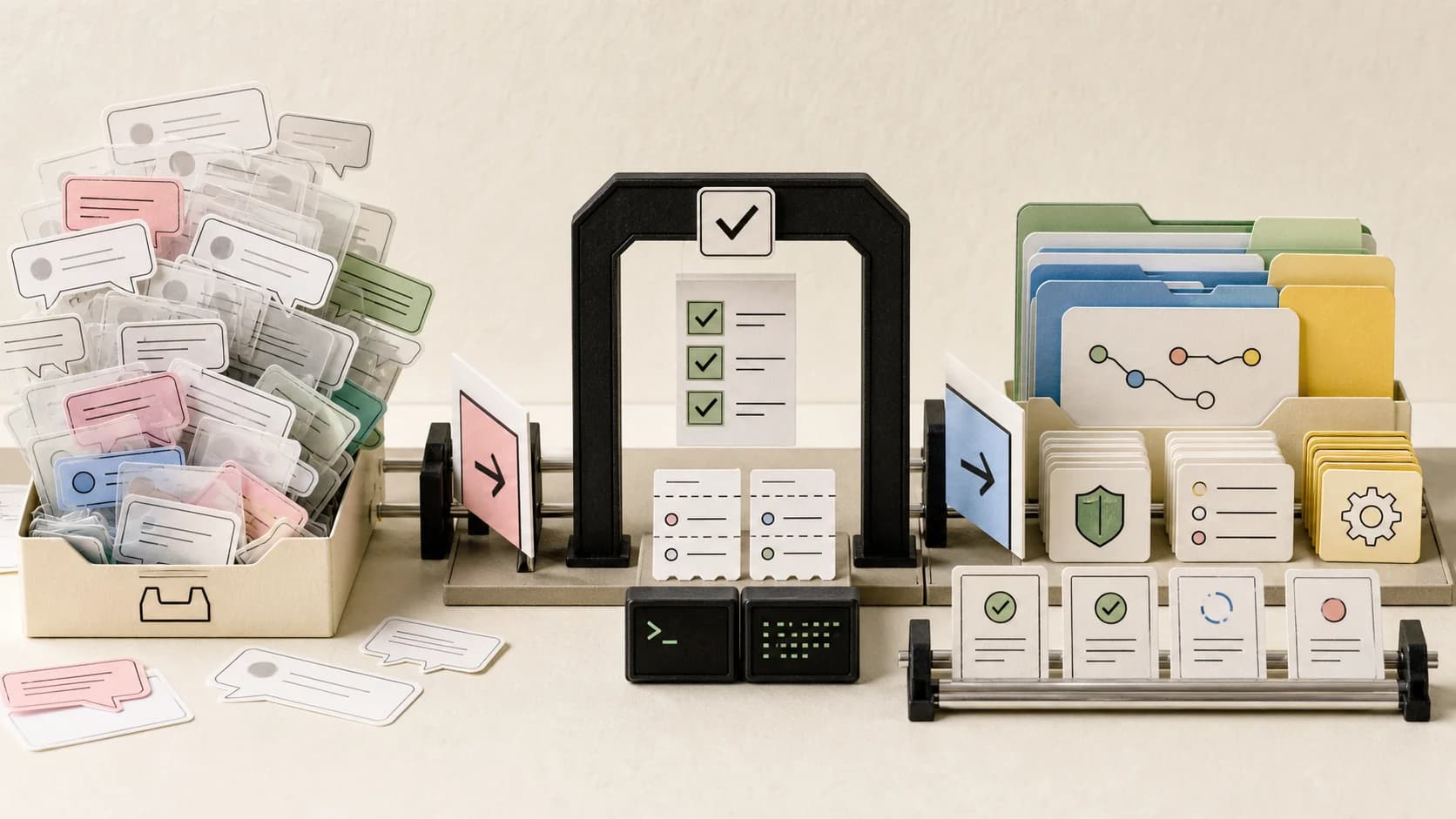
TL;DR
Anthropic says Claude writes and reviews about 90% of the Claude Code team's code. The interesting part is the verification layer - and which pieces you can copy Monday.
Last updated: November 23, 2026
On November 16, Anthropic published an engineering post by Addy Osmani titled How the Claude Code team thinks about verification. The headline number is that about 90% of the Claude Code team's code is written and reviewed by Claude. The useful part is the layer underneath: how the team checks that work without reading every diff. Searches for the "anthropic claude code verification system" jumped to Breakout in Google Trends this week, so people are clearly looking for the details. Here they are, with the parts you can copy.
What the primary source says#
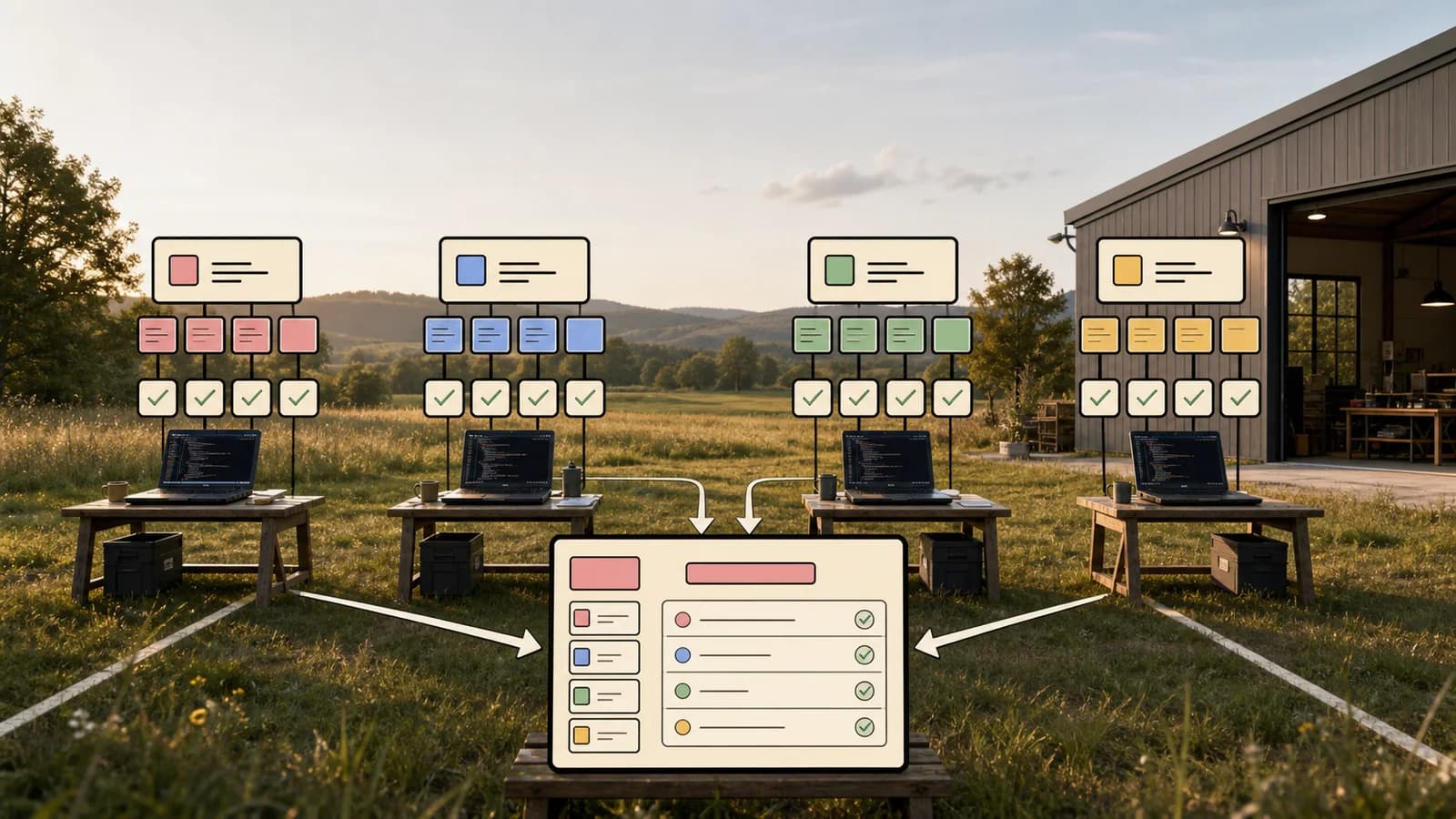
The post's core claim is that verification loops are what let you delegate more. In its words, without them "you can really only run one or two Claudes at a time" because you check everything yourself; with them you can run dozens or hundreds in parallel. Everything else follows from that.
Three test types worth the investment.
- End-to-end tests. The post's advice is blunt: if you can focus on one type, pick this one. A unit test might fail with "Timeout after 30s", while an end-to-end failure can come with a step trace, a screenshot and a description of which step broke. The post also notes you can pass unit tests and still break the feature, because both the agent and the test miss the full task.
- Property tests. You state something that should never fail and let a library such as fast-check, Hypothesis or proptest generate inputs to disprove it. The post lists round-trip encoding, invariants, idempotency and equivalence of optimized and naive code. The point is that generated edge cases do not share the agent's blind spots.
- Differential tests. Run the old and new system on the same inputs and diff the outputs. The post pitches these for large migrations and says to normalize irrelevant noise like whitespace and keep a list of approved differences.
Verification means running the change. The post says running the app end to end matters more than tests, and tells you to codify how to boot and drive it as a skill called verify in a .claude/skills/ folder, as close to the relevant code as you can. It adds that Claude knows to use the verify skill before committing changes.
Human attention is triggered by failure. Claude runs checks and tries to fix failures. If a check still fails after three rounds, it stops and brings in a person.
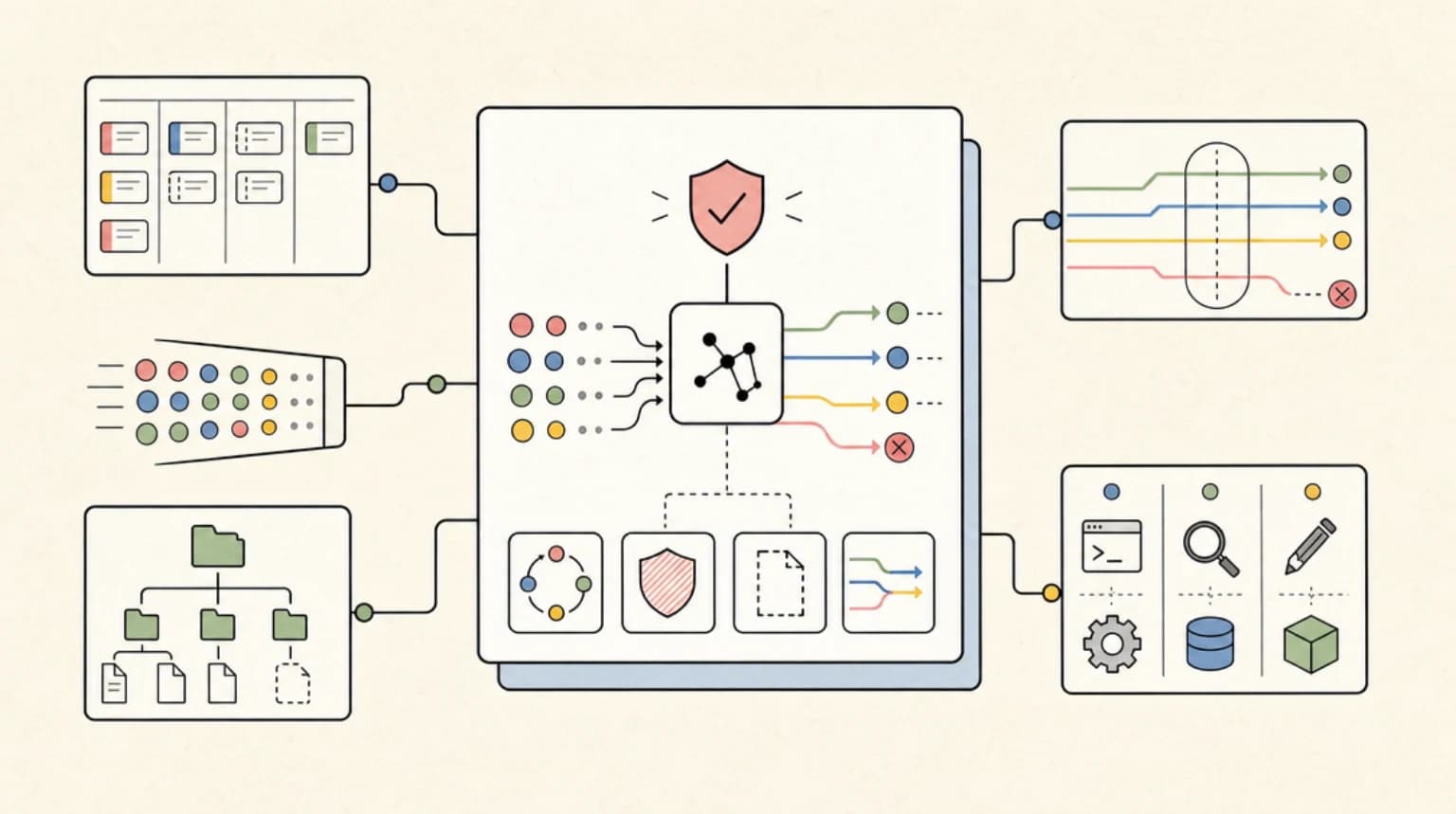
Reliability checks trigger on the diff. The team keeps a 39-item reliability checklist where each item has a trigger readable from a diff, a check, and the incidents behind it. Claude reads the diff and runs only the matching items, usually 3 to 10.
Changes cannot modify their own checks. This is the rule I would steal first. If a change can edit the check that judges it, the check is broken. The post says Code Review reads REVIEW.md from the base or default branch, never from the pull request.
New gates start in observe mode. The team stamps each commit with how it was verified, including "none", and runs a commit gate with off, observe and enforce modes. After two blocks in a session, the next commit is let through so Claude does not get stuck.
Misses become rules. Patterns must appear in at least two PRs and be identifiable from a diff, then three agents try to disprove them before a human approves. Flaky tests get a hard rule: Claude cannot skip them, add sleeps or retry until green; if it cannot find the root cause it deletes the test and writes down why.
One caveat on provenance: the 10-point grader improvement the post cites is Anthropic's internal testing on structured file generation, so treat it as vendor-reported and narrow.
The angle: evidence replaces diff reading#
The post's closing line is the real thesis: your job shifts from reading every diff to defining what "done" looks like and reviewing the evidence. That has a second-order effect on tooling. If review becomes "inspect screenshots, traces and check results", then the scarce asset is a trustworthy verifier, not a faster code generator. A team with a fast agent and a weak verify skill produces more unreviewed risk per hour; a team with a strong verify skill can safely run more agents.
Who wins: teams with deterministic, fast, repo-local checks (end-to-end flows, property tests on parsers and migrations). Who loses: teams whose "tests" are a slow, flaky CI suite that agents learn to rerun instead of fix - the post warns about exactly that failure mode.
This is the same shape as the loops we have covered before: loop engineering is about designing the cycle, and verification is the stop condition that makes the cycle trustworthy. It also sits next to Code Mode, which cuts the cost of tool chains but does nothing to prove the output is right.
What a builder does Monday#
- Write one
verifyskill. Put aSKILL.mdin.claude/skills/verify/that says exactly how to start the app and run your single most important user flow, and what output counts as pass. Keep it fast. See our agent skills production checklist for what a skill needs to be reliable. - Pin the rules to the base branch. Whatever file defines your review or check rules, make sure the pull request cannot edit the copy that judges it.
- Add one property test where bugs hide. Pick a serializer, parser or migration and assert a round trip or idempotency with fast-check, Hypothesis or proptest.
- Roll out any new gate in observe mode. Log what would have been blocked for a week before enforcing, as the post describes.
- Cap retries. Tell your agent to stop and escalate after three failed rounds on the same check instead of looping.
Where this breaks: the post describes a team with strong tooling and, as one Hacker News commenter put it, an approach that "assumes basically unlimited frontier model inference". Running stacked verifiers and multiple review rounds costs tokens. If you run many agents on one codebase, the merge side matters too - see parallel coding agents and merge discipline and managing a fleet of Claude agents.
What people are actually saying#
The Hacker News thread splits along predictable lines. One top-level reply fixates on the numbers: the quote about 90% of code being written and reviewed by Claude prompts a commenter to say they are "more interested in the remaining 10%", and replies speculate that the remainder is unattributed or unreviewed - a reading the post itself does not support, since it only says what share is written and reviewed by Claude. A second thread of skepticism is about cost: one commenter argues the approach presumes frontier-model budgets most teams do not have. That is a fair counter to the idea that everyone should copy this wholesale, and it is why the Monday list above is deliberately small.
On the other side, commenters in the same thread describe running large builds with agents that build, verify and deploy themselves, which is anecdotal and unverified but consistent with the post's claim that verification enables delegation. Trade press coverage, including The New Stack's write-up, mostly restates the post and highlights that engineers review the evidence, such as test results and screenshots, rather than every change.
My read: the contested part is not whether verification matters, it is who pays for it. The cheap pieces (a verify skill, base-branch rules, a three-strikes escalation) cost almost nothing. The expensive pieces (multi-agent bug finders, replayed incident evals) are where the HN skepticism lands.
FAQ#
What is the Claude Code verification system?#
It is the set of checks the Claude Code team uses so agents can prove their changes work before a human looks: end-to-end, property and differential tests, a repo-local verify skill, a diff-triggered reliability checklist, and review rules a change cannot modify.
Which test type should I invest in first?#
End-to-end. The post says to pick it if you only focus on one, because the feature either works or it does not and failures come with traces and screenshots.
When does Claude escalate to a human?#
Per the post, when a check still fails after three rounds of Claude trying to fix it.
How do I stop an agent from weakening its own checks?#
Keep gating rules on a branch the change cannot edit. Code Review reads REVIEW.md from the base branch, never from the pull request.
Continue Reading#
- Claude Ship: PR Steward and Claude Approvals - Anthropic's new review, fix and approve agents for GitHub PRs
- Claude Code Code Mode - the experimental switch that batches tool calls into one script
- Loop engineering: designing agent loops - the cycle that verification terminates
- Agent skills production checklist - what a reliable skill needs
- Parallel coding agents and merge discipline - running many agents on one repo
- Managing a fleet of Claude agents - the operations side of delegating at scale
- Agent evals need baseline receipts - grading your verifiers
- Claude Code tool page - what the CLI does, pricing and setup links
- Claude Code Mastery course - install, core workflows and CLAUDE.md, start to finish
Sources#
- How the Claude Code team thinks about verification - Anthropic engineering post by Addy Osmani, November 16, 2026; read in full
- Anthropic says Claude writes and reviews 90% of its team's code - The New Stack coverage
- Hacker News discussion - community thread
- Code Review customization docs - REVIEW.md behaviour linked from the primary post
Get the next deep dive like this in your inbox
One email a week on Claude Code and the rest of the AI dev stack. Free.
Read next on Claude Code
Claude Code Code Mode: How to Turn It On and What It Changes
Claude Code Code Mode lets Claude write JavaScript that makes several tool calls in one step. Turn it on with CLAUDE_CODE_EXPERIMENTAL_CODE_MODE=1 on v2.1.323+.
8 min readLoop Engineering: How to Design Agent Loops That Actually Converge
Loop engineering patterns: plan/act/verify cycles, convergence criteria, retries, budget-bounded loops, and loop-until-dry, so agents stop when they should.
11 min readAgent Skills Need Exit Criteria, Not More Prompt Lore
Agent skills work when they carry exit criteria. What Addy Osmani's agent-skills repo gets right about turning AI coding advice into engineering checklists.
7 min readTechnical content at the intersection of AI and development. Building with AI agents, Claude Code, and modern dev tools - then showing you exactly how it works.