Claude Ship: How PR Steward and Claude Approvals Change Code Review

TL;DR
Anthropic's Claude Ship adds PR Steward and Claude Approvals to Code Review. What each agent does, the approvals.yml policy, billing, and a safe rollout order.
Last updated: November 27, 2026
On November 23 Anthropic launched Claude Ship, and searches for "anthropic claude ship code review" went to Breakout in Google Trends this week. The pitch is simple: the PR is where agent-written code now waits, so put agents on the waiting. The interesting part is not the review. It is the approval policy file, because that is where a team decides how much a human still has to do.
What the primary source says#
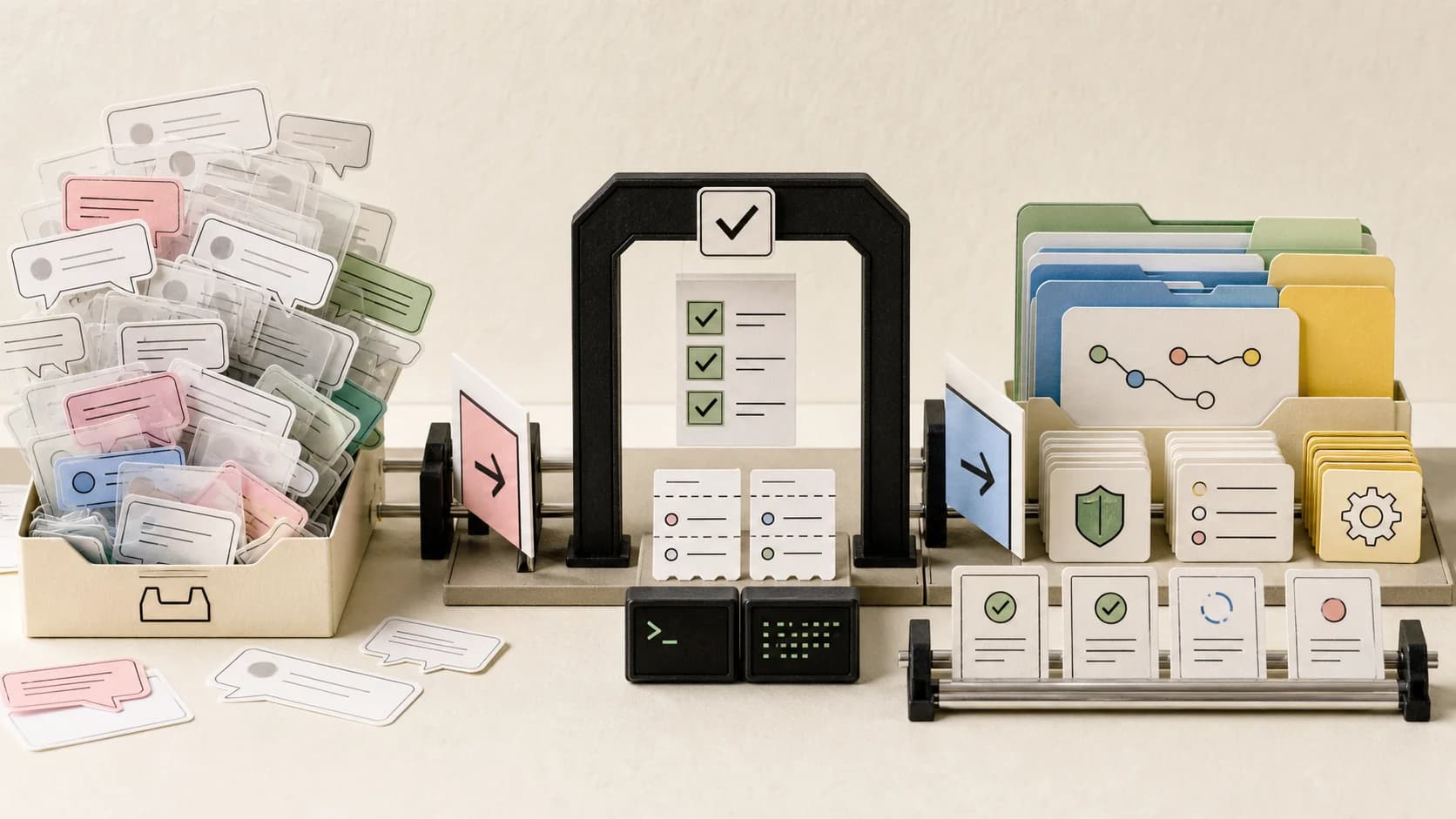
Claude Ship is three agents, per Anthropic's announcement and docs:
- Code Review (generally available) reads a change against the surrounding code and posts severity-ranked inline findings. Anthropic says it collects findings, adversarially verifies them and offers Quick, Standard or Deep levels per repository. We covered those in Claude Code Review levels.
- PR Steward (beta) works on failing CI checks, merge conflicts and review comments from people and review bots. After every push it comments with what it changed and how to undo it. You steer it with
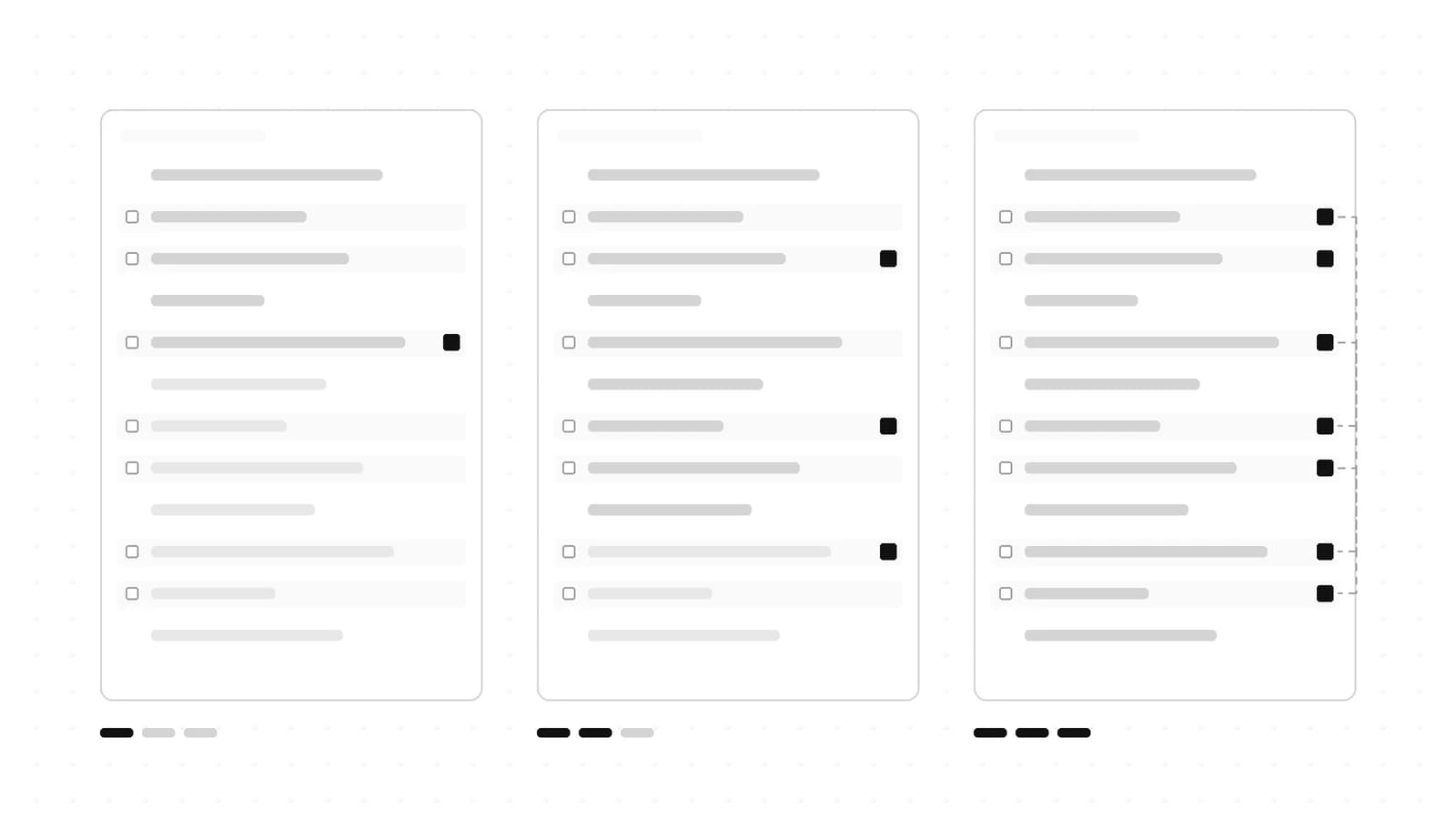
@claude, or stop it with@claude stop. The docs say it is designed not to approve or merge. - Claude Approvals (beta) applies a policy you write as a file in the repository. Anthropic describes it as working like a smarter CODEOWNERS file: Claude can approve routine changes if the policy allows, or require more human sign-off for specific paths.
For developers there is also a /ship command in Claude Code. Per the announcement, Claude pushes the change, opens the PR, reviews it and works on feedback and failing checks. What can merge depends on your permissions and the repo's branch rules.
One vendor-reported number: on the Claude Code team, Anthropic says merged PRs more than doubled from June to September while the share reverted fell by more than 40%, with Claude's review as one layer of a broader process. That is Anthropic describing its own team, not an independent measurement.
The part worth reading: approvals.yml#
The policy lives at .claude/approvals.yml on the default branch. This example is from Anthropic's policy reference:
# .claude/approvals.yml
version: 1
mode: observe
rules:
  - purpose: "A change takes two people. When Claude's review passes, one is enough and Claude approves."
    paths: ["**"]
    verdict: { claude: comments, seats: 2 }
    override:
      - { if: "claude/code_review = pass", verdict: { claude: approves, seats: 1 } }
  - purpose: "A change to the review rules takes two people."
    paths: ["**/.claude/**"]
    nested: inherit
    verdict: { claude: comments, seats: 2 }
Three details matter more than the syntax:
- Start in
mode: observe. The default mode isenforce, so this line is what keeps the policy advisory. The check reports what the policy would decide without blocking. Anthropic recommends starting there before making the check required in branch protection. - Rules combine strictly. A file under
.claude/matches both rules above, and the docs say Approvals takes the strictest verdict that applies. The second rule means any edit to the review rules needs two people. The docs also say Approvals reads policy files from the default branch, the same base-branch principle behind the Claude Code team's verification system. - The docs flag a sharp edge. If you use GitHub auto-merge or a merge queue with a policy that requires no person's approval, a change can merge without anyone acting. Decide that on purpose, not by default.
Also note a side effect for existing Code Review users: once an approvals policy file is on the default branch, automatic reviews normally stop on paths where no rule names claude/code_review. Add it as advisory to keep them.
What a builder does Monday#
Anthropic's docs give a rollout order, one agent at a time in one repository, under Organization settings > Claude Ship (Owner role needed):
- Turn on Code Review for one repo and pick a level.
- Turn on PR Steward with the start setting on Manual (@claude steward). The docs note it has no spend limit until you set one - set one.
- Add an approvals policy in
mode: observeand watch the check for a couple of weeks before requiring it.
Before you do, price it. Each agent bills on tokens through usage credits, and the docs say observe mode is billed, and a policy that asks for Claude's review triggers a billed Code Review. Turning usage credits off does not stop an enabled agent; follow the documented turn-off order, Approvals first. Claude Ship is not available to organizations with Zero Data Retention, the HIPAA configuration or customer-managed encryption keys.
If your bottleneck is humans waiting on reviews rather than review quality, this is aimed at you; our take on that queue is in the AI code review bottleneck. If you run many agents against one repo, pair it with merge discipline. For the governance angle on a competing product, see agent PR governance with GitHub Copilot review.
Who wins and loses#
Winners: teams with strong CI and a written review culture, because a policy file only automates rules you already have. Smaller reviewers-by-hand teams gain a first pass. Losers: anyone hoping to skip the policy thinking. An approvals file you cannot explain is a liability, and Anthropic's own caveat that Claude Ship "uses AI and may miss bugs, security vulnerabilities, or other issues" applies to the approving step too. Third-party review tools now compete with a vendor that owns both the agent writing the code and the agent approving it.
What people are actually saying#
The launch thread on r/ClaudeCode is mostly a summary of the three agents and the /ship command. The sharper discussion is a thread titled "Claude Ship reviews one repo at a time", where a poster whose product spans three GitHub repos asks how poly-repo teams handle PRs that cross repositories. That matches the setup model in the docs, where every agent is enabled per repository. I could only read the thread excerpts, not the replies, so treat this as the question being raised, not a settled answer.
There is a counter-case in the first-hand tests too. One hands-on write-up on Medium is titled "I Just Tested Claude Code Ship - Don't Trust the Hype", and the framing is the right default: run it in observe mode and judge it on your own PRs.
FAQ#
What is Claude Ship?#
Anthropic's bundle of three GitHub PR agents: Code Review (generally available), PR Steward and Claude Approvals (beta), on Team and Enterprise plans.
Can Claude Ship merge my pull requests on its own?#
PR Steward is designed not to approve or merge. Approvals can post an approving review only if your policy allows, and branch rules still decide what merges.
How do I try it on one PR?#
Update Claude Code and run /ship. It counts as regular Claude Code usage.
What does it cost?#
Token-based, billed through usage credits, including observe mode. Eligible Enterprise orgs can claim promotional credits until January 15, 2027, per Anthropic.
Continue Reading#
- Claude Code Review levels - Quick, Standard and Deep, and how to budget them
- The AI code review bottleneck - why reviews, not writing, became the queue
- Agent PR governance with GitHub Copilot review - the same problem on the other platform
- Parallel coding agents and merge discipline - running many agents on one repo
- Claude Code verification system - evidence over diffs
- Claude Code tool page - what the CLI does and how to set it up
Sources#
- Introducing Claude Ship - Anthropic, November 23, 2026; read in full
- Claude Ship docs - setup order, billing, limits; read in full
- Approvals policy reference -
.claude/approvals.ymlkeys and example; read - r/ClaudeCode launch thread - community summary (excerpt read)
- r/ClaudeCode poly-repo thread - community question (excerpt read)
Get the next deep dive like this in your inbox
One email a week on Claude Code and the rest of the AI dev stack. Free.
Read next on Claude Code
Claude Code Review Levels: Quick, Standard and Deep Explained
Claude Code Review now has three review levels. How Quick, Standard and Deep trade depth for cost, how to set them per repo, and how to budget before rollout.
7 min readAgent PR Governance: The New Rules for Copilot Reviews
Agent PR governance for Copilot code review: a five-layer policy stack for agent-authored pull requests, from agent validation and review depth to attribution.
8 min readAI Code Review Is the New Bottleneck
AI code review is the new bottleneck as coding agents outpace reviewers. Build review systems around reproduction, small diffs, tests and receipts.
8 min readTechnical content at the intersection of AI and development. Building with AI agents, Claude Code, and modern dev tools - then showing you exactly how it works.