Codex Training Setting Re-Enabled? Two Switches to Check

TL;DR
Developers report Codex model training turning itself back on. What OpenAI documents, the second "Include environments" switch most people miss, and a five-minute check.
If you search "codex training data" today, the honest answer is more annoying than a yes or no: there are two separate switches, one of them lives somewhere most people never look, and a Hacker News thread with more than 450 points says the main one keeps turning itself back on. Here is what OpenAI documents, what developers are reporting, and a five-minute check you can run before the next Codex session.
What OpenAI documents#
OpenAI's help article on how your data is used to improve model performance says that for individual plans (Free, Plus, Pro) it may use your content to train its models, and that you opt out by turning off Improve the model for everyone under Settings > Data controls, or by choosing Do not train on my content in the Privacy Portal. It says either option is sufficient for ChatGPT conversations and Codex tasks.
Then comes the part that matters for coding agents. The same page says Codex has a separate Include environments setting in Codex settings for allowing training on full environments, and that changing your ChatGPT or Privacy Portal settings does not change it. The data controls article repeats that. In practice: you can have done the "right" thing in ChatGPT and still have a second control governing your repo environments.
Two more documented details:
- Feedback overrides the opt-out on personal plans. If you click thumbs up or down, the entire conversation tied to that feedback may be used for training even though you opted out.
- Business, Enterprise, Edu and API usage is not used to improve models by default, per the same help articles. The risk described below is a personal-plan risk.
What developers are reporting#
On November 3 an Ask HN post (title: "OpenAI seems to be silently re-enabling model training on Codex chats") described a team that had deliberately disabled data sharing across Codex and Claude Code, then found the setting switched back on for several coworkers. The author is careful to say this could be an isolated issue. It links an earlier Tell HN from September where another user reported resetting the toggle more than once and finding it re-enabled.
Read this as a signal, not a finding:
- Nobody in either thread has an OpenAI statement, a changelog entry or a reproducible trigger. Commenters in the newer thread push back that no one else they know saw it, and ask how the original poster can be sure the toggle was off in the first place. Another points out the poster said "seems", which is fair.
- Some replies bring up similar past behavior at other vendors (one describes a provider changing from opt-in to opt-out and resetting team sliders, then reversing the org-wide control two days later). That is anecdote about a different company.
- The practical consensus is the cheap one: whatever the cause, a setting you rely on for IP protection is worth verifying on a schedule instead of trusting once.
The five-minute check#
- Open ChatGPT Settings > Data controls and confirm Improve the model for everyone is off.
- Open the Codex cloud settings page and confirm Include environments is off. This is the one that is easy to miss.
- If you want a second route, the Privacy Portal's "Do not train on my content" is documented as equivalent for the main toggle.
- Stop using thumbs up or down on sessions that touched private code. That feedback path is documented as an exception to your opt-out.
- Put a recurring reminder on the calendar. If your threat model is serious, screenshot the settings with a date when you check, because after-the-fact proof is the thing several commenters say they lacked.
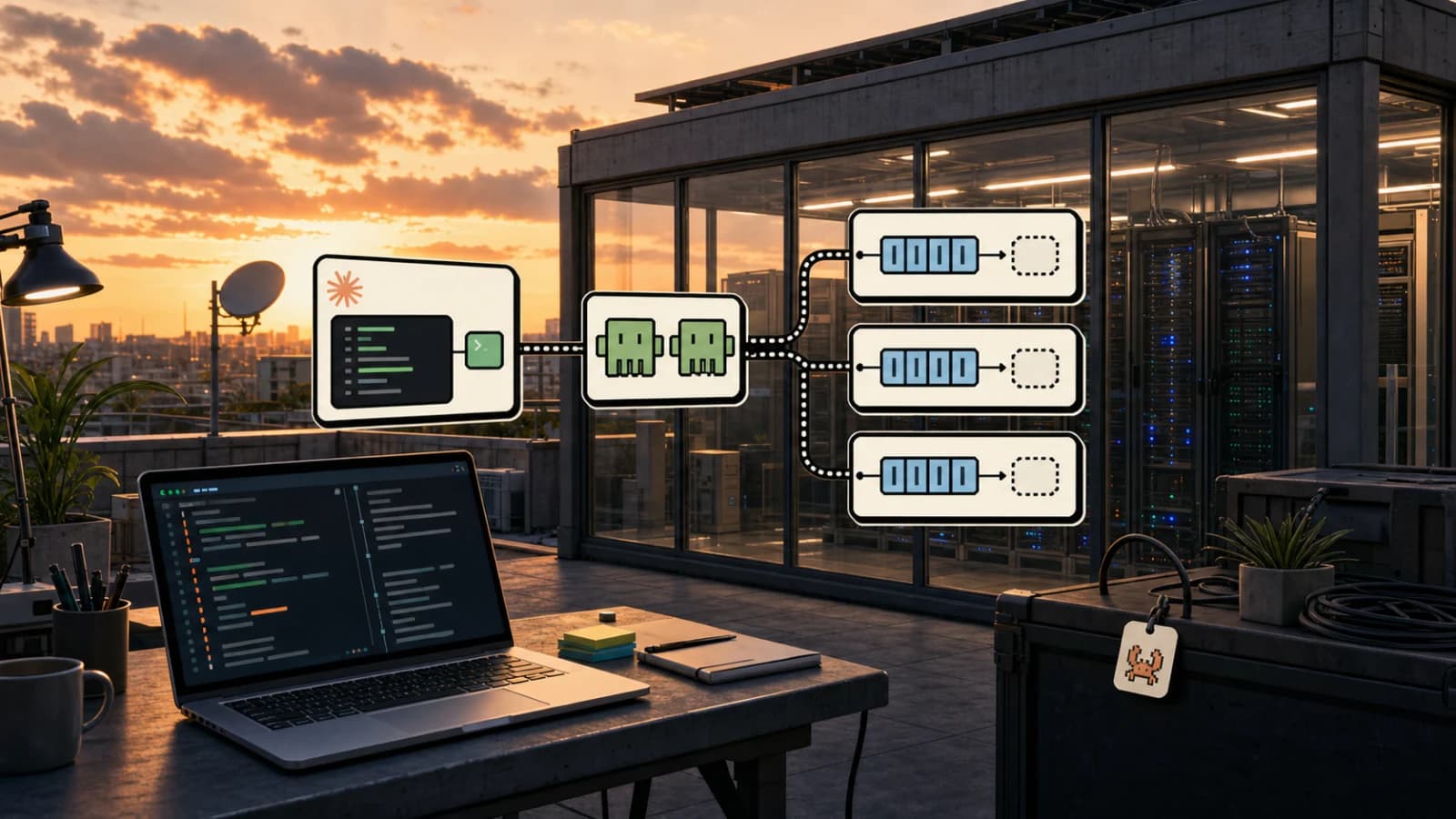
If your company code is the concern, the cleaner fix is structural, not a toggle: use a managed Business or Enterprise workspace or the API, where OpenAI says training is off by default. Our Codex cloud environments guide covers what a Codex environment actually contains, which is the content "Include environments" refers to.
Is Claude Code any different?#
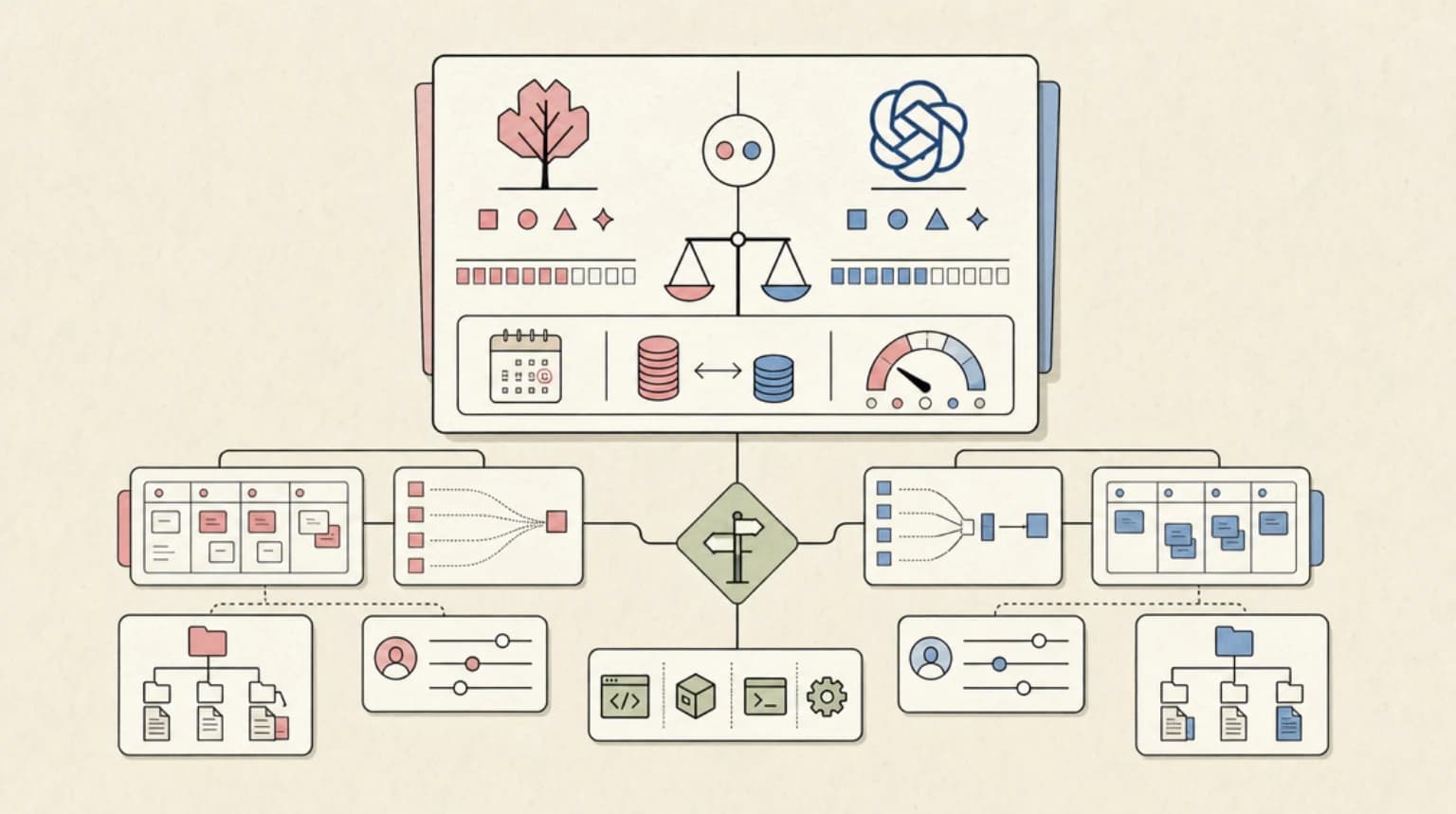
Only partly verified, so stay narrow. Anthropic's Development Partner Program article says Anthropic does not train on data from its commercial products (Claude Enterprise, Claude API and similar) by default, and that organizations can voluntarily opt in to share Claude Code input and output tokens for training, with data stored for up to two years and the choice applying to every member. That is an opt-in with an org-wide admin control, which is a different shape from a per-user toggle. This post did not verify the settings for individual consumer Claude plans, so check Anthropic's current consumer terms yourself. For a wider tool comparison see Claude Code vs Codex, and for the retention side of Anthropic's newest model see Fable 5 data retention for enterprise.
What a builder does Monday#
- Treat agent privacy settings like any other config: audited, not assumed.
- Separate personal and work usage. A personal Plus or Pro account pointed at a client repo is the exact case where the default is "may train".
- For regulated or contract-restricted code, route through API or managed-workspace access and write down which setting you depend on.
- Keep secrets out of prompts and environment files regardless of any toggle. A setting cannot un-send something.
The wider context is that Codex adoption keeps growing (see our Codex developer guide), so more private code is flowing through personal accounts than a year ago. The toggle story may turn out to be a bug, a migration or user error. The two-switch design is documented either way.
Continue Reading#
- Codex Cloud Reusable Environments - what lives in an environment
- Claude Code vs Codex App - how the two agents compare in daily use
- Fable 5 Data Retention for Enterprise - Anthropic's retention story
- Codex Developer Guide - setup and usage at scale
- Client-Side Tool Calling Privacy Pattern - keeping data local by design
Sources#
- OpenAI Help - How your data is used to improve model performance
- OpenAI Help - Data controls in ChatGPT
- Ask HN - OpenAI seems to be silently re-enabling model training on Codex chats
- Tell HN - OpenAI keeps re-enabling the 'allow training' setting
- Claude Help Center - About the Development Partner Program
Get the next deep dive like this in your inbox
One email a week on Codex and the rest of the AI dev stack. Free.
Read next on AI coding tools
How to Use Codex Cloud Reusable Environments (2026 Guide)
Codex Cloud reusable environments: publish once, then start isolated tasks from web, desktop or mobile. Setup, secrets, CLI, limits and 8-16 GiB VMs.
13 min readClaude Code vs Codex App in 2026: Local Agent Pairing vs Cloud Agent Orchestration
Claude Code vs Codex app: a local agent loop against cloud agent orchestration. Compare execution model, security controls, pricing and when each tool wins.
11 min readFable 5 Broke Enterprise ZDR Agreements: What Dev Teams Must Do Now
Claude Fable 5 mandates 30-day data retention on every platform, overriding Zero Data Retention contracts. What compliance teams should audit before deploying.
8 min readNew here? Start with
Technical content at the intersection of AI and development. Building with AI agents, Claude Code, and modern dev tools - then showing you exactly how it works.