Your Stack Has a Single Point of Failure: What Fable 5 Getting Yanked Means for Builders
TL;DR
Model dependency risk after Fable 5 was pulled overnight. A playbook for one-model stacks - abstract the model layer, test fallbacks, keep an open-weight floor.
Last updated: June 12, 2026
The New Failure Mode#
On June 12, every team building on Fable 5 learned their dependency could be switched off by a government letter with zero notice. Not deprecated with a 6-month sunset. Not price-hiked. Gone, same day.
Treat this as a fire drill that actually happened. Model availability is now an operational risk category alongside region outages and API deprecations, except worse: you cannot architect around it with multi-AZ. The mitigation is multi-model.
What Actually Breaks When a Model Vanishes#
Teams that lived through today hit these in order:
- Pinned model IDs fail. Anything hardcoded to
claude-fable-5errors out, or worse, silently reroutes. Several reports suggest requests were quietly served by a different model while the UI still said Fable. If your evals do not verify which model answered, you will not notice the swap until output quality tells you. - Prompts tuned to one model degrade on another. Fable-tuned agentic prompts behave differently on Opus 4.8. Long-horizon task persistence was the visible difference between the tiers; agents built around it regress hardest.
- Compliance assumptions break. Fable required 30-day data retention. Teams that negotiated around that policy now have contracts referencing a model that does not exist.
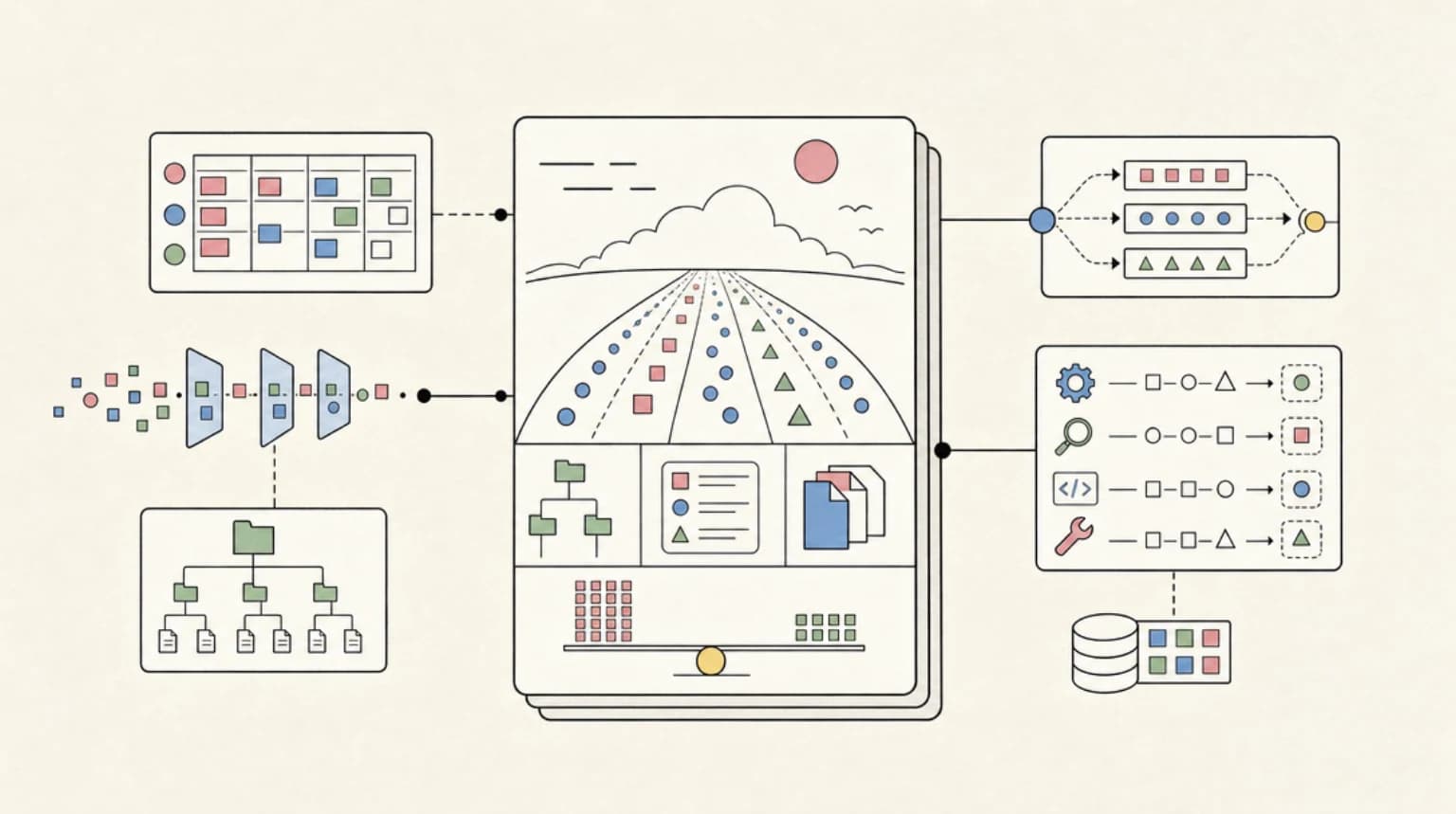
Here is the model this whole scramble is about, in case you missed it before it got pulled:
The Playbook#
None of this is exotic. It is the same discipline as any vendor risk, applied to models.
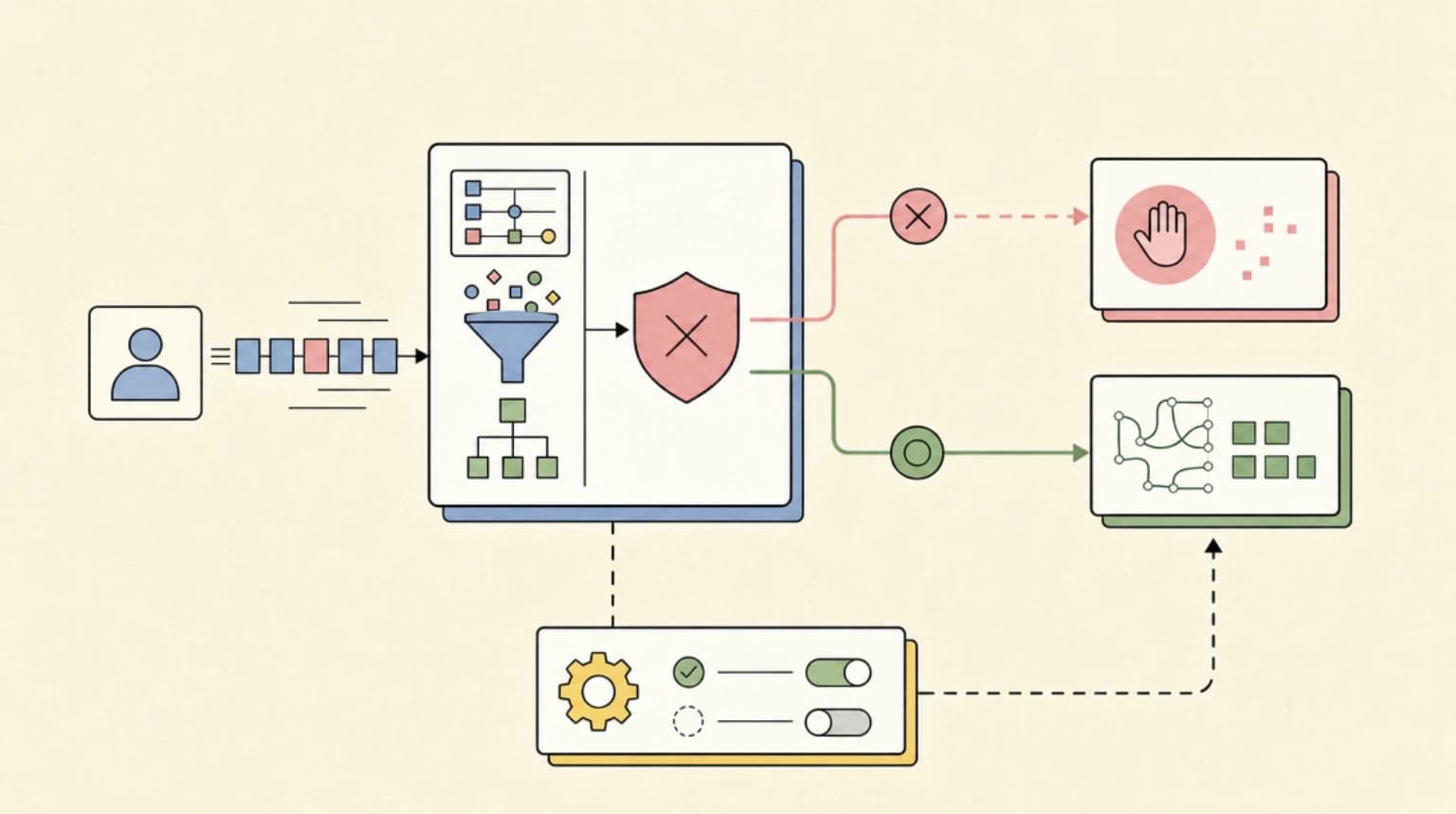
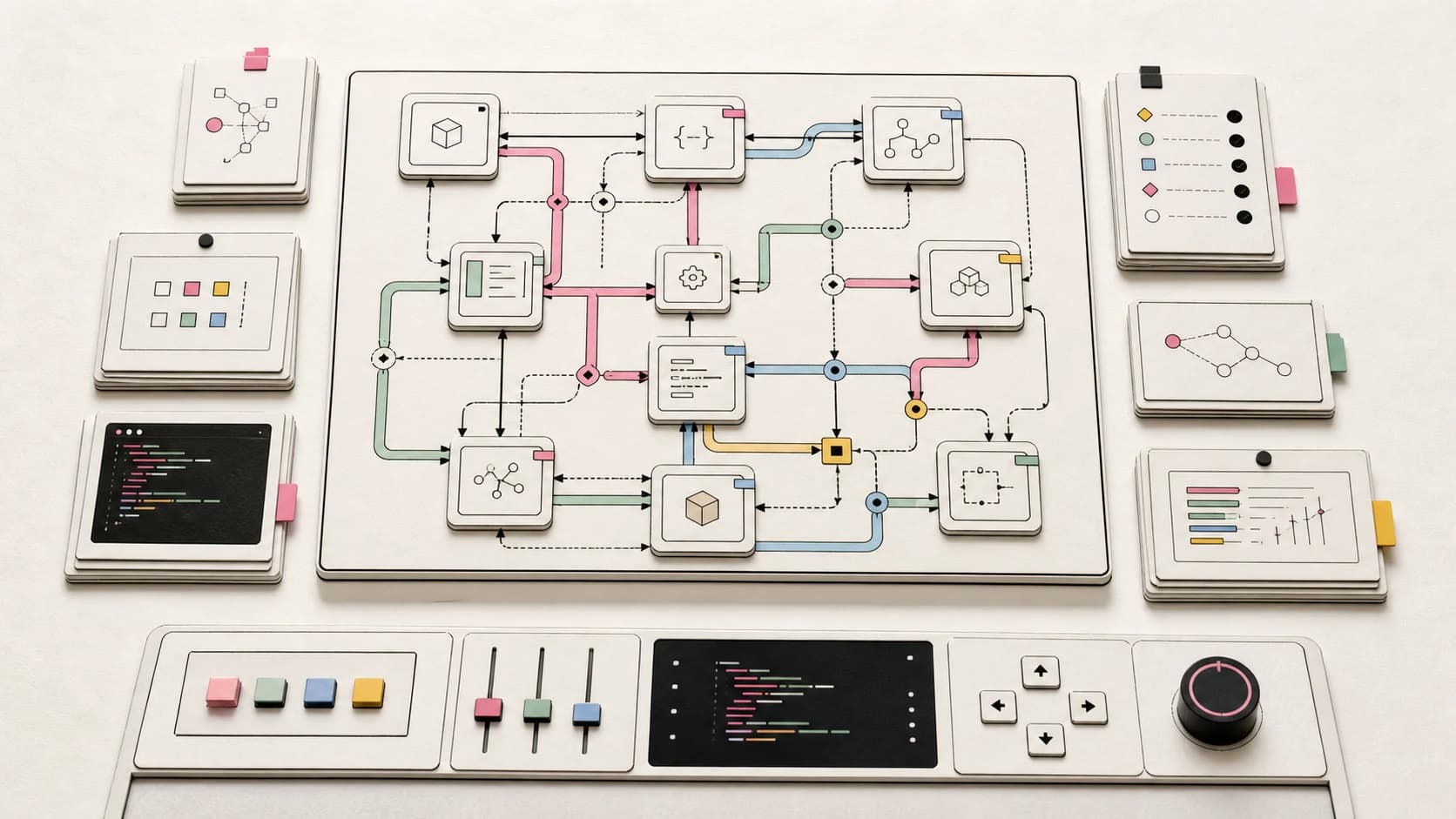
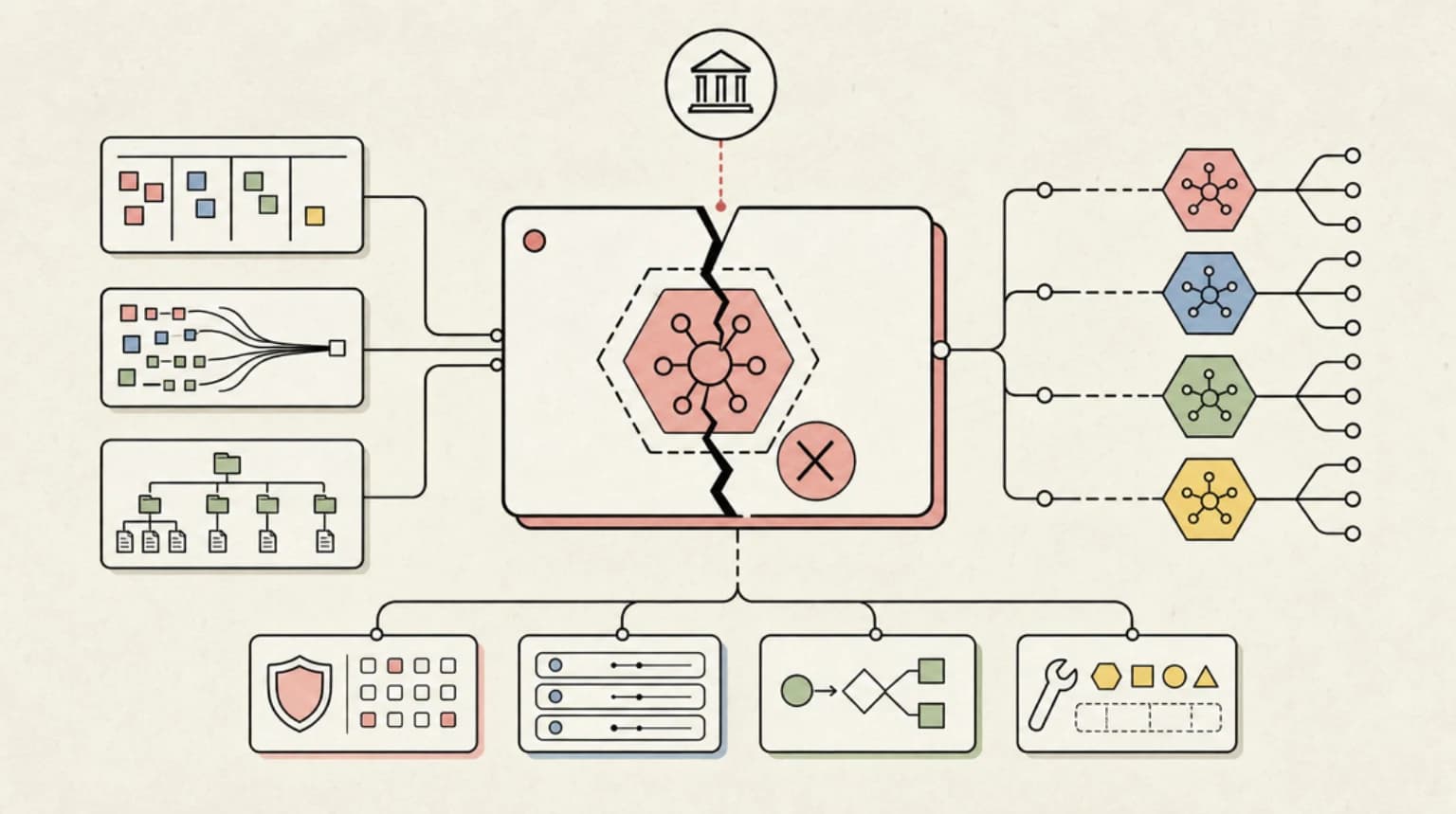
Abstract the model layer. One config-driven switch for provider and model, not model strings scattered across the codebase. If swapping models requires a deploy, you are one directive away from an incident. A gateway (LiteLLM, OpenRouter, or your own thin wrapper) turns a model recall into a config change.
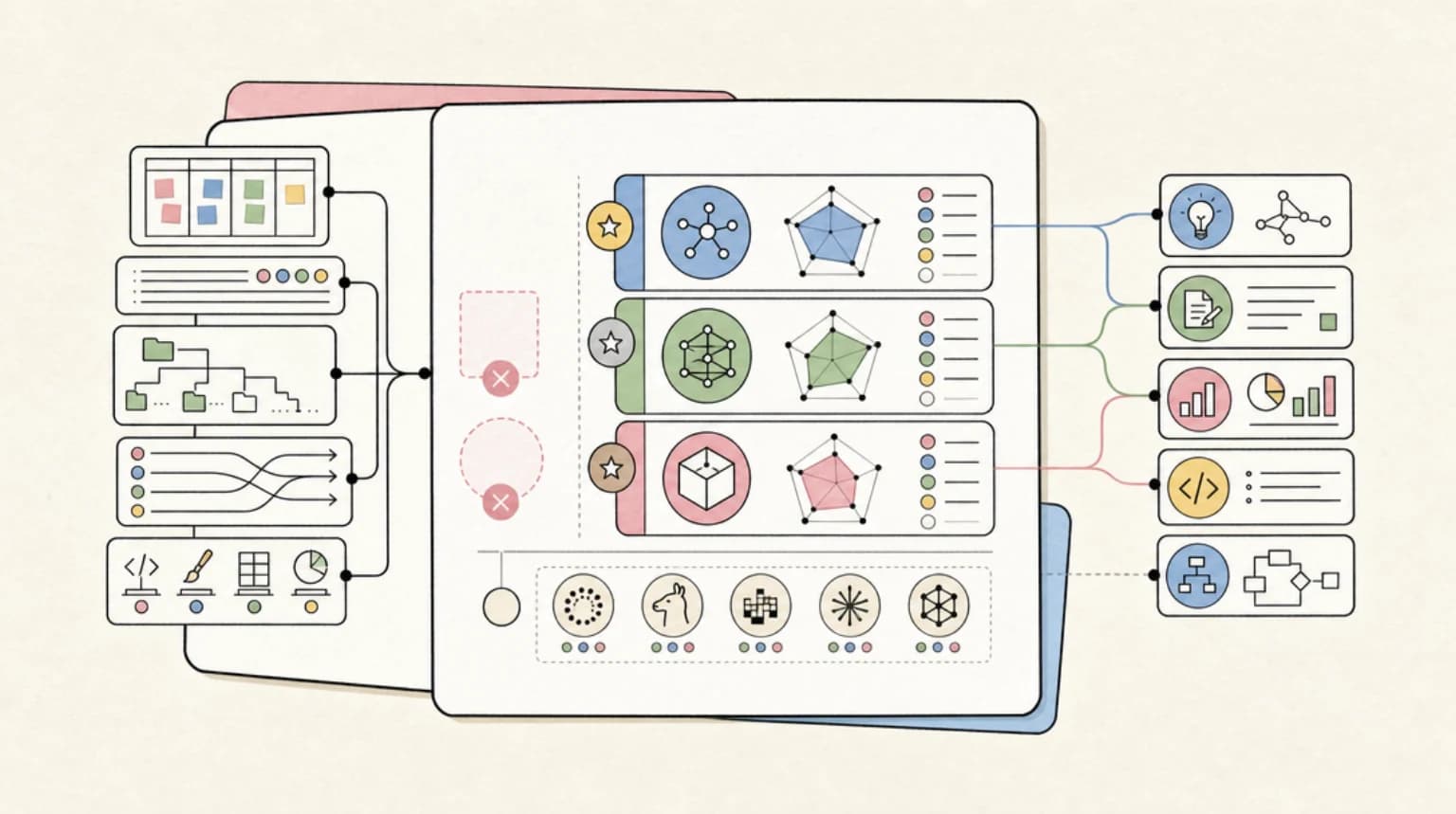
Maintain a tested fallback chain. Not theoretical: actually run your eval suite against your second and third choice on a schedule. Fable to Opus 4.8 is the obvious chain today. Know your quality delta before the failover, not during.
Keep an open-weight floor. The strongest argument for open models was never benchmark parity. It is that nobody can yank them. Qwen, Kimi, GLM, DeepSeek and friends define your worst-case capability floor: the level your product degrades to but never below, because the weights are on your disk. Decide consciously whether your core features work at that floor.
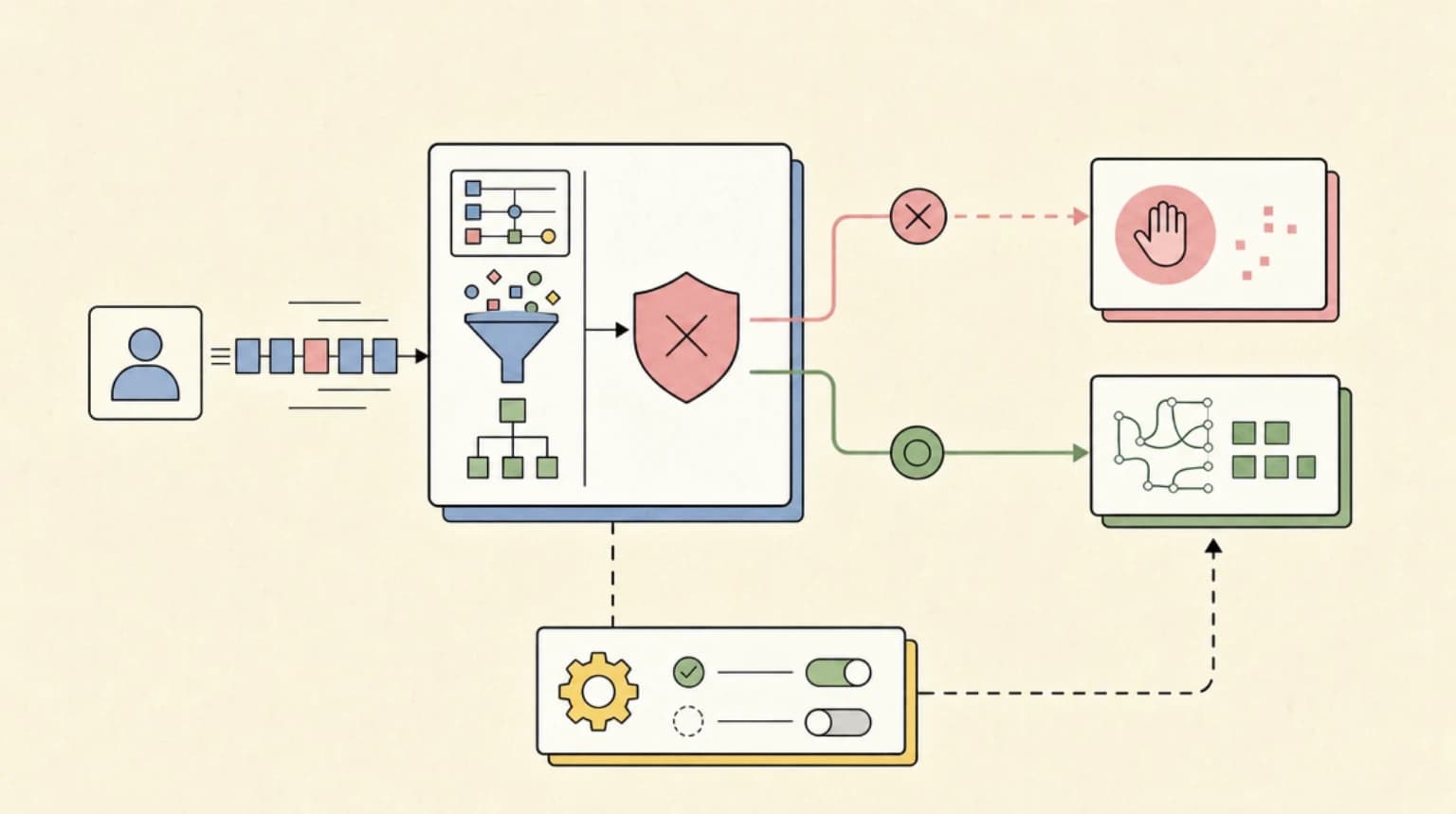
Verify the model you are getting. Add a canary to your evals that detects model substitution: known prompts with model-distinguishing outputs. Silent rerouting is no longer hypothetical.
Read your contracts. If your enterprise agreement assumes a specific model tier, ask your provider what happens contractually when the government recalls it. Nobody had that clause yesterday. Everybody will want it next quarter.
The Bigger Shift#
Two structural things changed today, beyond the practical checklist.
Closed frontier models are now sovereign-risk assets. Any business outside the US, or any business with non-US staff, just watched a US directive scope model access by nationality. The predictable response is already in the HN thread: accelerated interest in open-weight models and non-US providers, for the same reason companies diversified cloud regions after past outages. Capability gaps matter less than the ability to keep running.
The capability ceiling may be politically defined. If a model can be recalled because it finds known vulnerabilities when asked nicely, then the limit on what providers ship is no longer just technical or economic. Expect more conservative refusals, more aggressive jailbreak filters, and more false positives on legitimate security work across every provider. Defensive security workflows that depend on models reading codebases for flaws, which is to say, normal modern development, are exactly the use case in the crosshairs.
What To Do Monday#
- Inventory every place a model ID is pinned in your codebase and CI.
- Stand up a model gateway if you do not have one. Half a day of work.
- Run your evals against your fallback chain and record the deltas.
- Pick your open-weight floor and confirm your product functions on it.
- Add model-verification canaries to your monitoring.
Fable will probably come back. The next recall, of whatever model, by whatever government, is now a when. Build like it.
For the full breakdown of what Fable 5 actually is and why access is gated in the first place, see Claude Mythos 5 Explained.
FAQ#
What happened to Fable 5?#
On June 12, Fable 5 was switched off by a government directive with zero notice - not deprecated with a sunset period and not price-hiked, but gone the same day. Teams building on it lost the model overnight.
What breaks first when an AI model is pulled?#
Pinned model IDs fail first, either erroring out or silently rerouting to a different model. Prompts tuned to the missing model then degrade on its replacement, and contracts or compliance terms that reference the model stop matching reality.
How do I protect my product from losing a model provider?#
Abstract the model layer behind one config-driven switch or a gateway, so a recall becomes a config change instead of a deploy. Run your eval suite against a tested fallback chain on a schedule, keep an open-weight floor your product can degrade to, and add canaries that verify which model is answering.
What is an open-weight floor?#
It is the worst-case capability level your product degrades to but never below, set by open-weight models such as Qwen, Kimi, GLM or DeepSeek whose weights sit on your own disk. Nobody can yank them, so decide consciously whether your core features work at that floor.
How can I detect silent model substitution?#
Add a canary to your evals: known prompts with model-distinguishing outputs. If your evals do not verify which model answered, you will not notice a swap until output quality tells you.
Continue Reading#
- Is Claude Fable 5 Down? Why It Is Unavailable (June 2026)
- AI Model Shutdown Dates 2026-2027: Calendar and Migration Plan - the scheduled retirements across the major model APIs, and how to inventory and migrate before each date
Get the next deep dive like this in your inbox
One email a week on AI Engineering and the rest of the AI dev stack. Free.
Read next on local and open-weight models
Anthropic Cuts Fable 5 Biology Fallbacks by 85%: What the Safeguard Tuning Means for Developers
Anthropic retuned Claude Fable 5 biology safeguards, cutting biology fallbacks about 85%. What changed and what still routes to Opus 5.
5 min readBest Claude Model Now That Fable 5 Is Disabled (Mythos vs Opus vs GPT-5.5)
Fable 5 and Mythos 5 are gone for now. Here is the honest ranking of what to use today, from Opus 4.8 to GPT-5.5 to open-weight models, by task.
6 min readThe US Government Just Pulled Fable 5: What Happened
Fable 5 was pulled by a US export control directive, disabling it and Mythos 5 for every customer. What happened, what still works, and what to do next.
5 min readNew here? Start with
Technical content at the intersection of AI and development. Building with AI agents, Claude Code, and modern dev tools - then showing you exactly how it works.