12 min read
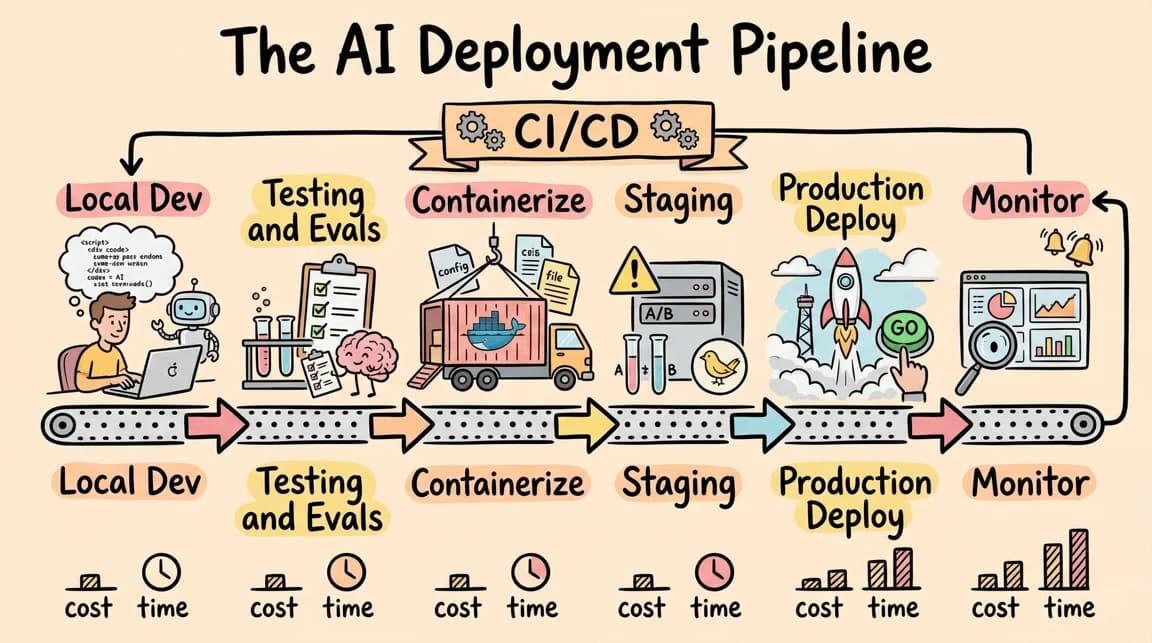
Shipping OpenAI Symphony in Prod: A Real-World Guide
What it actually takes to wire OpenAI Symphony into a Linear-driven Codex workflow - auth, runs, sandboxes, costs, and the gotchas nobody warned me about.
107 articles - page 9 of 9
What it actually takes to wire OpenAI Symphony into a Linear-driven Codex workflow - auth, runs, sandboxes, costs, and the gotchas nobody warned me about.
From Claude Opus 4.7 and GPT-5.5 to Andrej-karpathy-skills and EvoMap - the AI dev tools actually shipping the last 30 days, with commands, links, and pricing.

Over-editing is when AI coding agents make huge diffs for tiny fixes. Why models do it, why tests miss it, and how to keep agent edits minimal.

What Hacker News gets right about AI coding agents: workflows beat demos, skills beat prompts, orchestration beats autonomy, and verification is the bottleneck.

Skills beat prompts for coding agents because giant prompts do not scale. The 2026 control stack: project rules, reusable skills, bounded sub-agents and tools.

Every AI coding tool compared: 15 terminal, IDE, cloud and browser tools side by side on pricing, model surface, strengths, weaknesses and best use cases.
Terminal agent, IDE agent, local-plus-cloud agent. Three architectures compared - how to decide which fits your workflow, or why you should use all three.

Cursor is editor-first. Codex is terminal, cloud, and PR-first. Here is when to use each for TypeScript projects.

Codex works from the terminal, cloud tasks, IDEs, GitHub, Slack, and Linear. Here is how to use it and how it compares to Claude Code.

GPT-5 Codex is OpenAI's product-optimized coding model, trained on the full software lifecycle and built for long autonomous runs across every Codex surface.
Showing 97-106 of 106 articles
New tutorials, open-source projects, and deep dives on coding agents - delivered weekly.
Explore 840 topics
Browse All Topics