The Fable 5 Moment
31 articles267 min total read time
31 of 31 posts published
01
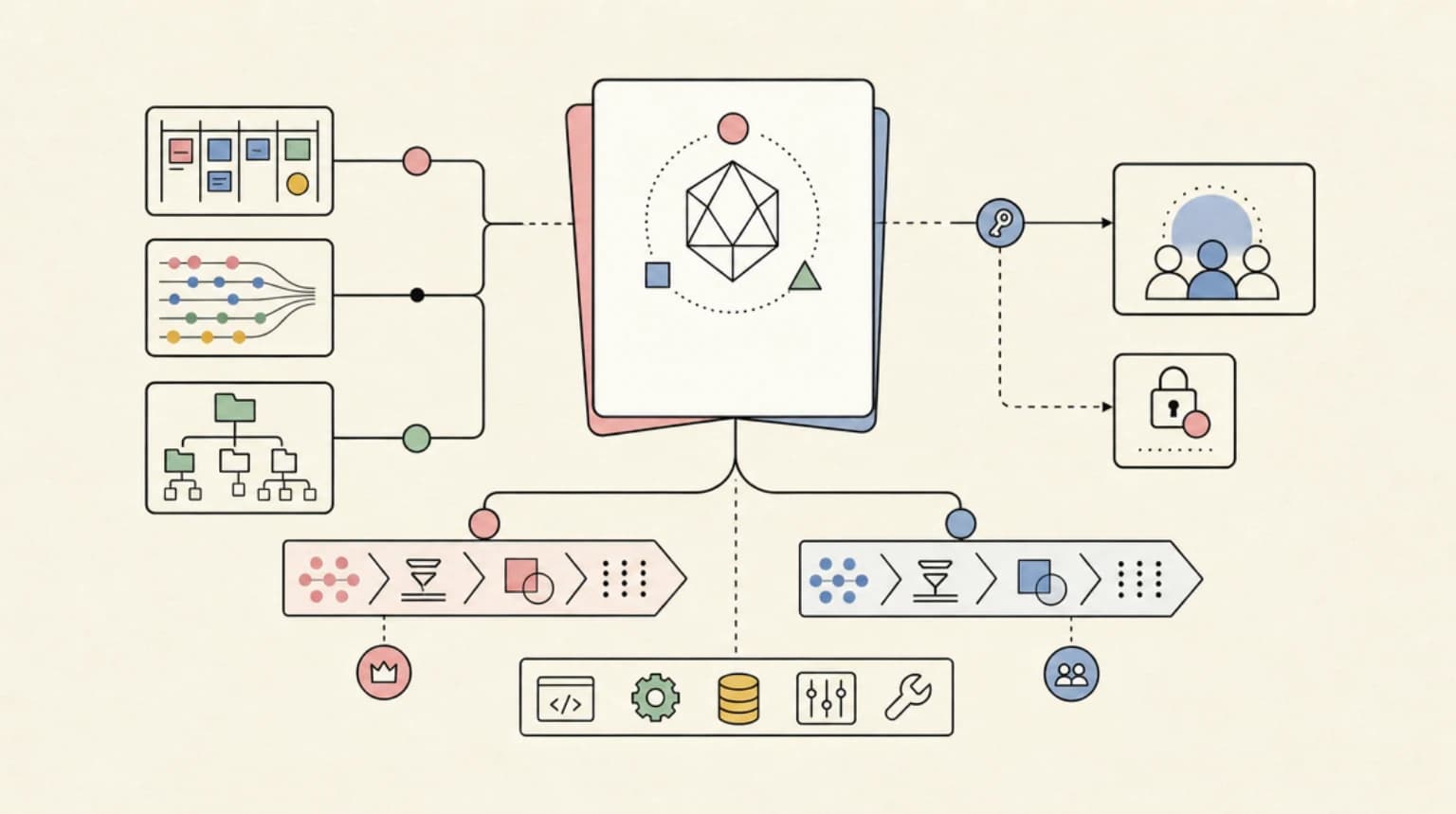
Claude Mythos 5 Explained: What It Is, Who Can Access It, and Why It's Gated
Claude Mythos 5 explained - how it differs from Fable 5, who gets unrestricted access through Project Glasswing, and what developers should do right now.
7 min read|Read →
02
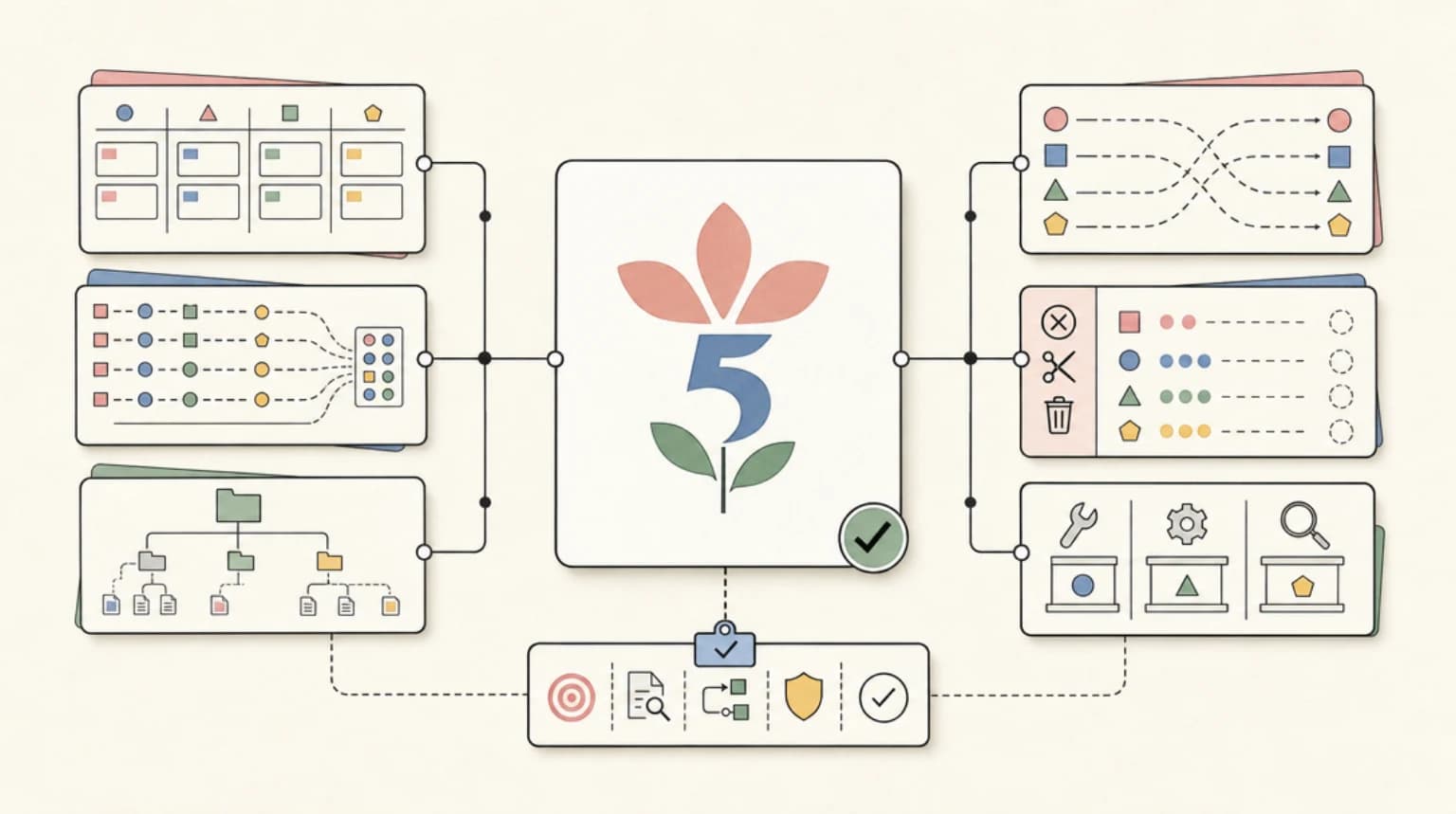
Migrating to Claude Fable 5: The Practical Guide
Migrating to Claude Fable 5 from Opus 4.8 or older models - every breaking change, what to delete from your code, and the prompt audit to run before switching.
9 min read|Read →
03
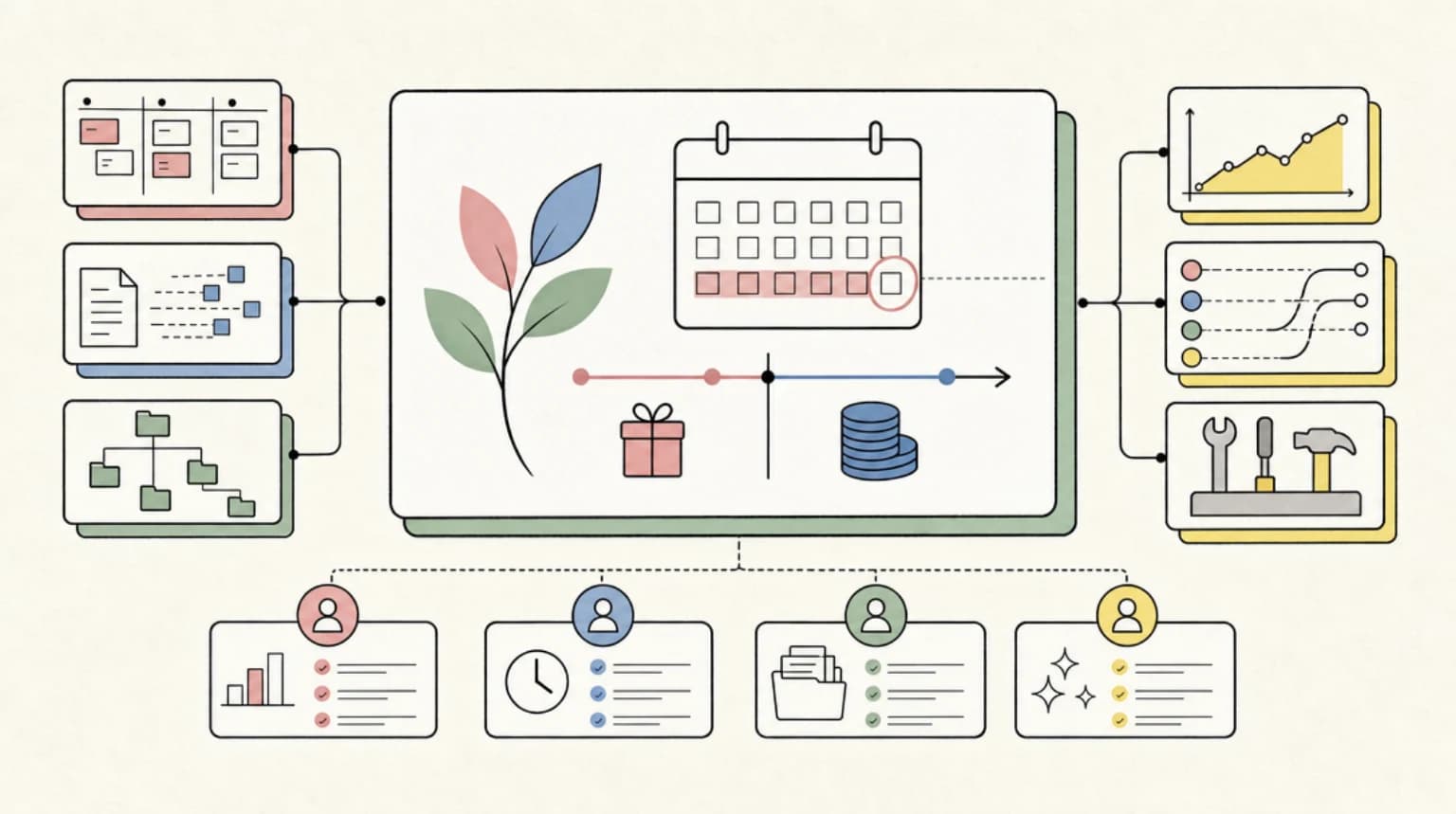
Claude Fable 5 Access After the June 22 Deadline: Where Things Stand
Claude Fable 5 access after the June 22 free window closed on Pro, Max, Team and Enterprise plans: what credits cost now and how to control Fable 5 spend.
6 min read|Read →
04
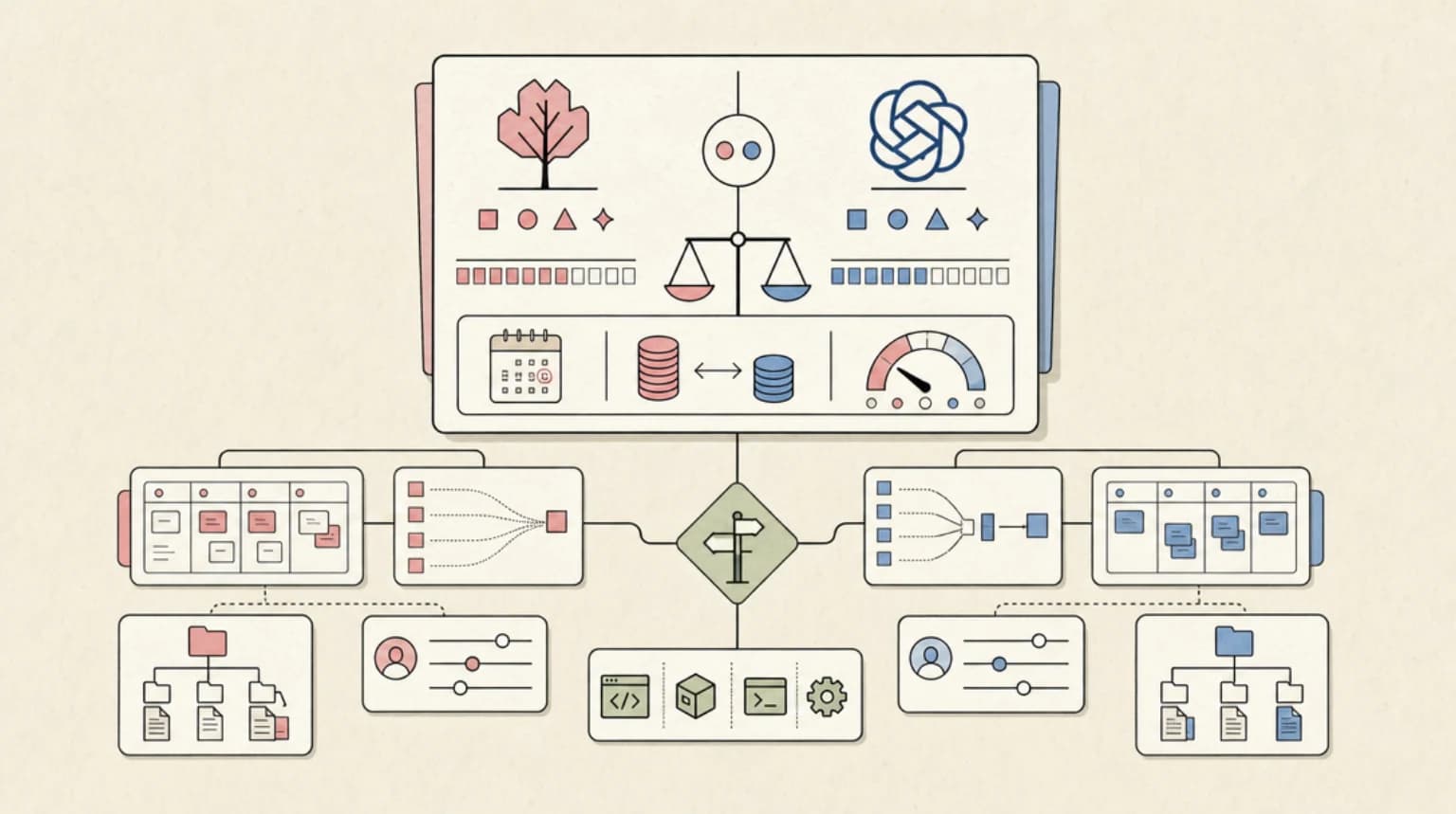
Claude Fable 5 vs GPT-5.6 Sol: Benchmarks, Pricing, and When Each Wins
Fable 5 is API-only at 2x GPT-5.6 Sol's price with a 15-point SWE-Bench Pro gap. Here is the decision framework for choosing between them in August 2026.
12 min read|Read →
05
Fable 5 vs Opus 4.8: A Data-Driven Decision Guide for Engineering Teams
Fable 5 posts an 80.3% SWE-Bench Pro score and costs 2x Opus 4.8 - here is the task-profile scoring guide that tells you when the premium pays off.
7 min read|Read →
06
How to Model Fable 5 Costs Before They Blow Up Your Budget
Claude Fable 5's $10/$50 per million token pricing can catch teams off guard - here is how to build a real cost model before you commit.
9 min read|Read →
07
Claude Fable 5 API: Production Integration Patterns, Rate Limits, and Migration Gotchas
Claude Fable 5 API production guide - adaptive thinking, rate limit strategy, streaming latency, fallback chains and a migration checklist from Opus 4.8.
9 min read|Read →
08
Handling Fable 5 Refusals: A Working Guide to the Fallback API
Handle Claude Fable 5 refusals with the fallback API: what a refusal looks like on the wire, three ways to handle it with code, and the billing rules.
10 min read|Read →
09
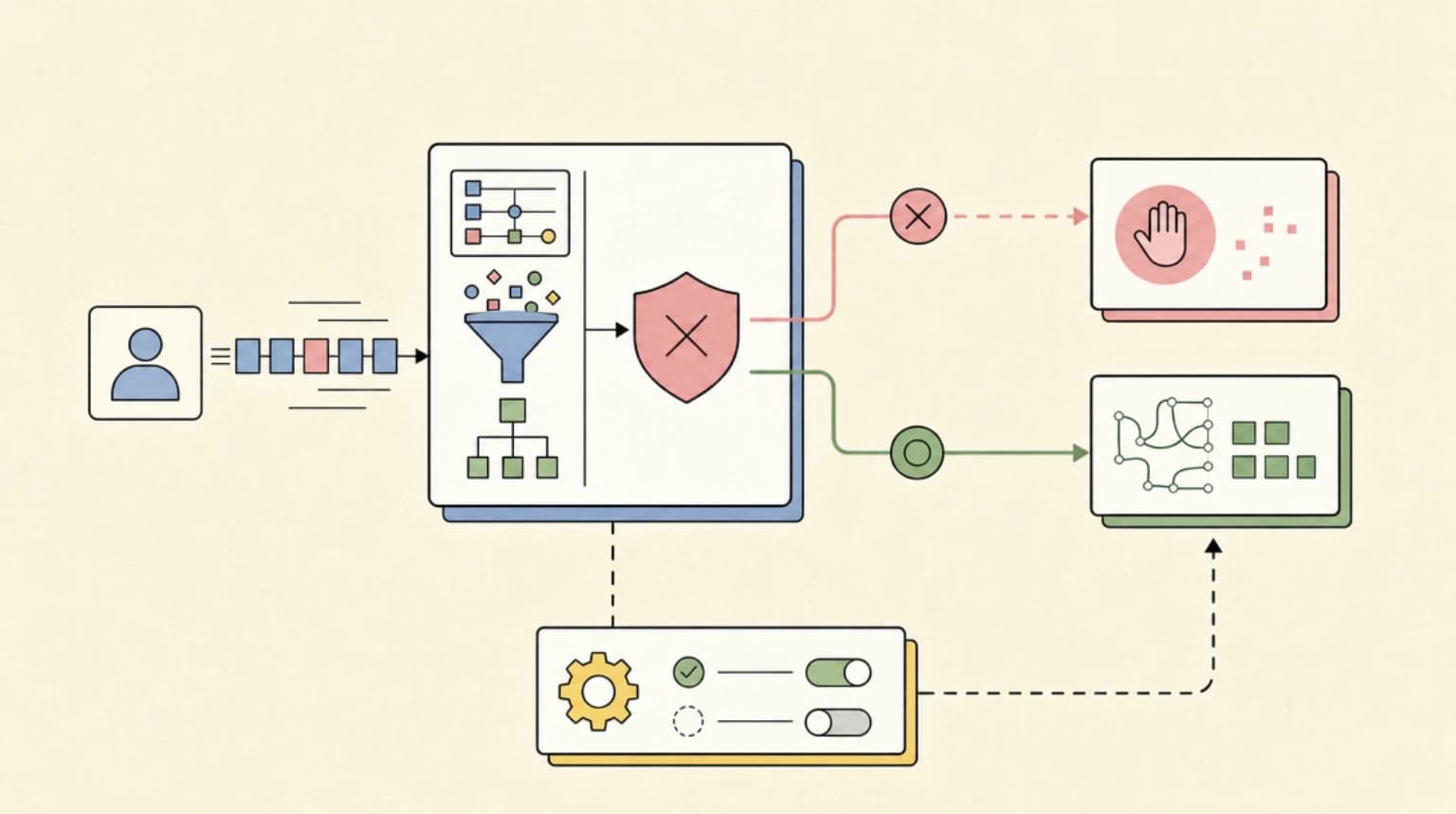
Why Fable 5 Refuses Your Cybersecurity Queries (And How the Fallback Works)
Why Claude Fable 5 refuses cybersecurity, bio and distillation queries, how it falls back to Opus 4.8, and what API developers must configure first.
8 min read|Read →
10
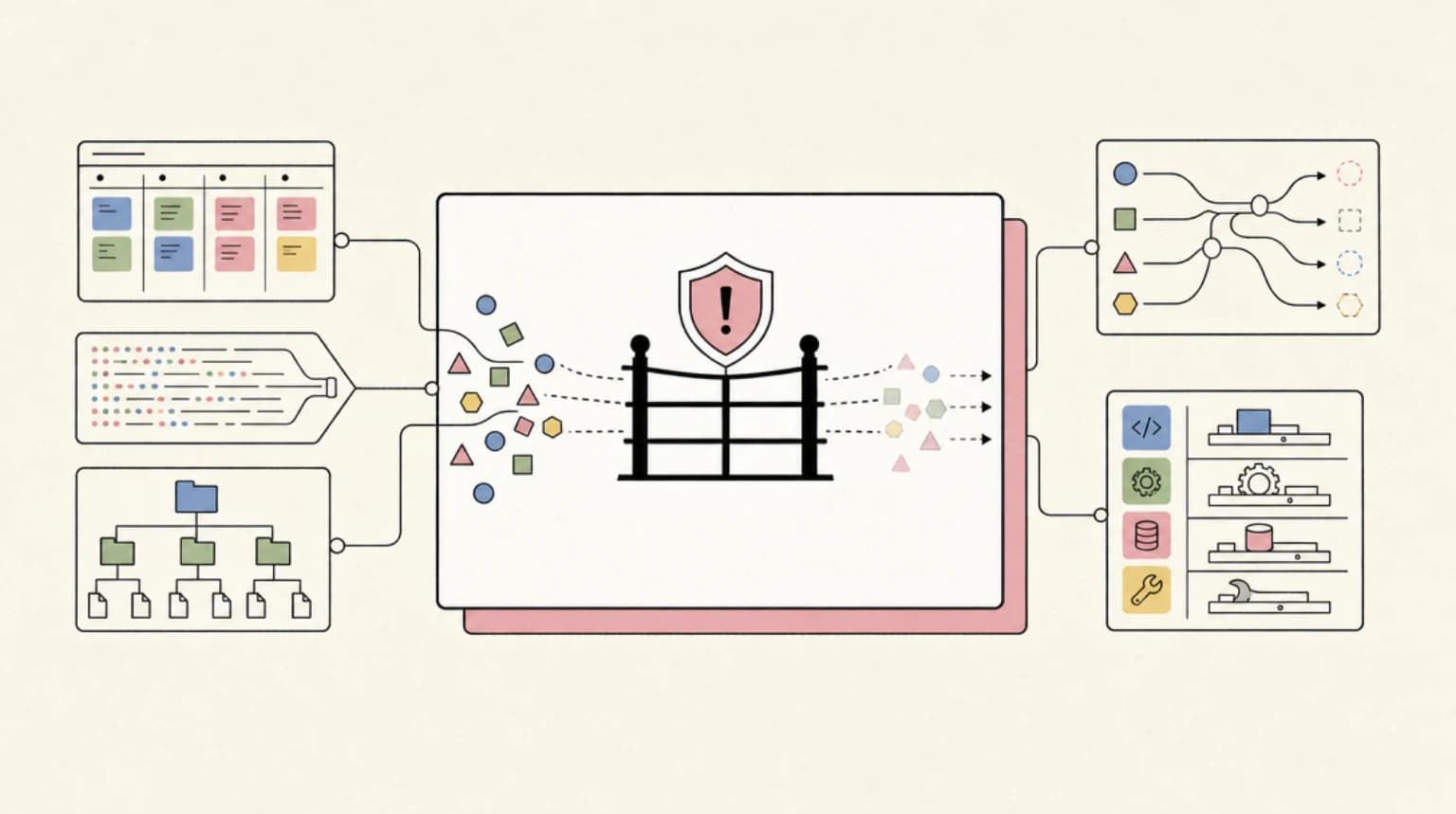
Fable 5's Hidden Guardrails: What Developers Need to Know About Silent Degradation
Claude Fable 5 silently degrades answers on some ML development tasks with no refusal or notice. See which work is restricted and what developers should do.
7 min read|Read →
11
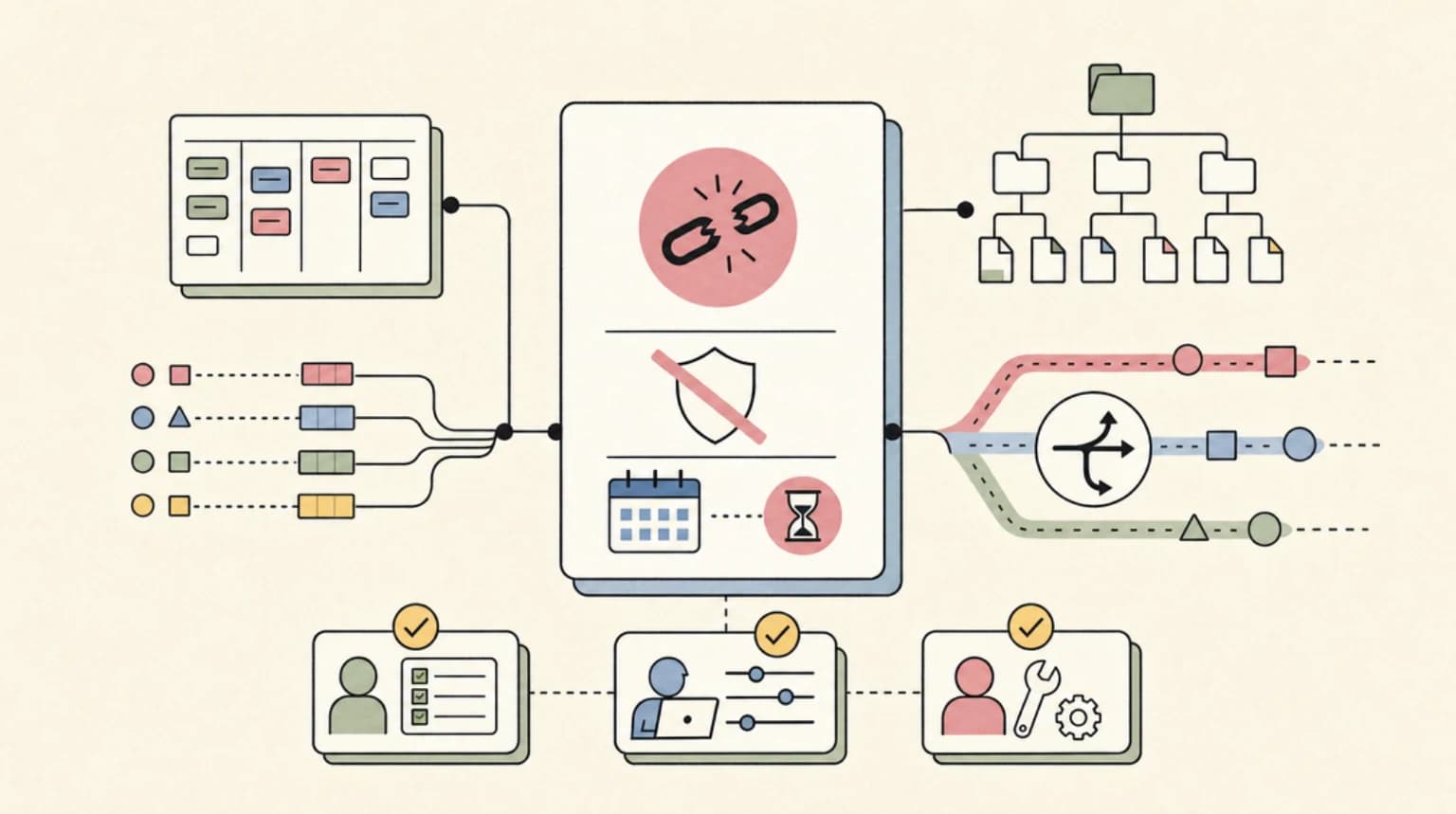
Fable 5 Broke Enterprise ZDR Agreements: What Dev Teams Must Do Now
Claude Fable 5 mandates 30-day data retention on every platform, overriding Zero Data Retention contracts. What compliance teams should audit before deploying.
8 min read|Read →
12
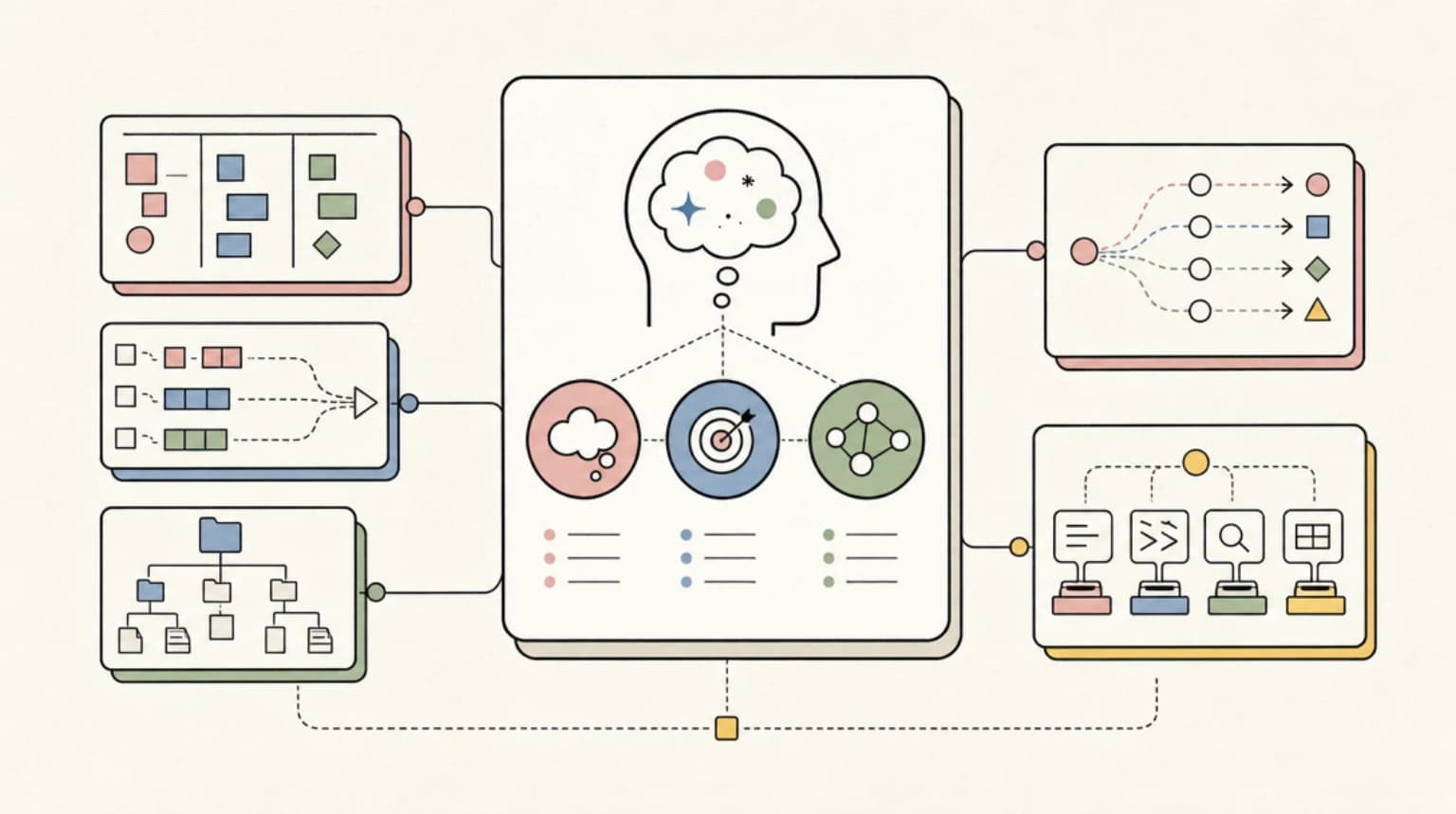
Claude Managed Agents: Dreaming, Outcomes, and Multi-Agent Orchestration Explained
Claude Managed Agents added dreaming, outcomes and multi-agent orchestration in 2026. How each primitive works and when to use the three together.
8 min read|Read →
13
Claude Managed Agents Public Beta: What's Actually Available vs What's Gated
Claude Managed Agents public beta reviewed: what ships today, which orchestration features are gated behind a research preview, what it costs, and when to DIY.
8 min read|Read →
14
Dario Amodei Wants FAA-Style AI Regulation: Open Questions for Developers
Dario Amodei's call for FAA-style AI regulation, with mandatory third-party testing and power to block deployments, and the open questions for developers.
8 min read|Read →
15
The Exponential and the Working Developer: Sitting With Amodei's Hardest Questions
Dario Amodei's AI exponential essay claims AI writes most code at major AI companies. What that means for developer jobs, and the signals worth watching.
9 min read|Read →
16
The Dario Paradox: Warning About the Exponential While Shipping It
The Dario Paradox: Amodei called for FAA-style testing of frontier AI as Anthropic shipped Fable 5. Both readings weighed, and what it means for developers.
8 min|Read →
17
The Pushback on Amodei's Exponential Essay: Too Slow, Too Convenient, or About Right?
Dario Amodei's 'Policy on the AI Exponential' essay drew fast pushback. A fair roundup of the main critiques and which matter most if they turn out to be right.
9 min read|Read →
18
Fable 5 Before June 22: The Decision Checklist for Every Plan Tier
Fable 5 June 22 decision checklist for Pro, Max, Teams and API users: what to decide and test before the window closes, and when Opus 4.8 is the right call.
9 min read|Read →
19
Fable 5 on AWS Bedrock: When Your Data Leaves the AWS Boundary
Claude Fable 5 on Amazon Bedrock: how the 30-day retention rule and provider_data_share mode affected the AWS data boundary, updated for the aws_review mode.
7 min read|Read →
20
Why Claude Desktop Installs a 1.8 GB Hyper-V VM on Windows
Claude Desktop starts a Hyper-V VM using about 1.8 GB of RAM on every Windows launch, even for chat. What the VM does, who it hits, and workarounds that work.
8 min read|Read →
21
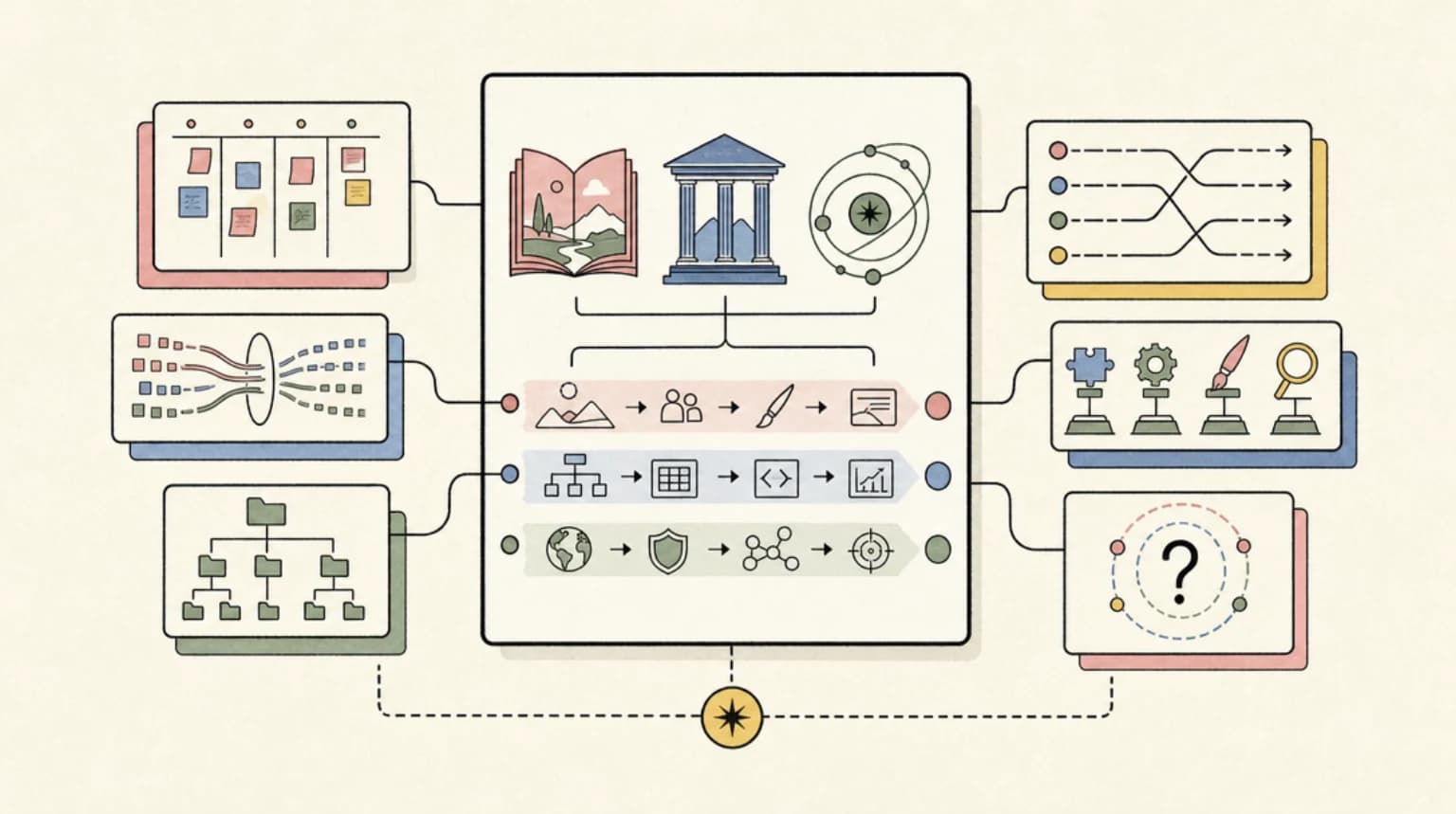
Anthropic Model Names Explained: Fable, Mythos, Opus, Sonnet
Anthropic's model names: Haiku, Sonnet, Opus, then Fable and Mythos. What each tier means, the current model IDs and prices, and which one to pick.
6 min read|Read →
22
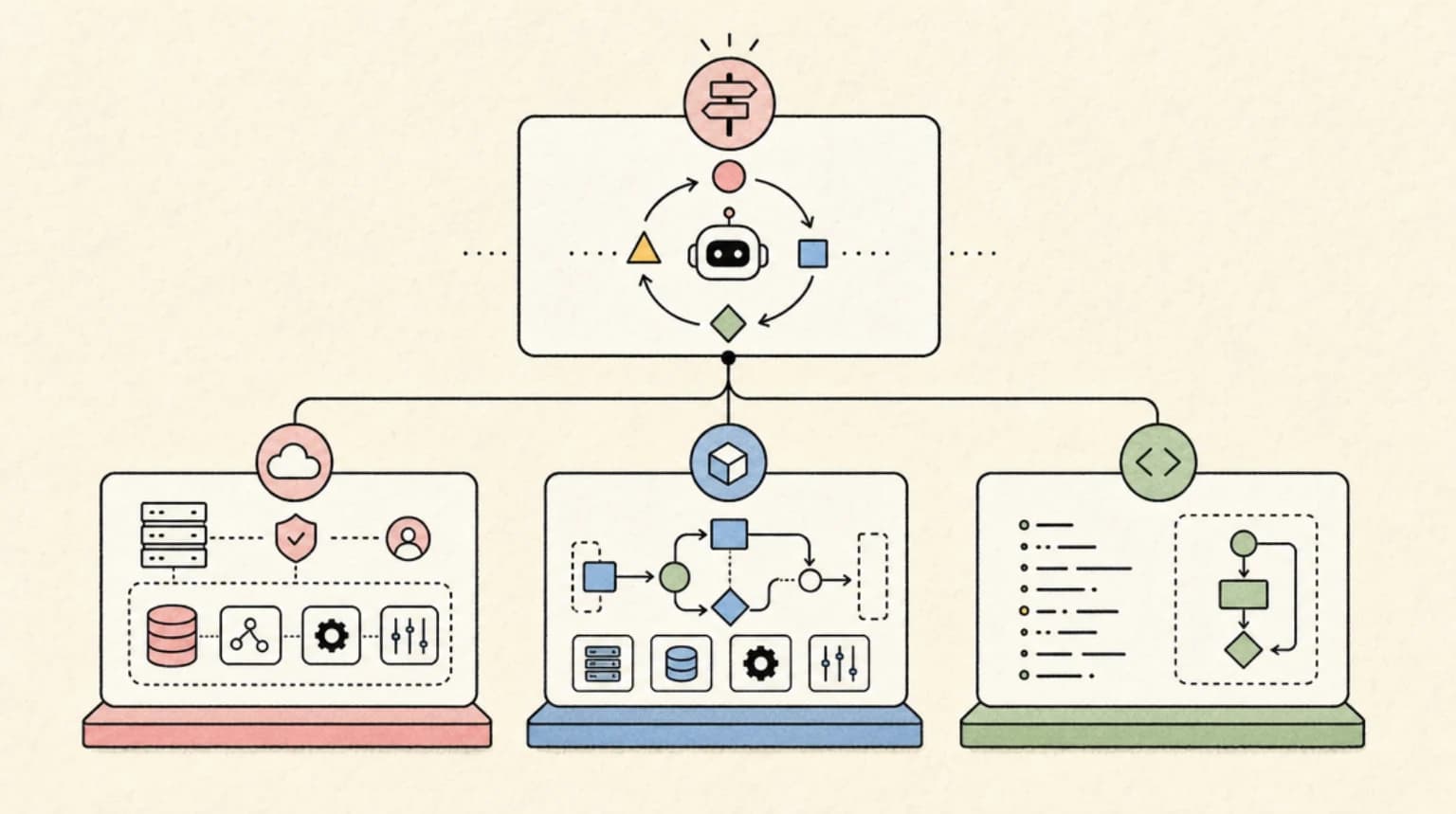
Managed Agents vs LangGraph vs Rolling Your Own: Who Should Run Your Agent Loop in 2026
Managed agents vs LangGraph vs a DIY while-loop - compare state, sandboxing, cost, lock-in and compliance to decide who should run your agent loop in 2026.
9 min read|Read →
23
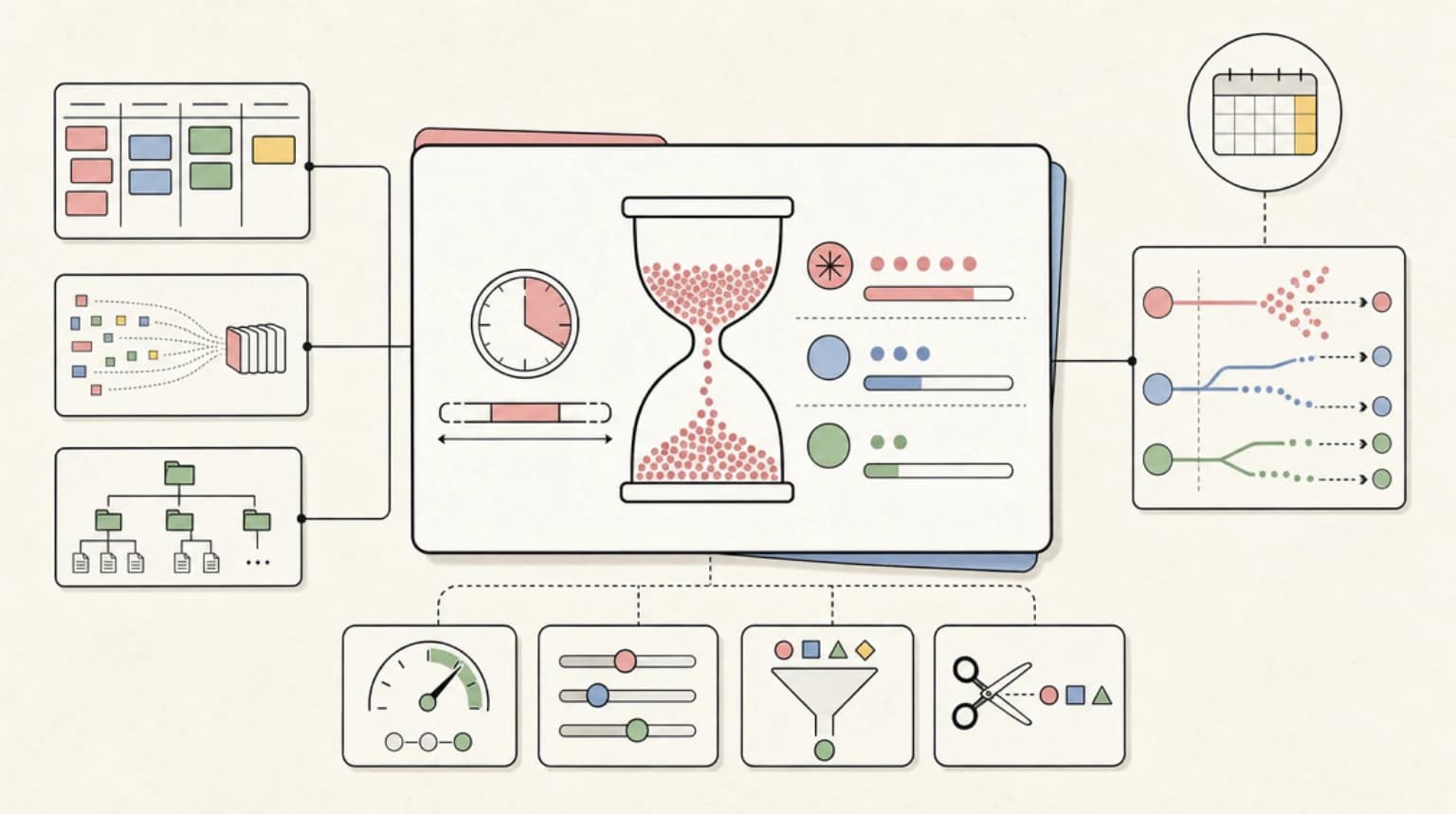
Claude Usage Limits With Fable 5: Windows and Burn Rates
Fable 5 drains Claude's 5-hour rolling usage window far faster than Opus or Sonnet. What the plan multipliers mean, the June 22 change, and how to make it last.
9 min read|Read →
24
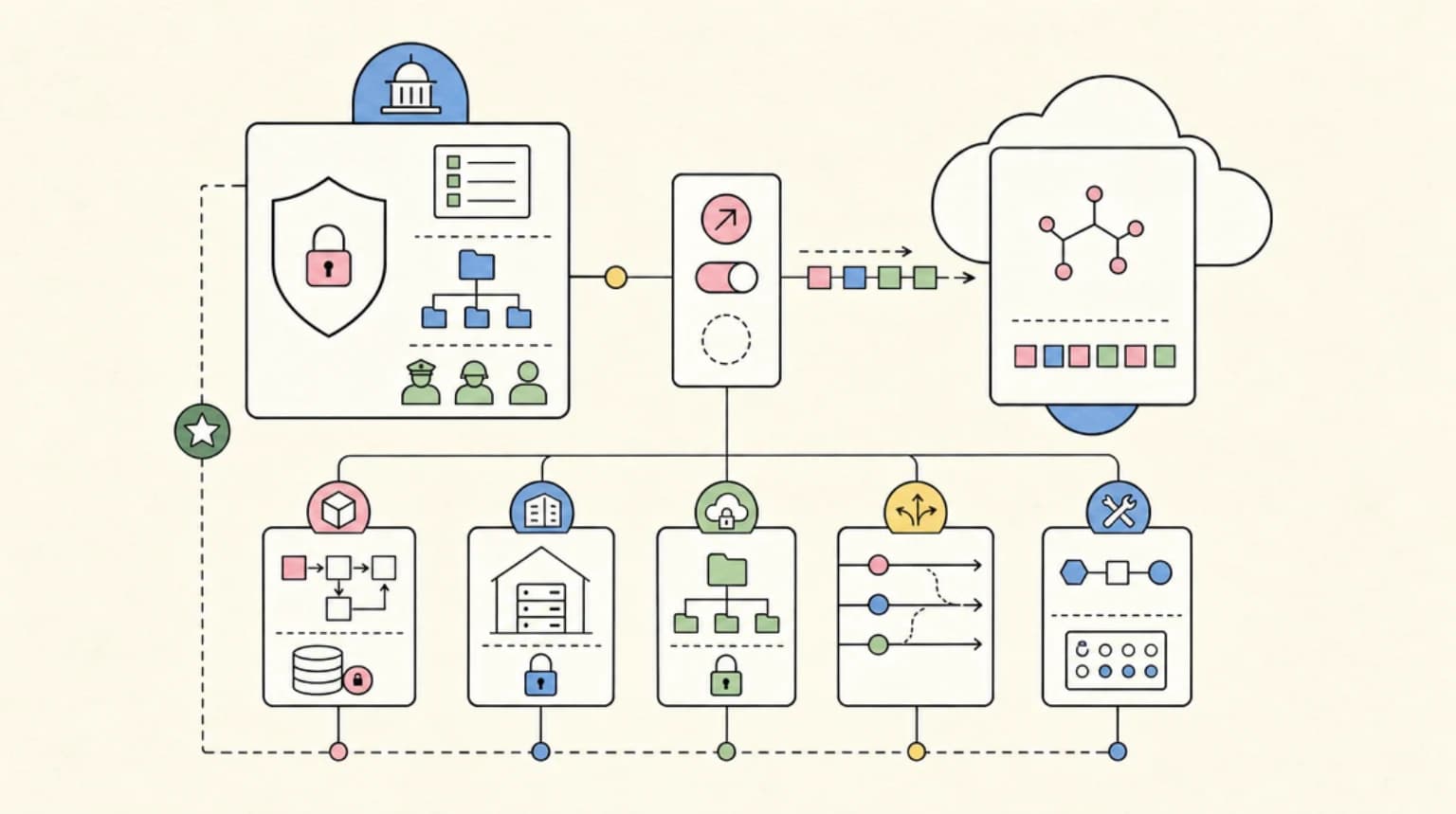
Fable 5 for Government and Regulated Teams: The GovCloud Question
Claude Fable 5 for GovCloud, FedRAMP, ITAR and CJIS teams: why the Bedrock provider_data_share requirement matters for compliance, and your realistic options.
8 min read|Read →
25
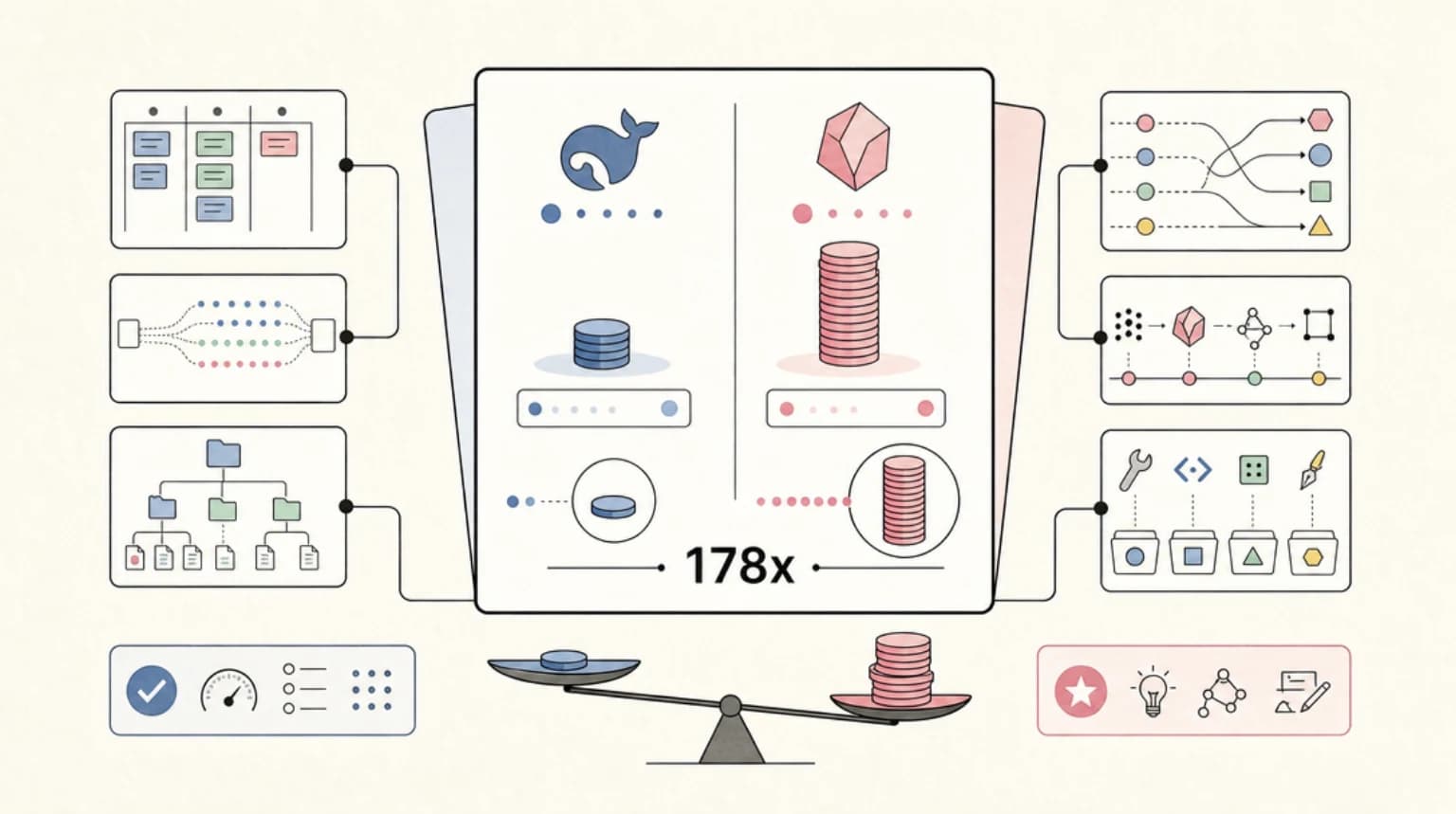
Fable 5 vs DeepSeek V4: The Cost-Quality Gap Measured in Real Tasks
Fable 5 vs DeepSeek V4 on cost and quality: a 178x output price gap, a real quality difference, and the task split most production teams end up running.
7 min read|Read →
26
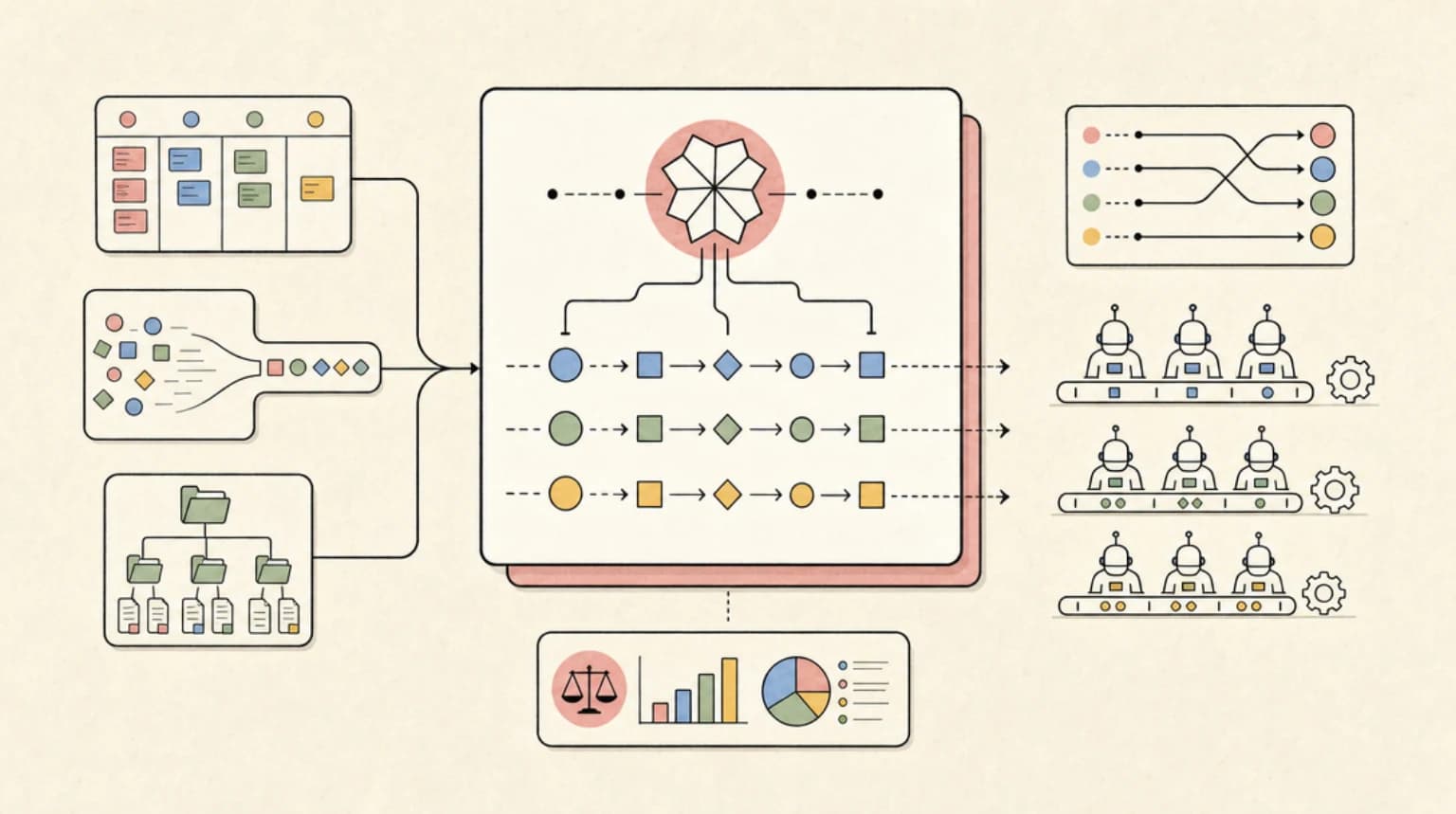
Fable 5 Orchestrator Playbook: Smart Model, Cheap Workers
A practical playbook for running Claude Fable 5 as the orchestrator over Sonnet and Haiku workers, with verified cost math on when the premium pays off.
10 min read|Read →
27
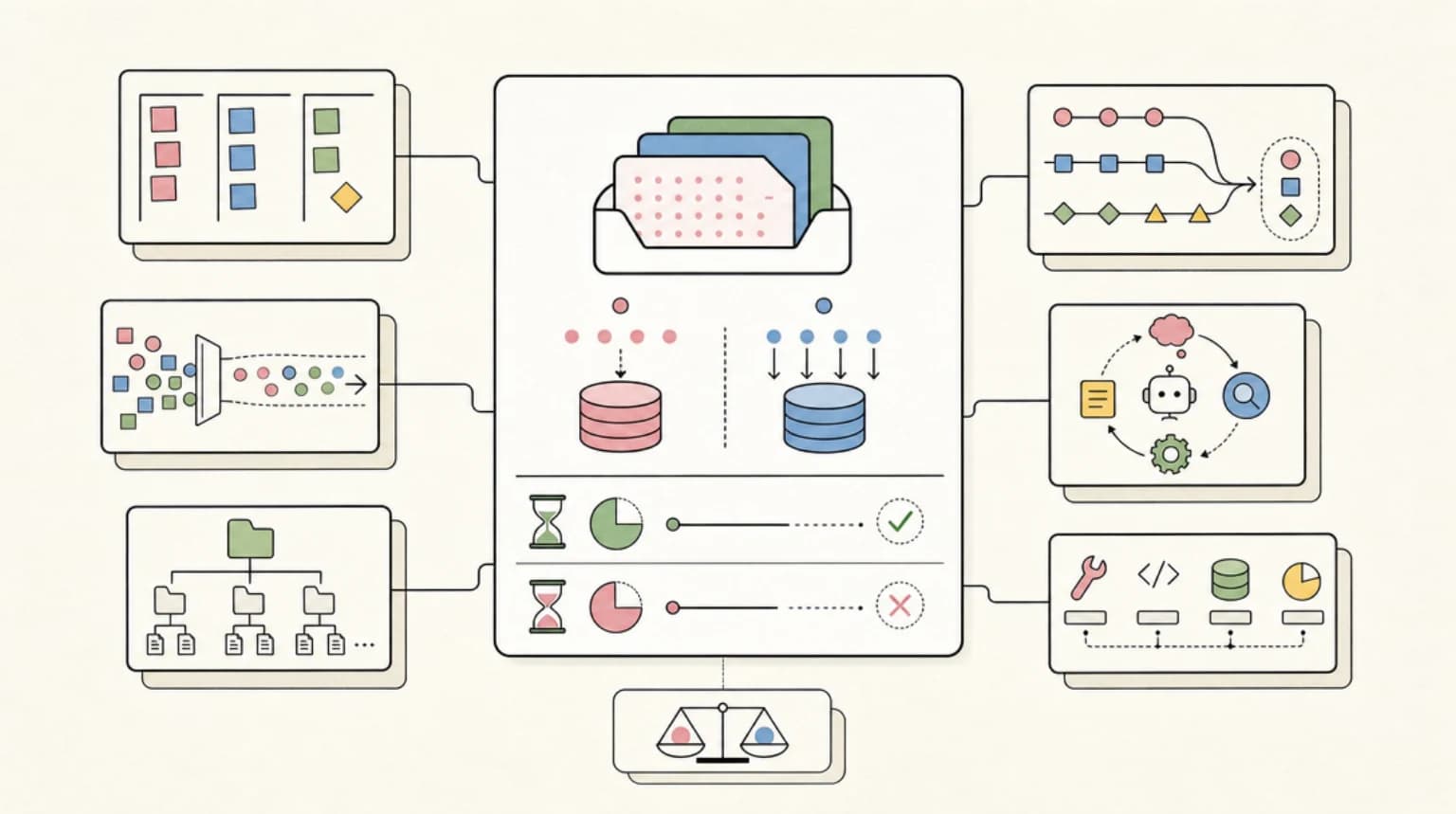
Prompt Caching Economics on Fable 5: When the 5-Minute TTL Pays
Fable 5 prompt caching economics: cache-write vs cache-read pricing, 5-minute vs 1-hour TTL break-even math, and worked agent-loop examples.
10 min read|Read →
28
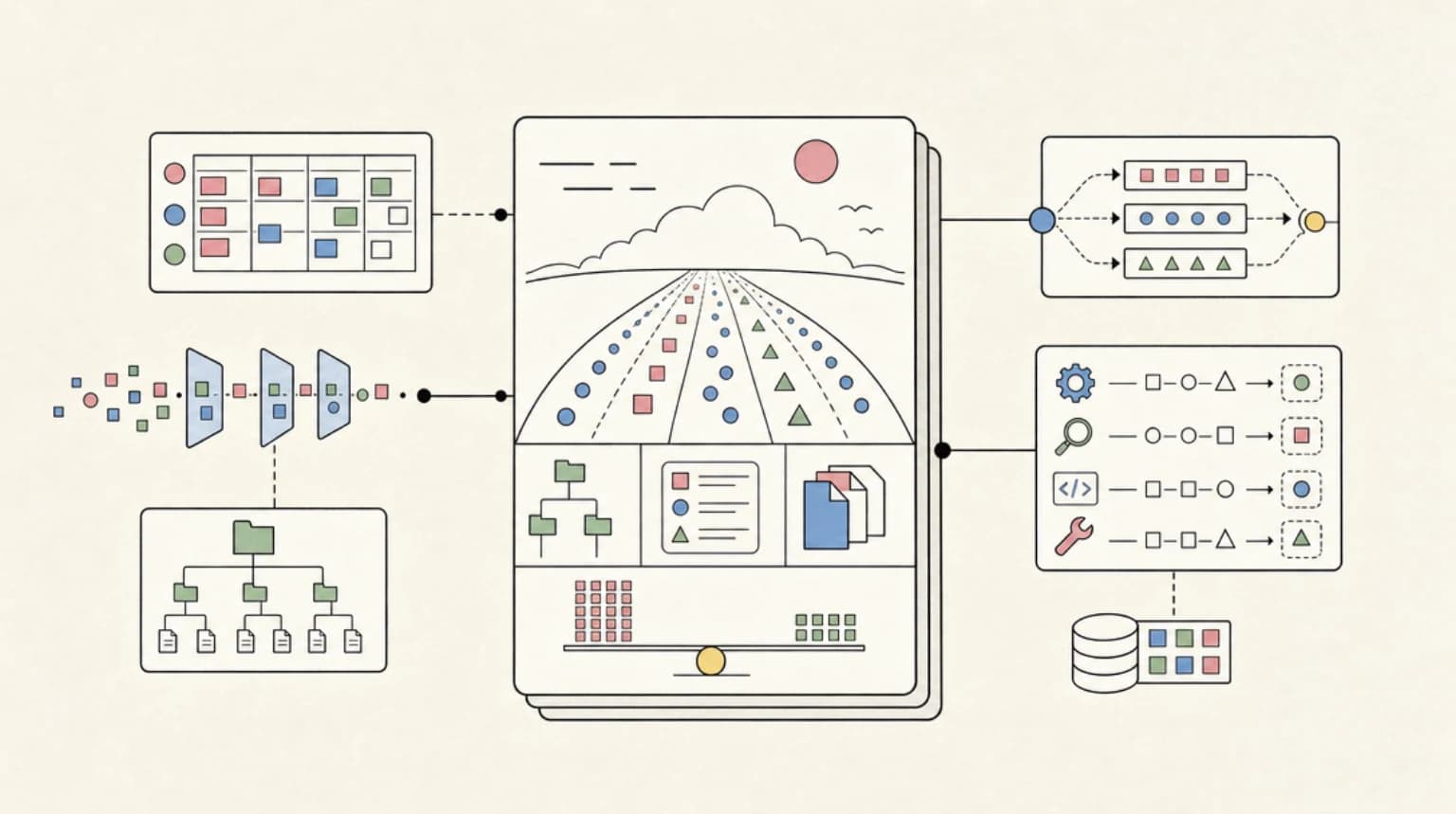
Fable 5 with 1M Context: What Actually Works in Practice
Fable 5 1M context workflows that actually work: whole-repo reviews, log archaeology, multi-doc synthesis - plus the honest math on when RAG still wins.
10 min read|Read →
29
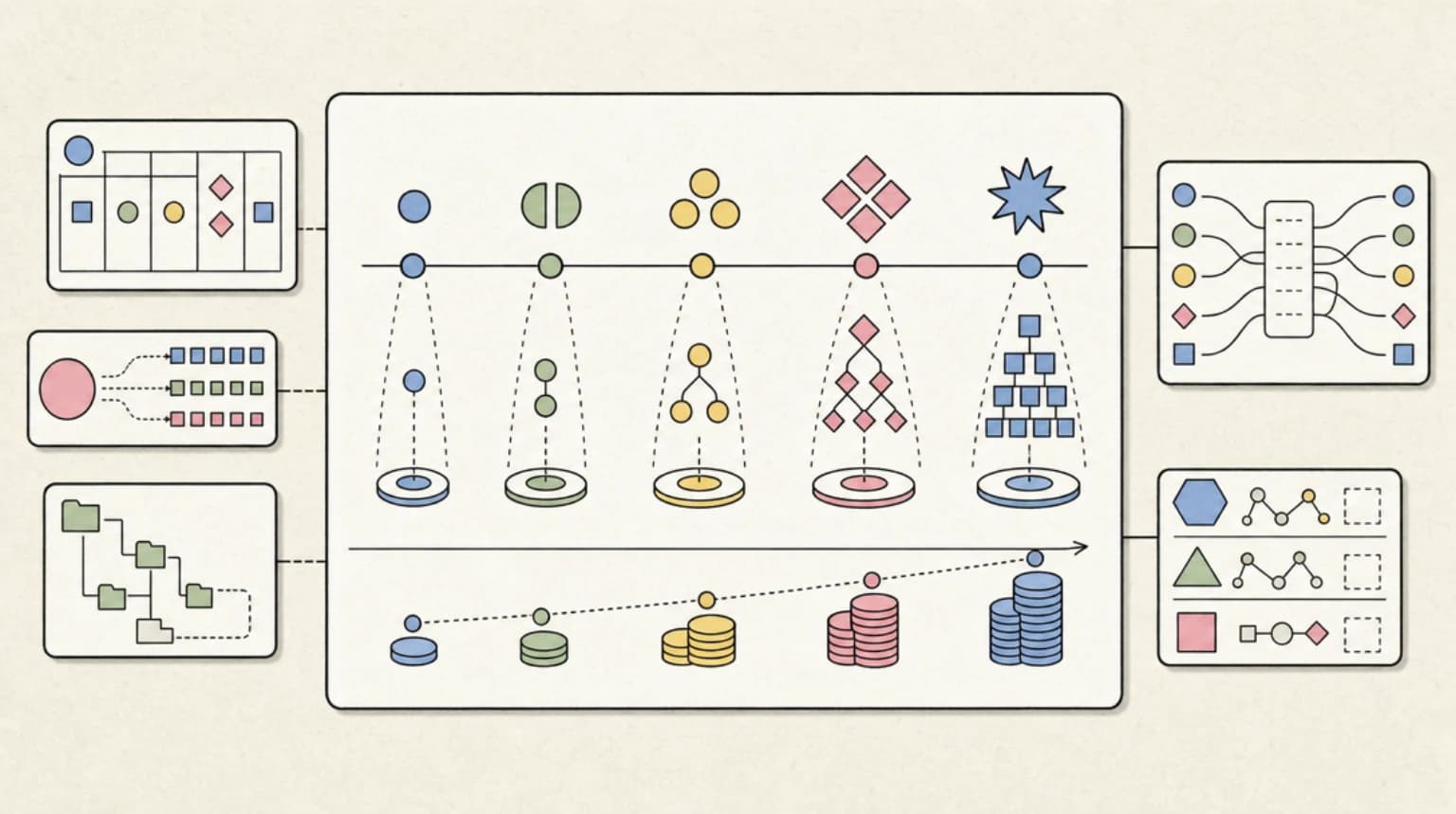
Claude Effort Levels Explained: Fable 5, Opus 5.5, Haiku 5.5
Claude effort levels explained: what low, medium, high, xhigh and max change on Fable 5, Opus 5.5 and Haiku 5.5, each default, and what a level costs.
14 min read|Read →
30
Fable 5 Effort Levels vs Switching Models: When to Dial and When to Change
Fable 5 effort levels vs switching models: effort spends more of one model's ceiling, a model switch buys a new one. When to move each dial.
8 min read|Read →
31
Recursive Self-Improvement: What Fable 5, Dario's Essay, and Anthropic's Own Data Actually Tell Us
Recursive self-improvement explained through Fable 5, Dario Amodei's essay and Anthropic's own data - what the AI-builds-AI loop is and how far along it is.
10 min|Read →

Get Smarter About AI Dev
New tutorials, open-source projects, and deep dives on coding agents - delivered weekly.
One email per weekReal code, not theoryFree forever