Topic
OPEN WEIGHTS
All blog posts, tools, and guides about Open Weights from Developers Digest.
39 resources - 39 posts
Blog Posts
View in blog →
Mistral Large 4 on Hugging Face: Weights, License, vLLM Setup
Mistral Large 4 weights are on Hugging Face under a modified MIT license. What the license blocks, the vLLM command, and when self-hosting beats the API.
8 min read
DeepSeek V4.1-Flash-1017: Benchmarks vs Opus 5, Pricing, Switch?
DeepSeek V4.1-Flash-1017 jumps 11 points on Terminal-Bench 4.0 at the same deepseek-flash price. Benchmarks vs Opus 5, K3, GLM-5.3 and when to switch.
9 min read
Muse Spark Open Weights: 816B Model, Benchmarks, and How to Run It
Meta released Muse Spark Open weights on October 15, 2026: 816B total, 42B active, 1M context. Run recipes, hardware floor, license catch, and where it trails.
8 min read
DeepSeek 4.1 Flash as a Daily Coding Model: Cache, Peak Hours and Limits
DeepSeek 4.1 Flash as a daily coding model: what a session costs, how peak hours double the bill, why caching matters, and where the subsidy argument holds.
8 min read
llama.cpp MoE Offload: --n-cpu-moe vs the New Expert Cache
llama.cpp now caches hot MoE experts on the GPU. In the PR author's RTX 5090 run, --cpu-moe plus --moe-cache-mib decoded 2.2x faster than --fit. When to use each flag.
10 min read
How to Run Kolibri Locally: GGUF, MLX and Hardware Picks
Kolibri 1 runs locally from 28.6 GB (Q2_K) to 83.1 GB (Q8_0). Which quant fits your RAM or Mac, measured speeds, and why Ollama cannot load it yet.
10 min read

Step 5 Preview: Pricing, Benchmarks and the October 15 Open Weights
Step 5 Preview is StepFun's 600B MoE with 27B active and a 1M window. What it scores, what a session costs, and what to check before the October 15 weights.
8 min read
Mistral Large 4: Specs, Pricing, Benchmarks and Weights Date
Mistral Large 4 is a 1T-parameter multimodal MoE with 52B active, in public preview at $0.68/$2.09 per million tokens, with open weights due end of October.
14 min read
Run Qwen3.8-Flash-Next on a Gaming PC With Strata
Run Qwen3.8-Flash-Next locally with Strata on a 12 GB GPU: hardware needs, speeds by quant, the license catch, and when the hosted API is the better call.
8 min read
Kolibri Release Guide: Aleph Alpha's 78B Open Model
Kolibri is an Apache 2.0 English-German MoE with 78B total and 3B active parameters and a 1M context. Benchmarks, the vLLM command, and who should run it.
5 min read
Anthropic's GLM-5.3 Cyber Report: The Numbers, the Backlash, and What Developers Should Take From It
Anthropic's GLM-5.3 cyber report: exploit numbers against Claude Mythos Preview, how its safeguards were stripped, the backlash, and the read for developers.
6 min read
Jeff: Jev-Style Decision Models Trained at Home on One GPU
Jeff fine-tunes Qwen3.5 and Gemma 4 into small Jev-compatible decision models on one GPU. The numbers, run commands, and where the benchmark misses real work.
6 min read
Tencent Hy4 Preview: 770B Open MoE, Agentic Benchmarks, and Where It Fits in 2026
Tencent Hy4 preview is a 770B open MoE with 49B active under Apache 2.0. Architecture, posted agentic benchmarks, OpenRouter pricing and self-hosting needs.
9 min read
Where to Run DeepSeek V4.1 Flash Free and Cheap
DeepSeek V4.1 Flash replaced V4 Flash. Official API: $0.15 input, $0.60 output off-peak. OpenRouter hosts start near $0.05. MIT weights are on Hugging Face.
6 min read
Qwen3.8-27B vs Opus 4.6 Max: Local Agentic Coding Benchmarks
Qwen3.8-27B is a 27B dense Apache-2.0 model that beats Opus 4.6 Max on SWE-bench Pro (61.7 vs 53.4). Benchmarks, hardware, cost and when to run it.
10 min read
GLM-5.3 Free and Cheap: Every Route and Price (October 2026)
GLM-5.3 has no free hosted tier. Cheapest on October 9: Wafer via OpenRouter at $0.049/$3.39, Flash from $0.075/$0.25. Z.ai's promos ended October 7.
13 min read
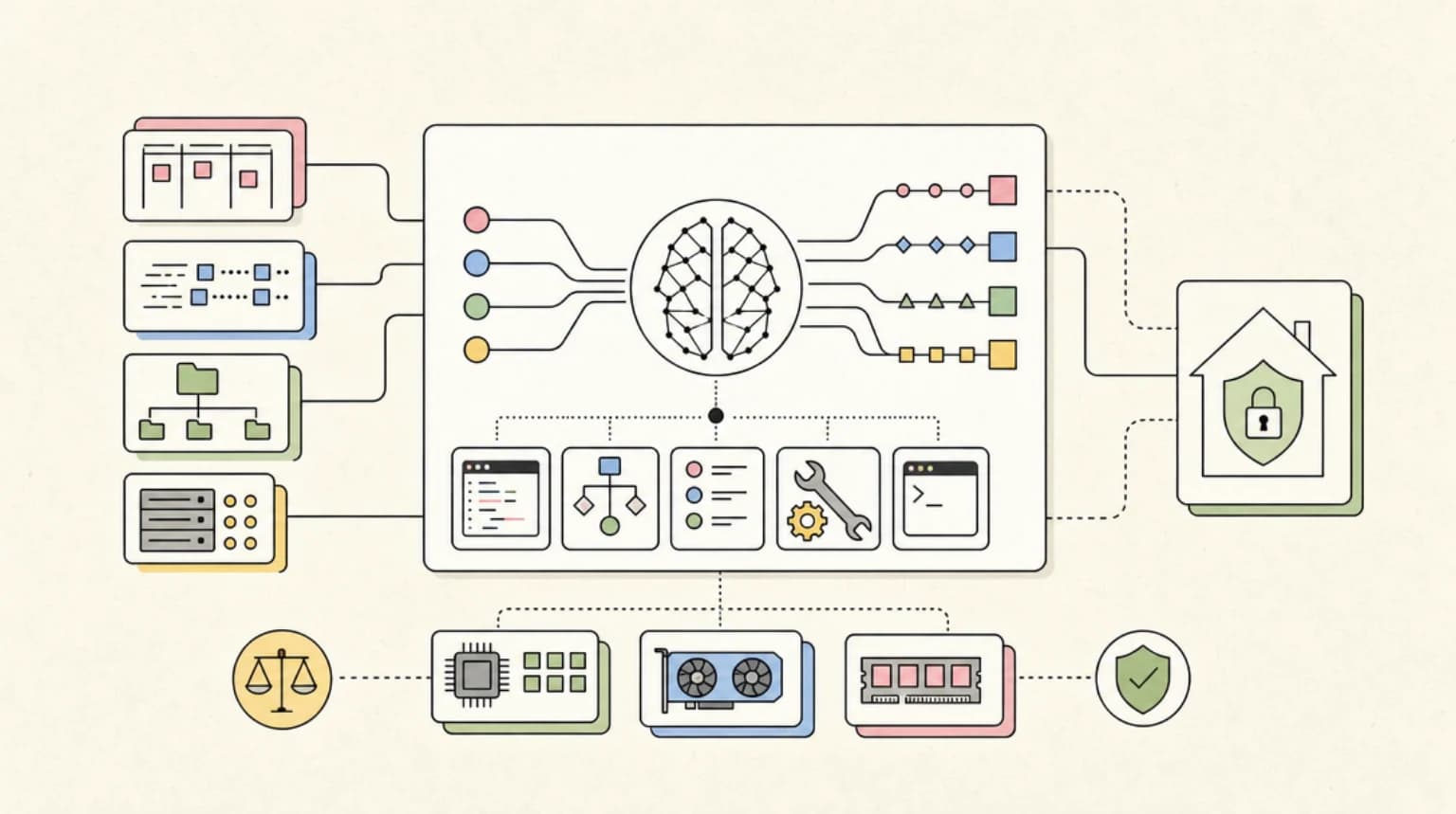
Cloudflare Runs Kimi and GLM at Scale: FP8 KV Caches, INT4 Weights, and a Cache Safety Net
Cloudflare runs Kimi K2.6 and GLM 5.2 on Workers AI with FP8 KV caches, INT4 weights and a KV cache integrity check. What each technique buys on GPU fleets.
7 min read
Qwen 3.8 Max Ships: 2.4T MoE, 1M Context, $2/$6 per MTok, Open Weights Next Week
Qwen 3.8 Max is a 2.4T-parameter MoE with 95B active, a 1M context window and $2/$6 per million tokens on QwenCloud, with open weights promised next week.
8 min read

AMD MI355X vs NVIDIA B200 vs B300 for Open-Weight Serving
AMD MI355X vs NVIDIA B200 vs B300 for serving Kimi K3's about 1.5TB of open weights: verified specs, the Wafer benchmark, and cost per token for each.
9 min read
Anthropic CEO Dario Amodei on open-weights models: the position, the pushback, and what it means for developers
Dario Amodei on open-weights models: export controls, distillation crackdowns and mandatory safety testing, the HN pushback, and what it means for developers.
8 min read
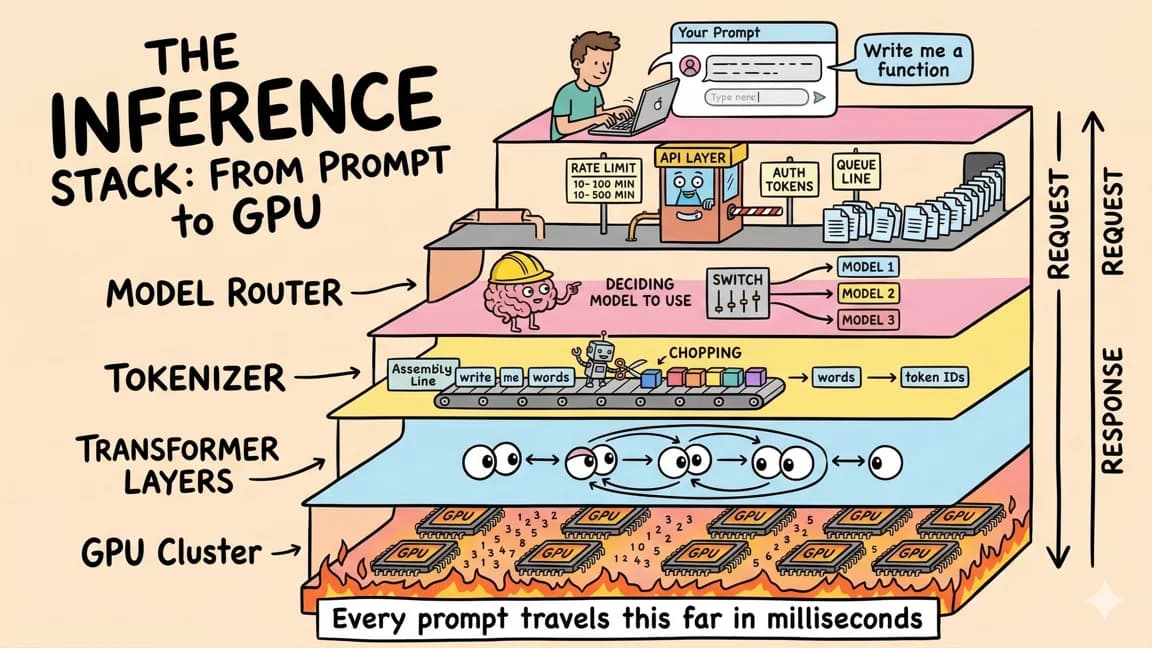
Kimi Linear: An Attention Architecture That Outperforms Full Attention
Kimi Linear explained: Moonshot's KDA hybrid linear attention beat full attention with 75% less KV cache and up to 6x faster decoding at 1M context.
9 min read
Kimi K3 Weights Land on HuggingFace: 2.8T Open Frontier Model You Can Actually Download
Kimi K3 open weights are on HuggingFace: 2.8T parameters, 1M context, native MXFP4 and a ~1.63TB download. The specs, license terms and HN reaction.
7 min read

Where to Access Kimi K3: Every Provider and Price Compared (2026)
Where to access Kimi K3: Moonshot's API at $3 input and $15 output per million tokens, OpenRouter hosts, inference clouds, and open weights.
13 min read

Kimi K3 Drops: Moonshot's 2.8T Parameter Frontier Model Takes on GPT-5.6 and Fable 5
Kimi K3 is Moonshot's 2.8T-parameter model with a 1M-token context and Delta Attention. Pricing, HN reactions and where it fits among frontier models.
6 min read
GLM 5.2 and the AI Margin Collapse Thesis
GLM 5.2 and the AI margin collapse thesis: why open-weights models could squeeze frontier lab margins, where HN pushes back, and what it means for model choice.
7 min read
GLM-5.2 Local Deployment: Running Z.ai's 744B Model on Consumer Hardware
Run GLM-5.2 locally with Unsloth dynamic quantization: hardware math for a 256GB Mac or 24GB GPU, quantization tradeoffs and lessons from the HN thread.
7 min read
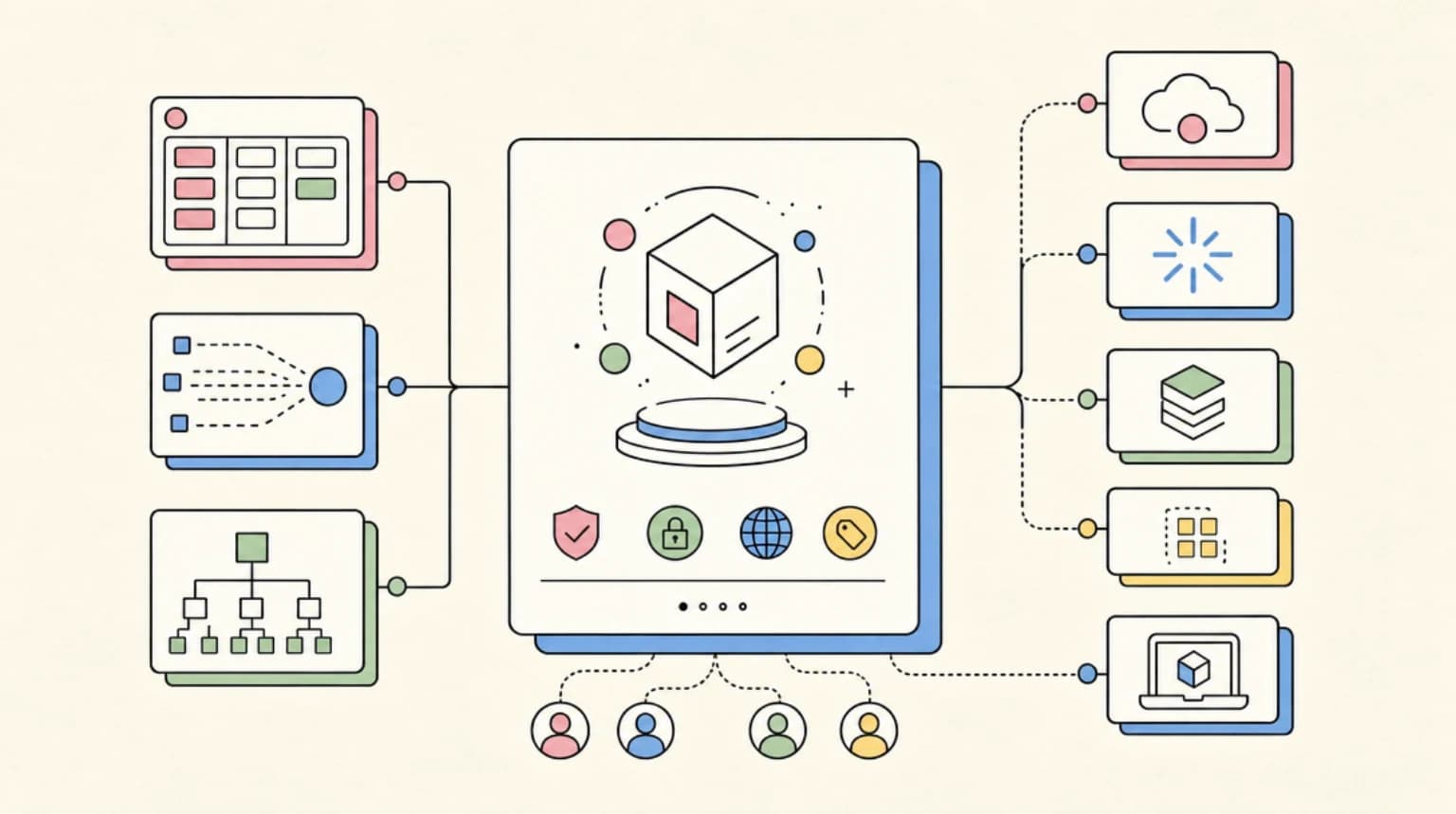
Where to Run GLM-5.2 Free and Cheap: Providers Compared
GLM-5.2 is an MIT-licensed open-weights coding model. Cheapest routes: OpenRouter hosts from about $0.36 per million input tokens, Z.ai's API, or self-host.
7 min read
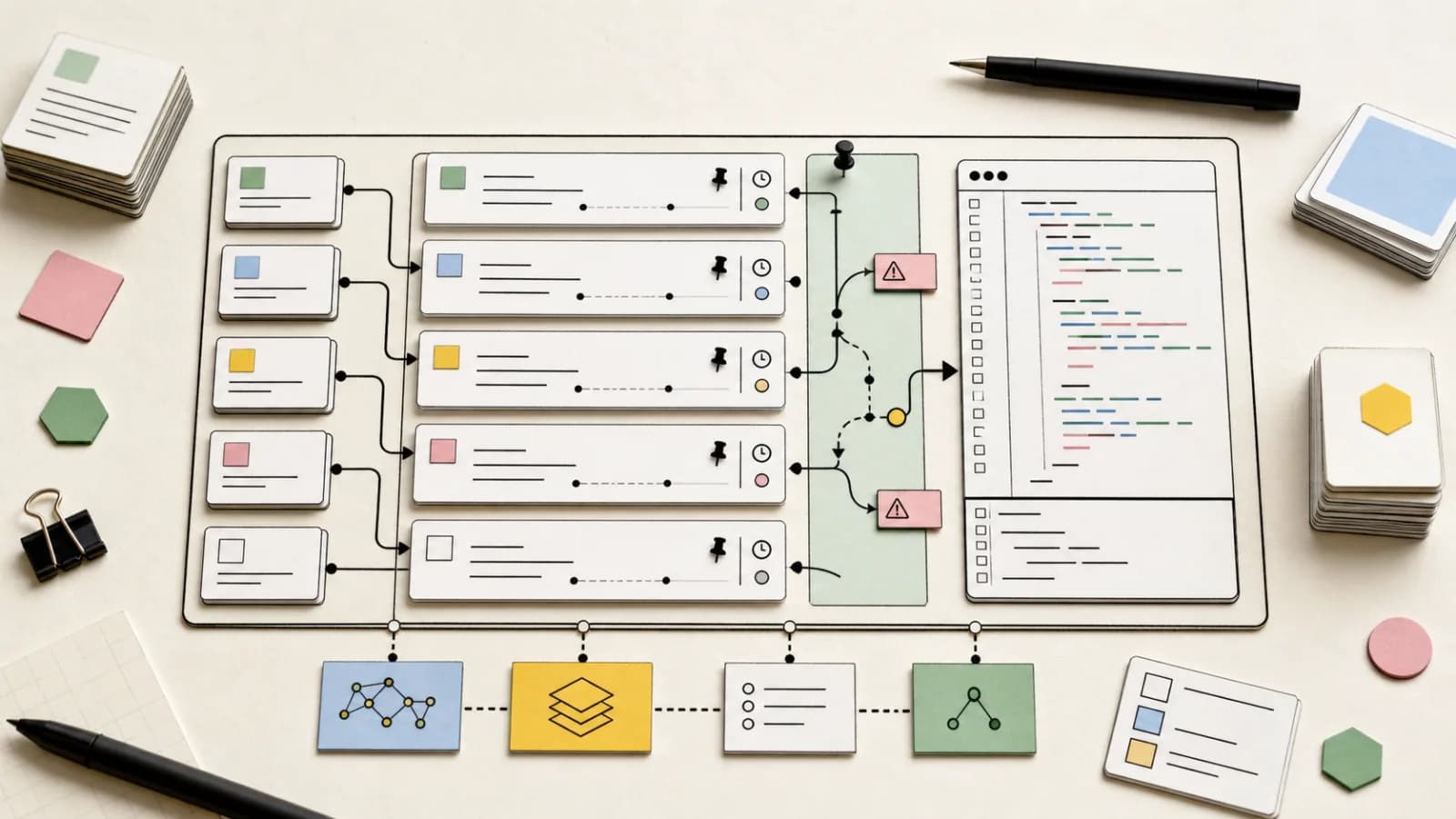
GPT-5.5 Has a 3x Higher Hallucination Rate Than MIT-Licensed GLM-5.2
GPT-5.5 hallucinates 86% of the time on AA-Omniscience when it does not know, versus 28% for MIT-licensed GLM-5.2. What the metric measures and why it matters.
6 min read
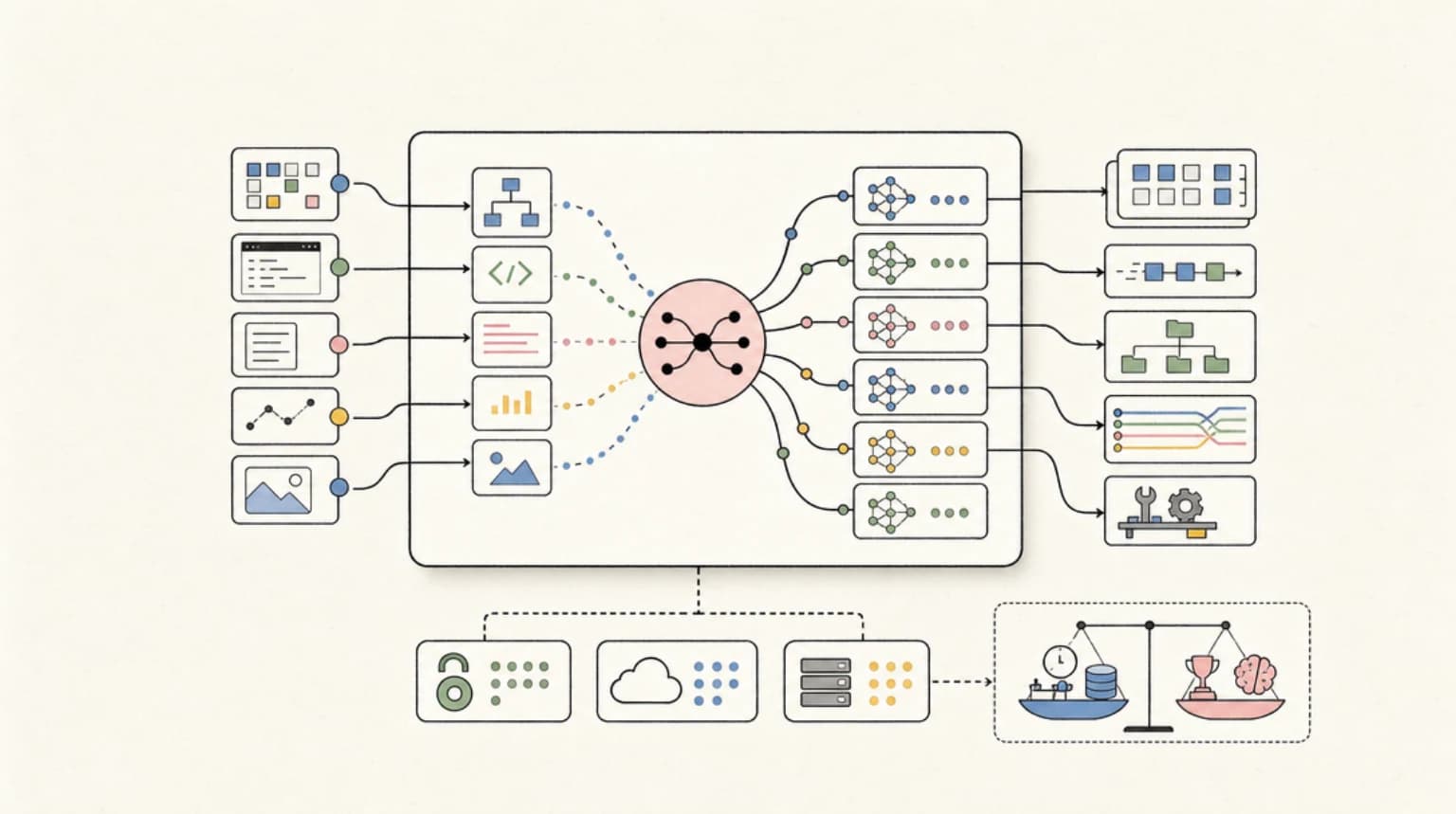
The Router Era: Why Not Owning a Frontier Model Became an Advantage
Model routers turn having no single winning model into an advantage: how routing works, why open weights and neoclouds make it cheap, and the counter-argument.
11 min read

Mellum2 Developer Guide: JetBrains' Open-Source Coding Model
Mellum2 developer guide: JetBrains' open-source 12B MoE coding model with 2.5B active parameters. How to run it locally and where it fits in your coding stack.
7 min read
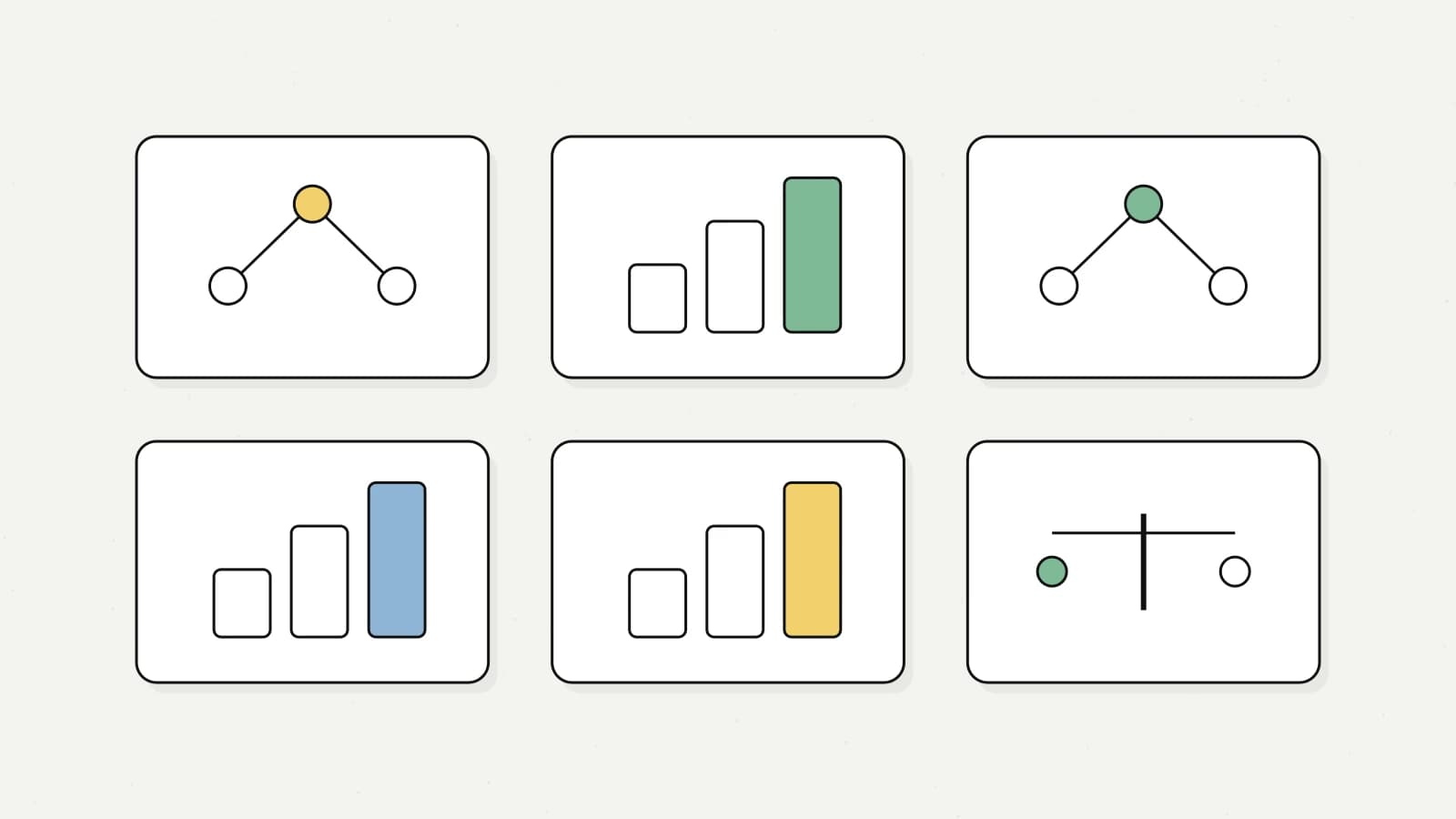
AI Model Routing: Why the Orchestration Layer Is the Next Big Play Next to the Labs
AI model routing and orchestration decide which model handles which task. How routing differs from orchestration, and practical ways to cut your model spend.
12 min read
DeepSeek V4 Economics: The Cost-Quality Frontier for Agentic Coding in 2026
DeepSeek V4 economics for agentic coding: worked cost math, the Flash vs Pro split, and when to route coding work to DeepSeek instead of a frontier model.
9 min read
GLM-5.2 Cost Math: When Open-Weights Coding Models Actually Save You Money
GLM-5.2 cost math: when Z.ai's open-weights coding model actually saves money, with per-token pricing, a worked cost-per-task example and a decision guide.
9 min read
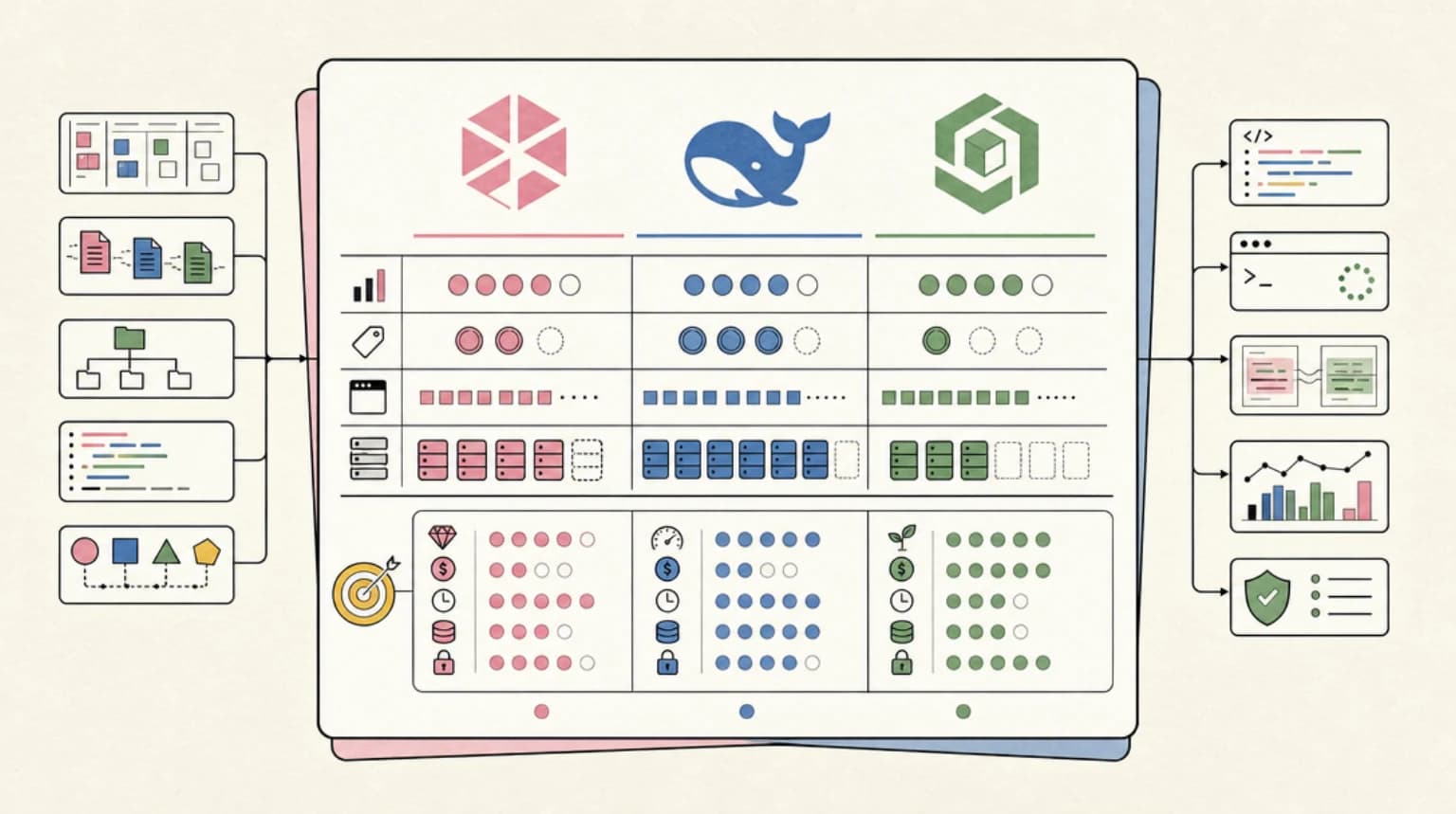
GLM-5.2 vs DeepSeek V4 vs Qwen3: The Open-Weights Coding Model Showdown (2026)
GLM-5.2 vs DeepSeek V4 vs Qwen3 vs Kimi K3: open-weights coding models compared on benchmarks, pricing, context windows, self-host footprint and best picks.
14 min read
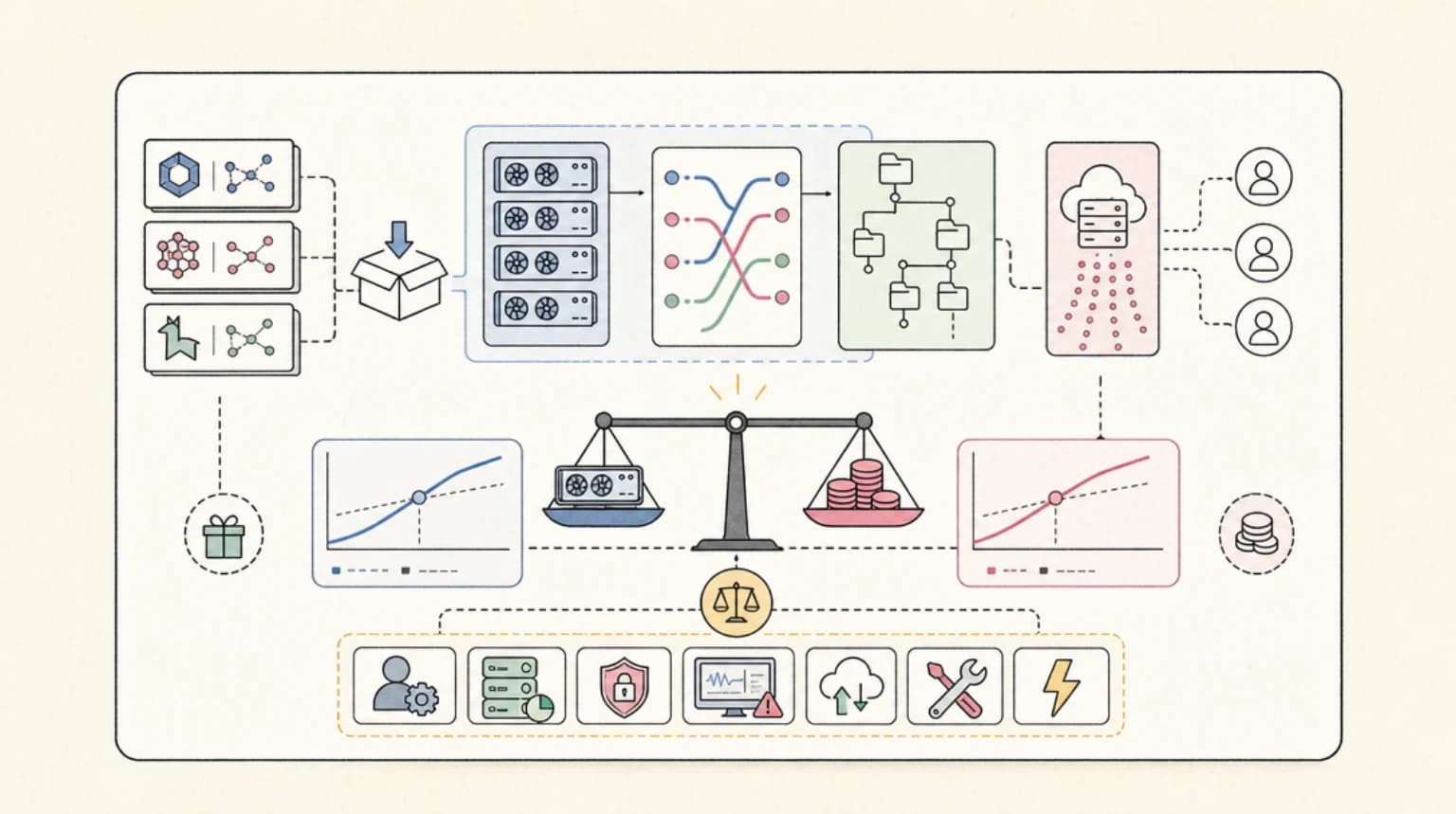
Self-Hosting Open-Weights Models: The Real Break-Even Math
Self-hosting open-weights models like GLM-5.2, DeepSeek V4 or Llama: the break-even math against per-token API prices, with GPU costs and the hidden ops bill.
11 min read
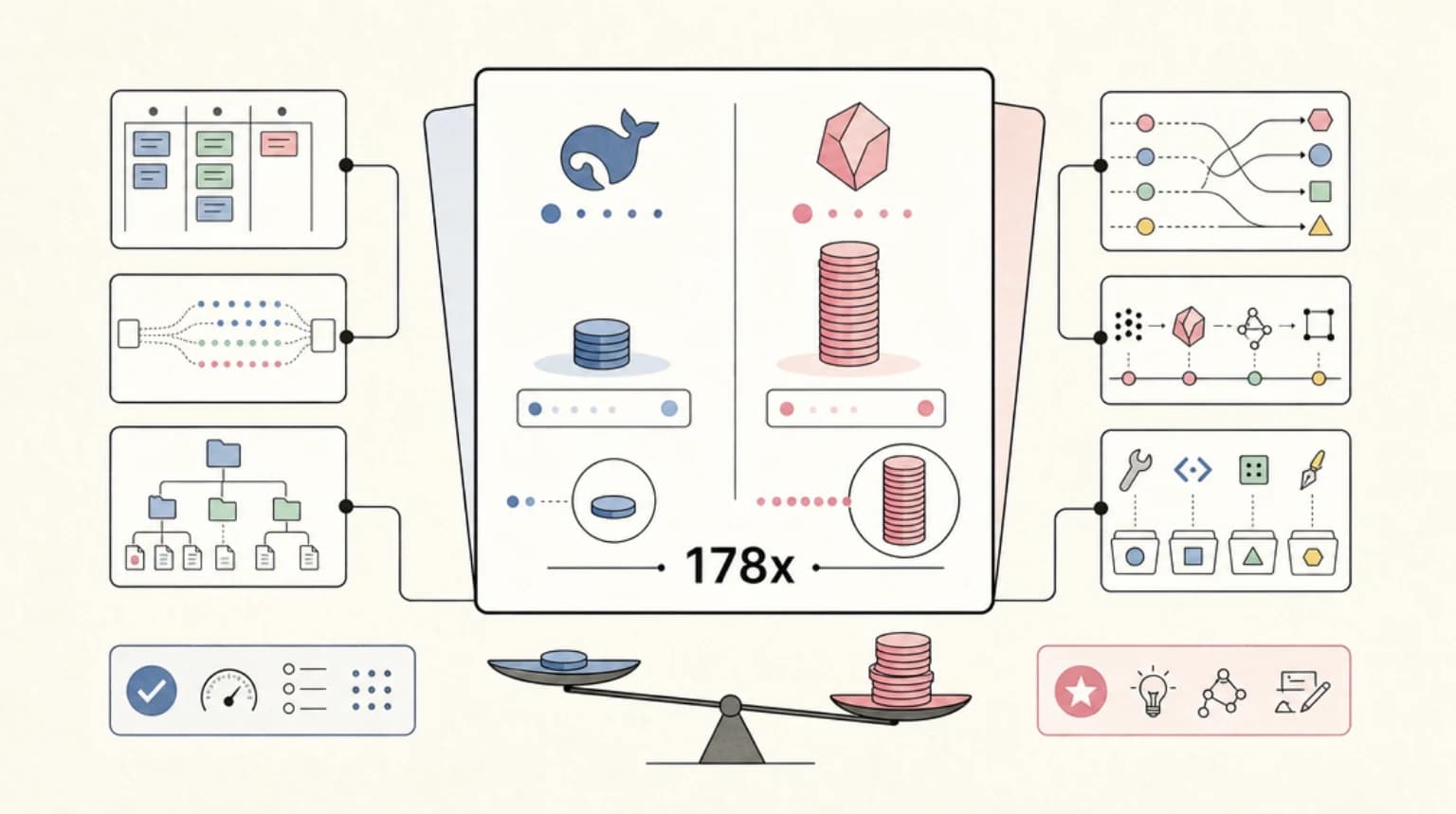
Fable 5 vs DeepSeek V4: The Cost-Quality Gap Measured in Real Tasks
Fable 5 vs DeepSeek V4 on cost and quality: a 178x output price gap, a real quality difference, and the task split most production teams end up running.
7 min read
June 10, 2026: The Day the AI Dev Tool Market Showed Its Whole Hand
June 10, 2026 AI dev tools roundup - the Fable 5 deadline, PgDog funding, a banking prompt injection, DiffusionGemma speed gains, and what to do this week.
7 min read
What the 'Notes on DeepSeek' Essay Gets Right About Open-Weights Economics
A first-hand visit to DeepSeek HQ reveals something more interesting than benchmark scores: a 300-person company that treats AI as infrastructure, not eschatology - and what that means for API pricing everywhere.
7 min read
Gemma 4: The Open Model Guide for Developers
Gemma 4 ships byte-for-byte open weights from Google DeepMind. How developers deploy it locally, fine-tune it, and ship agents on top of it.
11 min read
Keep exploring
More on Open Weights
- - Compare Tools - dive deeper across the Developers Digest knowledge base
- - All Open Weights articles in the blog archive
- - Developers Digest on YouTube - video tutorials covering Open Weights and more
Get Smarter About AI Dev
New tutorials, open-source projects, and deep dives on coding agents - delivered weekly.
One email per weekReal code, not theoryFree forever
Explore 844 topics
Browse All Topics