Topic
PRICING
All blog posts, tools, and guides about Pricing from Developers Digest.
43 resources - 42 posts, 1 tool
Blog Posts
View in blog →
GPT-6.1 Sol Release Guide: Near-Astra Agentic Work at $2/$10 and $0.10 Cache Reads
OpenAI shipped GPT-6.1 Sol on September 29: near-Astra benchmark scores at a fifth of Astra's price, cache reads cut to $0.10 per million tokens, 1.05M context, and same-day Codex availability. The verified pricing, the Astra 6.1 safety hold, the community read, and how to run it.
7 min read
Claude Cowork vs Claude Code (2026): Which One Should You Use, and What Does It Cost?
Claude Code is Anthropic's agent for software engineering; Claude Cowork is the same agent loop pointed at documents, spreadsheets, and research. Both come with every paid Claude plan from $17/month. Here is how to pick, with a verified September 2026 pricing table.
9 min read
Codex Usage Limits and Pricing in 2026: Pro 100, Pro 200, Pro 500, Resets, and 'Model at Capacity' Errors
Codex is included in ChatGPT plans from Free to Enterprise. On September 29, 2026, OpenAI reopened Pro $200 with roughly half the old usage value, added Pro $500 with Astra Ultrafast, and left Plus at $20/month. Existing Pro $200 subscribers keep their old allowance through October 29, 2026. Here is how resets work, what each plan buys, and what to do about 'Selected model is at capacity'.
14 min read
GPT-6 Sol vs Claude Opus 5.5 vs Grok 4.7: The September 2026 Price War
Three frontier launches in 48 hours repriced the agentic workhorse tier: Grok 4.7 at $2/$6 (Sep 21), Claude Opus 5.5 at $4/$20 with $0.20 cache reads (Sep 22), and GPT-6 Sol at $2/$10 with Luna at $0.10/$0.50 (Sep 22). Same-day-verified rates, honest benchmark attribution, and a decision guide.
9 min read

Where to Run DeepSeek V4.1 Flash Free and Cheap
DeepSeek V4.1 Flash replaced V4 Flash. Official API: $0.15 input, $0.60 output off-peak. OpenRouter hosts start near $0.05. MIT weights are on Hugging Face.
6 min read
Where to Run GLM-5.3 Free and Cheap: Providers Compared
GLM-5.3 is Z.ai's open-weights coding model. Run it through Z.ai's API at $1.40 per million input tokens, cheaper OpenRouter hosts, a Coding Plan, or self-host.
7 min read

DeepSeek V4 Flash Is 90% Off Through Novita on Vercel AI Gateway: The Cost Math
DeepSeek V4 Flash routed to Novita on Vercel AI Gateway is 90% off for Pro customers through August 11, dropping the effective rate to $0.014 input / $0.028 output per million tokens. Here is the verified before/after math, the provider-pinning setup, and what a 10x cheap agent loop means for routing decisions.
6 min read

Cursor Removes Dollar Costs From Its Usage Page: Token-Only Reporting Now
Cursor shipped a deliberate change on July 31 making the Usage page tokens-only for self-serve plans, removed the dollar Cost column, and zeroed per-request cost fields in the dashboard API - including for historical records. Staff confirmed the change is intentional and that the numbers are still tracked internally.
6 min read

Budget AI Coding Models Compared September 2026: GPT-6 Luna vs V4.1-Flash vs Gemini 3.5 Flash vs Haiku 4.5
The cheap coding tier repriced again: GPT-6 Luna opened at $0.10/$0.50 and took the floor from DeepSeek, whose V4.1-Flash cut rates to $0.15/$0.60 off-peak. Gemini 3.5 Flash and Claude Haiku 4.5 hold the hosted middle. Prices verified September 26, 2026.
10 min read
OpenAI Cuts GPT-5.6 Luna by 80%: The Price-Performance Frontier Just Shifted
OpenAI slashes GPT-5.6 Luna by 80% to $0.20/M input tokens, cuts Terra by 20%, adds Sol Fast mode at 2.5x speed, and reveals Sol autonomously optimized its own production kernels.
7 min read
AI Model Routing Strategies for Cost-Effective Coding in 2026
A practical guide to routing between Claude Opus 5, Sonnet 5, Haiku 4.5, GPT-5.6 Sol/Terra/Luna, and Kimi K3 based on task complexity, cost budget, and latency requirements - with decision frameworks and code examples.
10 min read
OpenAI Cuts GPT-5.6 Luna 80% and Terra 20%: The Cost-Per-Task Math for Agent Builders
Luna drops from $1/$6 to $0.20/$1.20 per million tokens, Terra from $2.50/$15 to $2/$12, and Sol gets a paid Fast mode. What the new floor means for agent economics, Codex quotas, and the competition.
8 min read

Where to Access Kimi K3: Every Provider and Price Compared (2026)
Where to access Kimi K3: Moonshot's API at $3 input and $15 output per million tokens, OpenRouter hosts, inference clouds, and open weights.
13 min read

How Much Should I Charge for a Website? A Practical Pricing Guide
A practical way to price website projects using scope, time, risk, and value, with real examples for landing pages, business sites, and custom builds.
9 min read
GLM 5.2 and the AI Margin Collapse Thesis
Martin Alderson's argument for why open-weights models like GLM 5.2 will compress frontier lab margins is sparking debate on HN. Here is what the thesis actually says, where HN agrees and disagrees, and why it matters for developers choosing models.
7 min read
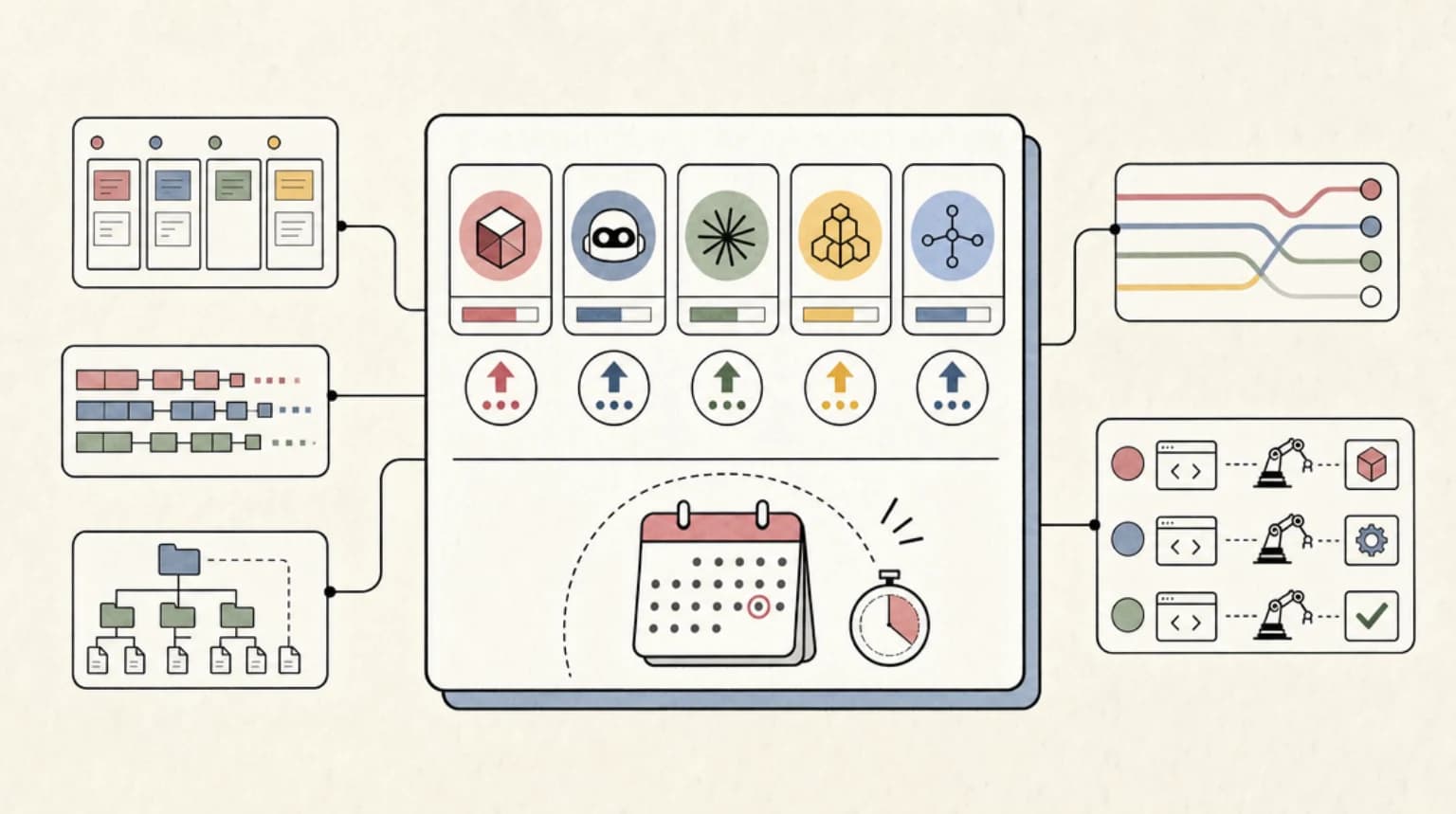
Why Price Per 1M Tokens Is a Misleading Metric for LLM Costs
Comparing LLMs by token pricing alone can lead you to choose worse, more expensive models. Cost per task tells the real story.
6 min read
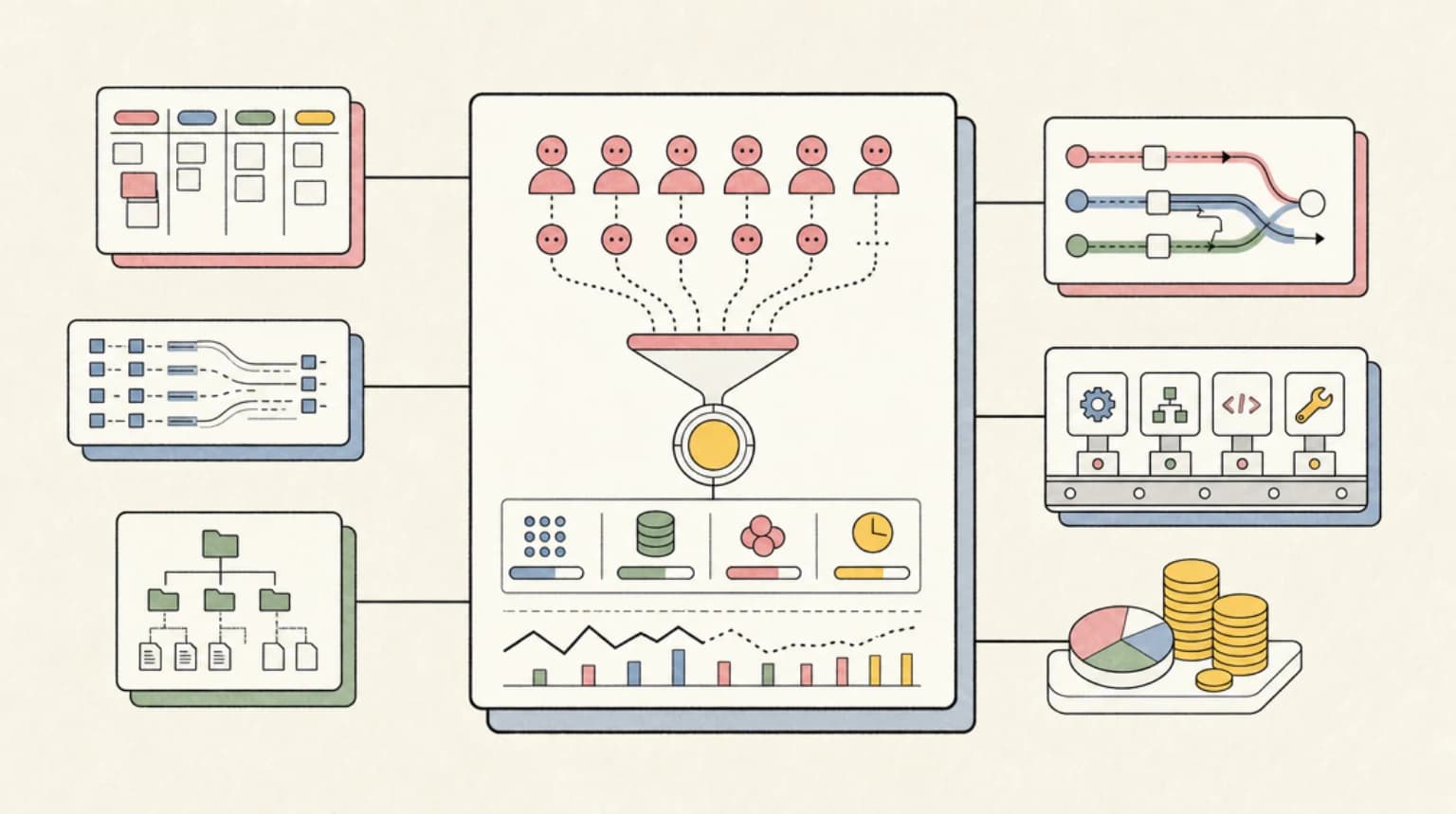
The Economics of Agent Fleets: Fable 5 Orchestrators, Sonnet 5 Workers
One expensive orchestrator plus many cheap workers beats an all-frontier fleet for most workloads. Here is the decision-intent cost math with verified Fable 5, Sonnet 5, and Opus 4.8 prices, plus the Sonnet 5 tokenizer caveat that changes worker cost.
8 min read

Claude in Microsoft Foundry on Azure: Developer Guide 2026
Claude is now GA in Microsoft Foundry on Azure with native billing, Entra ID auth, and GB300 Blackwell infrastructure. Here is the full developer setup - CCU pricing, SDK examples, deployment options, and what enterprise teams need to know.
8 min read
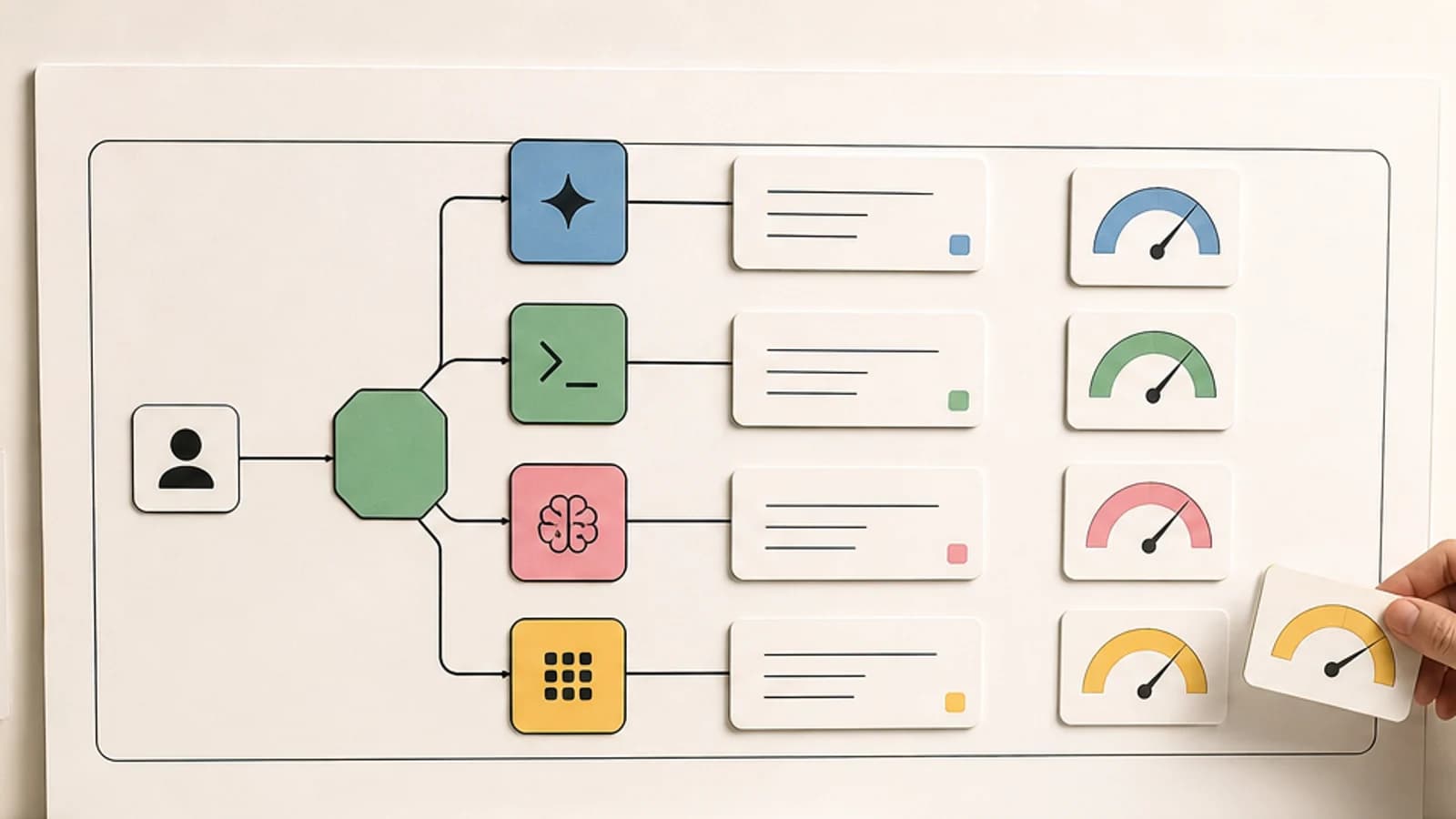
AI's Affordability Crisis Is Really an Agent Cost Accounting Problem
A viral Hacker News thread about AI affordability points at the right problem, but developer teams need a more useful cost model: retries, cache misses, review time, routing, and failed loops.
8 min read
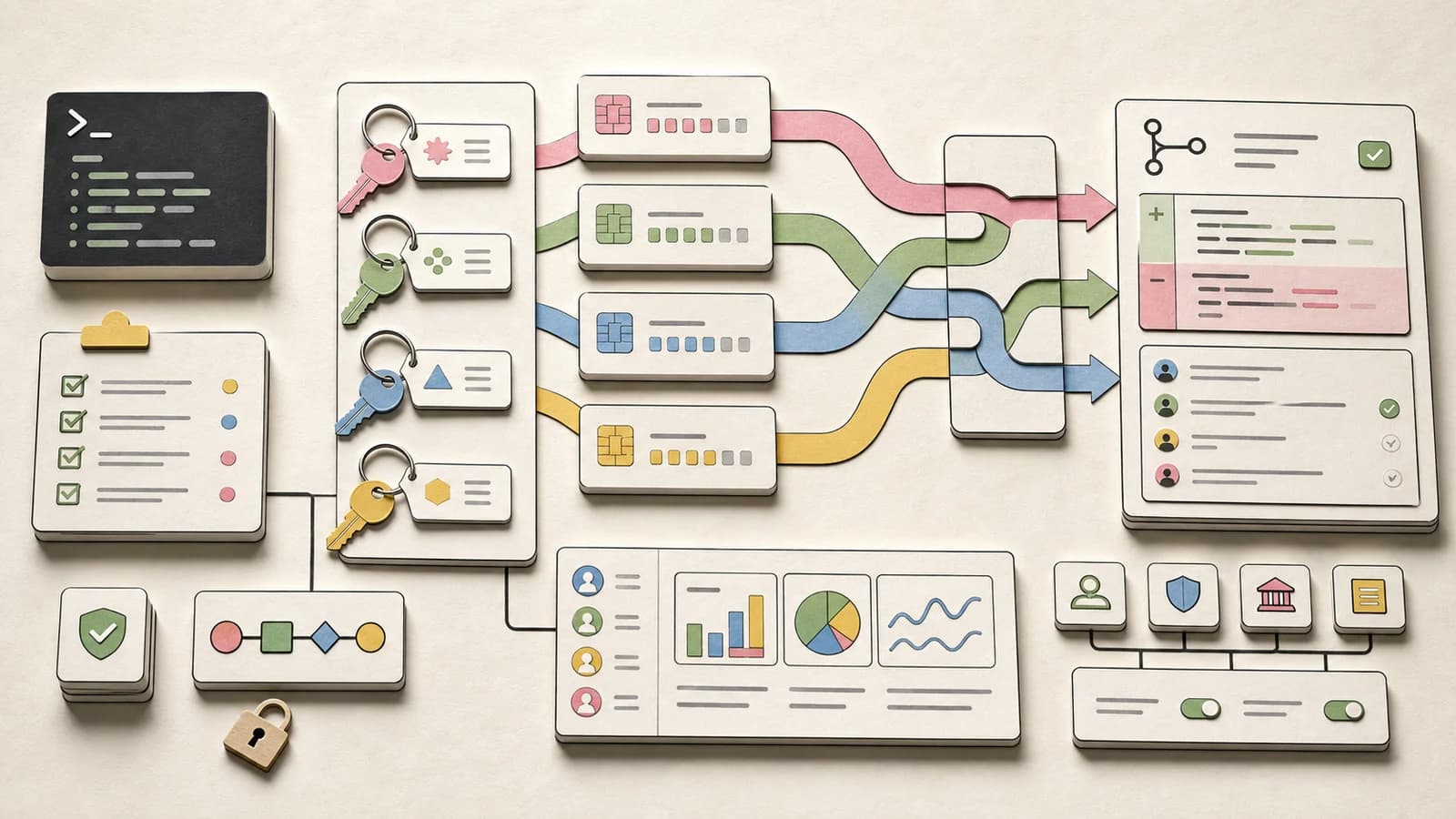
GitHub Copilot CLI, BYOK, and AI Credits: The New Cost-Control Stack
GitHub's June Copilot updates point beyond autocomplete: CLI access, bring-your-own-key model routing, AI credit metrics, and external agent providers make Copilot a governed agent platform.
8 min read
Where to Run GLM-5.2 Free and Cheap: Providers Compared
GLM-5.2 is an MIT-licensed open-weights coding model. Cheapest routes: OpenRouter hosts from about $0.36 per million input tokens, Z.ai's API, or self-host.
7 min read
The $500M Claude Bill: A Spend-Guardrails Playbook for AI-Native Teams
A company accidentally spent $500M on Claude in one month. Uber torched its whole 2026 AI budget by April. The fix is not less AI - it is guardrails. Here is the playbook: caps, alerts, gateway spend limits, model routing, prompt caching, and approval workflows.
11 min read
GLM-5.2 Cost Math: When Open-Weights Coding Models Actually Save You Money
Z.ai's GLM-5.2 lands as a 753B open-weights coding model that beats GPT-5.5 on SWE-bench Pro for roughly one-sixth the per-token cost. Here is the real cost math, a worked cost-per-task example, and a when-to-use-which decision guide.
9 min read
Model Routing Recipes: Practical Config Patterns to Cut AI Spend
A code-heavy field guide to model routing. Real, runnable-style configs for tiering tasks by complexity, routing simple work to open-weights, reserving frontier models for hard reasoning, building failover chains, and keeping prompt caches warm with OpenRouter, LiteLLM, and Factory Router.
11 min read
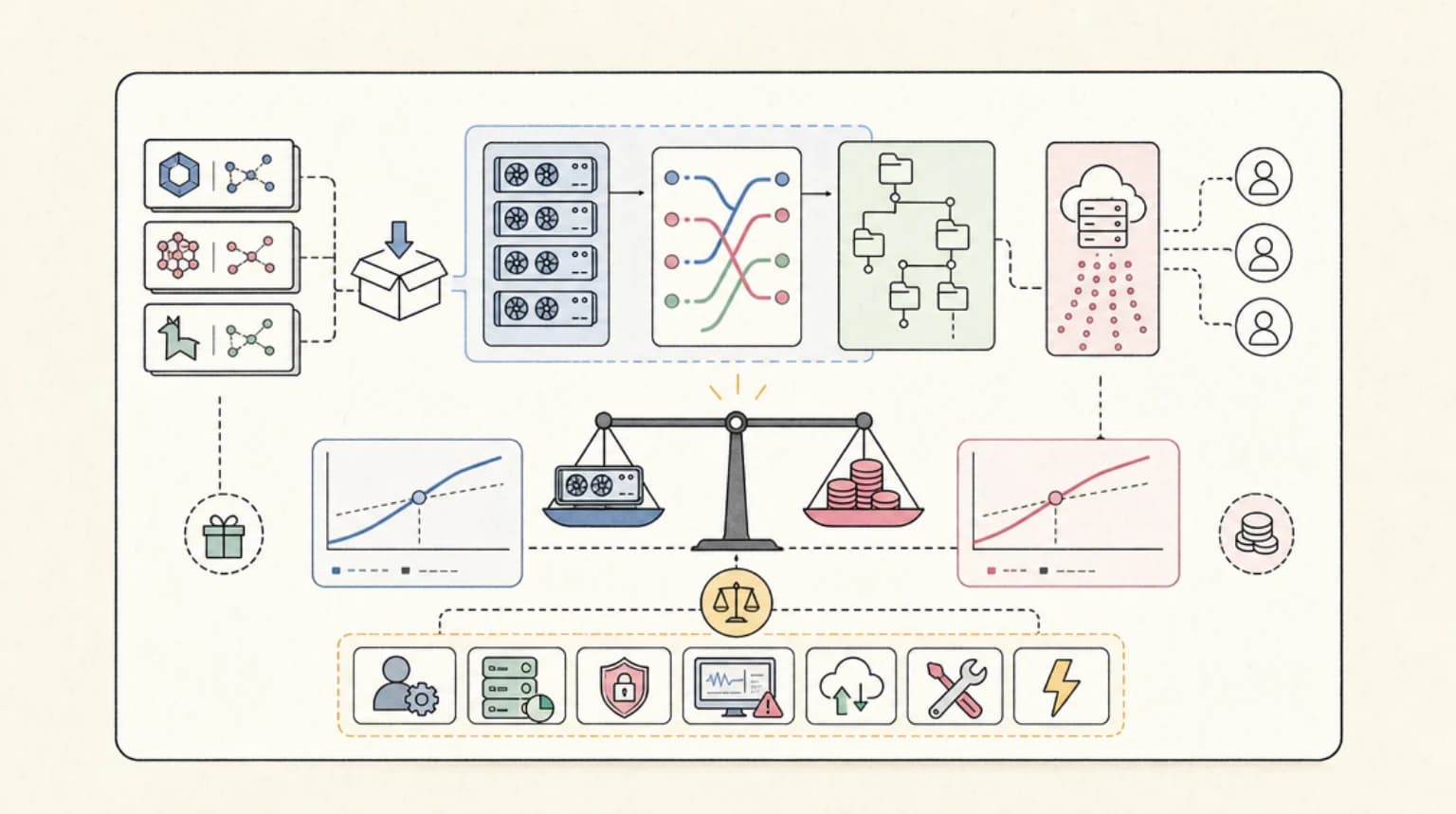
Self-Hosting Open-Weights Models: The Real Break-Even Math
Open weights are free to download, but inference is not free to run. Here is the honest break-even math on when self-hosting GLM-5.2, DeepSeek V4, or Llama beats paying per-token API prices - GPU rental and ownership costs, real throughput, utilization, the crossover in tokens per month, and the hidden ops bill nobody budgets for.
11 min read
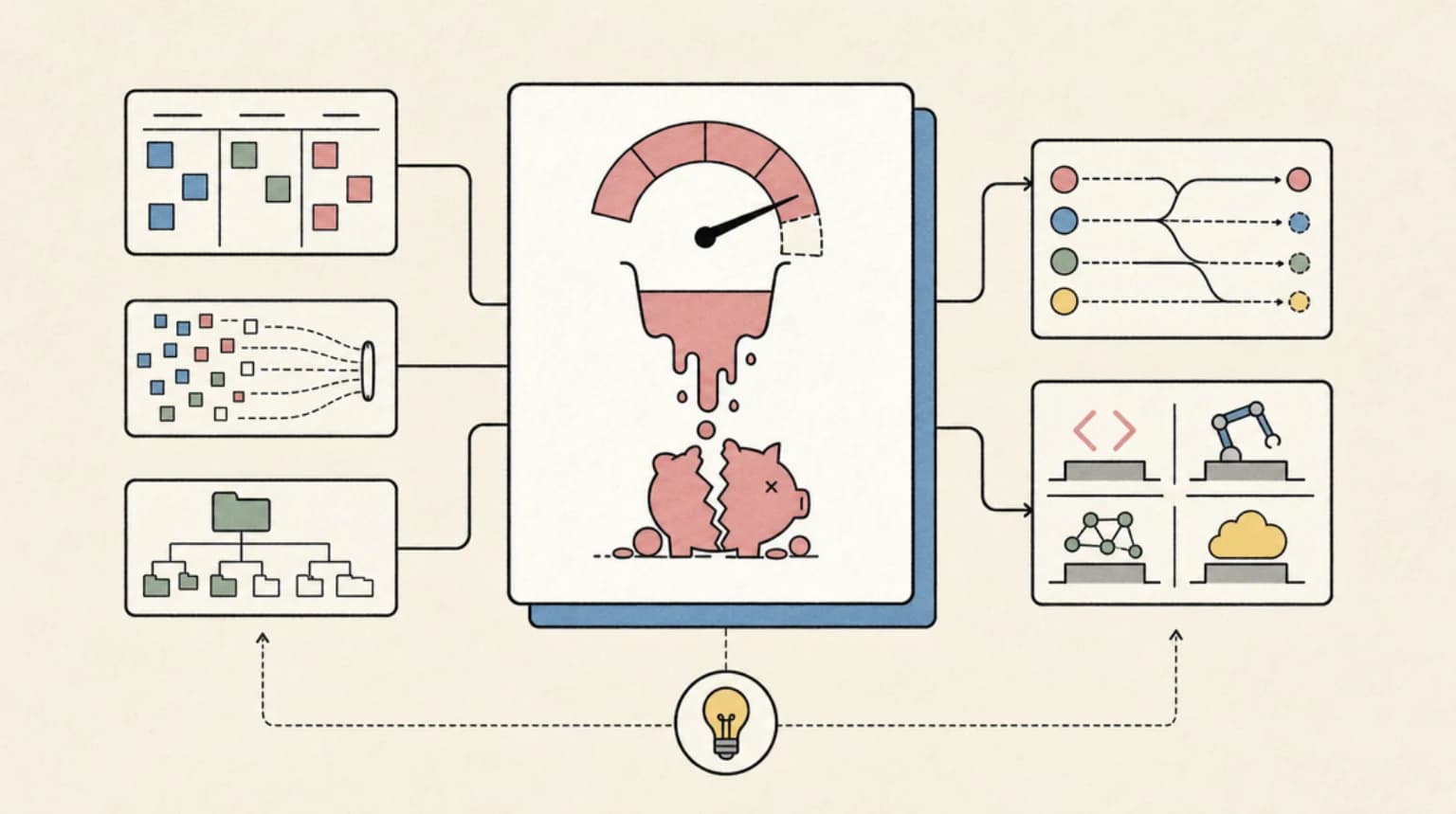
Enterprise AI Coding Budget Blowouts: What Uber and Microsoft Teach Us
Uber burned through its entire 2026 AI tools budget by April. Microsoft is canceling Claude Code licenses company-wide. What enterprise teams can learn from the first major AI coding tool budget crises.
8 min read
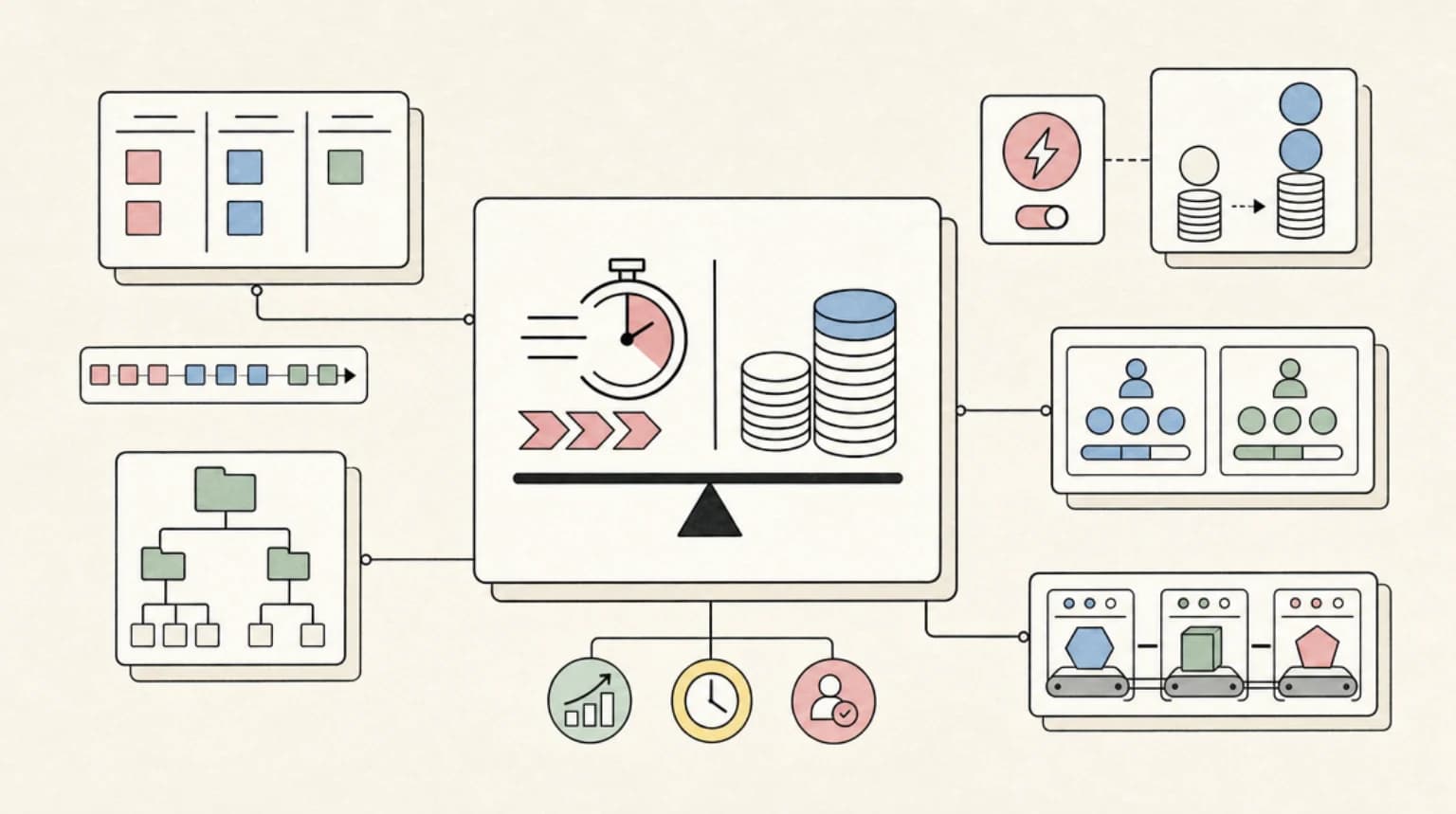
Claude Code Fast Mode: When 2.5x Speed Is Worth 2x Price
Claude Code fast mode pricing explained: $10/$50 per MTok on Opus 4.8, the first-enable context charge, separate rate limit pools, and when 2.5x speed pays off.
8 min read
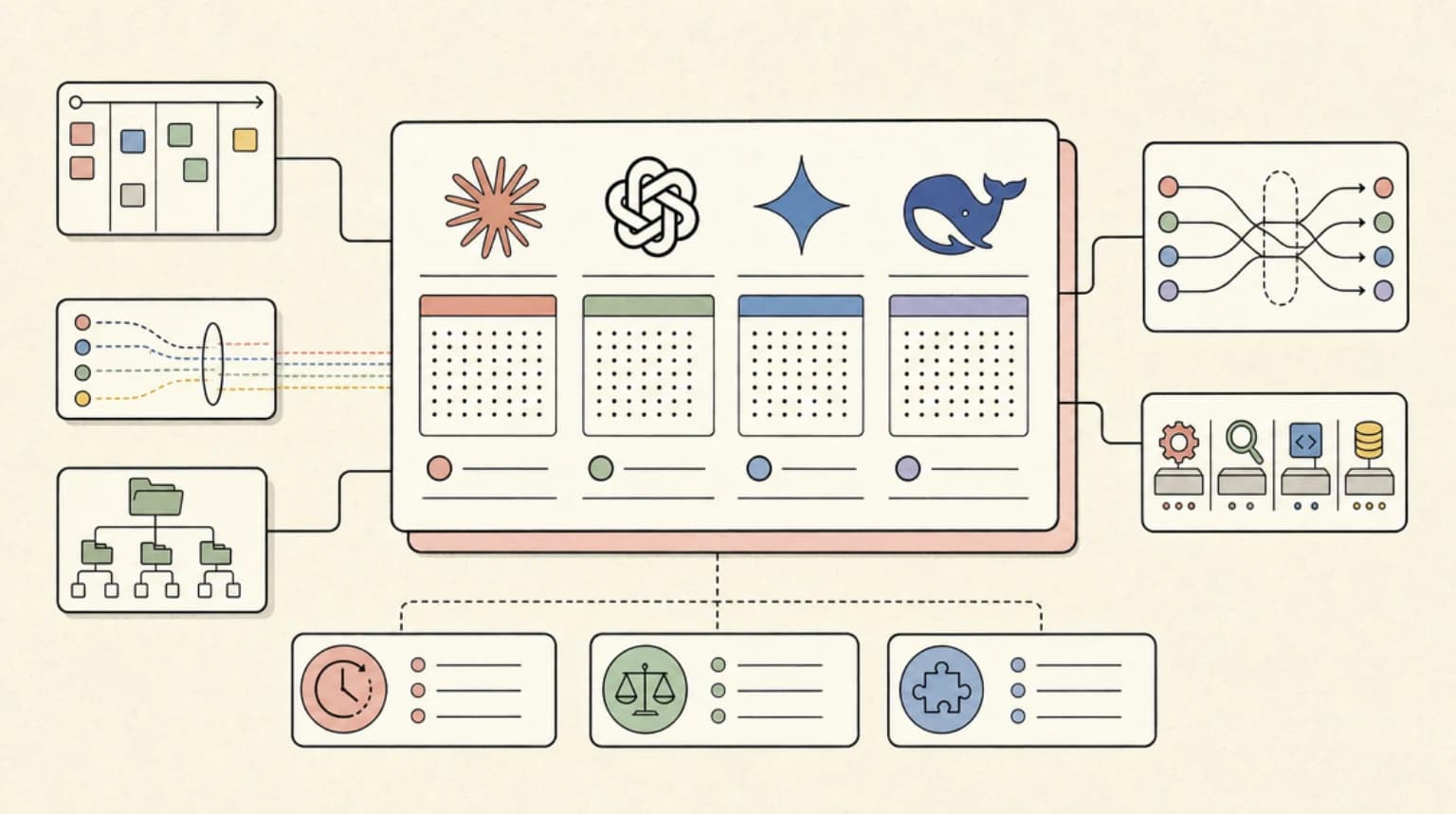
Frontier Model API Pricing, September 2026: Claude vs OpenAI vs Gemini vs DeepSeek
Same-day-verified llm api pricing september 2026: Claude Fable 5.1 and Opus 5.5, GPT-6 Astra/Sol/Luna, Grok 4.7, Claude Sonnet 5, and DeepSeek V4.1-Flash compared per million tokens, plus the caveats that change the math.
11 min read
The Frontier Model Landscape, July 2026 Edition
A verified directory of the frontier AI models in July 2026 - Claude Fable 5, Opus 5, GPT-5.6 Sol/Terra/Luna, Sonnet 5, Gemini 3.1 Pro, Kimi K3, and DeepSeek V4 - with pricing checked against official docs.
12 min read
What a Fleet of Claude Agents Actually Costs (July 2026 Math)
Claude Code parallel agents cost real money because every session draws from one quota - here is the July 2026 budgeting math, verified against live pricing.
10 min read
Anthropic Model Names Explained: Fable, Mythos, Opus, Sonnet
Anthropic's model names: Haiku, Sonnet, Opus, then Fable and Mythos. What each tier means, the current model IDs and prices, and which one to pick.
6 min read
Claude Fable 5 Access After the June 22 Deadline: Where Things Stand
Fable 5's two-week free window on Pro, Max, Team, and Enterprise plans closed June 22. Here's what changed, what the credit system actually costs, and how to think about the model now that the deadline is history.
6 min read
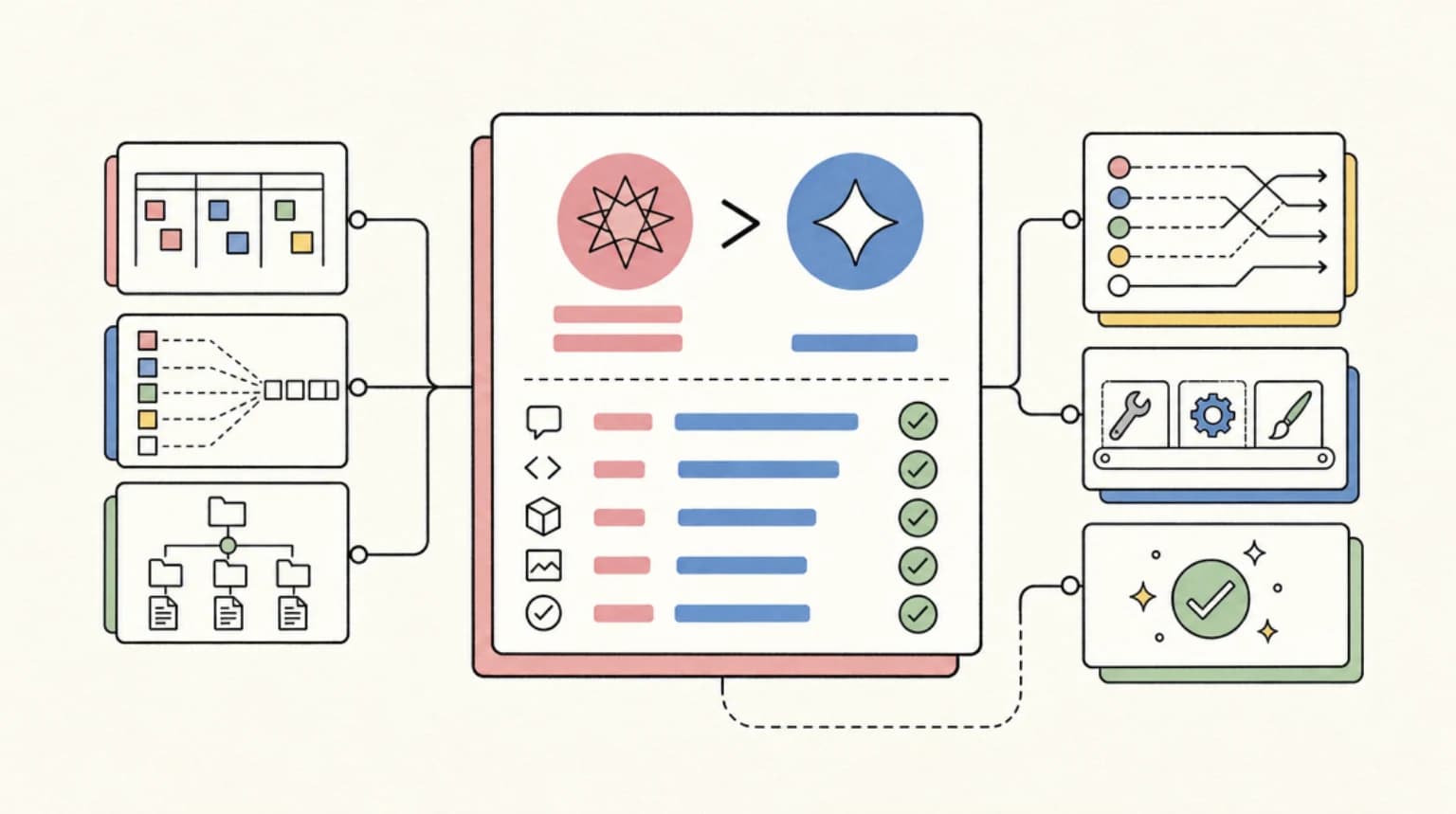
Claude Fable 5 Pricing: Real Cost Per Task vs Opus 4.8, GPT-5.5 and Codex
Fable 5 lists at $10/$50 per million tokens - twice Opus 4.8. But list price is the wrong number. Here is the cost-per-outcome math that actually decides whether the upgrade pays.
9 min read
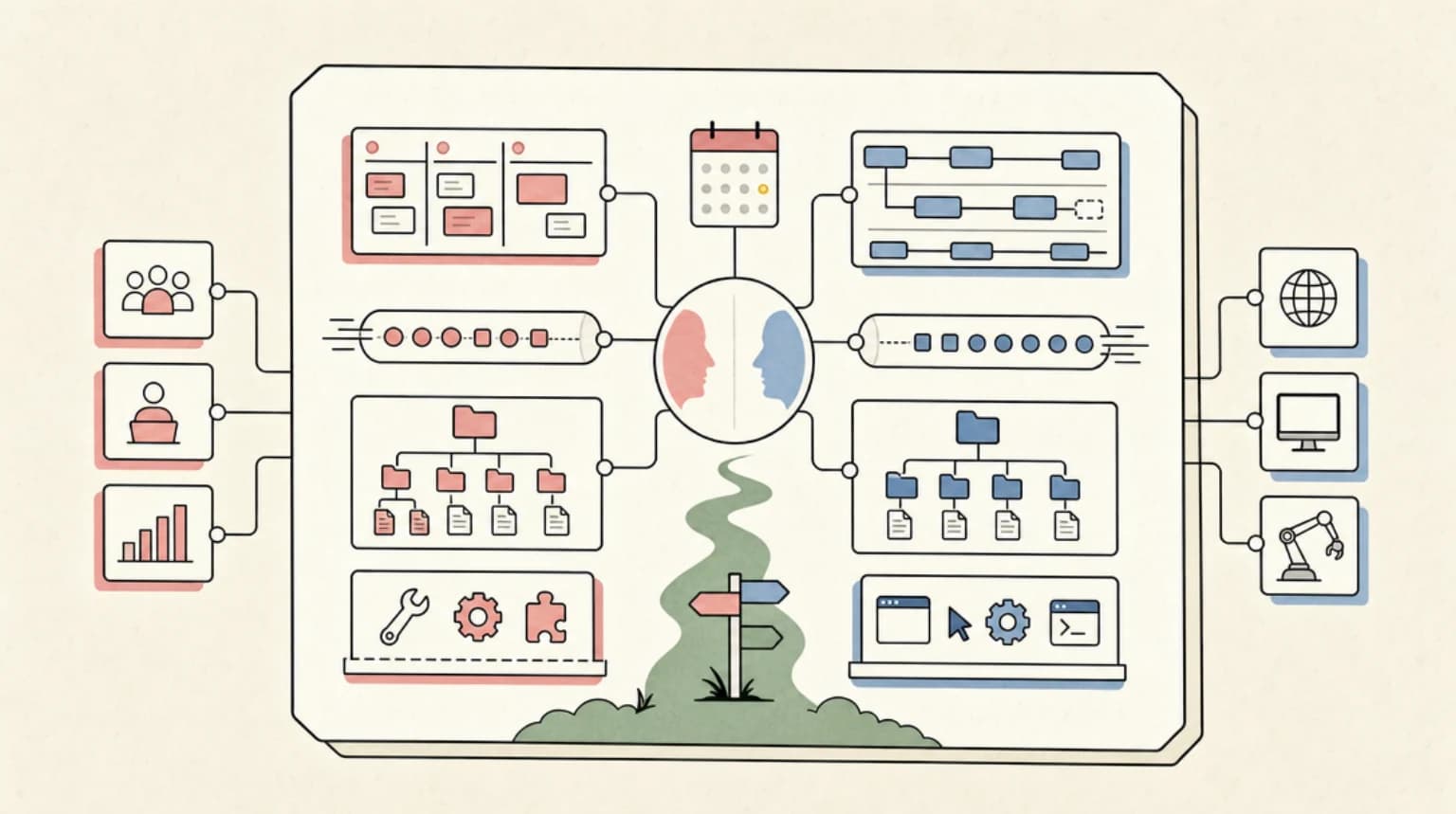
Codex vs Claude Code in 2026: Which AI Coding Agent Should You Use?
Pick Claude Code for ambiguous, multi-file work you want to plan, extend with skills and MCP, and orchestrate across agents. Pick Codex for well-scoped tasks, strong defaults, and one ChatGPT subscription for chat and code. GPT-6, Opus 5.5, and pricing verified September 28, 2026.
12 min read
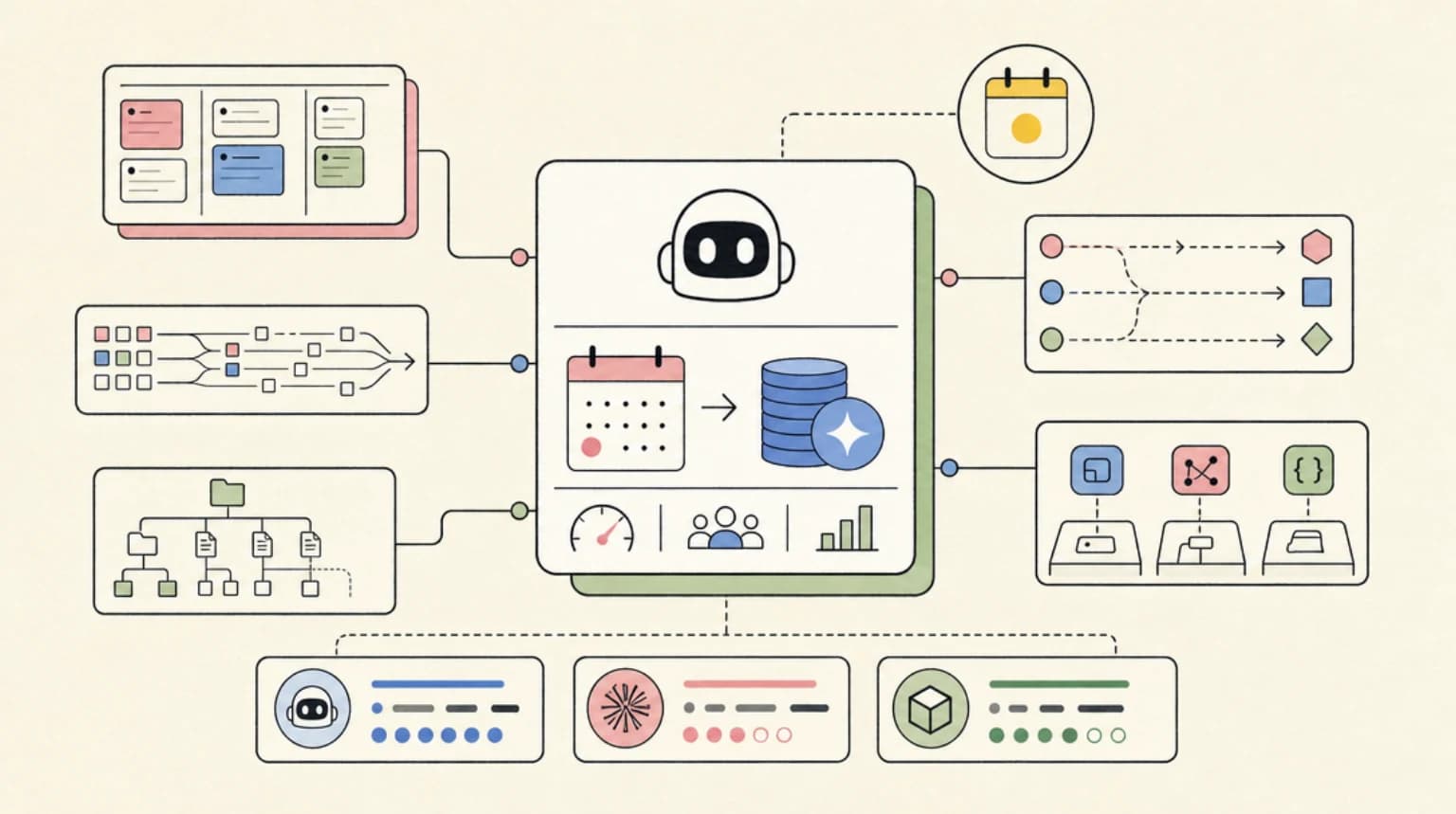
GitHub Copilot's New Usage-Based Billing: What Changed June 1 and What It Costs Now
GitHub Copilot switched to AI Credits billing on June 1 - here is what the change means for your team's budget, how Copilot Max fits in, and how costs compare to Claude Code and Codex.
8 min read
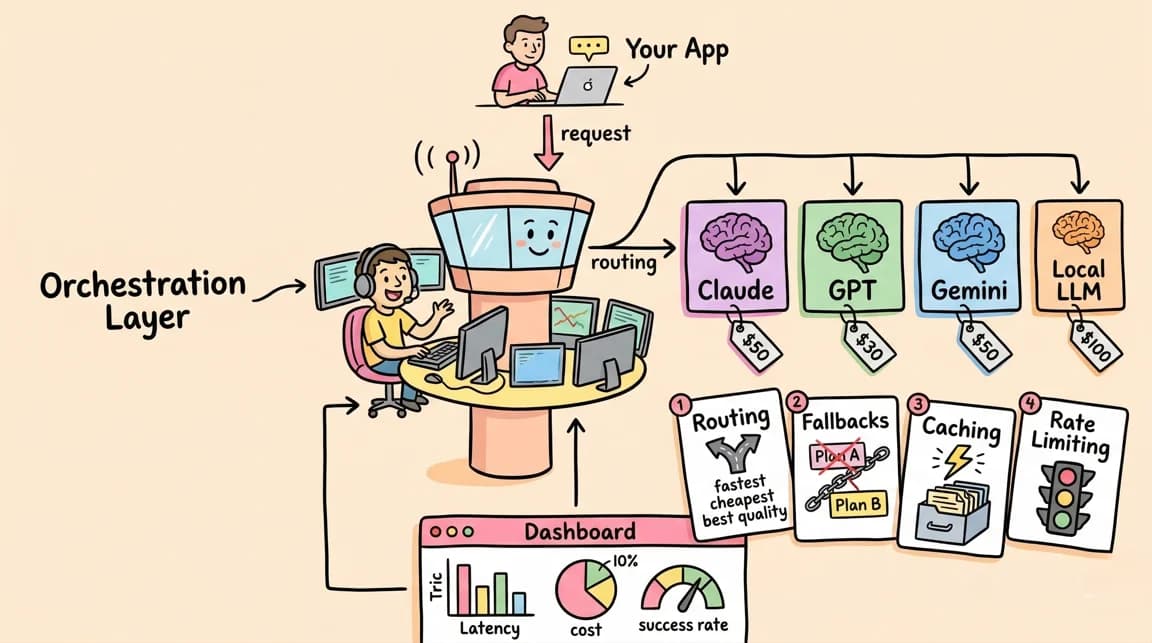
LLM Routers Compared: LiteLLM vs Portkey vs OpenRouter in 2026
A practical comparison of LLM routing tools - LiteLLM, Portkey, and OpenRouter - covering cost management, fallbacks, caching, and when to use each for production AI applications.
10 min read
The New AI Coding Stack I Would Pick Today
If I were rebuilding my AI coding workflow on May 30, 2026, I would not pick one magic tool. I would pick a layered stack: terminal agent, editor, background agent, Mastra, CopilotKit, MCP, context, security, and cost controls.
11 min read
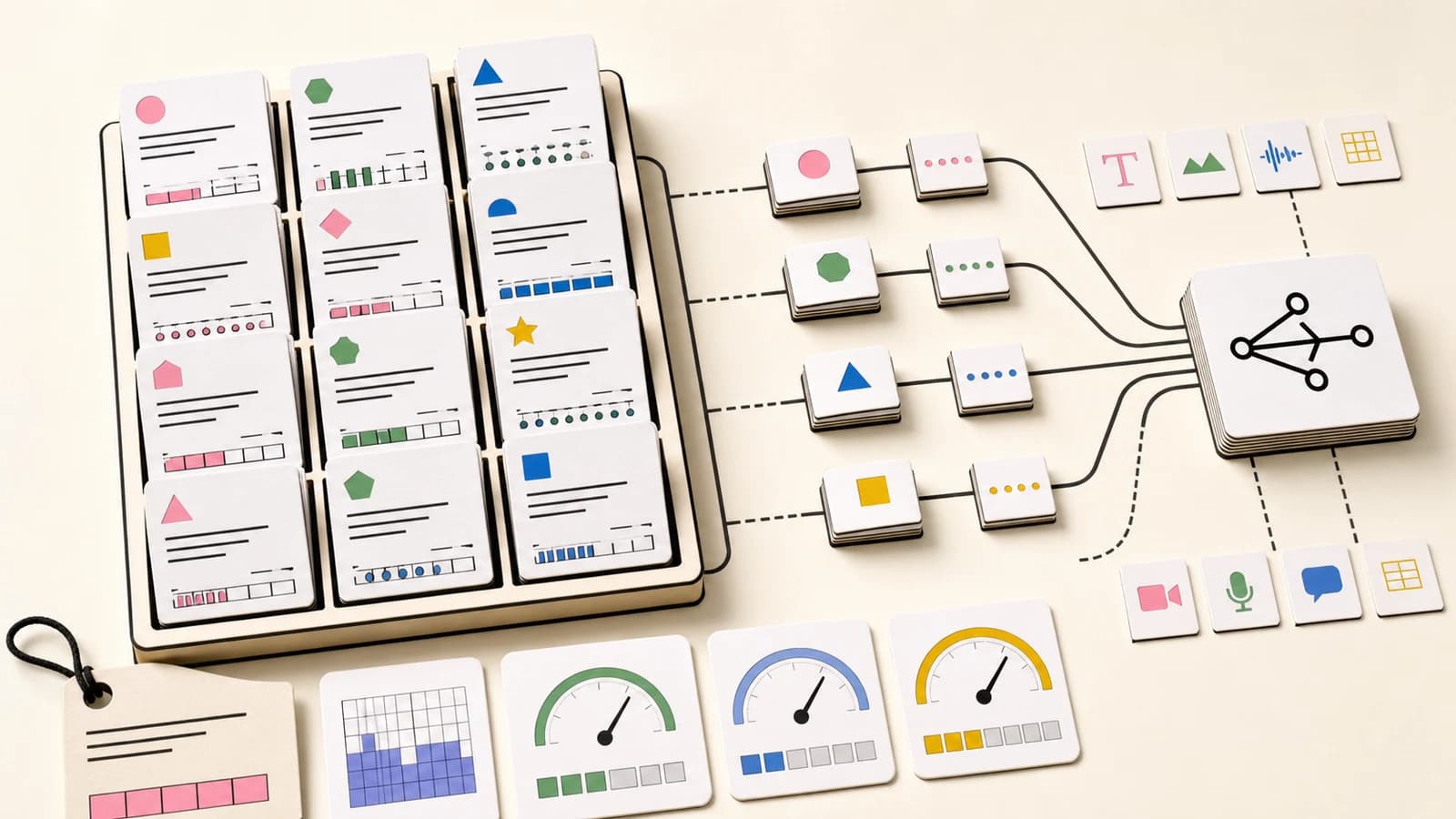
Models.dev Makes Model Routing Feel Like Infrastructure
The models.dev project is trending because AI teams need one boring source of truth for model specs, pricing, context windows, modalities, and tool support.
7 min read

Six Paid Products in a Day: DD's Bet on Agent Infra for Small Teams
DD shipped six paid products in a single day. The thesis is simple: agent infra for small teams. $20 a month each, $50 for the bundle. Here's what we shipped, what's alpha, and what's still being wired.
9 min read
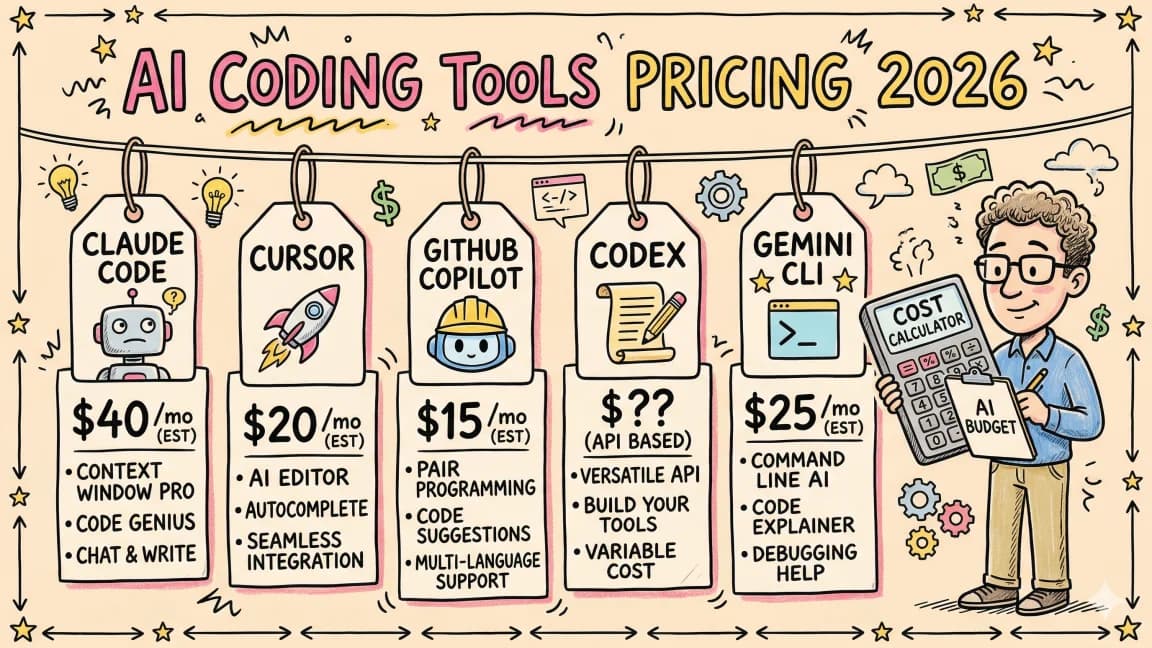
Copilot Pro+ Premium Requests Explained in 2026: What Teams Miss in Pricing Comparisons
A practical breakdown of GitHub Copilot Pro and Pro+ in 2026, focused on premium request economics, the June 2026 move to AI Credits, and how to avoid request-burn surprises.
9 min read
AI Coding Tools Pricing Comparison 2026
AI coding tools pricing, verified September 28, 2026: Claude Code, Codex, Cursor (including Composer 2.5), GitHub Copilot, Google Antigravity, Claude Cowork, Windsurf, and more. Free tiers, pro plans, hidden costs, and what you actually get for your money.
12 min read
Google Antigravity in 2026: IDE, Antigravity 2.0, CLI, Pricing and Limits Explained
Google Antigravity is now a family: the Antigravity IDE, the agent-first Antigravity 2.0 desktop app, the agy CLI, IDE extensions, and a Python SDK. It is free with a weekly limit, with more quota on Google AI Pro ($19.99/mo) and Ultra. Here is what each piece does, what it costs, and how the limits work.
11 min read
Keep exploring
More on Pricing
- - Autumn - recommended Pricing tool from the Developers Digest directory
- - Glossary - dive deeper across the Developers Digest knowledge base
- - All Pricing articles in the blog archive
- - Developers Digest on YouTube - video tutorials covering Pricing and more

Get Smarter About AI Dev
New tutorials, open-source projects, and deep dives on coding agents - delivered weekly.
One email per weekReal code, not theoryFree forever
Explore 938 topics
Browse All Topics