Your Old Prompts Are Making Claude Worse: Lance Martin's Checklist for Frontier Models

AI Engineer 2026: Anthropic Talks
21 parts- 1Claude for Long-Horizon Tasks: Lance Martin's Four Rules for Agents That Run for Hours
- 2Inside the Claude Managed Agents Workshop: Pets, Cattle, Outcomes and Dreaming
- 3How Anthropic Builds: Mike Krieger on Being Unreasonable With Claude
- 4How Jarred Sumner Ships Millions of Lines of Agent-Written Code
- 5A Field Guide to Fable: Thariq Shihipar on Unhobbling Claude and Finding Your Unknowns
- 6Claude Tag Lands 65% of Anthropic's Product PRs: Takeaways From Cat Wu and Thariq Shihipar
- 71,000 Claude Agents, Git and a Database: How Fable 5.2 Formalized Fermat Without a Custom Harness
- 8Your Old Prompts Are Making Claude Worse: Lance Martin's Checklist for Frontier ModelsCurrent
- 9Why One Agent Isn't Enough: Anthropic on Flows, UltraCode and Running 1,000 Agents
- 10Tokens Should Have Jobs: Anthropic's Case for Advisors, Graders and Dreamers
- 11Give the Agent a Budget, Not a Token: Anthropic's CI Team on Safe Agent Permissions
- 12Rethinking Claude Code Best Practices: Lydia Hallie on Getting Out of the Loop Safely
- 13How Anthropic Merges 30,000 Code Changes a Day: Addy Osmani on Verifying the Software Factory
- 14Using LLMs to Secure Source Code: Eugene Yan's Six-Step Pipeline From Anthropic
- 15From Messages API to Managed Agents: Anthropic's Applied AI Team on Harnesses That Go Stale
- 16Forward Deployed Engineering 101: When Your AI Startup Needs FDEs, From Palantir to Anthropic
- 17The Enterprise Tech Stack for AI Agents: Why Your POC Stalls and How to Design Past It
- 18The Claude Certified Architect Exam as a Field Guide to Agentic Engineering
- 19The Future of MCP: David Soria Parra on Connectivity, Progressive Discovery and Skills Over MCP
- 20Gateways Are All You Need: How Anthropic Thinks About MCP in the Enterprise
- 21How to Build Agents That Run for Hours: Anthropic's Planner, Generator and Evaluator Harness
TL;DR
Anthropic's Lance Martin on why most apps sit inside the cost-quality frontier: prompt debt, broken prompt caching, climbable evals and hill climbing without overfitting.
Most teams treat cost and quality as a straight tradeoff: pay more for a bigger model and you get better results. In this hour-long AI Engineer session, Lance Martin of Anthropic argues that most applications are not even on that tradeoff curve. They sit inside it, paying too much for too little, because of a handful of fixable misconfigurations.
The talk is short on slides and long on Q&A, and it is one of the more directly actionable talks Anthropic has given.
Source: Your Old Prompts Are Making Claude Worse, Lance Martin, Anthropic, AI Engineer. Figures are as reported in the talk.
The Frontier You Are Not On#
Picture a chart with cost on one axis and quality on the other. Fable sits at the top right, then Opus, Sonnet and Haiku below. Those models trace a Pareto frontier. Martin's claim is that most production apps sit well inside it: you could get the same quality for less, or more quality for the same money, by fixing configuration rather than switching models.
They walk through the fixes in order.
Fix 1: Audit Your Prompts for Debt#
Prompts accumulate debt like code does. Techniques that helped older models are now dead weight or actively harmful:
- "Think step by step." Frontier models decide when and how to think on their own.
- Verification rituals like "double-check your work." They already verify.
- Thoughtfulness boosters like "be maximally thorough." They are already thorough, and the booster just burns tokens.
- Prescribed scratchpads telling the model where and how to think.
- Contradictory rules. Older models with weaker instruction following would quietly ignore one of two conflicting rules, so the prompt "worked." Frontier models try to honor both and get confused.
The cost is double: more tokens spent, and sometimes worse output. This matches what Anthropic's Claude Code team found when it cut most of its own system prompt; see Claude 5 context engineering rules and Thariq Shihipar's field guide to Fable.
Martin's practical recommendation is the prompt-audit capability in the claude-api skill bundled with Claude Code, which scans prompts, tools and skills in your working directory for these anti-patterns and removes them. They showed it invoked from Claude Code both through the configuration checkup and through the claude-api skill; check the current Claude Code docs for the exact command names on your version.
Their evidence was a synthetic eval of about 50 customer support tickets. They simulated a migration from Opus 4.8 to Opus 5.5 with each anti-pattern injected. Migrating alone gave some cost savings and a small quality bump. Running the prompt audit on top gave a further improvement in both cost and quality, mostly by removing rituals that made Opus 5.5 spend excess tokens.
Fix 2: Actually Hit the Prompt Cache#
This is basic, and Martin's point is that people still get it wrong. Agents run many turns, each adding a little to a mostly repeated context. Cached input tokens are billed at a fraction of the base rate (they cited roughly a tenth; check the pricing page for current numbers) and are faster.
The trap: the cache is a strict prefix match. Change a single byte early in the prompt and everything after it misses.
They suggest layering prompts from most stable to least:
| Layer | Cache scope |
|---|---|
| System instructions and tool definitions | Global, across all sessions |
| Project files like CLAUDE.md and memory | Per project |
| Session state | Per session |
| Messages | Grow each turn |
The Claude Console shows your cache hit rate per application, and the Claude Code team tracks its own hit rate "religiously." The same claude-api skill includes a caching diagnostic that looks for prompt structures that break the prefix.
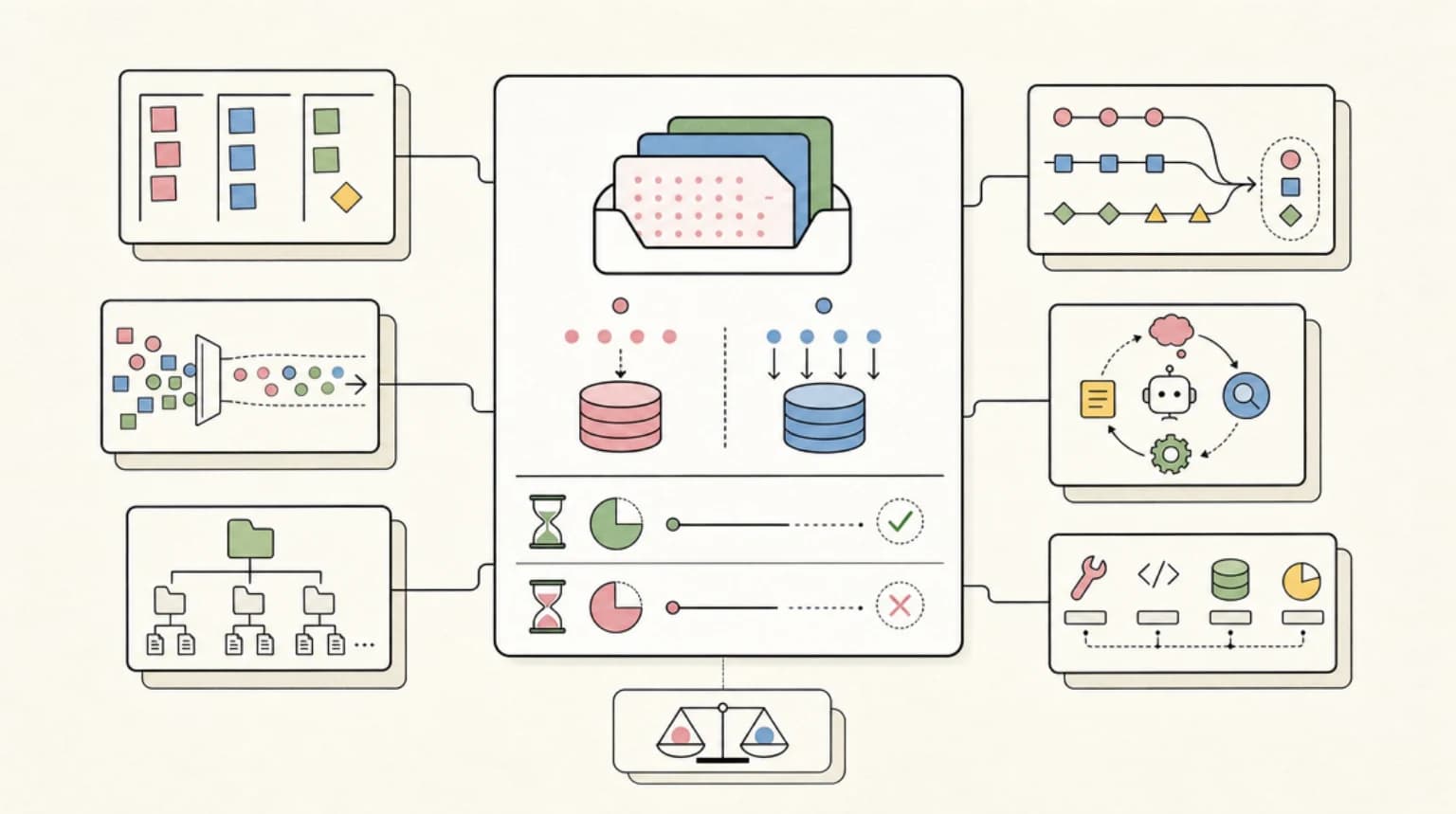
The number that stood out: when Martin and Anthropic's applied AI team ran that diagnostic on internal benchmarks with default harnesses, they found cost reductions of up to 72% with no meaningful change in performance, because those harnesses were not caching properly. That is free money. Our deeper analysis is in Fable 5 prompt caching economics.
Fix 3: Build an Eval Claude Can Climb#
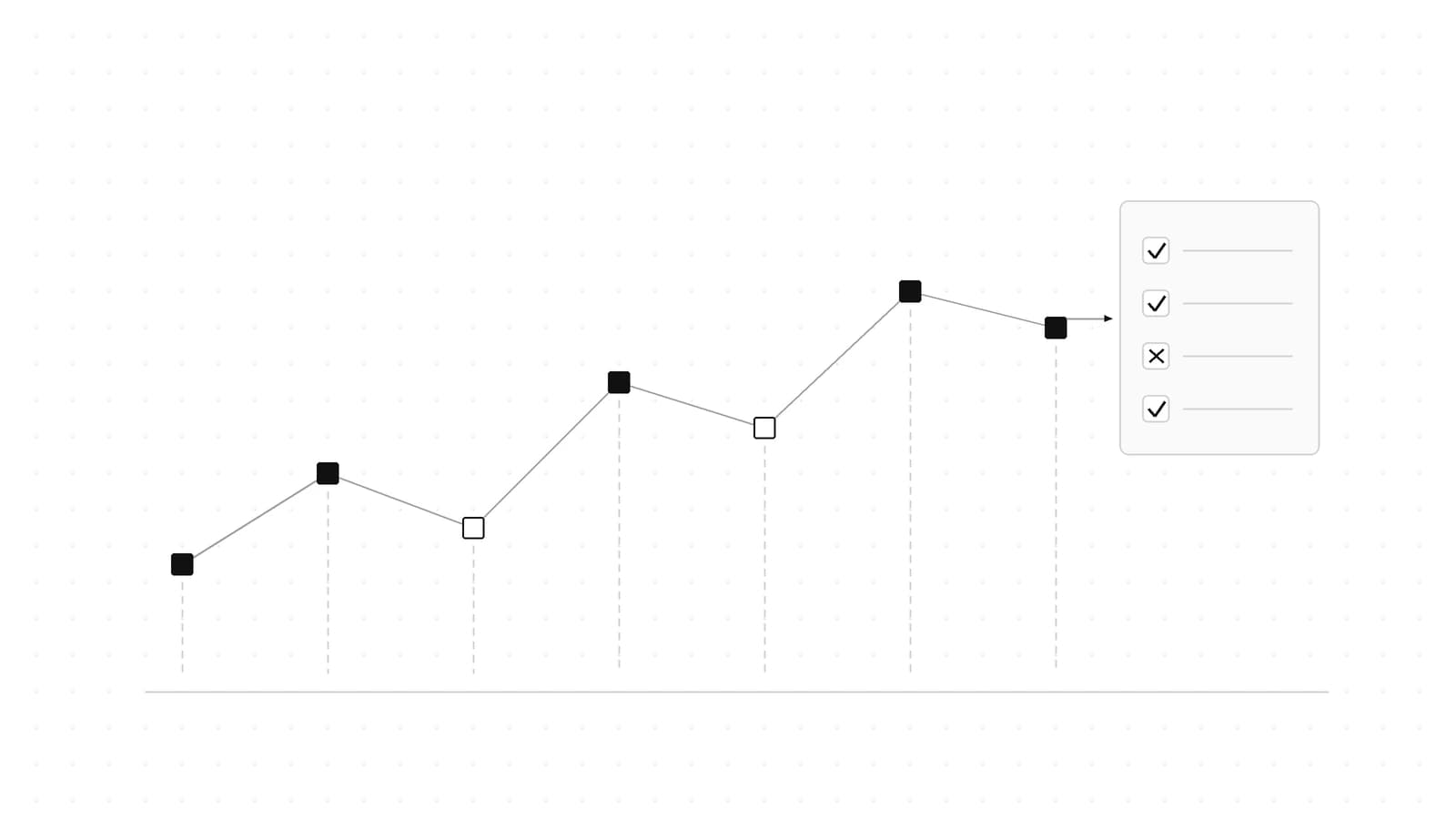
Frontier Claude models are very good at self-correction: give them a well-structured eval and they will hill climb on it autonomously. The catch is that the eval has to be climbable. Martin's checklist for a healthy eval:
- Bigger model, higher score. Stepping from Haiku to Sonnet to Opus should improve results.
- More thinking, higher score. Raising the thinking budget should help.
- Headroom at the frontier. The best model should not be saturated.
- Low run-to-run variance.
The common failure is ambiguous tasks. Many popular evals contain cases nobody can solve, so a score looks like it has 20 points of headroom when it actually has none. You then spend tokens climbing a hill that is already flat.
Their suggested tool is the eval-building workflow in the same claude-api skill. It is not opinionated about where data lives: point it at your traces, describe the problem, and it walks you through building and sanity-checking a dataset and grading criteria.
Fix 4: Hill Climb Without Overfitting#
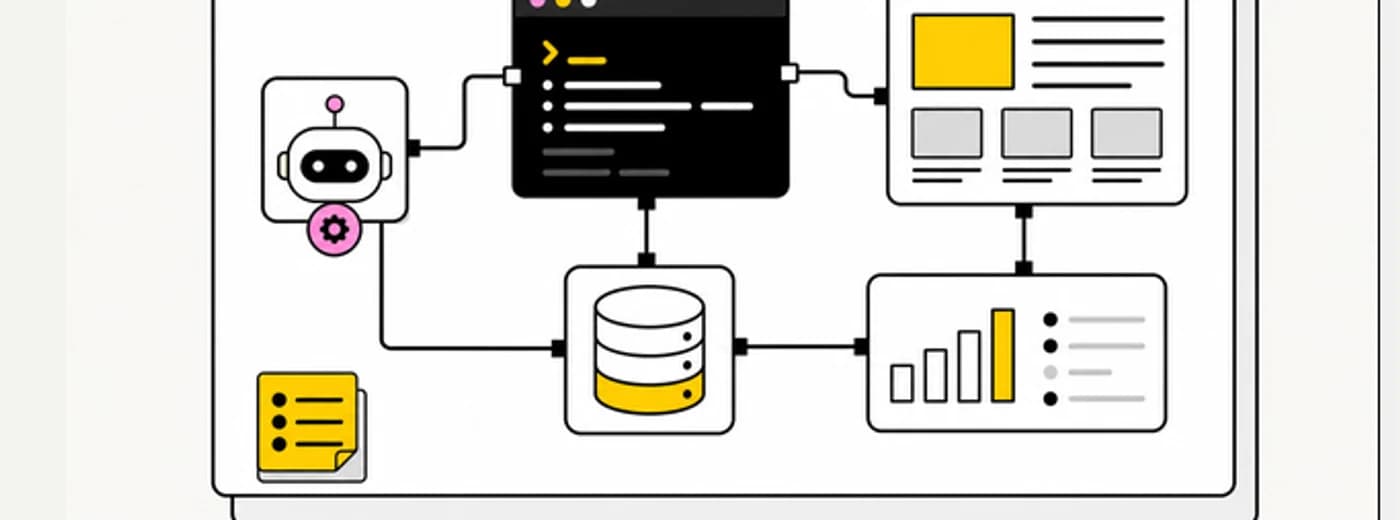
Once the eval is good, let Claude improve your harness or prompts against it. The danger is overfitting to the eval distribution:
- A task in the eval needs OCR, so the harness grows an OCR tool that production never needs.
- The prompt drifts toward distinctive phrasing from your eval examples that does not appear in real traffic.
Keep a held-out set, review what the climber changed, and be suspicious of changes that only make sense for specific eval items.
The Q&A Worth Hearing#
- Very long hill-climbing runs need harnesses that stay reliable for hours or days; Anthropic uses Managed Agents internally. Expect more infrastructure and slower signal.
- Multi-turn evals are usually necessary for agents. You can grade whole trajectories or final outcomes; both philosophies have merit.
- Context engineering that actually improves reliability: decoupling the brain from the hands, so the context object lives outside the harness and survives compaction. They credit the Recursive Language Models work. The same idea anchors their long-horizon tasks talk.
- Judgment-based tasks without easy verification need extra care in eval design: clear grading scales, multiple models validating results, low variance. If you tell a model to optimize a poorly structured eval, "it's not the model's fault."
- Keeping evals current: your old evals should show scores rising with each model generation. If they do not, question the eval. Building evals hard enough for today's best models is itself hard.
- The production loop they recommend: online evaluators score live traces, poor scores get pulled into an offline set, you climb on those, and passing cases become regression tests. Several observability vendors offer this outer loop.
Our Take#
This talk is a reminder that the cheapest model upgrade is often deleting things. If your prompts were written for Claude 3.5 or 4, they likely contain rituals that now cost you tokens and accuracy. If your agent's cache hit rate is not something you track, you are probably leaving a large share of your bill on the table.
A one-afternoon plan: check your cache hit rate in the console, strip "think step by step" style boosters and contradictory rules from your system prompt, rerun your eval, and confirm the eval itself scales with model size. If it does not, fix the eval before you fix anything else.
FAQ#
Why would old prompts make Claude worse?#
Techniques like "think step by step," verification rituals and thoroughness boosters were designed for older models. Frontier models already think and verify, so these instructions add tokens, and contradictory rules can confuse models that follow instructions closely.
How much can prompt caching save?#
Martin reported that fixing caching on internal benchmark harnesses cut costs by up to 72% with no meaningful performance change. Cached tokens are billed at a fraction of base input pricing, but any change to the prompt prefix invalidates the cache.
What makes a good eval for hill climbing?#
Scores should rise with model size and thinking budget, the best model should have headroom, run-to-run variance should be low, and ambiguous tasks that no model can solve should be removed.
Sources#
- Your Old Prompts Are Making Claude Worse - video
- Anthropic pricing
- Prompt caching documentation
- Recursive Language Models
The Full Series#
This post is part of our coverage of Anthropic's talks at AI Engineer 2026:
- Claude for Long-Horizon Tasks: Lance Martin's Four Rules for Agents That Run for Hours
- Inside the Claude Managed Agents Workshop: Pets, Cattle, Outcomes and Dreaming
- How Anthropic Builds: Mike Krieger on Being Unreasonable With Claude
- How Jarred Sumner Ships Millions of Lines of Agent-Written Code
- A Field Guide to Fable: Thariq Shihipar on Unhobbling Claude and Finding Your Unknowns
- Claude Tag Lands 65% of Anthropic's Product PRs: Takeaways From Cat Wu and Thariq Shihipar
- 1,000 Claude Agents, Git and a Database: How Fable 5.2 Formalized Fermat Without a Custom Harness
- Why One Agent Isn't Enough: Anthropic on Flows, UltraCode and Running 1,000 Agents
- Tokens Should Have Jobs: Anthropic's Case for Advisors, Graders and Dreamers
- Give the Agent a Budget, Not a Token: Anthropic's CI Team on Safe Agent Permissions
- Rethinking Claude Code Best Practices: Lydia Hallie on Getting Out of the Loop Safely
- How Anthropic Merges 30,000 Code Changes a Day: Addy Osmani on Verifying the Software Factory
- Using LLMs to Secure Source Code: Eugene Yan's Six-Step Pipeline From Anthropic
- From Messages API to Managed Agents: Anthropic's Applied AI Team on Harnesses That Go Stale
- Forward Deployed Engineering 101: When Your AI Startup Needs FDEs, From Palantir to Anthropic
- The Enterprise Tech Stack for AI Agents: Why Your POC Stalls and How to Design Past It
- The Claude Certified Architect Exam as a Field Guide to Agentic Engineering
- The Future of MCP: David Soria Parra on Connectivity, Progressive Discovery and Skills Over MCP
- Gateways Are All You Need: How Anthropic Thinks About MCP in the Enterprise
- How to Build Agents That Run for Hours: Anthropic's Planner, Generator and Evaluator Harness
Continue Reading#
Get the next deep dive like this in your inbox
One email a week on Anthropic and the rest of the AI dev stack. Free.
Read next on Claude Code
Prompt Caching Economics on Fable 5: When the 5-Minute TTL Pays
Fable 5 prompt caching economics: cache-write vs cache-read pricing, 5-minute vs 1-hour TTL break-even math, and worked agent-loop examples.
10 min readAnthropic Removed 80% of Claude Code's System Prompt. Here Is What They Learned.
Anthropic cut over 80% of Claude Code's system prompt for Claude 5 models with no coding eval loss. The new context engineering rules and what HN thinks.
7 min readHow to Evaluate AI Agents in Practice: Trajectories, Tool Calls and Judges
Evaluate AI agents in layers: deterministic tool checks, trajectory match, then an LLM judge. Working code for Pydantic Evals, Mastra and more.
13 min readTechnical content at the intersection of AI and development. Building with AI agents, Claude Code, and modern dev tools - then showing you exactly how it works.