Tokens Should Have Jobs: Anthropic's Case for Advisors, Graders and Dreamers
AI Engineer 2026: Anthropic Talks
21 parts- 1Claude for Long-Horizon Tasks: Lance Martin's Four Rules for Agents That Run for Hours
- 2Inside the Claude Managed Agents Workshop: Pets, Cattle, Outcomes and Dreaming
- 3How Anthropic Builds: Mike Krieger on Being Unreasonable With Claude
- 4How Jarred Sumner Ships Millions of Lines of Agent-Written Code
- 5A Field Guide to Fable: Thariq Shihipar on Unhobbling Claude and Finding Your Unknowns
- 6Claude Tag Lands 65% of Anthropic's Product PRs: Takeaways From Cat Wu and Thariq Shihipar
- 71,000 Claude Agents, Git and a Database: How Fable 5.2 Formalized Fermat Without a Custom Harness
- 8Your Old Prompts Are Making Claude Worse: Lance Martin's Checklist for Frontier Models
- 9Why One Agent Isn't Enough: Anthropic on Flows, UltraCode and Running 1,000 Agents
- 10Tokens Should Have Jobs: Anthropic's Case for Advisors, Graders and DreamersCurrent
- 11Give the Agent a Budget, Not a Token: Anthropic's CI Team on Safe Agent Permissions
- 12Rethinking Claude Code Best Practices: Lydia Hallie on Getting Out of the Loop Safely
- 13How Anthropic Merges 30,000 Code Changes a Day: Addy Osmani on Verifying the Software Factory
- 14Using LLMs to Secure Source Code: Eugene Yan's Six-Step Pipeline From Anthropic
- 15From Messages API to Managed Agents: Anthropic's Applied AI Team on Harnesses That Go Stale
- 16Forward Deployed Engineering 101: When Your AI Startup Needs FDEs, From Palantir to Anthropic
- 17The Enterprise Tech Stack for AI Agents: Why Your POC Stalls and How to Design Past It
- 18The Claude Certified Architect Exam as a Field Guide to Agentic Engineering
- 19The Future of MCP: David Soria Parra on Connectivity, Progressive Discovery and Skills Over MCP
- 20Gateways Are All You Need: How Anthropic Thinks About MCP in the Enterprise
- 21How to Build Agents That Run for Hours: Anthropic's Planner, Generator and Evaluator Harness
TL;DR
Katelyn Lesse and Angela Jiang of Anthropic show that at a fixed token budget, giving tokens jobs (advise, grade, dream) beats pure execution, and cuts the true cost of a correct answer.
When an agent does not get the job done, the usual fix is to spend more: more tokens, or more expensive tokens. Katelyn Lesse, who leads platform engineering at Anthropic, and Angela Jiang, who leads platform product, question the assumption hiding underneath that fix: that every token is interchangeable.
Their 13-minute AI Engineer talk makes the case, with data, that tokens assigned to different jobs beat tokens that all just execute, even at the same budget.
Source: Tokens Should Have Jobs, Katelyn Lesse and Angela Jiang, Anthropic, AI Engineer. All benchmark numbers are Anthropic's, from an internal financial-analysis bench.
Strategies: Executor Plus a Second Job#
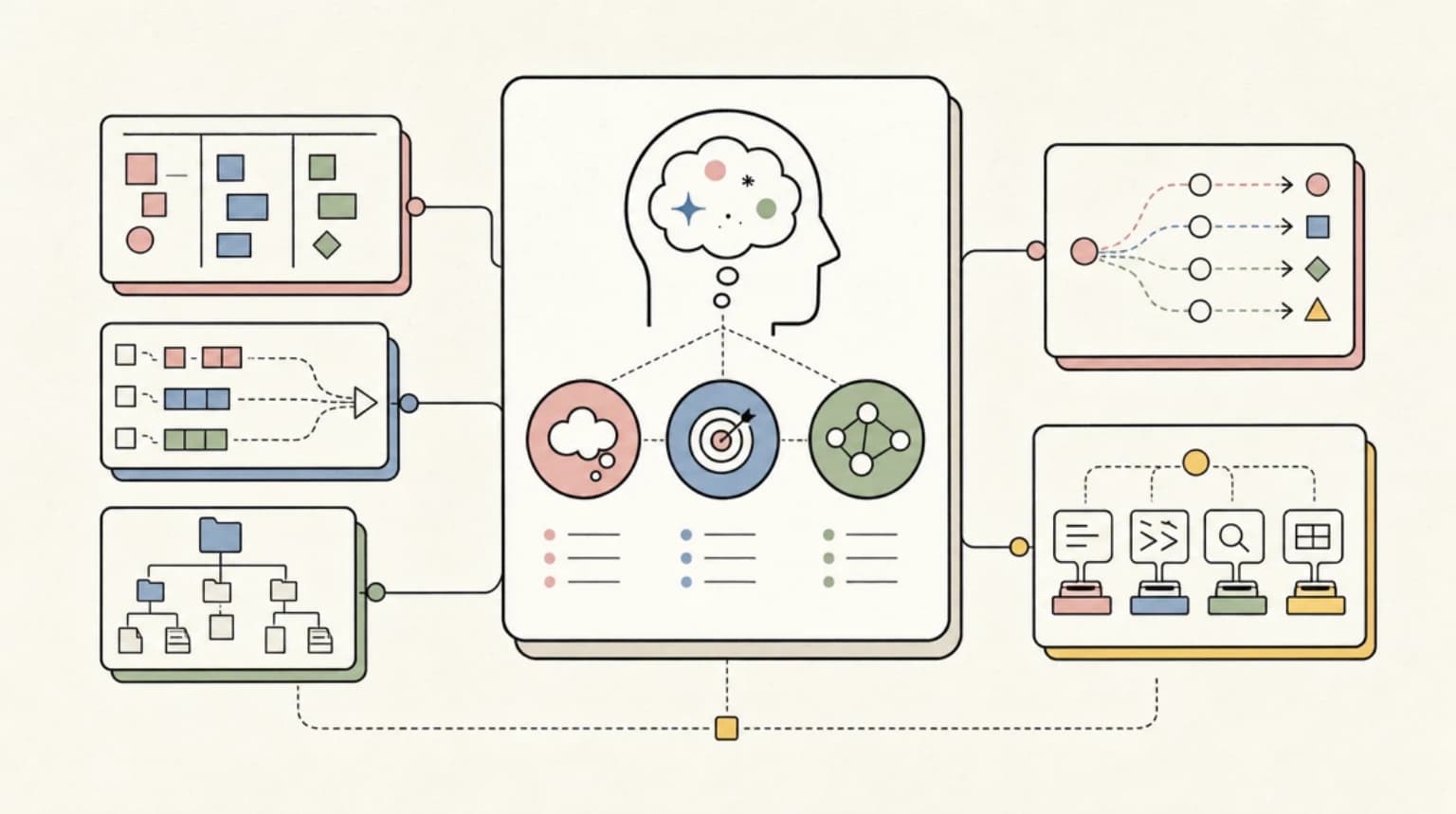
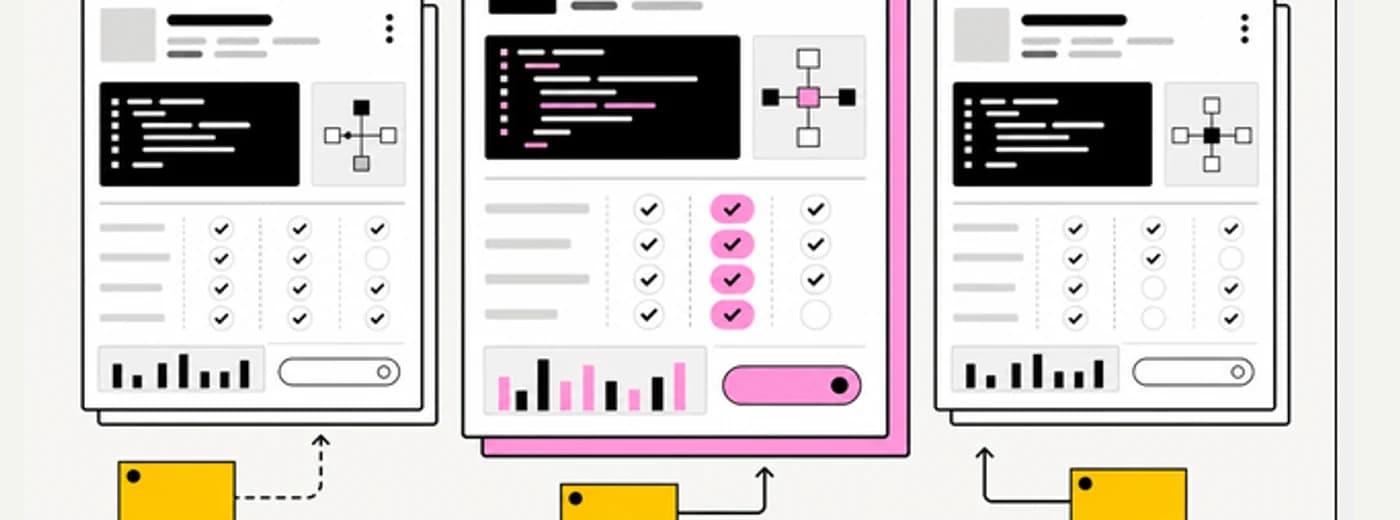
In a normal agent setup, every token does one job: execute. Lesse and Jiang call it a strategy when you split some tokens off to do something else. They test three:
| Strategy | Second job | Example use case from the talk |
|---|---|---|
| Advise | The executor can call an advisor for guidance on its next step | A sales agent that flags overdue follow-ups and stalled deals |
| Grade | A grader scores the executor's output against a rubric; the executor retries until it passes | A customer service agent deciding refunds against specific policy criteria |
| Dream | A dreamer reviews the executor's transcripts and writes learnings to memory for the next run | A recruiting agent that sharpens with feedback on candidate fit |
The grade and dream strategies map onto features Anthropic already ships in Managed Agents (outcomes and dreaming); see our post on dreaming and outcomes.
The Experiment#
They built a bench of financial-analysis tasks meant to mirror what an expert human analyst does, then compared plain execution with each strategy.
Round 1: let each strategy choose its budget#
One-shot, with each strategy spending what it wanted:
- Execute scored about 15% and used only about 39,000 tokens.
- The more complex strategies spent more and did better, with dream doing best but using roughly 600,000 tokens.
That comparison proves nothing, since the winner simply spent fifteen times more.
Round 2: fix the budget#
So they gave every strategy dream's budget of about 600,000 tokens. Everything improved, as expected with more test-time compute: execute rose to about 76%, while advise and grade climbed into the high 80s and 90s.
If tokens were truly fungible, all strategies would converge at the same budget. They did not. Execute at 76% versus advise at 89%, same tokens, is the alpha.
The Lens That Changes Everything: Only Perfect Counts#
Then they reframed the score the way an expert actually experiences it. If an agent builds a P&L that is 80% accurate, a financial analyst cannot use it. They must redo it or rerun the agent. You cannot make up an income number. In this domain, anything less than 100% correct is a failure.
Rescored as pass/fail on perfect answers at the fixed budget:
- Execute passed about 42% of the time.
- The better strategies reached about 75%.
Now compute what it costs to get one perfect answer. At about 40% success, execute needs roughly three runs on average. Three runs at 600,000 tokens each is about 1.8 million tokens per correct answer. Run the same math across strategies and advise and grade come out much more token-efficient per usable result.
That metric, expected tokens to a correct answer rather than accuracy per run, is the most useful idea in the talk. If you only measure accuracy, you will undervalue strategies that cost more per run but fail less.
Which Strategy Should You Pick?#
It depends on what you optimize:
- Token efficiency first: advise looked best in their domain.
- Reliability first, maximizing the share of runs that are perfect: lean toward grade or dream.
These are results on one bench in one domain; the method transfers more than the specific winner. Run the same comparison on your own tasks.
Strategies as Composable Primitives#
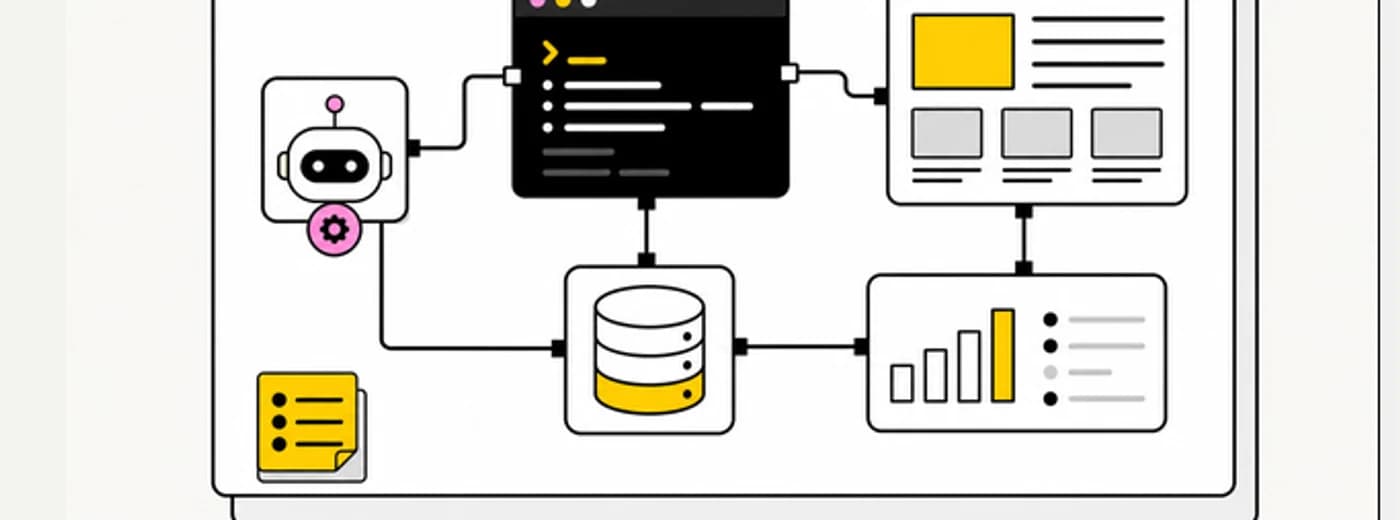
The last part zooms out. Anthropic built Managed Agents as a strong single-agent harness, and is now working at the meta-harness level: multi-agent coordination where strategies are composed. With the right primitives, combining them is simple:
- An executor does the task, with Fable as its advisor.
- A grader verifies the result in a loop.
- Passing runs go to a dreamer so the next run starts smarter.
You can also invent jobs that are not on this list. Anthropic's longer-term goal is for models and the platform to construct these strategies dynamically. Until then, you design them.
Our Take#
This is the cleanest public argument for something many agent builders do by instinct: a cheap second opinion is often worth more than more of the first opinion. What makes the talk valuable is the measurement discipline. Fix the budget before comparing strategies, and score by cost-to-correct-answer when partial credit is worthless to the user.
Pair it with Sachin Malhotra's talk on giving agents a budget instead of a token and our piece on harness engineering under a token budget for the cost side of the same question.
FAQ#
What does "tokens should have jobs" mean?#
Instead of spending an entire token budget on one agent executing, assign some tokens to other roles, such as advising the executor, grading its output, or reflecting on past runs to update memory.
Which strategy worked best in Anthropic's experiment?#
At a fixed budget of about 600,000 tokens, advise reached about 89% accuracy versus 76% for pure execution. When only perfect answers counted, advise and grade were the most token-efficient per correct answer.
How should I compare agent strategies fairly?#
Hold the token budget constant across strategies, then measure the expected tokens to reach a fully correct answer, not just average accuracy per run.
Sources#
- Tokens Should Have Jobs - video
- Building an Ecosystem, not a Walled Garden - Sequoia podcast with Lesse and Jiang
- New in Claude Managed Agents: dreaming and outcomes
The Full Series#
This post is part of our coverage of Anthropic's talks at AI Engineer 2026:
- Claude for Long-Horizon Tasks: Lance Martin's Four Rules for Agents That Run for Hours
- Inside the Claude Managed Agents Workshop: Pets, Cattle, Outcomes and Dreaming
- How Anthropic Builds: Mike Krieger on Being Unreasonable With Claude
- How Jarred Sumner Ships Millions of Lines of Agent-Written Code
- A Field Guide to Fable: Thariq Shihipar on Unhobbling Claude and Finding Your Unknowns
- Claude Tag Lands 65% of Anthropic's Product PRs: Takeaways From Cat Wu and Thariq Shihipar
- 1,000 Claude Agents, Git and a Database: How Fable 5.2 Formalized Fermat Without a Custom Harness
- Your Old Prompts Are Making Claude Worse: Lance Martin's Checklist for Frontier Models
- Why One Agent Isn't Enough: Anthropic on Flows, UltraCode and Running 1,000 Agents
- Give the Agent a Budget, Not a Token: Anthropic's CI Team on Safe Agent Permissions
- Rethinking Claude Code Best Practices: Lydia Hallie on Getting Out of the Loop Safely
- How Anthropic Merges 30,000 Code Changes a Day: Addy Osmani on Verifying the Software Factory
- Using LLMs to Secure Source Code: Eugene Yan's Six-Step Pipeline From Anthropic
- From Messages API to Managed Agents: Anthropic's Applied AI Team on Harnesses That Go Stale
- Forward Deployed Engineering 101: When Your AI Startup Needs FDEs, From Palantir to Anthropic
- The Enterprise Tech Stack for AI Agents: Why Your POC Stalls and How to Design Past It
- The Claude Certified Architect Exam as a Field Guide to Agentic Engineering
- The Future of MCP: David Soria Parra on Connectivity, Progressive Discovery and Skills Over MCP
- Gateways Are All You Need: How Anthropic Thinks About MCP in the Enterprise
- How to Build Agents That Run for Hours: Anthropic's Planner, Generator and Evaluator Harness
Continue Reading#
Get the next deep dive like this in your inbox
One email a week on Anthropic and the rest of the AI dev stack. Free.
Read next on Claude Code
Give the Agent a Budget, Not a Token: Anthropic's CI Team on Safe Agent Permissions
After an agent deleted 200 workloads in 90 seconds, Anthropic's CI team replaced scoped tokens with budgets: asymmetric verbs, refilling rate limits, tripwires and the undo test.
8 min readHarness Engineering Makes Tokens a Systems Budget
Harness engineering turns tokens into a systems budget. OpenAI's Codex post and Tokenomics research say agent teams need budgets, receipts, and eval loops.
8 min readClaude Managed Agents: Dreaming, Outcomes, and Multi-Agent Orchestration Explained
Claude Managed Agents added dreaming, outcomes and multi-agent orchestration in 2026. How each primitive works and when to use the three together.
8 min readTechnical content at the intersection of AI and development. Building with AI agents, Claude Code, and modern dev tools - then showing you exactly how it works.