Topic
CONTEXT ENGINEERING
Context engineering - the highest-leverage skill in AI-assisted development.
24 resources - 24 posts
Blog Posts
View in blog →
Agent Memory Architectures Explained: 5 Layers and How Each Framework Builds Them
Agent memory is five layers: history, compaction, semantic recall, working memory and files. How Mastra, LangGraph, OpenAI and Claude implement each.
12 min read
Context Engineering for Agents: Caching, Compaction, Subagents
Context engineering for agents, explained: caching, compaction, tool-result clearing, retrieval and subagents, with the exact Anthropic and OpenAI API knobs.
15 min read
The Text Is a Control Surface
The text agents read is a control surface: bad MCP error messages cost more on stronger models, and context hygiene gains value with every model upgrade.
12 min read

Agent Retrieval Bench Finds The Files Before The Fix
Agent Retrieval Bench isolates the part of coding-agent work most evals hide: did the agent find the right repository files before it started editing?
8 min read
CodeNib Makes Repository Context a Data System
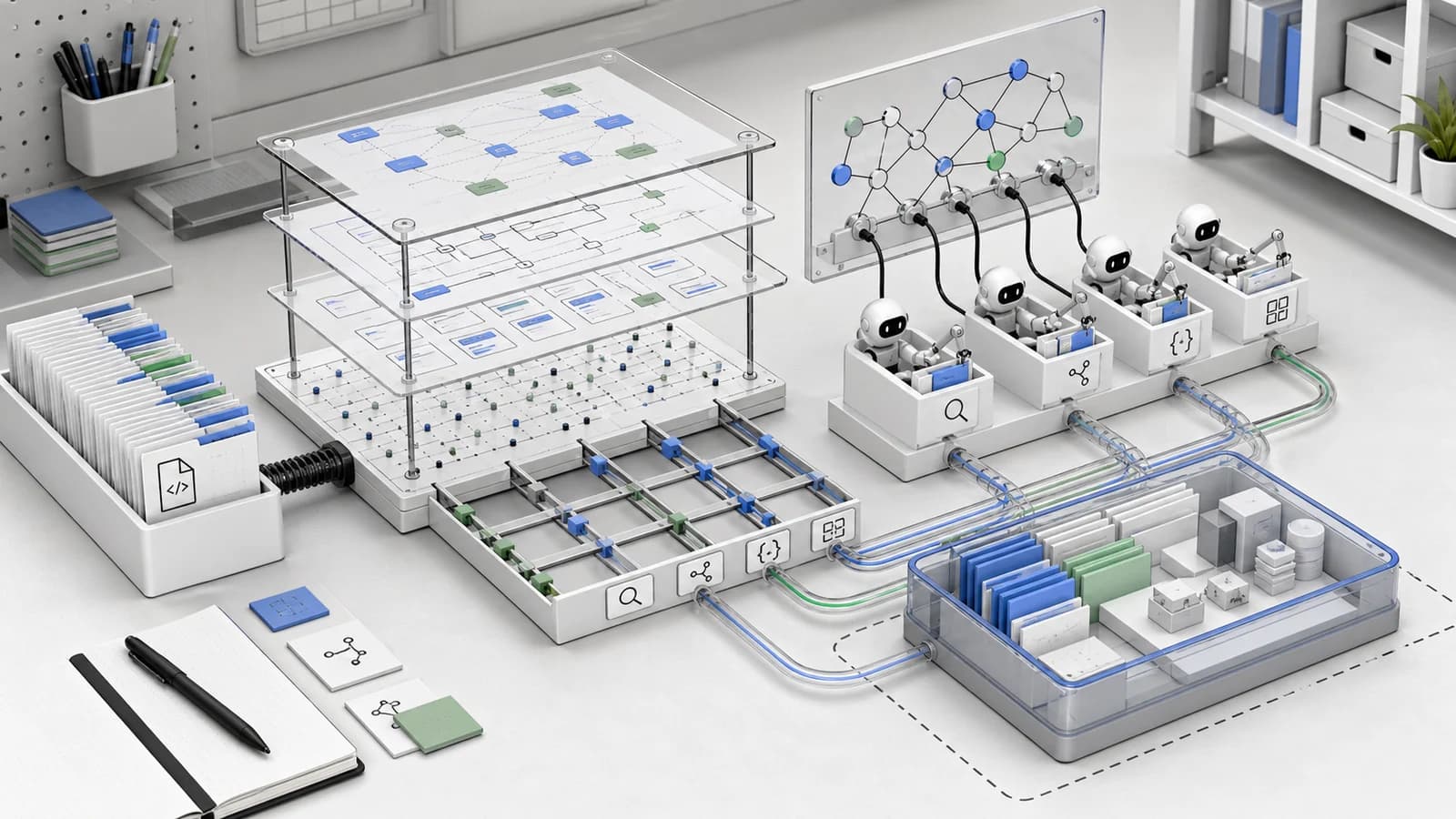
CodeNib treats repository context as compiled infrastructure, so coding agents stop rediscovering the same repo through grep and reads. What it builds.
8 min read
The New MCP Roadmap: Progressive Discovery and Agent Auth
The new MCP roadmap prioritizes progressive discovery for large tool catalogs and standardized agent identity. What changes for developers building MCP servers.
7 min read
CLAUDE.md Files Never Stop Growing: A New Paper Names the Mechanism
CLAUDE.md and AGENTS.md files keep growing because the reasoning behind each rule decays. A study of 1,867 repos names the mechanism and a comment-based fix.
7 min read
Agent Memory Is Moving Into the Model
Agent memory is moving into the model: in-backbone memory, parametric memory, reconstruction and transactional writes challenge external stores. What to do now.
8 min read
AGENTS.md Configuration Smells: 91% of Popular Repos Get One of Six Wrong
AGENTS.md and CLAUDE.md configuration smells: a SCAM 2026 study of 100 top repos catalogs six, led by Lint Leakage and Context Bloat. What to fix in yours.
6 min read

AGENTS.md Files Don't Move Coding Agent Correctness: A 288-Run Ablation
AGENTS.md and context files do not measurably change coding agent correctness in a 288-run Claude Code and Codex ablation. Failures were implementation skill.
7 min read
OwlPath: Ontology-Based Code Retrieval Cuts Agent Tokens 29%
OwlPath encodes code into an OWL2 ontology so coding agents can answer multi-hop structural queries with SPARQL, cutting tokens 28.8% on SWE-bench Pro.
6 min read

Wiki Skills: The Missing Graph Layer in Agent Context
Wiki skills add the missing graph layer to agent context: skills that link to each other let agents navigate knowledge instead of front-loading it all.
10 min read

Anthropic Removed 80% of Claude Code's System Prompt. Here Is What They Learned.
Anthropic cut over 80% of Claude Code's system prompt for Claude 5 models with no coding eval loss. The new context engineering rules and what HN thinks.
7 min read

The New Rules of Context Engineering for Claude 5 Models: A Developer Guide
Anthropic removed over 80% of Claude Code's system prompt for Claude 5 models. Here is how the rules changed and what it means for your CLAUDE.md files, skills, and system prompts.
8 min read
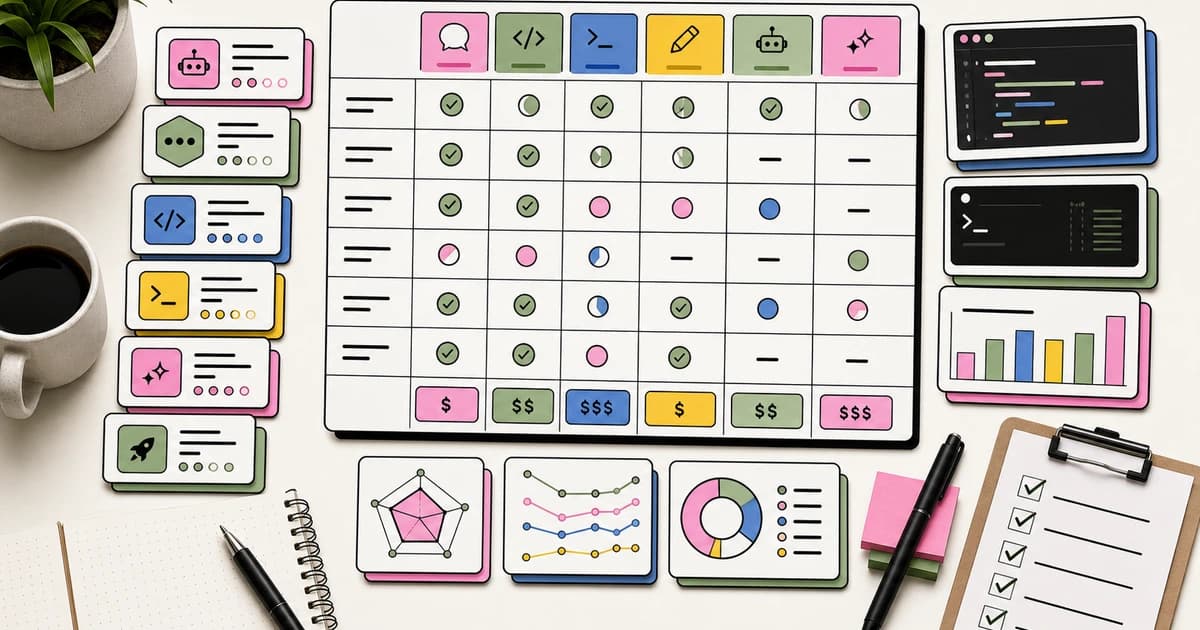
Why Software Factories Fail: Harness Engineering Is Not Enough
A deep dive into why fully autonomous AI coding agents degrade codebases over time, and what context engineering can actually fix.
9 min read

SWE-Pruner Pro Makes Tool Output Pruning an Agent Runtime Problem
SWE-Pruner Pro prunes coding-agent tool outputs inside the runtime before they become next-turn context. What it does, its limits, and the pattern to copy.
8 min read
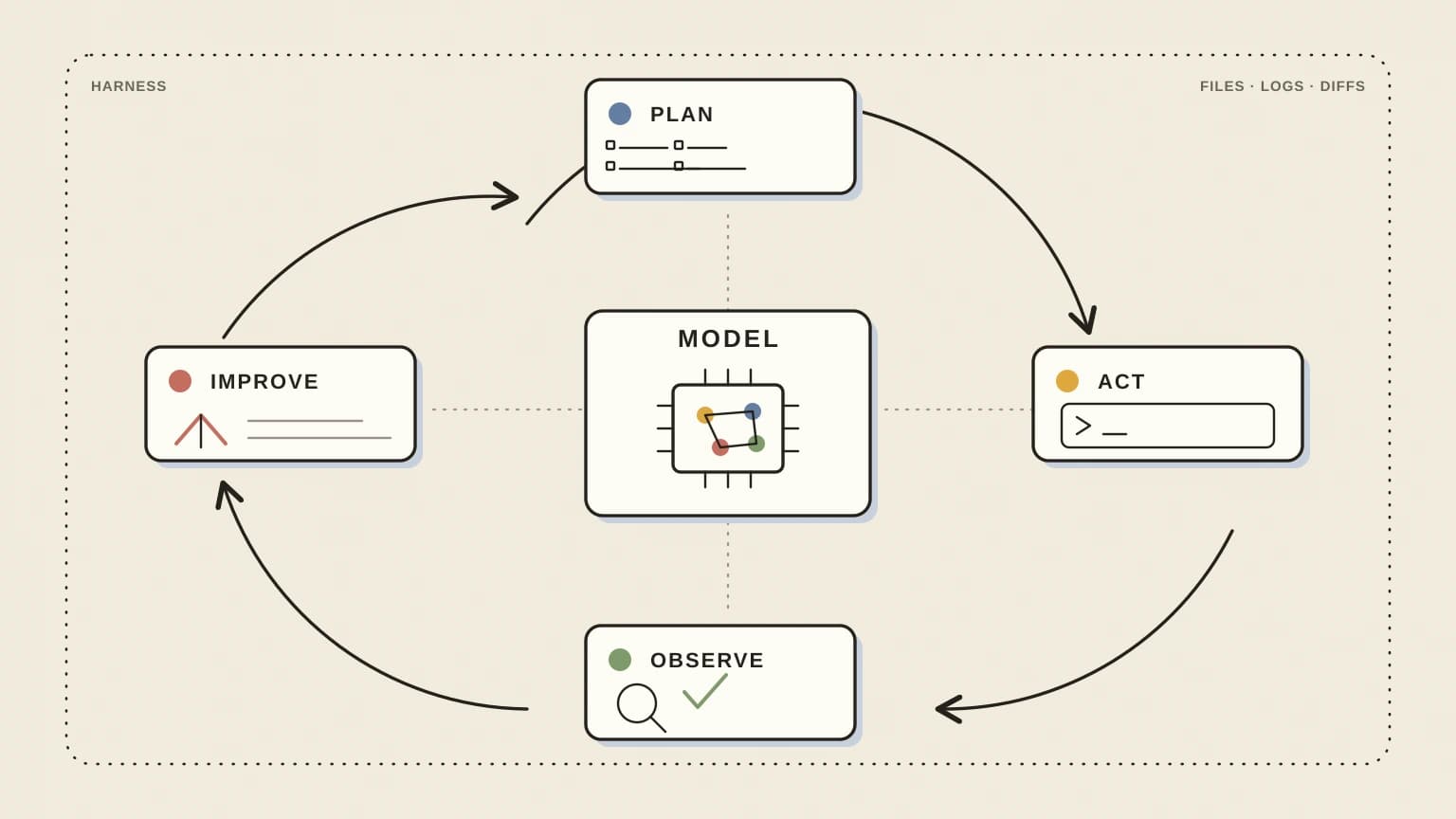
Harness Engineering and the Path to Self-Improving AI
Harness engineering is where self-improving AI starts, Lilian Weng argues, not models rewriting their weights. What that means for developers building agents.
7 min read
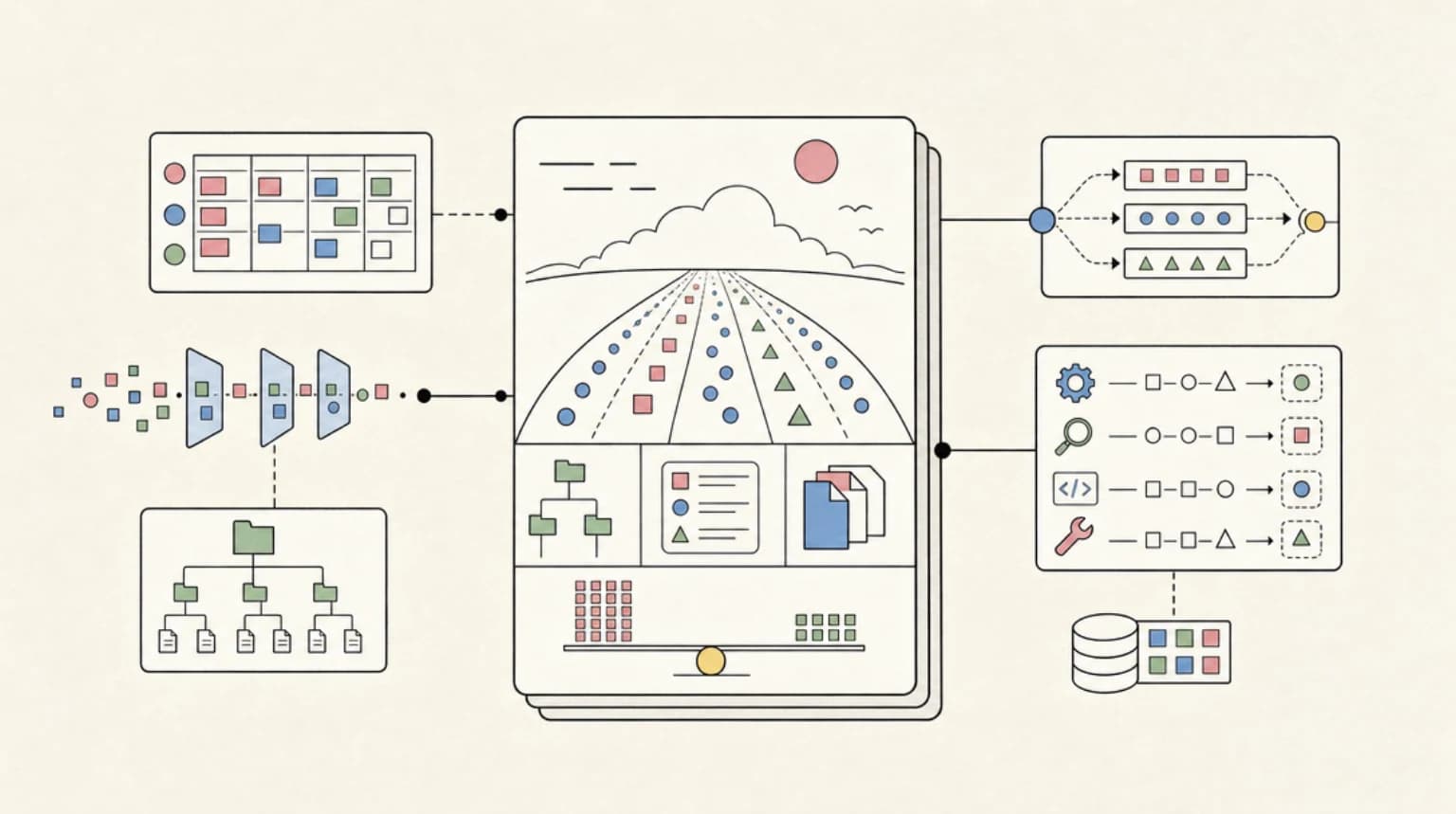
Fable 5 with 1M Context: What Actually Works in Practice
Fable 5 1M context workflows that actually work: whole-repo reviews, log archaeology, multi-doc synthesis - plus the honest math on when RAG still wins.
10 min read
AI Agent Memory Needs a Context Ledger
AI agent memory works best as a context ledger: source-linked, scoped, expiring memory that agents can inspect and users can audit, not magic recall.
8 min read
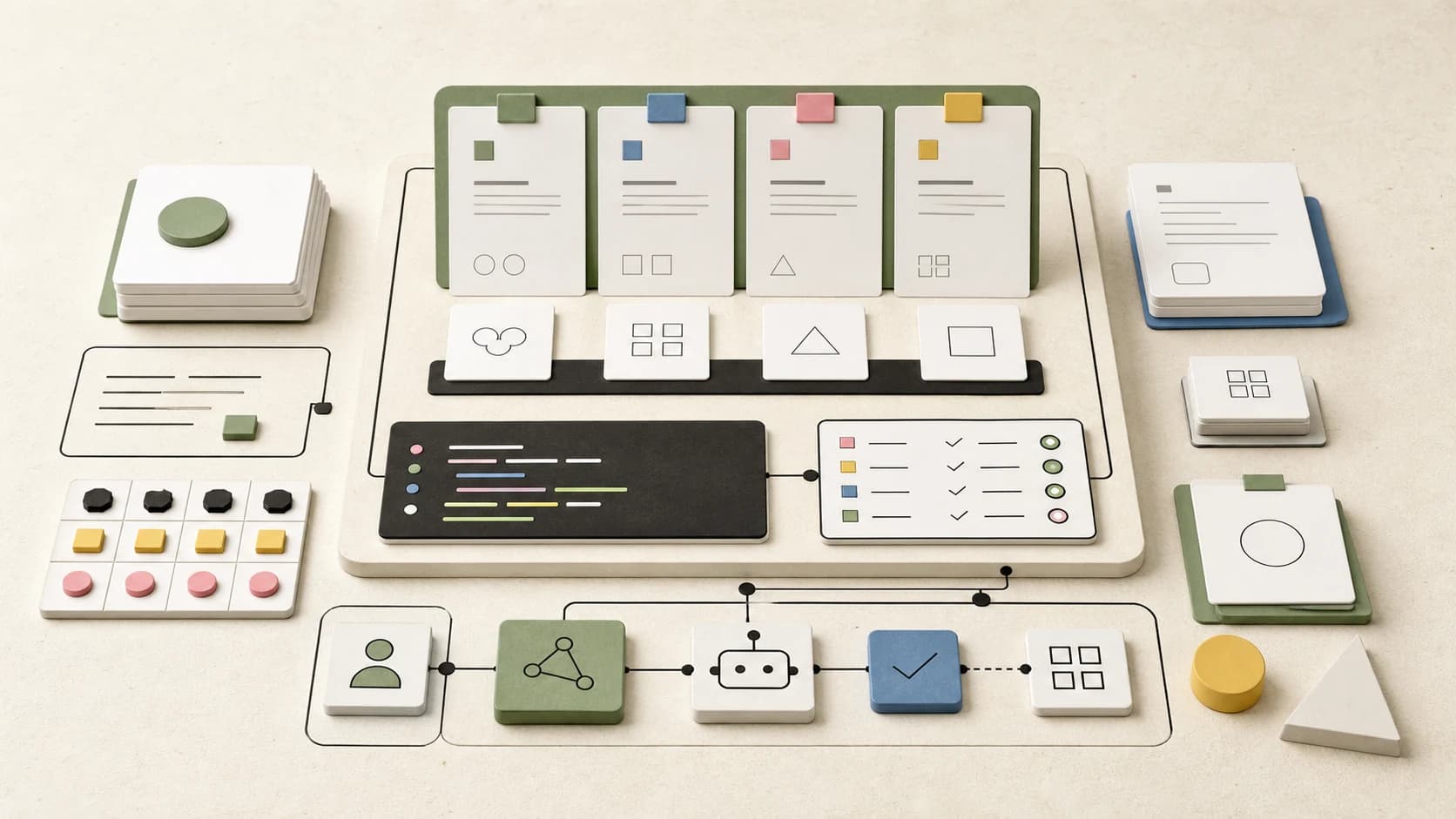
Domain Expertise Is the New Agentic Coding Moat
Domain expertise is the agentic coding moat only when it becomes executable: examples, tests, DSLs, and review gates that turn tacit judgment into checks.
8 min read
Coding Agents Need Codebase Maps, Not Bigger Prompts
Codebase knowledge graphs for Claude Code, Codex, and Cursor are trending. Why the useful version is a map that guides agent planning, editing, and review.
8 min read
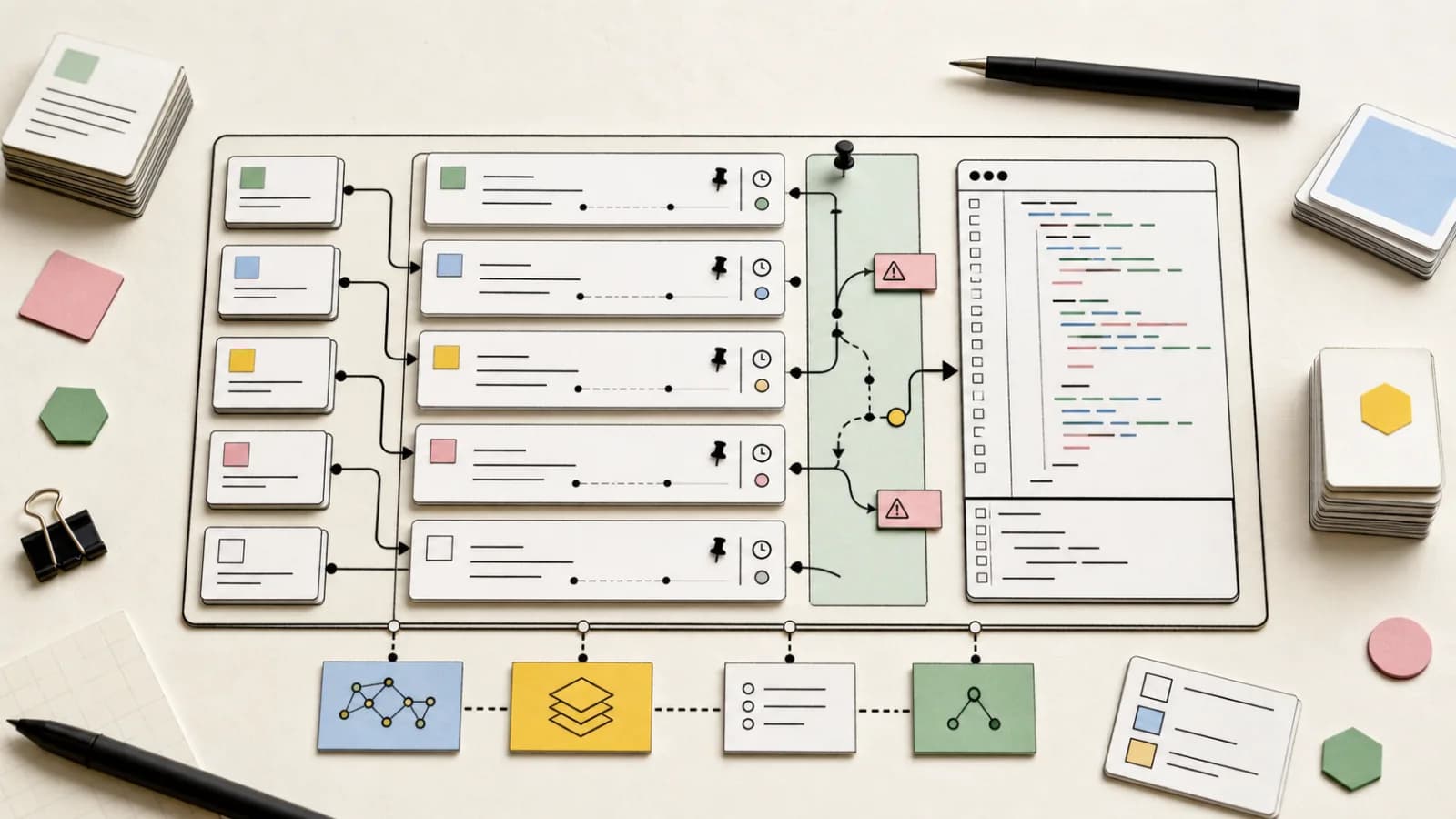
Agent Memory Benchmarks Are Not Enough
Agent memory benchmarks are not enough. Coding-agent memory has to prove recall, freshness, deletion and rollback under real development pressure.
9 min read

The 98% Context Reduction Pattern
The agent context reduction pattern: keep intermediate state in code, files and execution environments, and return compact summaries and receipts to the model.
8 min read
Context Engineering: The Highest-Leverage Skill in AI-Assisted Development
Context engineering is designing the persistent context around every AI interaction: CLAUDE.md files, system prompts, skill libraries and memory systems.
14 min read
Keep exploring
More on Context Engineering
- - Glossary - dive deeper across the Developers Digest knowledge base
- - All Context Engineering articles in the blog archive
- - Developers Digest on YouTube - video tutorials covering Context Engineering and more
Get Smarter About AI Dev
New tutorials, open-source projects, and deep dives on coding agents - delivered weekly.
One email per weekReal code, not theoryFree forever
Explore 840 topics
Browse All Topics